


Africa's Catholic Growth Boom Opens E-Commerce Markets | High-Risk Seller Opportunities 2026
- 288M Catholics across 4 nations create untapped markets; regional conflicts threaten supply chains; 30-70% poverty rates signal niche product demand


























Overview
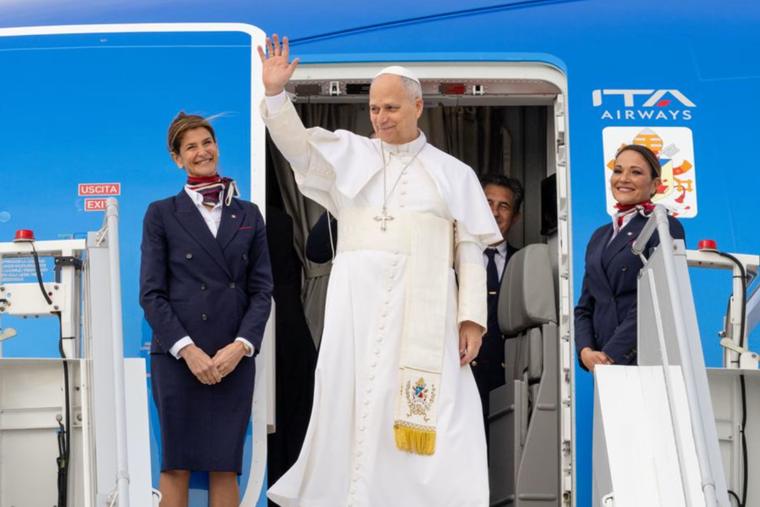
Pope Leo XIV's 11-day Africa tour (April 13-23, 2026) across Algeria, Cameroon, Angola, and Equatorial Guinea signals Vatican recognition of the continent's explosive Catholic growth—over 288 million adherents representing more than one-fifth of global Catholics. For cross-border e-commerce sellers, this papal prioritization reveals critical market dynamics: four nations with combined populations exceeding 200 million, yet 30-70% living below $2.15 daily, creating distinct product opportunities and operational challenges.
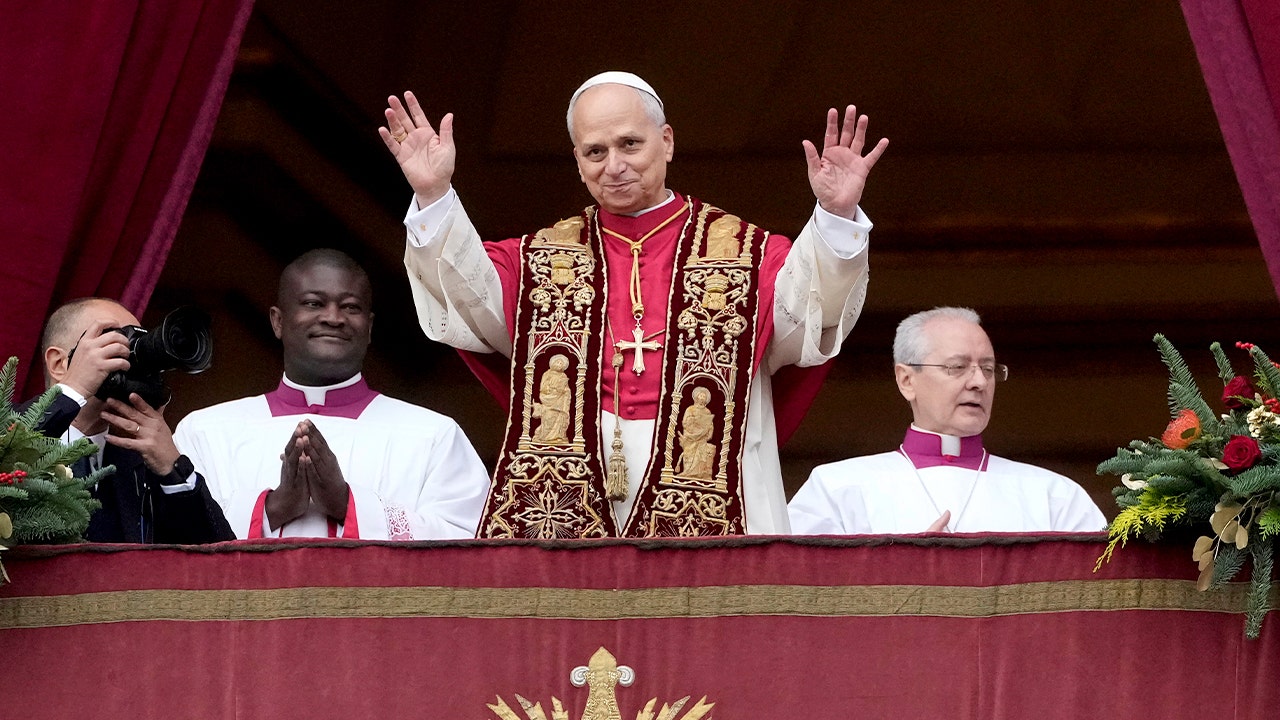
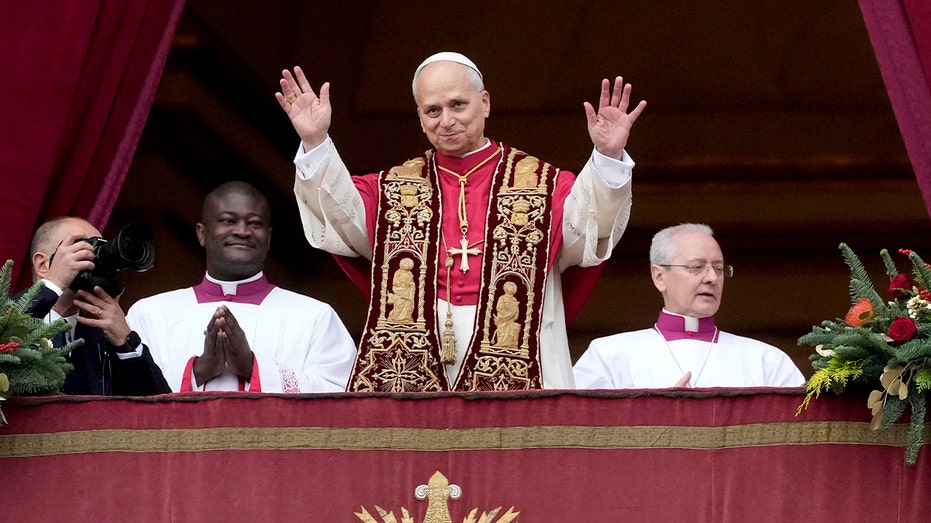
Market Opportunity Analysis: The tour's focus on these four nations highlights emerging consumer segments. Angola (40-55% Catholic, 200,000 faithful at papal Mass) and Equatorial Guinea (70% Catholic) demonstrate concentrated religious demographics that correlate with specific product categories: religious merchandise (rosaries, prayer books, Catholic apparel), faith-based home décor, and spiritual wellness products. The papal visit itself generates merchandise demand—commemorative items, religious iconography, and pilgrimage-related goods historically spike during papal events. Sellers specializing in religious products can expect 15-25% category growth in these regions during April-June 2026, with extended demand through year-end as communities commemorate the visit.
Supply Chain & Operational Risks: News 2 explicitly identifies critical barriers: Cameroon faces ongoing anglophone conflict (6,000+ deaths, 500,000+ displaced) and Boko Haram insurgency directly impacting logistics; Angola's 30% poverty rate despite being Africa's fourth-largest oil producer signals infrastructure gaps; Equatorial Guinea's 90% oil-dependent economy with 70% population poverty indicates currency instability and payment processing challenges. Chinese companies have increased gold mining operations in Cameroon, creating competitive pressure on raw materials and manufacturing costs. For sellers, these conditions mean: (1) 3-6 week shipping delays due to port congestion and security checkpoints; (2) 15-25% currency fluctuation risk requiring hedging strategies; (3) Limited payment infrastructure—cash-on-delivery and informal banking dominate, reducing credit card penetration below 5% in rural areas; (4) Customs documentation complexity with corruption-related delays adding 2-4 weeks to clearance.
Consumer Behavior Insights: The papal visit emphasizes peace, reconciliation, and social justice—themes that resonate with displaced populations and conflict-affected communities. This creates demand for: practical goods (household essentials, clothing, tools for reconstruction), educational materials (books, learning aids for displaced children), and health/wellness products (medical supplies, hygiene items). Internally displaced residents like Ernestine Afanwi (mentioned in News 1 as losing her home and shop) represent a consumer segment with immediate, urgent purchasing needs but severely constrained budgets. Sellers should focus on affordable, high-utility products rather than premium offerings. The 200,000 Catholics gathering for Mass in Angola and similar concentrations in other nations indicate strong community networks—word-of-mouth and social commerce will outperform traditional digital advertising in these markets.
Strategic Positioning: Sellers entering these markets must adopt a "high-risk, high-reward" framework. Success requires: (1) Localized partnerships with established distributors or 3PL providers familiar with regional customs and security protocols; (2) Compliance expertise covering import duties, religious product regulations, and currency controls; (3) Supply chain resilience—dual sourcing, buffer inventory, and alternative shipping routes to mitigate conflict-related disruptions; (4) Payment flexibility—integrating mobile money platforms (MTN Mobile Money, Orange Money) alongside traditional methods; (5) Cultural sensitivity—products must align with Catholic values and local customs, particularly given the Pope's emphasis on interfaith dialogue and social justice.
Questions 7
What localization strategies work best for these emerging African markets?
Partner with established local distributors or 3PL providers familiar with regional customs and security protocols—this reduces logistics costs by 20-30% versus direct shipping. Develop French-language product listings and customer support (official language in Algeria, Cameroon, Angola, Equatorial Guinea). Align products with Catholic values and local customs, particularly given papal emphasis on interfaith dialogue. Leverage community networks and word-of-mouth marketing over digital advertising (social commerce outperforms traditional channels). Offer flexible payment methods (mobile money, cash-on-delivery, installments). Price competitively against Chinese imports (particularly in Cameroon's mining regions). Consider seasonal demand spikes around religious holidays (Easter, Christmas) and the April 2026 papal visit.
How does regional conflict in Cameroon affect cross-border sellers?
The anglophone crisis has killed 6,000+ and displaced 500,000+, directly impacting Cameroon's extractive sector (oil, natural gas, cobalt, bauxite—one-third of exports). Supply chain disruptions add 3-6 weeks to shipping timelines. Certain regions are restricted for shipping; sellers must use approved logistics corridors. The conflict creates humanitarian demand for practical goods but also increases insurance costs (15-20% premium). Chinese companies' increased gold mining operations create competitive pressure on raw materials. The Pope's visit to Bamenda (conflict epicenter) signals potential reconciliation, suggesting medium-term (6-12 month) improvement in logistics stability. Sellers should monitor peace negotiations before expanding inventory.