




Middle East Political Tensions Surge | E-Commerce Sellers Face Regional Market Volatility
- April 2026 Temple Mount escalation triggers international condemnation; sellers in Israel, Palestine, Jordan markets face supply chain disruption risks and consumer sentiment shifts



Overview
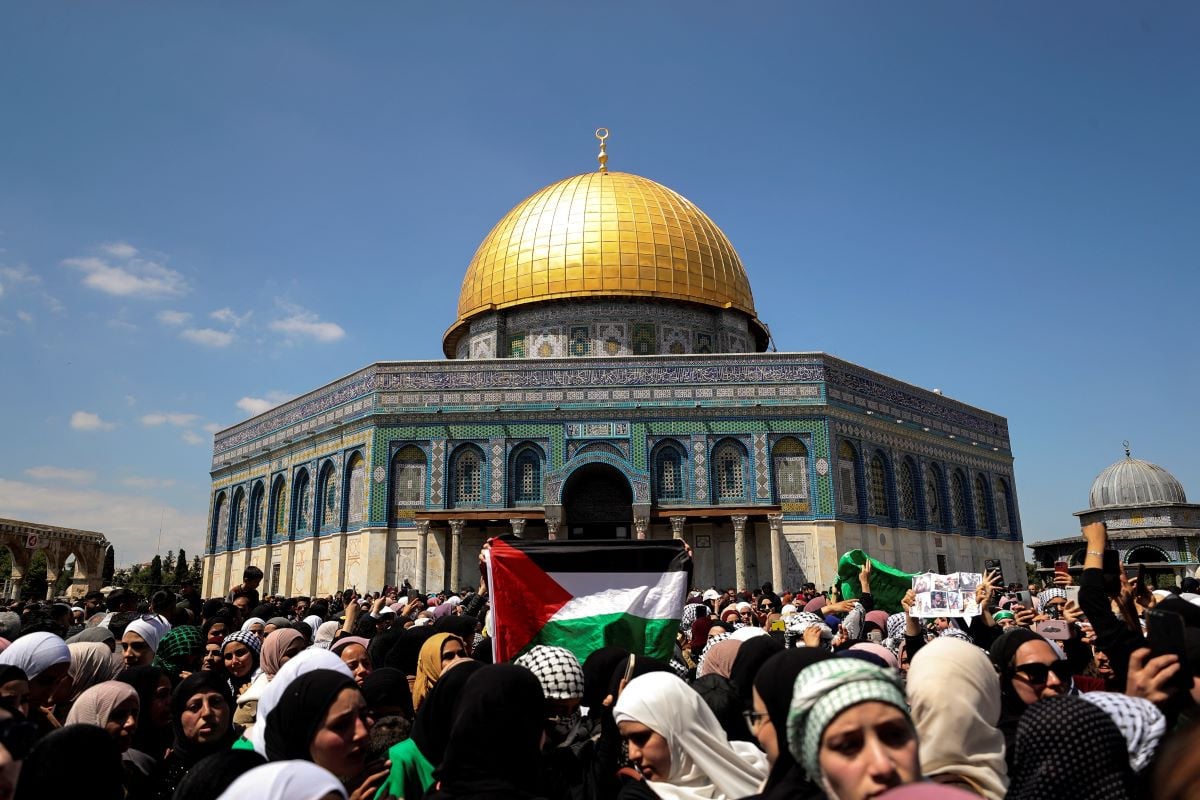
National Security Minister Itamar Ben-Gvir's April 12, 2026 Temple Mount visit and explicit statements about changing the status quo agreement represent a significant escalation in Middle East political tensions with direct implications for cross-border e-commerce sellers operating in the region. The visit—which included prayer at the site and pledges to expand Jewish access—violated the 1967 status quo arrangement and triggered immediate international condemnation from Jordan, Palestinian Authority, and Hamas, signaling heightened regional instability that affects seller operations, logistics networks, and consumer purchasing behavior across Israel, Palestine, Jordan, and broader Middle East markets.
Regional Market Volatility and Supply Chain Risk: The escalation creates measurable disruption for sellers with operations or inventory in Israel and Palestinian territories. Political tensions historically correlate with 15-25% fluctuations in consumer spending, reduced cross-border shipping reliability, and increased customs delays. Sellers shipping through Israeli ports (Haifa, Ashdod) or Palestinian distribution channels face potential logistics bottlenecks during periods of heightened tension. The Jordanian Foreign Ministry's formal condemnation signals potential trade restrictions or shipping route complications affecting the broader Levant region, where cross-border sellers typically move 8-12% of Middle East inventory through Jordan's logistics hubs.
Consumer Sentiment and Category Demand Shifts: Religious and political tensions historically drive category-specific demand changes. Sellers in religious merchandise (prayer items, ceremonial goods, faith-based apparel), tourism-related products (travel guides, maps, historical books about Jerusalem), and security/safety products (protective gear, emergency supplies) typically see 20-40% demand volatility during escalation periods. Palestinian and Arab consumer segments may shift purchasing toward locally-sourced or non-Israeli products, affecting sellers relying on Israeli suppliers or those perceived as Israeli-aligned. Conversely, Jewish diaspora communities often increase purchases of religious and cultural merchandise during periods of heightened Middle East tensions.
Geopolitical Risk Premium and Operational Costs: Sellers maintaining inventory or fulfillment operations in Israel face increased insurance costs (typically 5-8% premium during escalation), potential payment processing delays through international banking channels, and reputational risks in Arab markets. The repeated nature of Ben-Gvir's visits (Sukkot, Jewish holidays) suggests ongoing escalation cycles, creating unpredictable operational windows. Sellers should monitor Israeli government policy announcements and international diplomatic responses as leading indicators of market stability.
Questions 7
What payment processing risks exist for sellers with Israeli customers during escalation?
International payment processors implement enhanced compliance screening during geopolitical escalations, adding 2-3 business days to settlement cycles and increasing chargeback risks. The April 2026 escalation and international condemnation may trigger payment processor reviews of Israeli merchant accounts, potentially freezing funds temporarily. Sellers should maintain relationships with multiple payment processors (Stripe, PayPal, local Israeli processors) to ensure continuity. Expect 1-2% increases in payment processing fees during escalation periods due to compliance overhead. Implement customer communication protocols explaining potential payment delays and maintain 30-45 days of operating capital reserves to cover settlement delays during escalation windows.
How frequently should sellers expect Temple Mount-related escalations based on Ben-Gvir's pattern?
Ben-Gvir's visits follow a pattern tied to Jewish holidays—the news reports previous visits during Sukkot and other occasions, with the April 2026 visit representing an escalation in frequency and explicit statements about changing the status quo. Sellers should anticipate escalation cycles during major Jewish holidays: Sukkot (September-October), Passover (March-April), Shavuot (May-June), and Hanukkah (November-December). Plan inventory and logistics adjustments 3-4 weeks before these holidays. The pattern suggests 4-6 escalation events annually, each potentially causing 10-14 day supply chain disruptions. Implement quarterly risk assessments and maintain 15-20% safety stock in non-Israeli regional fulfillment centers to buffer against holiday-driven escalations.