





South Africa Political Shift | Market Stability Impact for Cross-Border Sellers
- Political leadership change signals potential policy shifts affecting business confidence, regulatory environment, and e-commerce market conditions in Africa's largest economy



































































Overview
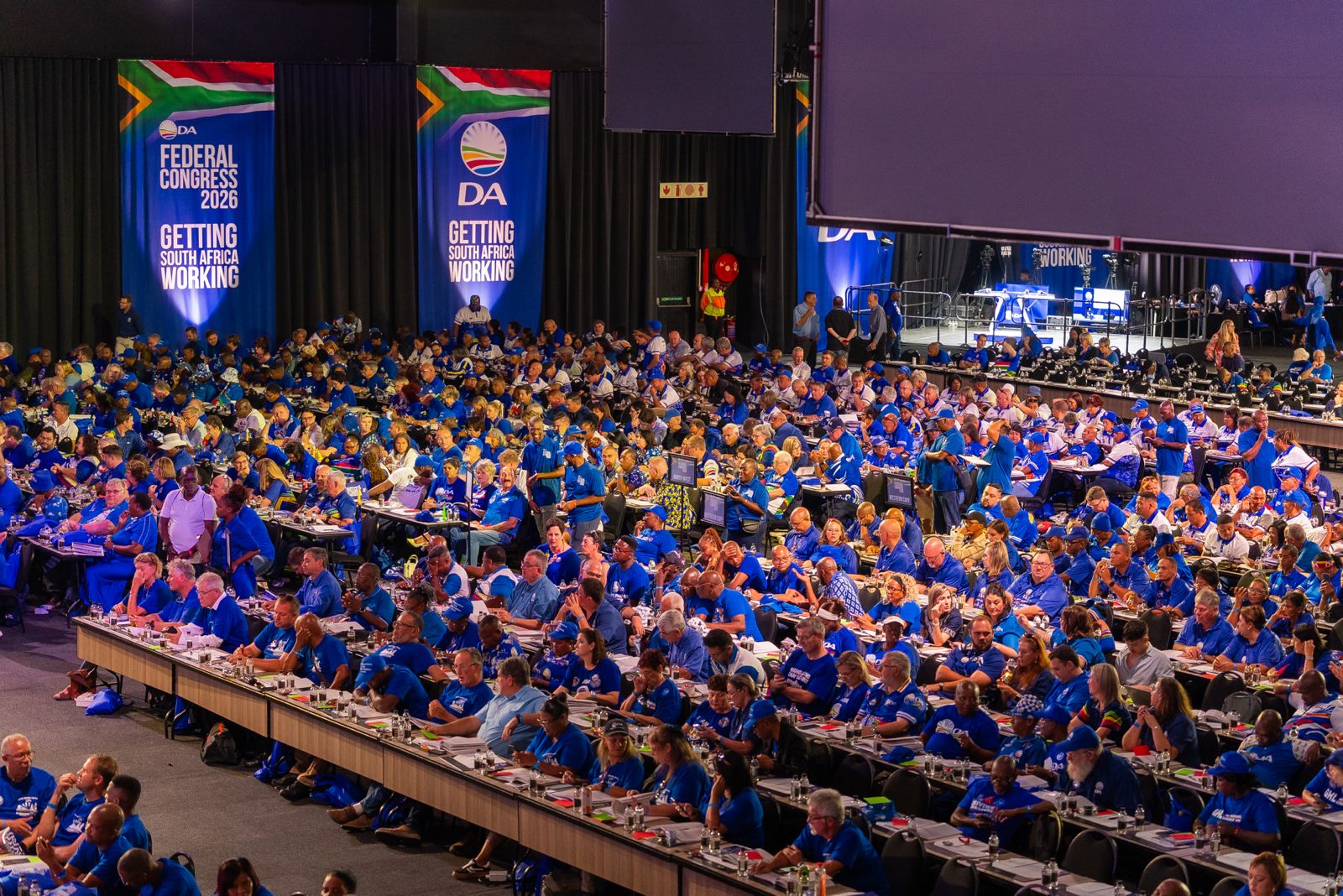
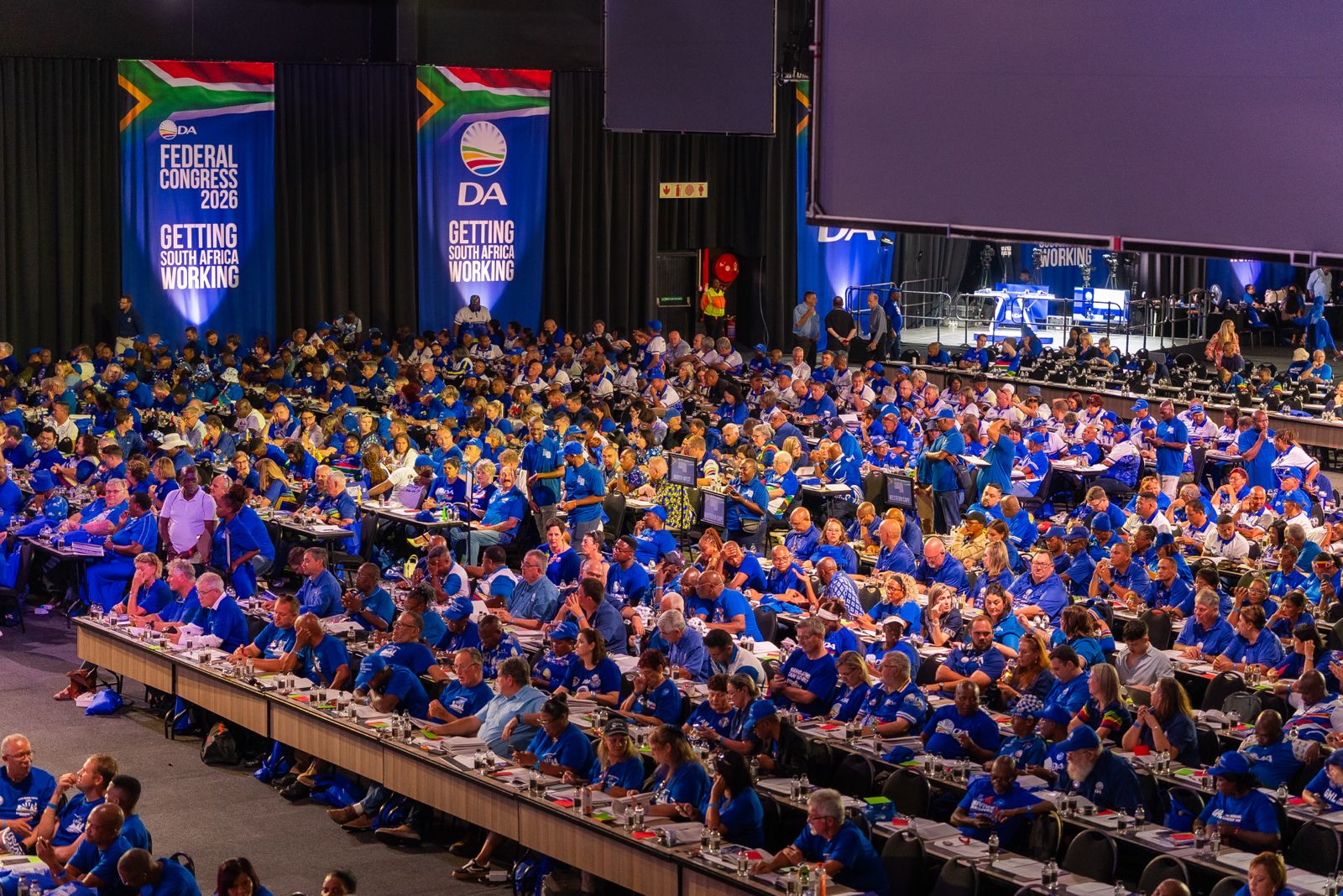
South Africa's Democratic Alliance (DA) leadership election represents a significant political development with indirect but meaningful implications for cross-border e-commerce sellers operating in or trading with the region. While the full article details remain subscription-gated, the headline signals intensifying political competition between the DA and the ruling African National Congress (ANC), which historically influences business confidence, regulatory consistency, and economic policy direction. For e-commerce sellers, political stability in South Africa matters substantially: the country serves as a regional e-commerce hub for Southern Africa, with growing online retail penetration and increasing cross-border trade flows. Leadership transitions often precede policy reviews affecting import/export regulations, VAT compliance, customs procedures, and business licensing—all critical operational factors for sellers shipping to or sourcing from South Africa.
The DA's electoral gains in recent years, particularly in urban areas and among certain demographic groups, suggest shifting consumer preferences and spending patterns. This political realignment could influence future government policies on digital commerce, consumer protection regulations, and e-commerce taxation. Sellers should monitor potential policy changes regarding: (1) VAT treatment of cross-border digital services and goods, (2) customs duty classifications and tariff rates, (3) consumer protection and dispute resolution frameworks, and (4) payment processing and financial regulations affecting e-commerce transactions. South Africa's e-commerce market, valued at approximately $3-4B annually with 15-20% year-over-year growth, represents meaningful opportunity for sellers in fashion, electronics, home goods, and beauty categories—but only if regulatory environment remains predictable.
The leadership election also reflects broader consumer sentiment about governance and economic direction. Political uncertainty can suppress consumer spending temporarily, while policy clarity under new leadership can stimulate demand. Sellers should assess their South Africa exposure: those with significant inventory, fulfillment operations, or customer bases in South Africa face potential short-term volatility but longer-term opportunity if new leadership implements pro-business policies. The subscription-gated nature of the original Financial Times article limits access to specific policy proposals from the new DA leader, creating information asymmetry that savvy sellers should address through direct monitoring of South African business news, regulatory announcements, and market sentiment indicators.
Questions 8
Should sellers adjust inventory or operations based on this political news?
Sellers with significant South Africa exposure should conduct a risk assessment within 30 days: (1) Review current inventory levels and fulfillment commitments; (2) Monitor regulatory announcements from SARS and South African government websites; (3) Evaluate 3PL provider stability and contingency plans; (4) Assess customer concentration and payment processing reliability. Short-term (0-90 days): maintain current operations but increase monitoring frequency. Medium-term (3-6 months): adjust inventory based on emerging policy clarity and consumer confidence trends. Avoid major capital commitments until new leadership's policy direction becomes clear, typically 120-180 days after taking office.
What product categories show strongest demand in South Africa's e-commerce market?
Fashion, electronics, home goods, and beauty products represent the strongest-performing categories in South Africa's e-commerce market, driven by urban consumer preferences and growing middle-class purchasing power. The DA's electoral gains in urban areas indicate these demographic segments have higher online shopping adoption rates. Fashion represents approximately 25-30% of e-commerce sales, electronics 20-25%, home goods 15-20%, and beauty 10-15%. Sellers should prioritize these categories when evaluating South Africa market entry or expansion, particularly products targeting urban professionals aged 25-45 with disposable income for discretionary purchases.