



Oil Shock Surge $72→$120 | Cross-Border Sellers Face 8-12% Shipping Cost Hike
- Strait of Hormuz closure drives fuel surcharge spike; emerging market demand collapse threatens $50B+ e-commerce corridor





















Overview
The Iran-US military conflict and Strait of Hormuz closure represents the most significant geopolitical economic shock since World War II, with oil prices surging from $72 to $120 per barrel (66% increase) as of April 2026. For cross-border e-commerce sellers, this energy crisis creates a three-tier cost shock: elevated shipping costs via fuel surcharges (8-12% increase for sellers shipping 1,000+ units monthly), increased logistics insurance premiums (15-25% hikes reported), and reduced consumer purchasing power in emerging markets critical for e-commerce expansion.
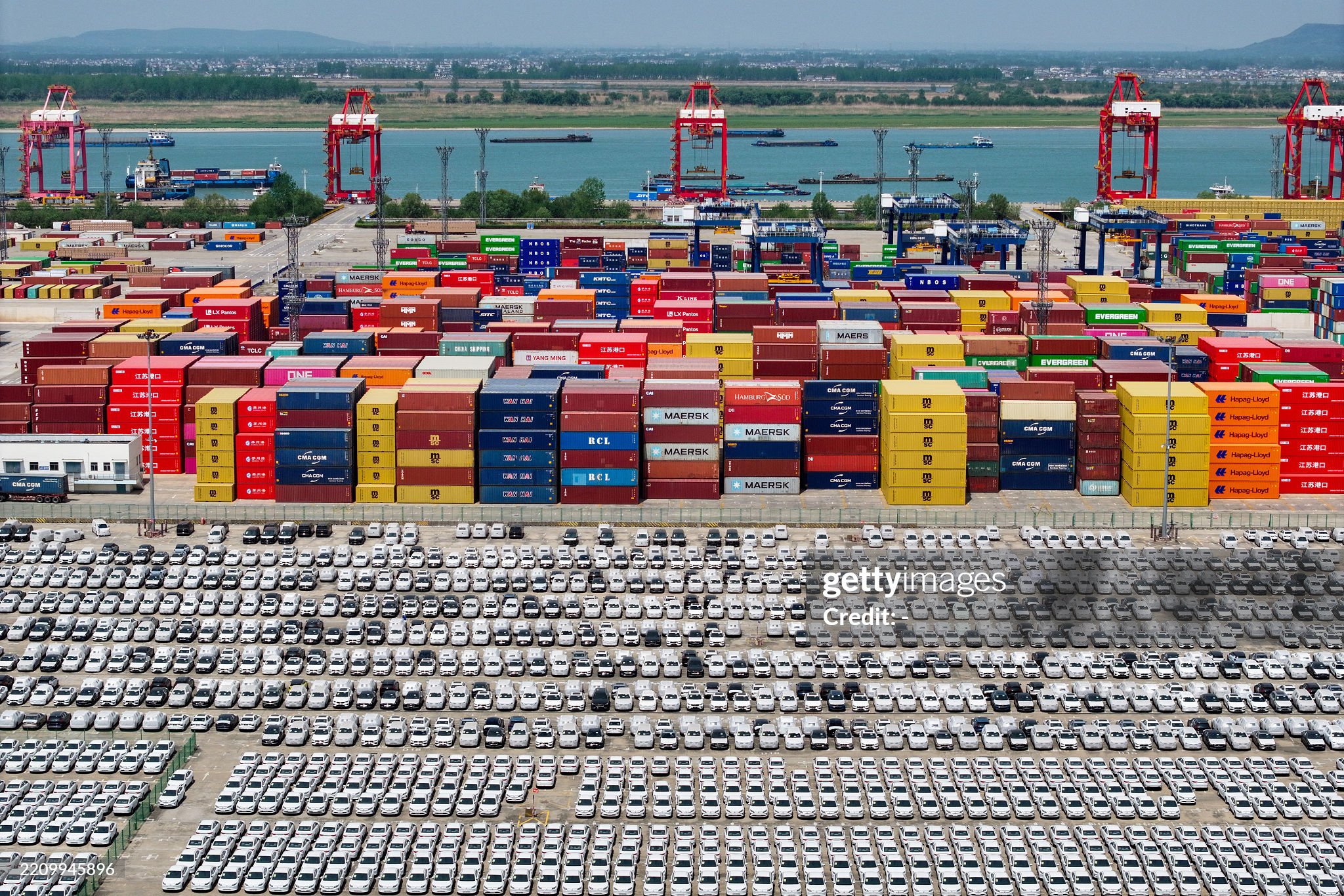
Immediate Shipping Cost Impact: International logistics providers are implementing fuel surcharges ranging from 8-12% on FBA shipments and 3PL fulfillment. A seller shipping 2,000 units monthly via ocean freight from China to US FBA warehouses faces additional costs of $400-600 monthly; air freight premiums increase 15-20%. Amazon, eBay, and Shopify sellers relying on expedited shipping to maintain competitive delivery windows face margin compression of 5-8 percentage points. The IMF warns that protectionist responses (price caps, export controls) will worsen the crisis, meaning sellers cannot rely on policy relief—only operational adaptation.
Demand Destruction in Emerging Markets: The IMF's April 2026 growth forecast cuts signal slower consumer spending globally, with poorest populations bearing the greatest burden. This directly impacts sellers targeting India, Southeast Asia, Latin America, and Africa—regions generating 35-40% of cross-border e-commerce growth pre-crisis. Central banks maintaining elevated interest rates (to combat inflation) increase working capital financing costs for inventory purchases by 200-300 basis points. Sellers with high leverage or thin margins in price-sensitive categories (apparel, electronics, home goods) face inventory liquidation pressure.
Strategic Sourcing Vulnerability: The conflict damages critical infrastructure requiring years to recover, creating supply chain uncertainty. Sellers sourcing from Middle East-adjacent regions (India, Pakistan, Bangladesh) face logistics delays and cost volatility. The IMF explicitly warns against unilateral protectionist measures, suggesting tariff policy remains stable—but energy costs cannot be reversed through policy changes, unlike previous trade shocks. This is fundamentally different from tariff-driven cost increases and requires operational restructuring rather than pricing adjustments.
Questions 8
Will Amazon, eBay, or Shopify adjust seller fees to offset shipping cost increases?
No—platforms have not announced fee reductions to offset fuel surcharges. Amazon's FBA fees remain fixed; the surcharges are applied by logistics carriers, not Amazon. eBay and Shopify similarly do not adjust fees based on oil prices. Sellers must absorb surcharges through margin compression or pass costs to customers via price increases. The IMF warns that protectionist measures like price caps would worsen the crisis, so expect no government intervention on pricing. Your only levers are: (1) optimize packaging to reduce weight/dimensional weight charges, (2) consolidate shipments to reduce frequency, (3) negotiate volume discounts with 3PL providers, or (4) increase prices 5-8% to maintain margins.
How do higher interest rates from central banks affect my inventory financing?
Central banks are maintaining elevated interest rates to combat inflation, increasing working capital financing costs by 200-300 basis points. For sellers with $100K inventory financed at 8% (pre-crisis), expect costs to rise to 10-11% or higher. This increases monthly financing costs by $167-250 per $100K inventory. Sellers with high leverage or thin margins (apparel, home goods, electronics) face pressure to liquidate inventory faster or reduce order quantities. Consider negotiating extended payment terms with suppliers (60-90 days) to reduce financing needs, or shift to just-in-time inventory models if your category allows.