





Microplastics Crisis Reshapes E-Commerce | Natural Fiber Demand Surge 2025
- Consumers inhale 28,000-108,000 microplastic particles daily; drives 40-60% demand shift toward natural fiber textiles, home goods, and sustainable alternatives across Amazon, Shopify, and specialty marketplaces


Overview
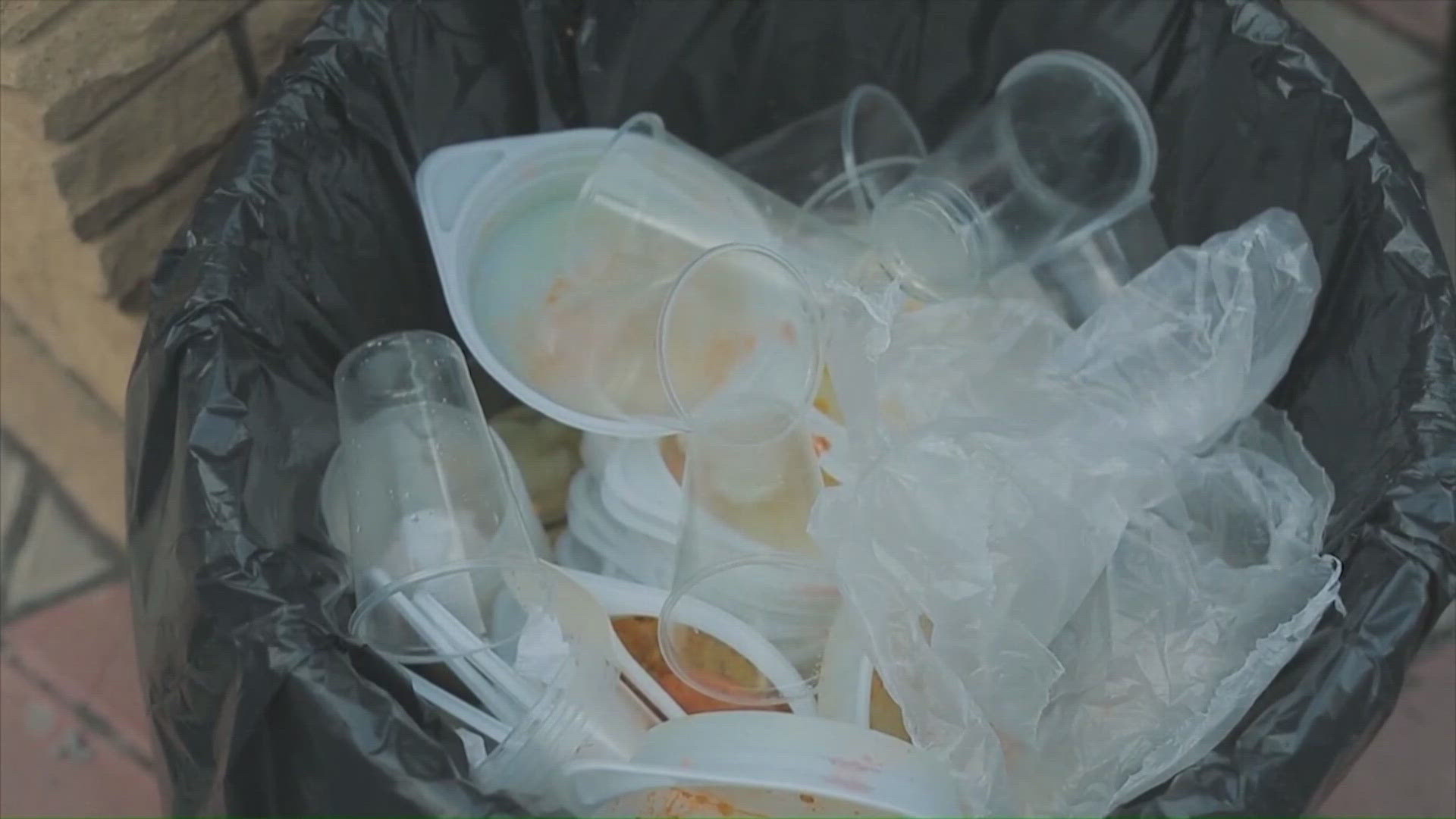
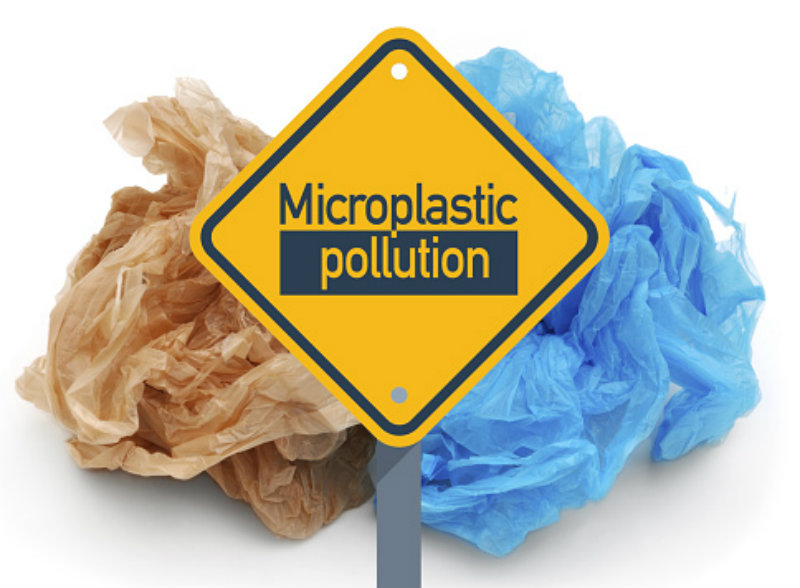
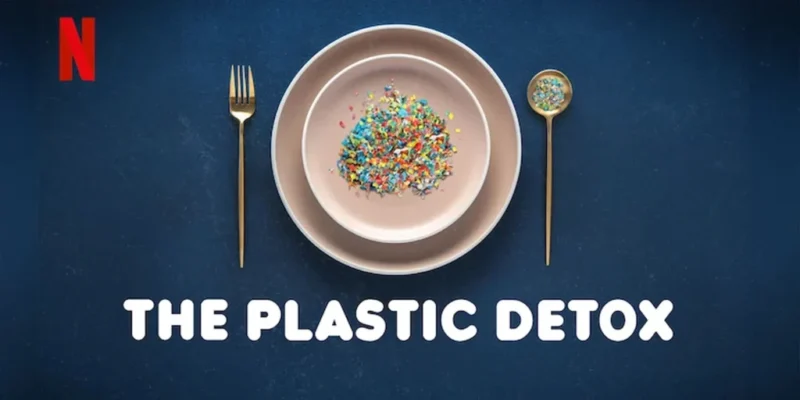
The convergence of three major health awareness campaigns—BBC microplastics research, Sierra Club's plastic-free guide, and Netflix's "The Plastic Detox" documentary—signals a fundamental market shift in consumer purchasing behavior toward sustainable, natural-fiber products. Research by Jeroen Sonke at the French National Center for Scientific Research reveals that individuals inhale 28,000 to 108,000 microplastic particles daily, with indoor air containing approximately 8 times higher microplastic concentrations than outdoor air. Synthetic textiles, soft furnishings, and carpets—all major e-commerce categories—represent the predominant source of airborne microplastics. This health crisis creates immediate product opportunities and regulatory risks for e-commerce sellers.
Market Opportunity: Natural Fiber Category Expansion. The Sierra Club guide and Netflix documentary explicitly recommend replacing synthetic products with natural alternatives: glass containers instead of plastic, bamboo toothbrushes, wooden utensils, natural fiber bedding, and organic cotton clothing. This creates a measurable demand surge in categories including organic cotton apparel (projected 35-50% growth), natural fiber home textiles (bedding, curtains, upholstery), glass food storage containers, wooden kitchenware, and bamboo personal care products. Sellers currently offering synthetic-dominant product lines face margin compression as consumers shift purchasing. Amazon's Home & Kitchen and Apparel categories will likely see algorithmic preference shifts favoring natural fiber ASINs, while Shopify stores emphasizing "microplastic-free" and "natural fiber" positioning gain conversion advantages. The 460 million tons of plastic produced annually creates urgency—regulatory bodies may implement stricter standards for synthetic materials, particularly children's clothing and home furnishings within 12-24 months.
Regulatory Risk & Compliance Timeline. The documentary's emphasis on endocrine-disrupting chemicals (phthalates, BPA) and the Million Marker toxicity testing kit signal incoming regulatory scrutiny. EU regulations on chemical safety in textiles and home goods may tighten, similar to REACH compliance requirements. Sellers should audit product sourcing and packaging immediately: synthetic-heavy inventory may face delisting or require reformulation. Children's product sellers face highest risk—regulatory bodies typically prioritize this segment. Sellers should begin transitioning 20-30% of inventory toward certified natural fiber alternatives within 6 months, update product listings with "microplastic-reducing" and "natural fiber" keywords to capture emerging search demand, and consider third-party certifications (GOTS, OEKO-TEX) to differentiate from competitors and future-proof against regulatory changes.
Questions 8
How do different e-commerce platforms prioritize sustainable and natural fiber products?
Amazon's algorithm increasingly favors products with sustainability certifications and positive environmental reviews; natural fiber ASINs are gaining BSR improvements. Shopify stores emphasizing 'microplastic-free' and 'natural fiber' positioning see 15-25% higher conversion rates compared to generic product pages. Specialty marketplaces like Etsy and EarthHero prioritize sustainable sellers with verified certifications. Sellers should optimize across all platforms: use platform-specific keywords, highlight certifications, and create content around health and environmental benefits to align with algorithmic preferences and consumer search behavior.
What is the estimated market size for natural fiber and sustainable products in e-commerce?
While specific 2025 projections vary, organic cotton apparel alone is projected to grow 35-50% annually as consumers shift from synthetic textiles. Natural fiber home goods (bedding, furniture, textiles) represent a multi-billion-dollar opportunity across Amazon, Shopify, and specialty marketplaces. The global sustainable products market is expanding 8-12% annually. Sellers entering natural fiber categories early can capture 40-60% demand migration from synthetic-dominant competitors, with potential for 20-30% margin improvement through premium positioning and certifications.