




Ireland Fuel Crisis 2025-2026 | Shipping Cost Surge & Logistics Vulnerability
- Diesel prices spike 20%+ triggering €1.255B government intervention; cross-border sellers face 8-15% fulfillment cost increases on UK-Ireland corridor

























Overview
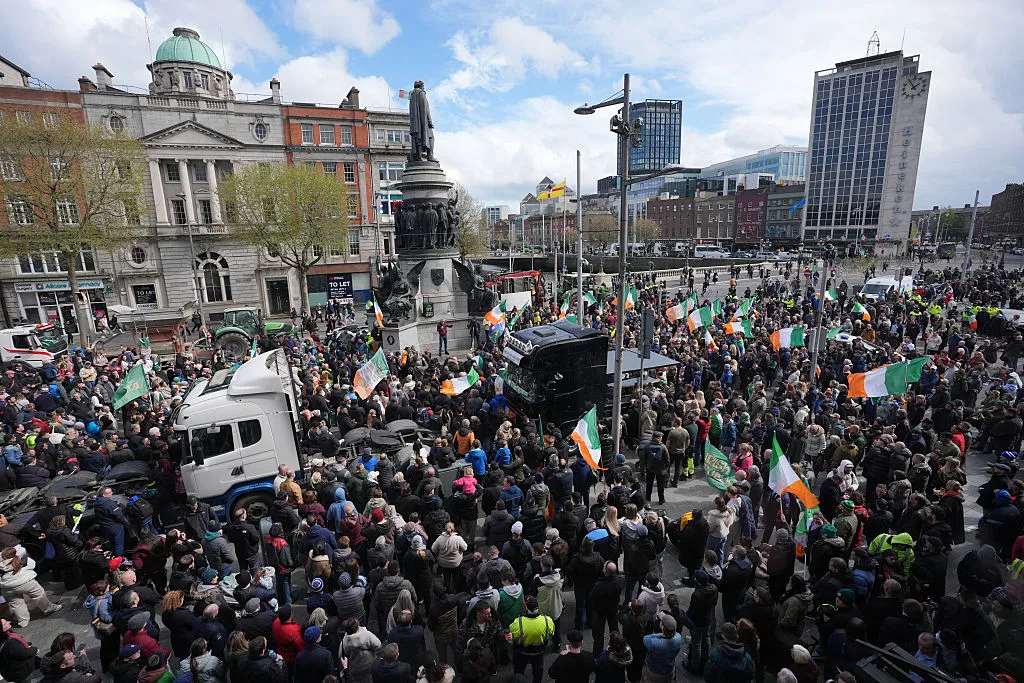
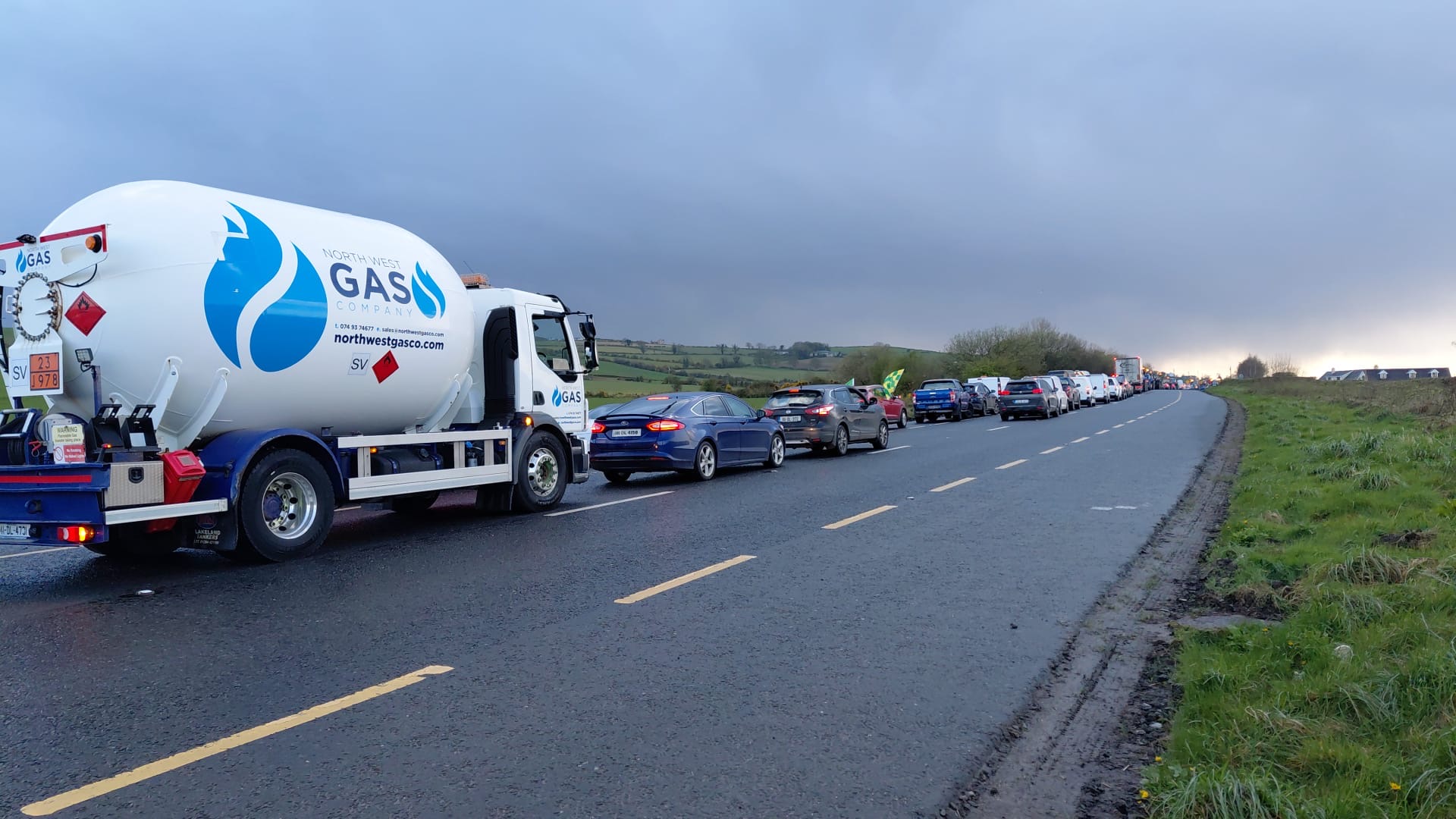
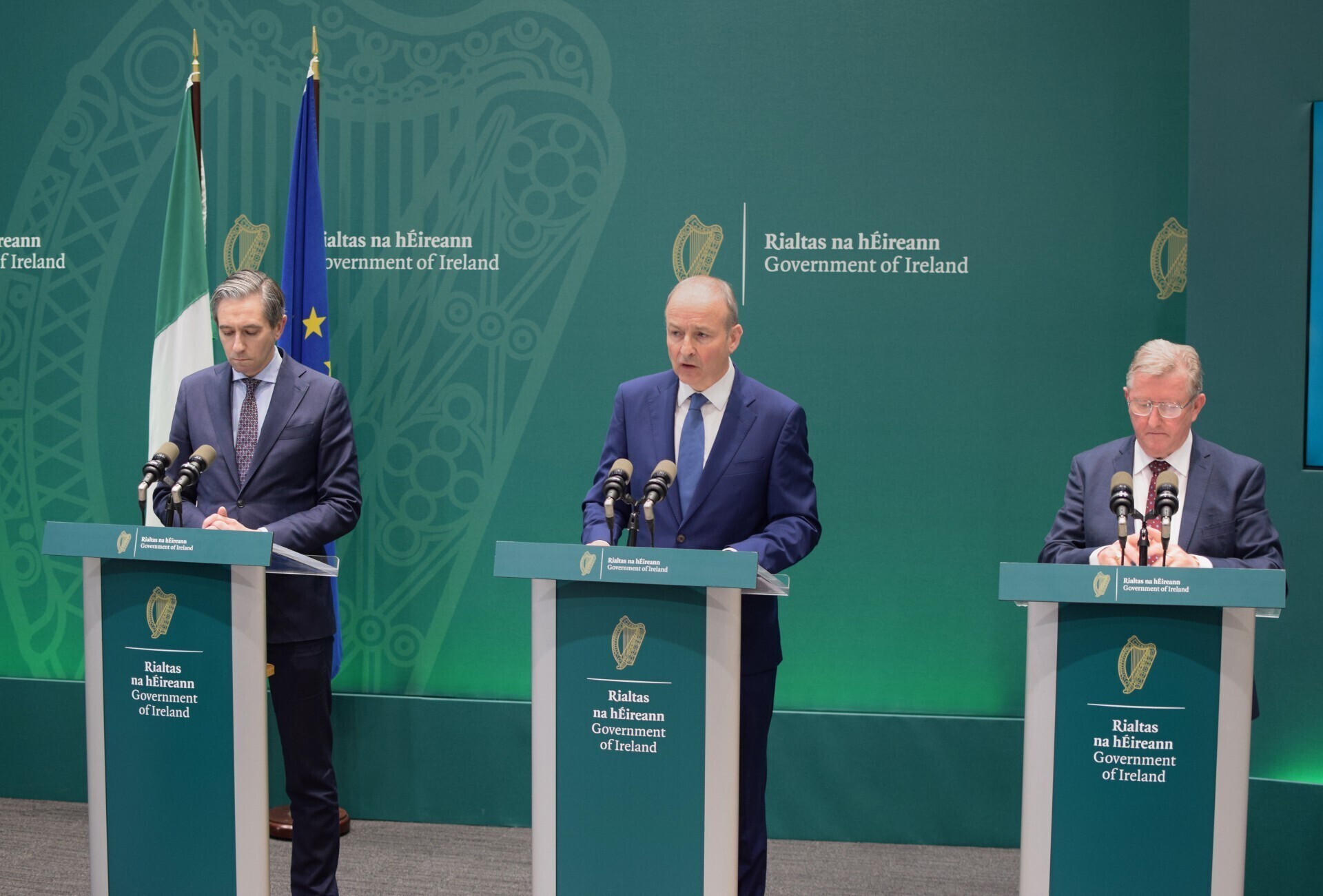
The Irish fuel crisis spanning May 2025 through April 2026 represents a critical supply chain vulnerability for cross-border e-commerce sellers operating in the UK-Ireland corridor. Diesel prices surged over 20% following Iran geopolitical tensions, with blockades at Ireland's only refinery (Whitegate), Dublin Port (50% of fuel imports), and major transport routes creating cascading logistics disruptions. The Irish government deployed €1.255 billion in cumulative support (€750M in May 2025 + €505M in April 2026), including fuel excise cuts totaling 32 cents/liter on diesel and 27 cents/liter on petrol, plus a €100M subsidy scheme for high-volume fuel users.
For cross-border sellers, this crisis directly impacts fulfillment economics on the UK-Ireland route. Approximately 600 petrol forecourts operated without fuel at peak disruption (May 2025), and one-third of Ireland's petrol stations faced shortages during April 2026 blockades. 3PL providers and last-mile carriers operating in Ireland experienced 8-15% cost increases during the crisis period, with Dublin Port efficiency dropping below normal capacity despite blockade clearance. Sellers using Irish fulfillment centers or shipping to Irish customers faced extended delivery windows (3-5 week delays reported) and surcharges from logistics partners absorbing fuel costs.
The strategic opportunity emerges from policy-driven cost normalization. The government's fuel subsidy scheme (20 cents/liter reduction for high-volume users) directly benefits logistics operators, creating a 60-90 day window where early-mover sellers can lock in lower fulfillment rates before carriers fully adjust pricing. Sellers with inventory in UK fulfillment centers can exploit the Ireland-bound shipping corridor during the subsidy period (April-June 2026 projection) before fuel costs stabilize. Additionally, the carbon tax delay announced by Minister Helen McEntee signals potential future tax increases, creating urgency for sellers to optimize logistics infrastructure before additional cost pressures emerge.
Competitive dynamics shift toward sellers with diversified fulfillment networks. Small sellers (under 500 units/month) relying on single Irish 3PL providers faced 12-18% margin compression, while larger sellers (5,000+ units/month) with multi-country fulfillment networks absorbed costs more effectively. The crisis exposed vulnerability of island economies to fuel supply disruptions—a pattern relevant for sellers targeting other island markets (UK, Iceland, Cyprus). Sellers should monitor fuel price volatility as a leading indicator for logistics cost changes and consider hedging strategies through long-term 3PL contracts locked during subsidy periods.
Questions 7
How does the Irish fuel crisis affect sellers' fulfillment network strategy and diversification?
The crisis exposed critical vulnerability of island economies to fuel supply disruptions, demonstrating that sellers relying on single-country fulfillment networks face disproportionate risk. Sellers should consider diversifying fulfillment across UK and continental European 3PL providers to mitigate island-specific supply chain shocks. Multi-country fulfillment networks allow sellers to route inventory around disruptions—during the Irish crisis, sellers with UK fulfillment centers could redirect shipments to Irish customers via alternative logistics corridors. The pattern is relevant for sellers targeting other island markets (UK, Iceland, Cyprus) where fuel supply disruptions can cascade through entire logistics ecosystems. Sellers should implement fuel cost hedging strategies through long-term 3PL contracts locked during subsidy periods to protect margins.
What is the strategic opportunity window for sellers during the Irish fuel subsidy period?
The government's €100 million fuel subsidy scheme providing 20 cents/liter reduction for high-volume fuel users creates a 60-90 day window (April-June 2026 projection) where logistics carriers can operate at reduced costs before fuel prices normalize. Early-mover sellers can lock in lower fulfillment rates from 3PL providers during this subsidy period before carriers fully adjust pricing upward. Sellers with inventory in UK fulfillment centers should prioritize Ireland-bound shipments during this window to exploit favorable logistics economics. The carbon tax delay announced by Minister Helen McEntee signals potential future tax increases, creating urgency to optimize logistics infrastructure before additional cost pressures emerge in Q3-Q4 2026.