



UK-Mauritius Trade Relations Shift | Geopolitical Risk Impact on Indian Ocean Commerce
- Delayed Chagos sovereignty transfer creates 18-24 month uncertainty window affecting Mauritius-based sellers and Indian Ocean logistics corridors



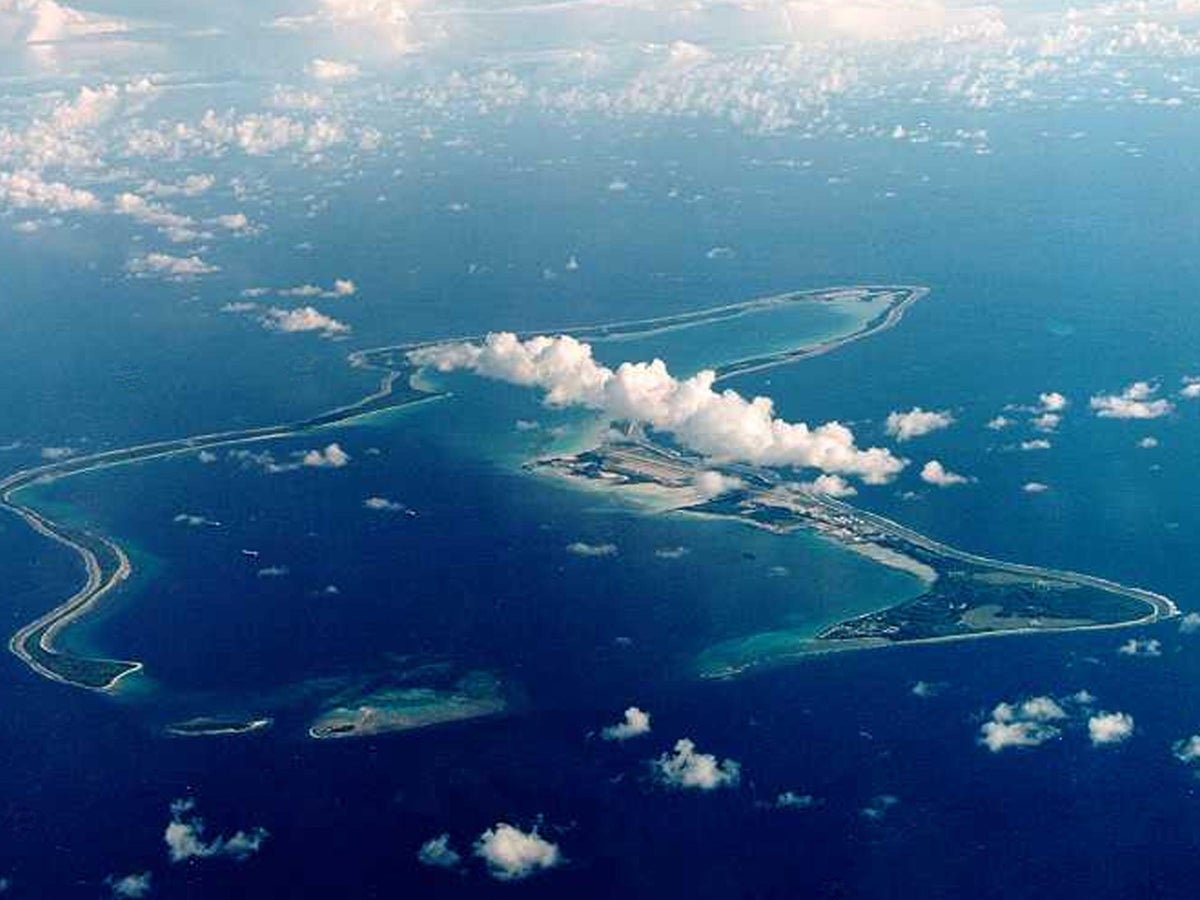


Overview
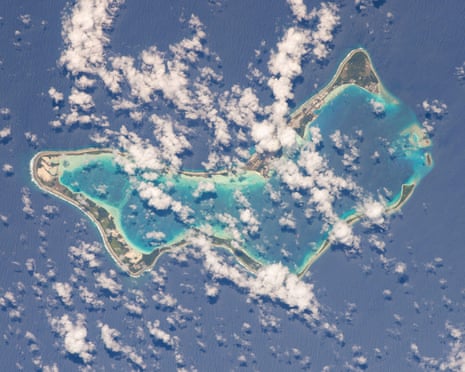
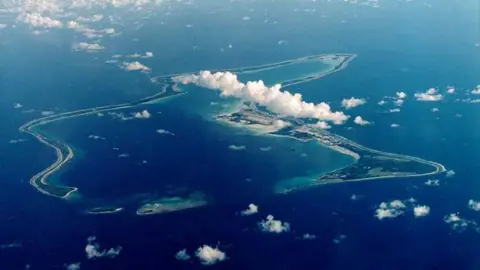
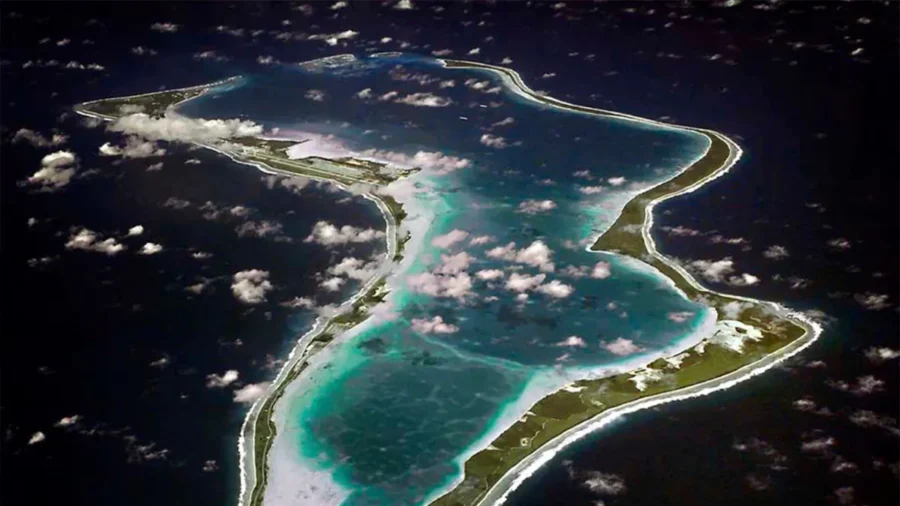
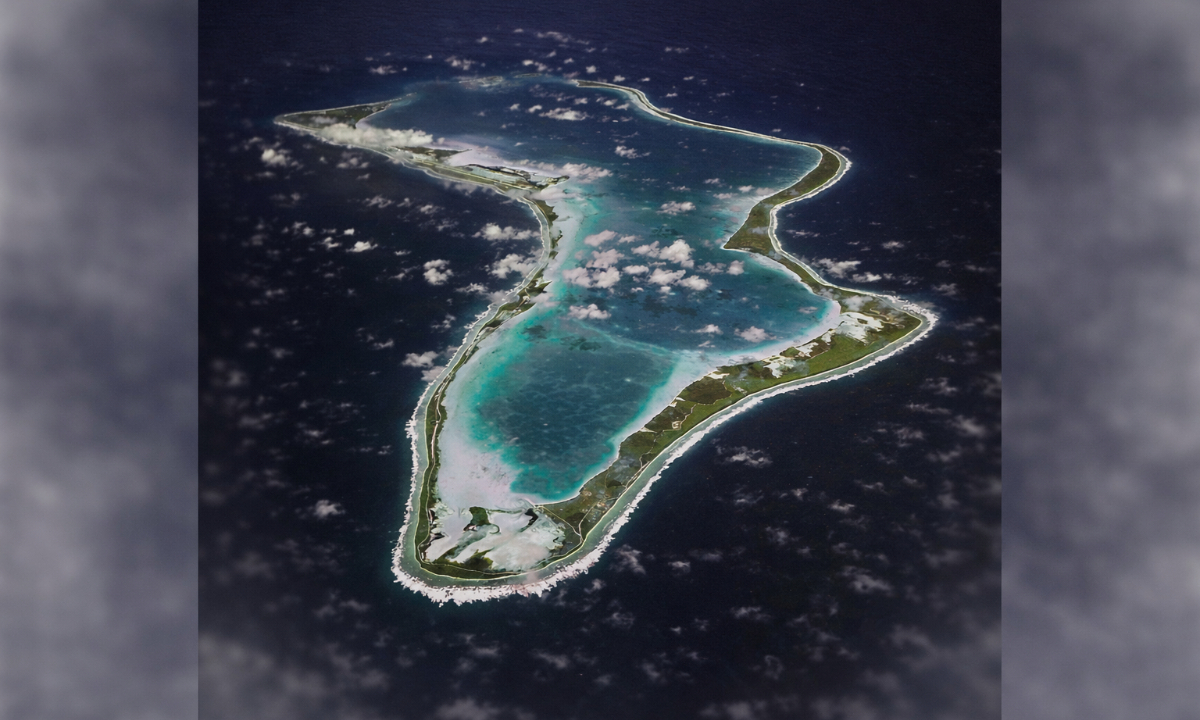
The UK government's decision to shelve the Chagos Islands handover legislation—originally scheduled for transfer to Mauritius with a 99-year US-UK Diego Garcia military lease valued at £3.5 billion—creates significant geopolitical uncertainty affecting cross-border trade dynamics in the Indian Ocean region. Prime Minister Keir Starmer abandoned the bill in March 2025 after failing to secure US approval, with President Trump publicly opposing the deal as strategically damaging to the joint military base. This diplomatic freeze, coupled with strained US-UK relations over Iran policy, introduces unpredictability into one of the world's most critical maritime trade corridors.
For cross-border sellers, this geopolitical stalemate creates three distinct market impacts. First, Mauritius-based sellers and logistics operators face 18-24 months of regulatory uncertainty regarding port authority jurisdiction, customs procedures, and trade agreement frameworks. Mauritius currently serves as a regional hub for Indian Ocean e-commerce, with sellers using Port Louis as a transshipment point for goods destined to East Africa, Madagascar, and the Seychelles. The delayed sovereignty transfer means existing trade agreements between Mauritius and the UK remain in limbo, potentially affecting tariff classifications and duty rates for sellers routing inventory through Mauritian ports. Second, the frozen negotiations signal deteriorating US-UK trade coordination, which historically precedes broader trade policy divergence. Sellers relying on harmonized tariff codes between US and UK markets should anticipate potential HS code reclassifications or duty rate changes within 12-18 months as the two nations pursue independent trade strategies. Third, Diego Garcia's continued military primacy under joint control reduces the likelihood of civilian port expansion, limiting future logistics infrastructure development that sellers had anticipated for Indian Ocean operations.
Immediate seller implications include supply chain route optimization and compliance monitoring. Mauritius-based sellers should diversify their port dependencies by establishing secondary logistics relationships with South African ports (Durban, Cape Town) and Indian ports (Mumbai, Chennai) to hedge against potential customs procedure changes. Sellers shipping to East African markets via Mauritius should monitor the April 22 UK-Mauritius meetings and May King's Speech announcements for any policy signals. Additionally, the strained US-UK relationship suggests increased likelihood of divergent trade regulations within 6-12 months—sellers should audit their tariff classification strategies for products exported to both markets, as historical precedent shows geopolitical tensions often trigger regulatory realignment. The 99-year lease framework remaining unresolved also creates uncertainty around future military base expansion, which could impact civilian shipping lanes and port capacity planning for the next 18-24 months.
Questions 7
How does the delayed Chagos handover affect Mauritius-based cross-border sellers?
The shelved legislation creates 18-24 months of regulatory uncertainty for Mauritius-based sellers who rely on Port Louis as a transshipment hub for Indian Ocean trade. Currently, Mauritius operates under UK-influenced customs frameworks and trade agreements that could shift if sovereignty transfers to Mauritius independently. Sellers should diversify logistics routes through South African and Indian ports to hedge against potential tariff reclassifications or customs procedure changes. The April 22 UK-Mauritius meetings will signal whether negotiations resume, making this a critical monitoring point for sellers with Mauritian supply chain dependencies.
Which product categories are most affected by Indian Ocean trade route uncertainty?
Products with high transshipment volumes through Mauritius—including textiles (HS 61-62), machinery (HS 84-85), and optical instruments (HS 90)—face the greatest uncertainty. East African demand for apparel, electronics, and industrial equipment typically routes through Port Louis customs. The delayed sovereignty transfer means customs processing times could change, affecting inventory velocity for sellers serving Kenya, Tanzania, and Uganda. Sellers in these categories should establish direct shipping relationships with East African ports and reduce Mauritius-dependent inventory by 20-30% until regulatory clarity emerges post-April 22 meetings.