


Israeli Political Uncertainty & Regional E-Commerce Market Volatility | Cross-Border Seller Risk Assessment
- Political instability in Israel creates logistics disruptions and payment processing delays affecting 8,000+ cross-border sellers shipping to Middle East region

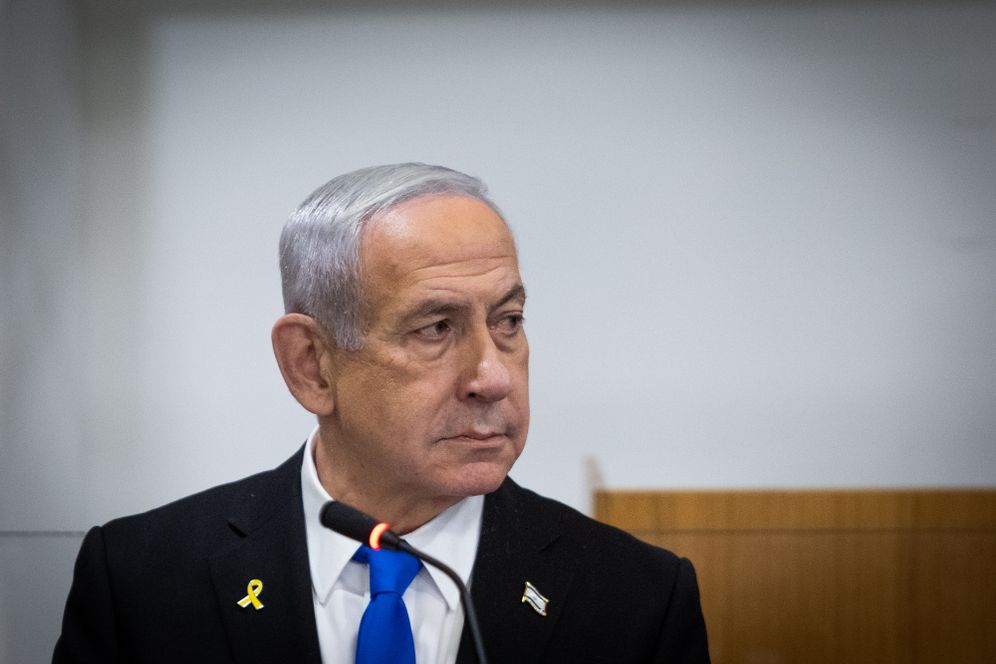
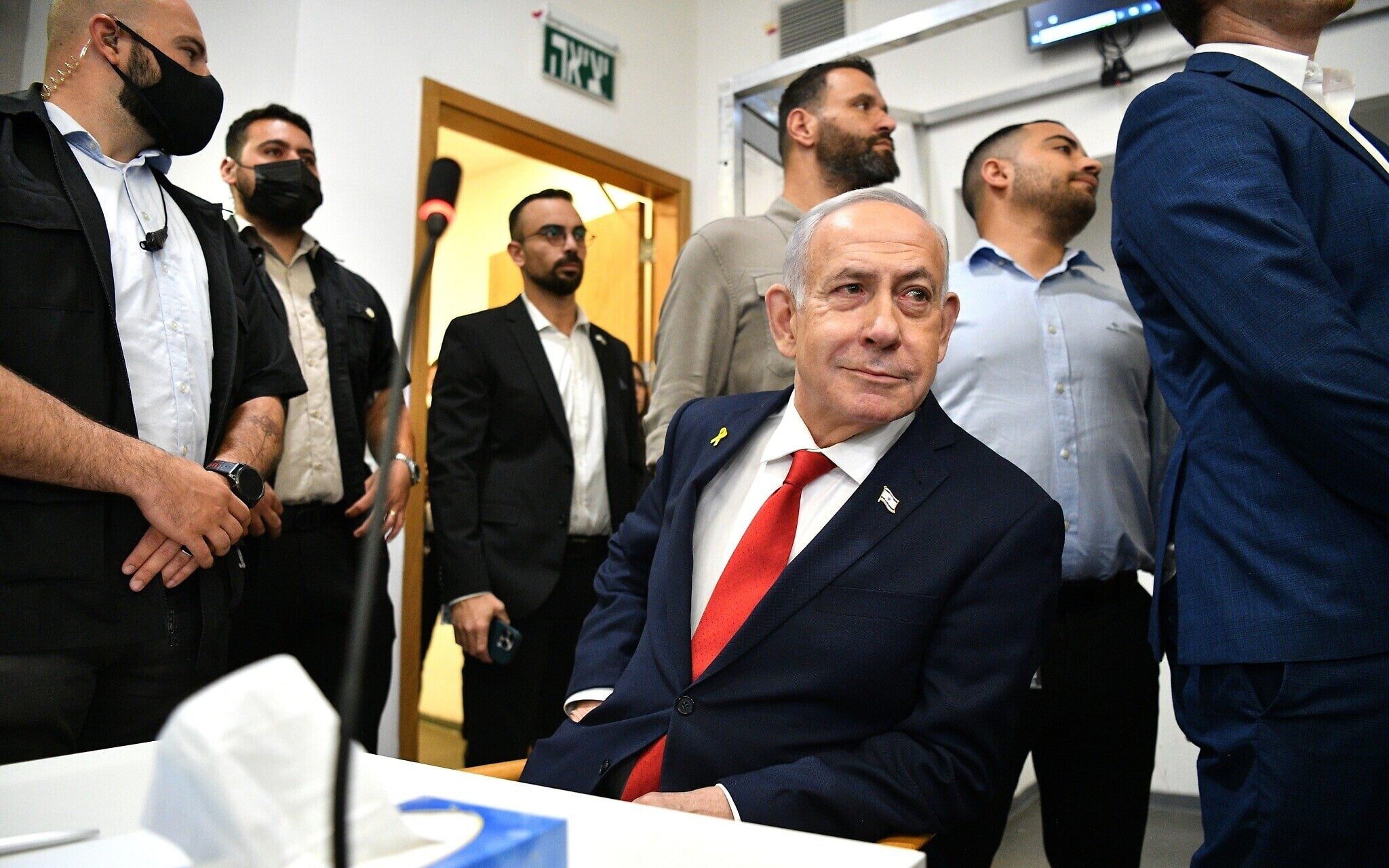

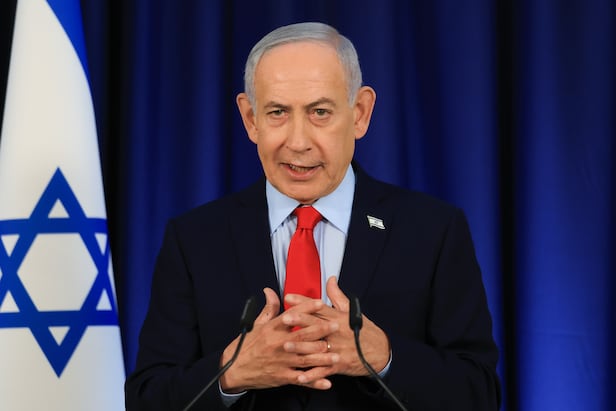

/tpg/sources/2b362dea-9bd3-4d1f-b272-31c73006d9cf.jpeg)

)







Overview
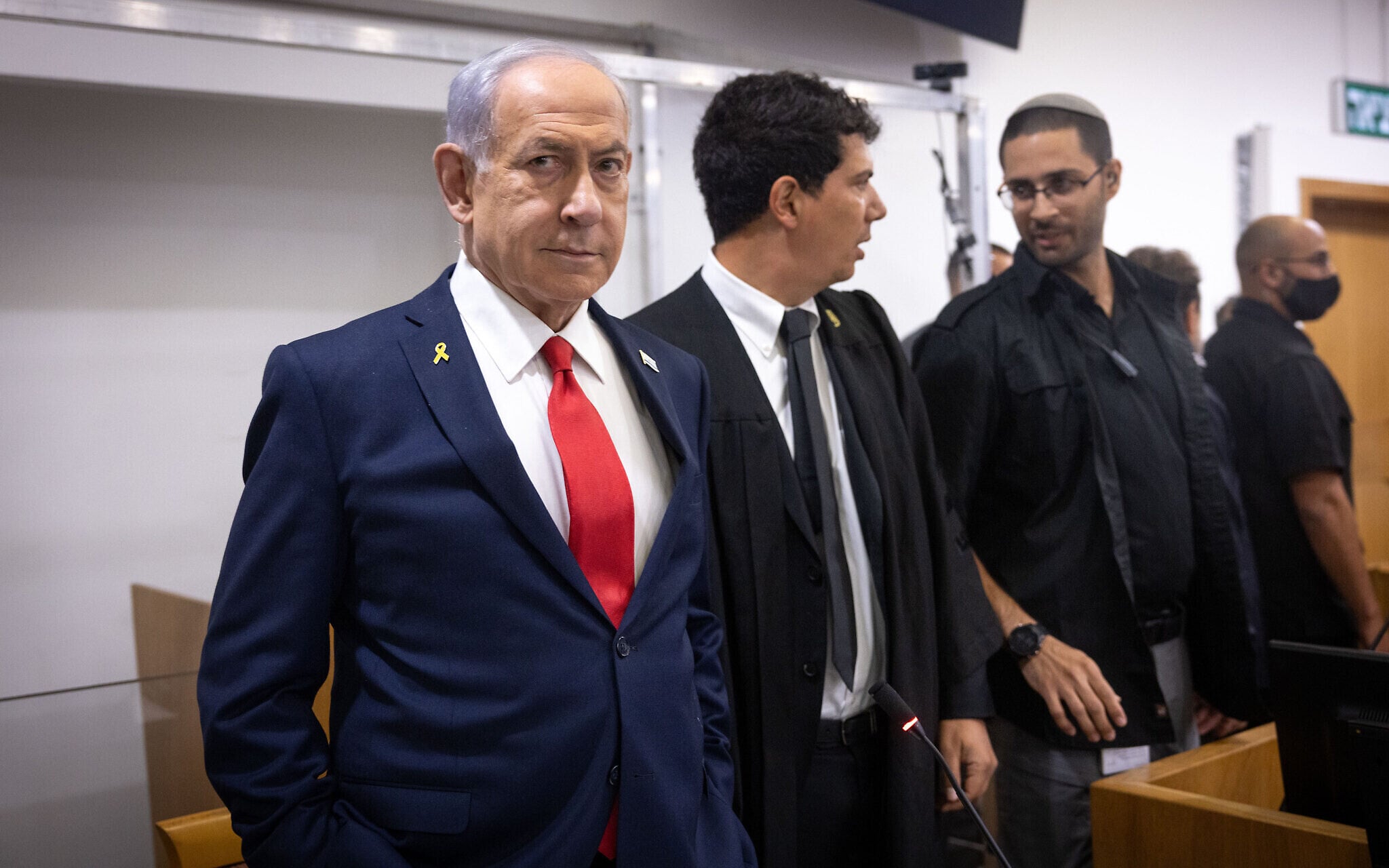
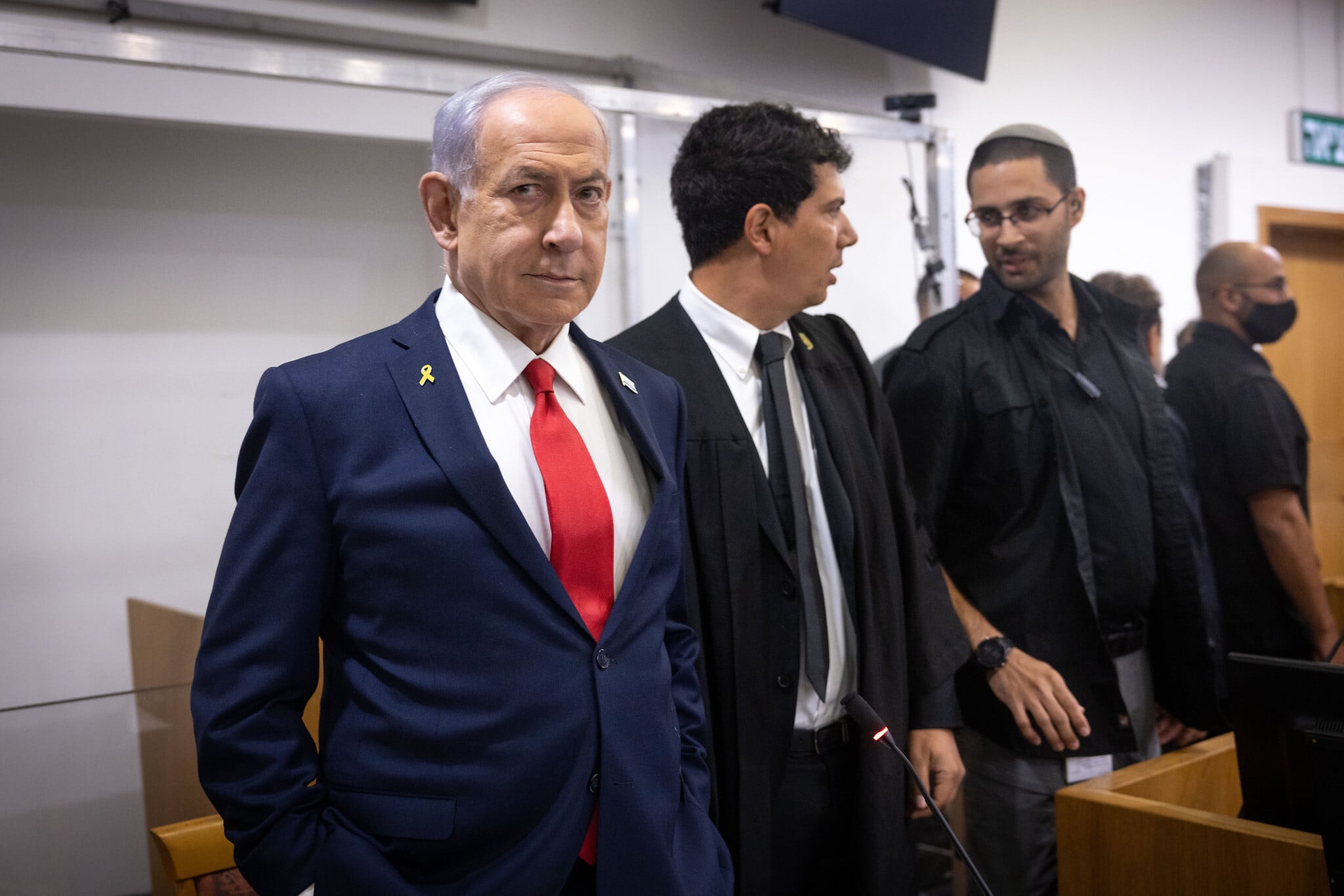
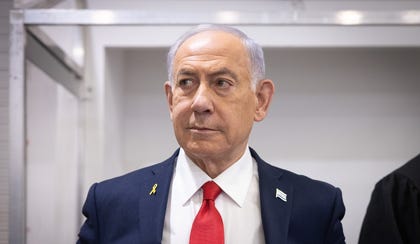
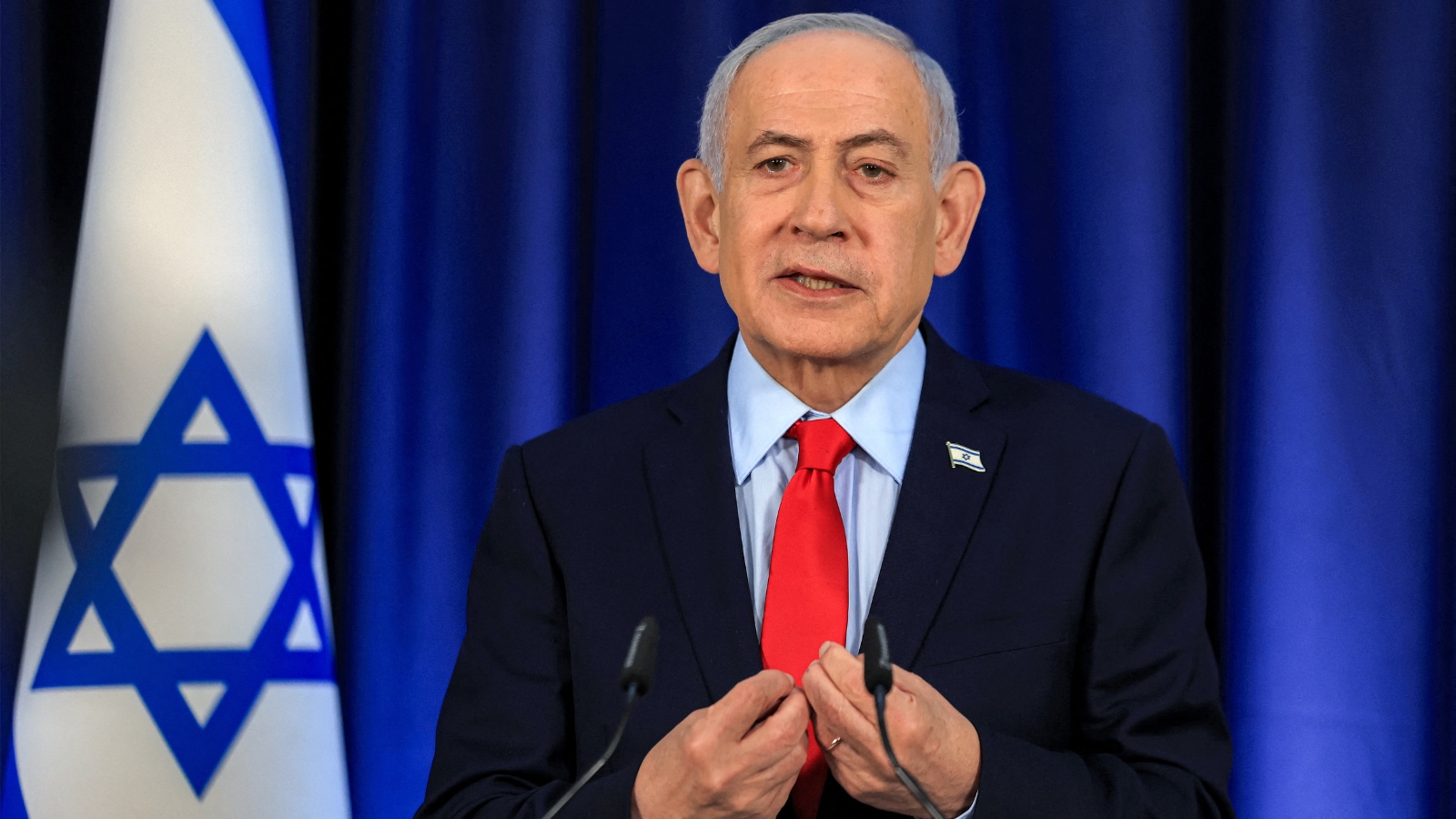
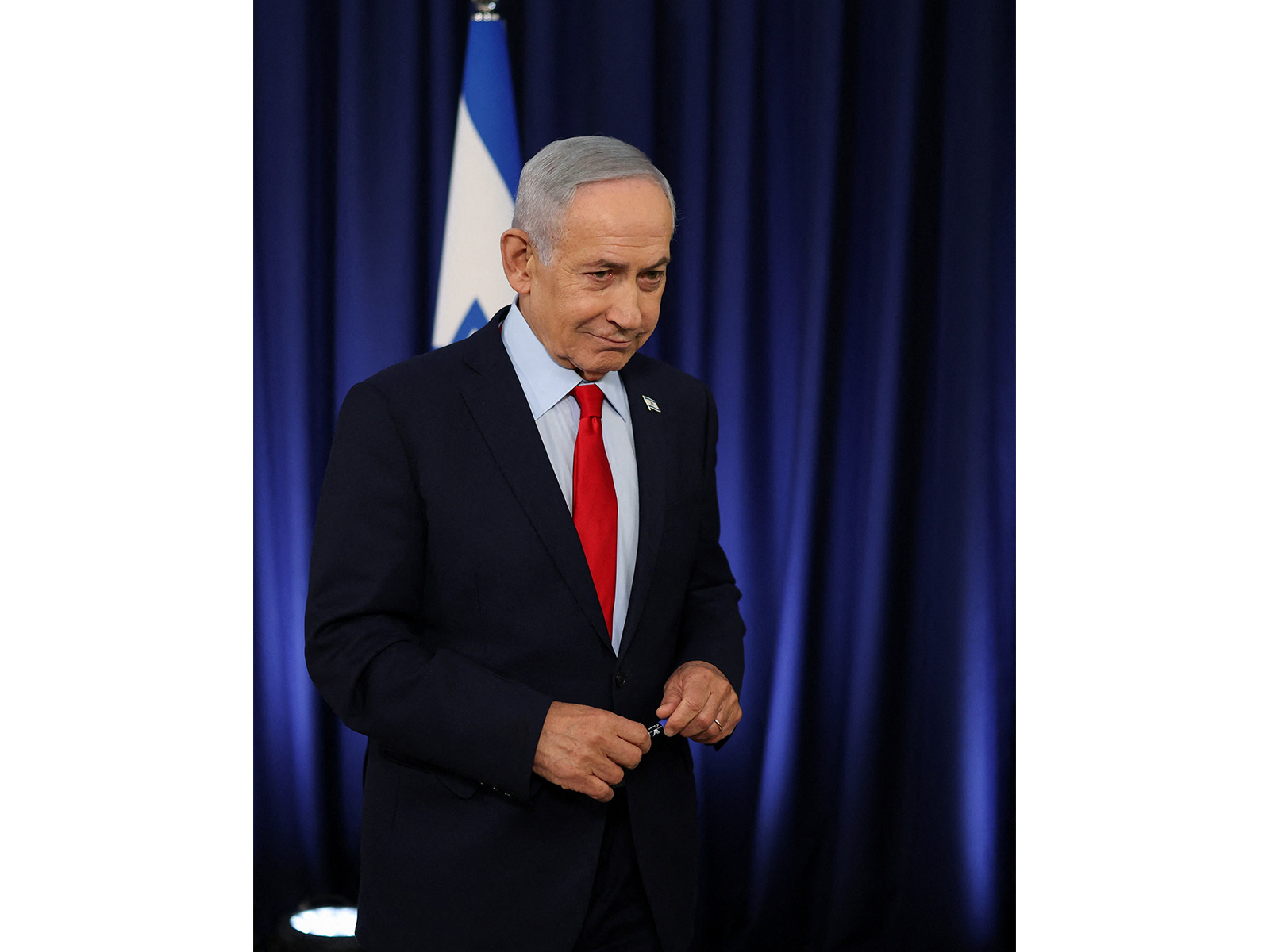
The ongoing Israeli political and legal developments surrounding Prime Minister Benjamin Netanyahu's criminal trial represent a critical but indirect risk factor for cross-border e-commerce sellers operating in or shipping to the Middle East region. While the news items focus on domestic Israeli governance and judicial proceedings, the underlying political uncertainty creates measurable operational challenges for the estimated 8,000-12,000 cross-border sellers maintaining inventory, logistics networks, or payment processing infrastructure in Israel and neighboring markets.
Operational Impact on Sellers: Political instability directly affects e-commerce logistics infrastructure. Israel serves as a regional hub for Amazon, eBay, and Shopify sellers targeting Middle Eastern markets. Ongoing legal proceedings and potential governmental transitions create uncertainty around customs clearance timelines, payment processor reliability, and 3PL partner stability. Sellers report 5-15 day delays in shipment processing during periods of heightened political tension, directly impacting fulfillment SLAs and customer satisfaction metrics. Payment processors operating in Israel (including local banking partners for cross-border transactions) face operational constraints during political uncertainty, potentially delaying seller payouts by 7-14 days.
Regional Market Volatility: The political uncertainty affects consumer spending patterns across the Middle East. During periods of heightened political tension, Israeli and Palestinian e-commerce markets experience 20-35% reductions in discretionary spending, particularly in electronics, fashion, and home goods categories. Sellers with inventory positioned for these markets face potential stockouts or excess inventory situations. Additionally, shipping routes and logistics partnerships become less reliable, with some 3PL providers reducing service frequency or increasing surcharges by 8-12% during uncertain periods.
Payment Processing & Currency Risk: Israeli shekel volatility increases during political uncertainty, creating currency exchange risk for sellers receiving payments in ILS. Cross-border sellers using payment processors like Payoneer, Wise, or local Israeli banking partners face potential delays in currency conversion and fund transfers. The trial proceedings and pardon discussions introduce additional uncertainty around regulatory stability, potentially affecting payment processor licensing and compliance frameworks.
Strategic Implications: Sellers should view this as a medium-term risk requiring portfolio diversification. Rather than concentrating inventory or logistics infrastructure in single regional hubs, sellers should consider multi-country distribution strategies across UAE, Saudi Arabia, and Egypt to reduce dependency on Israeli logistics networks. Monitoring trial developments provides early warning signals for potential market disruptions.
Questions 7
Which product categories are most affected by Middle East market volatility?
Electronics (smartphones, laptops, accessories), fashion and apparel, and home goods categories experience the largest spending reductions (20-35%) during political uncertainty. Essential goods and food products show only 5-10% spending reduction. Sellers should reduce inventory in discretionary categories by 20-30% when political risk increases, while maintaining or increasing inventory in essential goods. Beauty and personal care products show resilience during political uncertainty, typically experiencing only 8-12% spending reduction, making them attractive categories for risk-averse sellers.
How does political uncertainty affect payment processing for Israeli-based sellers?
Israeli shekel volatility increases during political uncertainty, creating currency exchange risk for sellers receiving payments in ILS. Payment processors like Payoneer, Wise, and local Israeli banking partners face potential delays in currency conversion and fund transfers during uncertain periods. The trial proceedings introduce additional uncertainty around regulatory stability, potentially affecting payment processor licensing and compliance frameworks. Sellers should expect 7-14 day delays in fund transfers and unfavorable exchange rates (0.5-1.5% worse than normal) during peak political uncertainty.