


JBS Beef Labor Deal 2026 | Supply Chain Cost Surge for Food E-Commerce Sellers
- 33% wage increase agreement affects 3,800 workers at facility processing 8% of US beef supply; input costs rising through April 2028 for meat product sellers and food logistics operators
























Overview
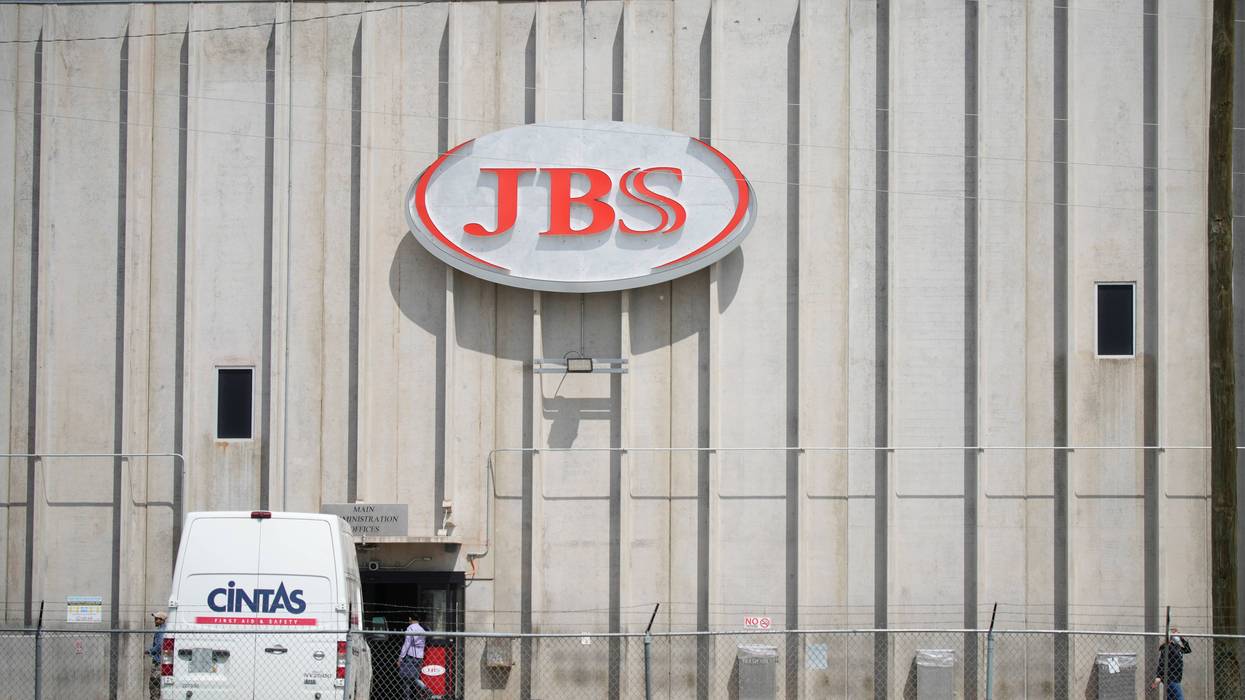
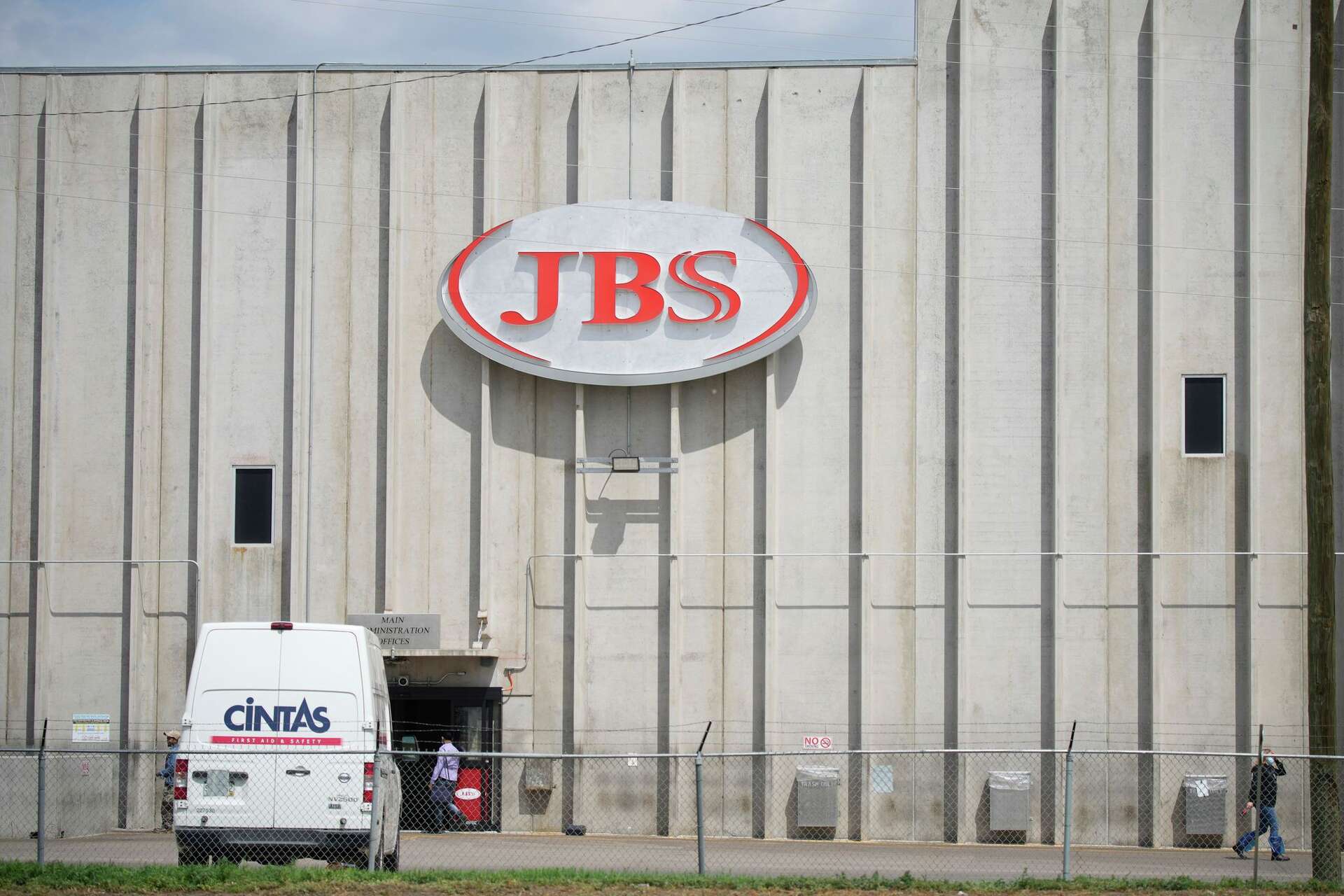
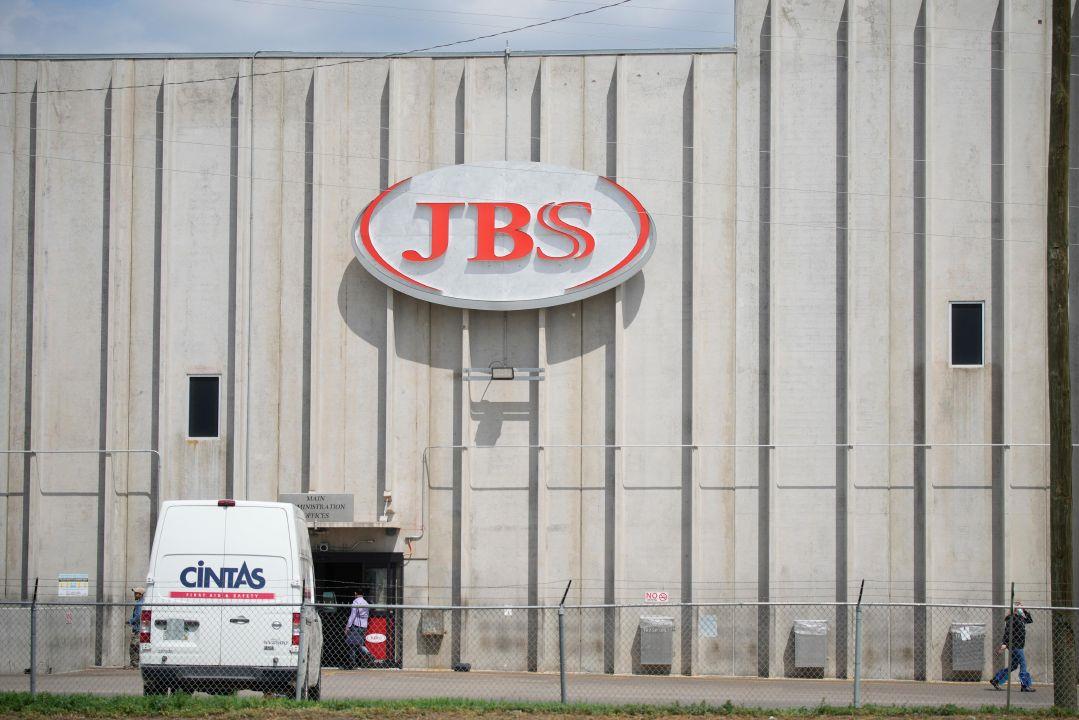
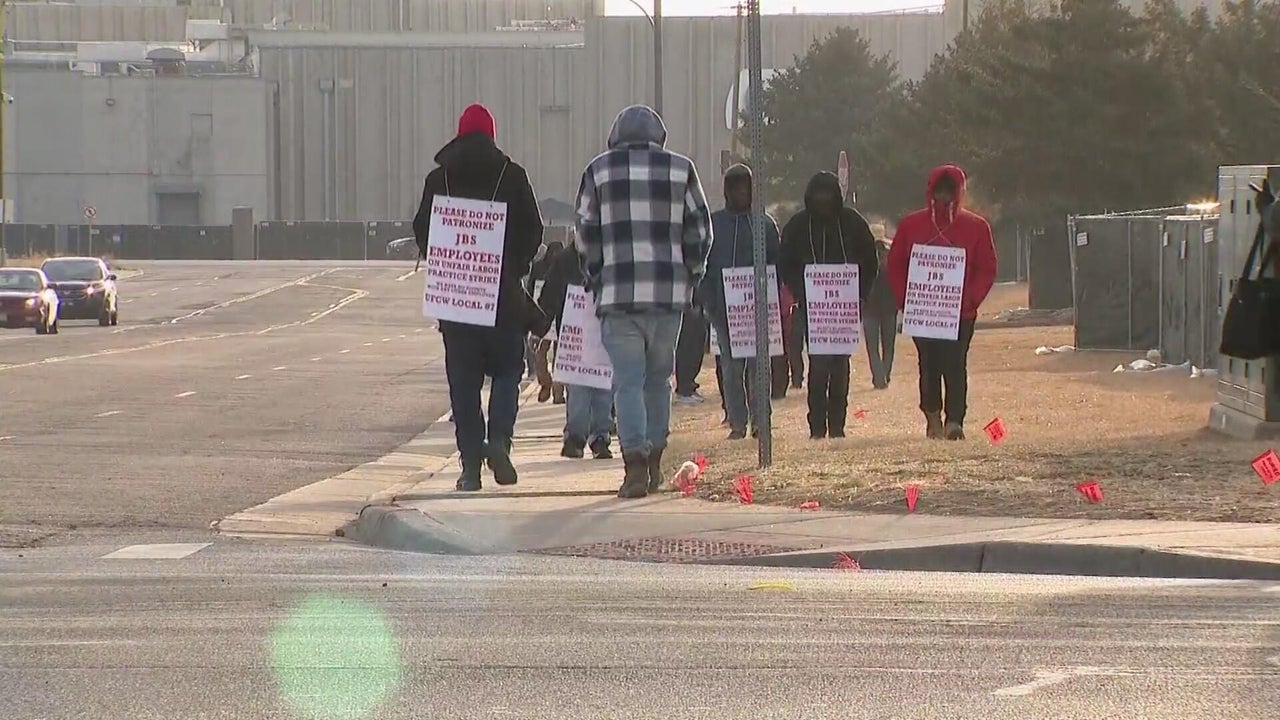
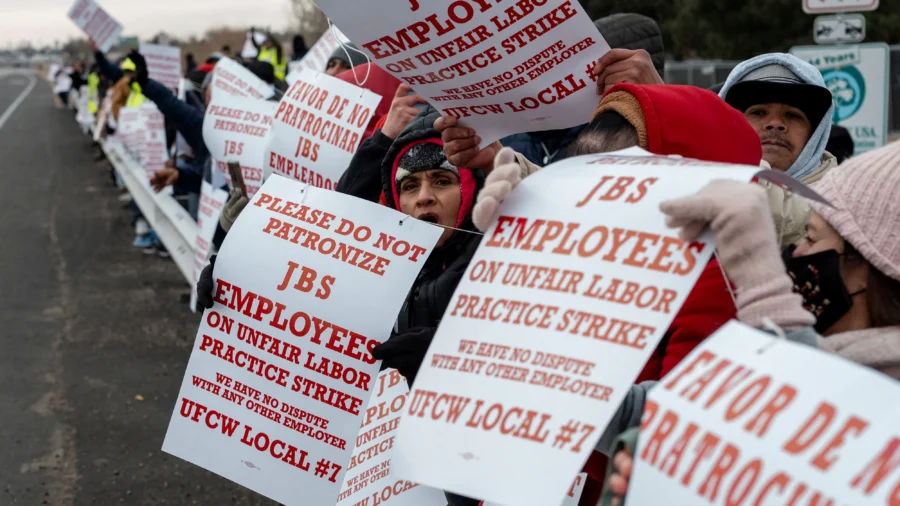
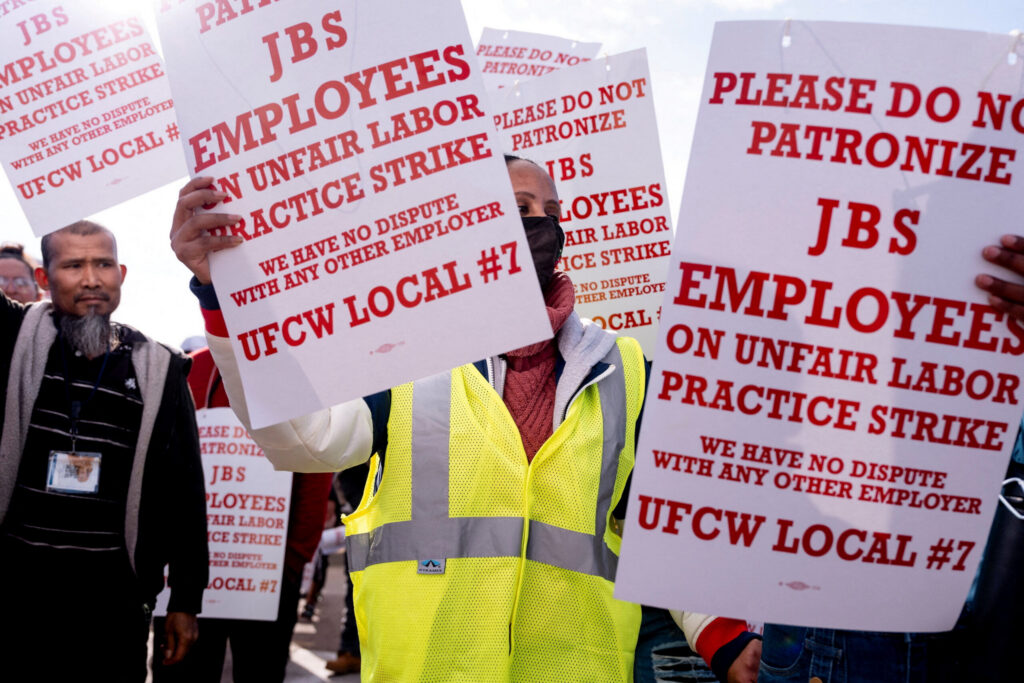
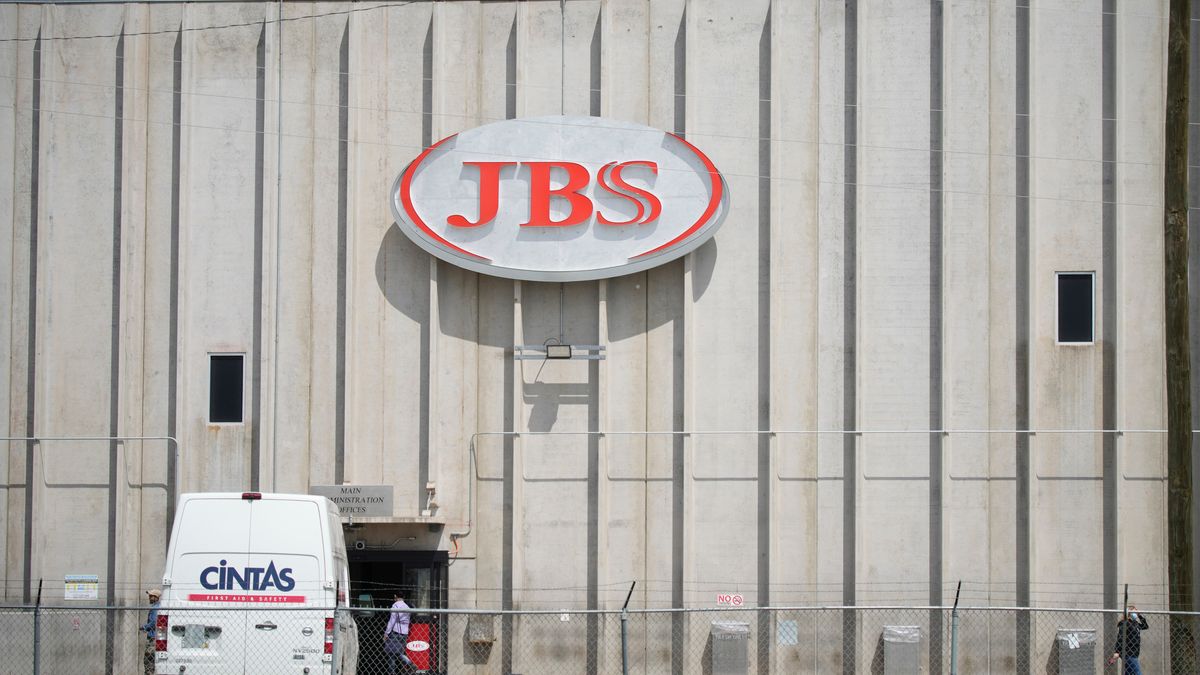
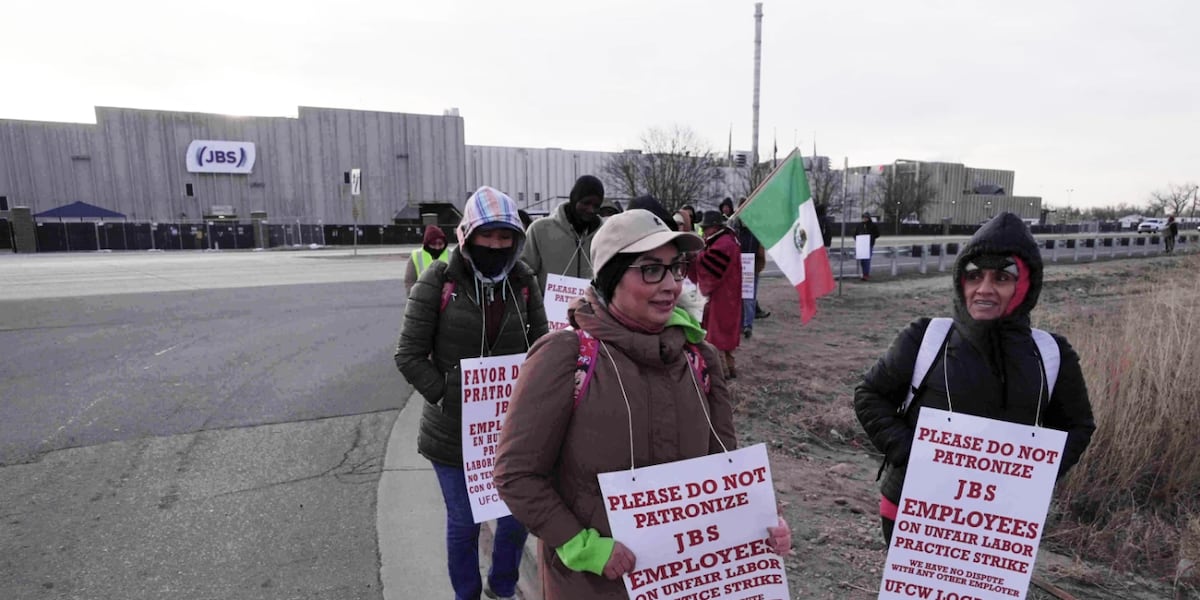
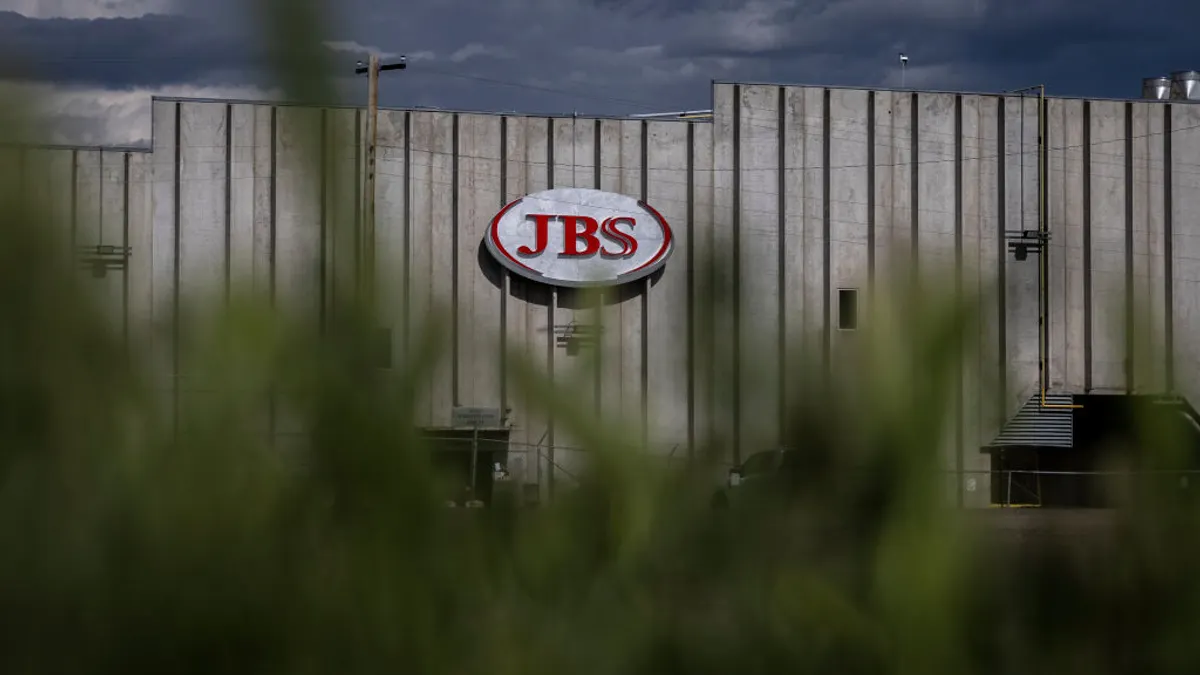
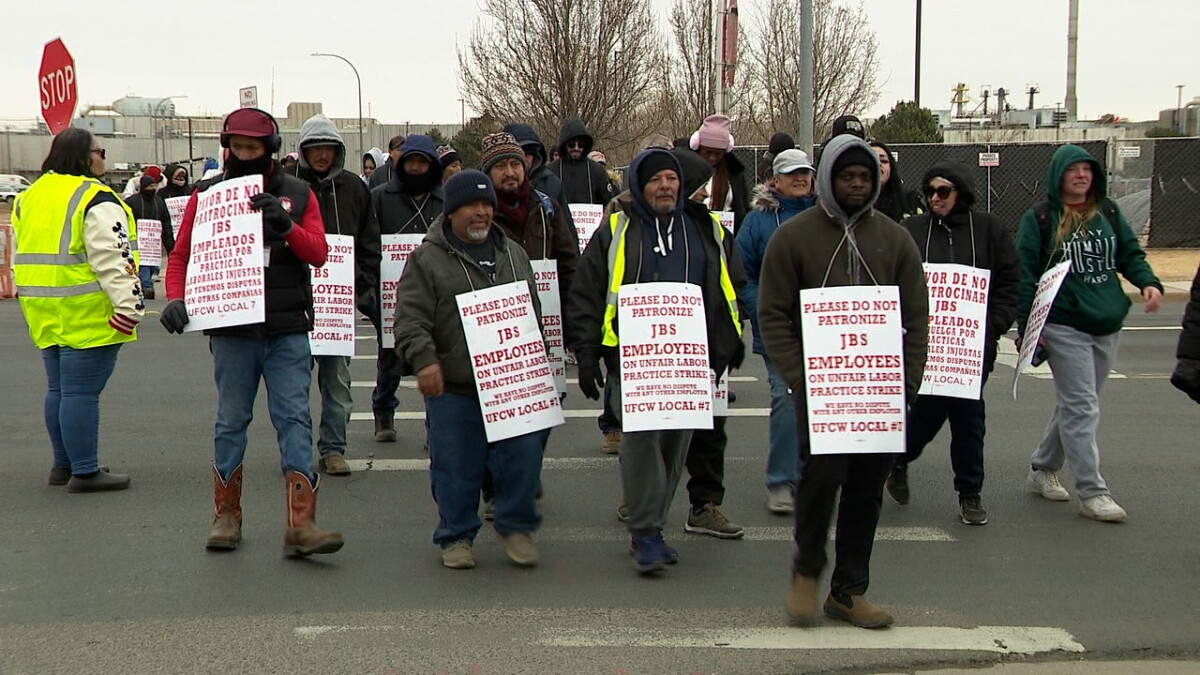
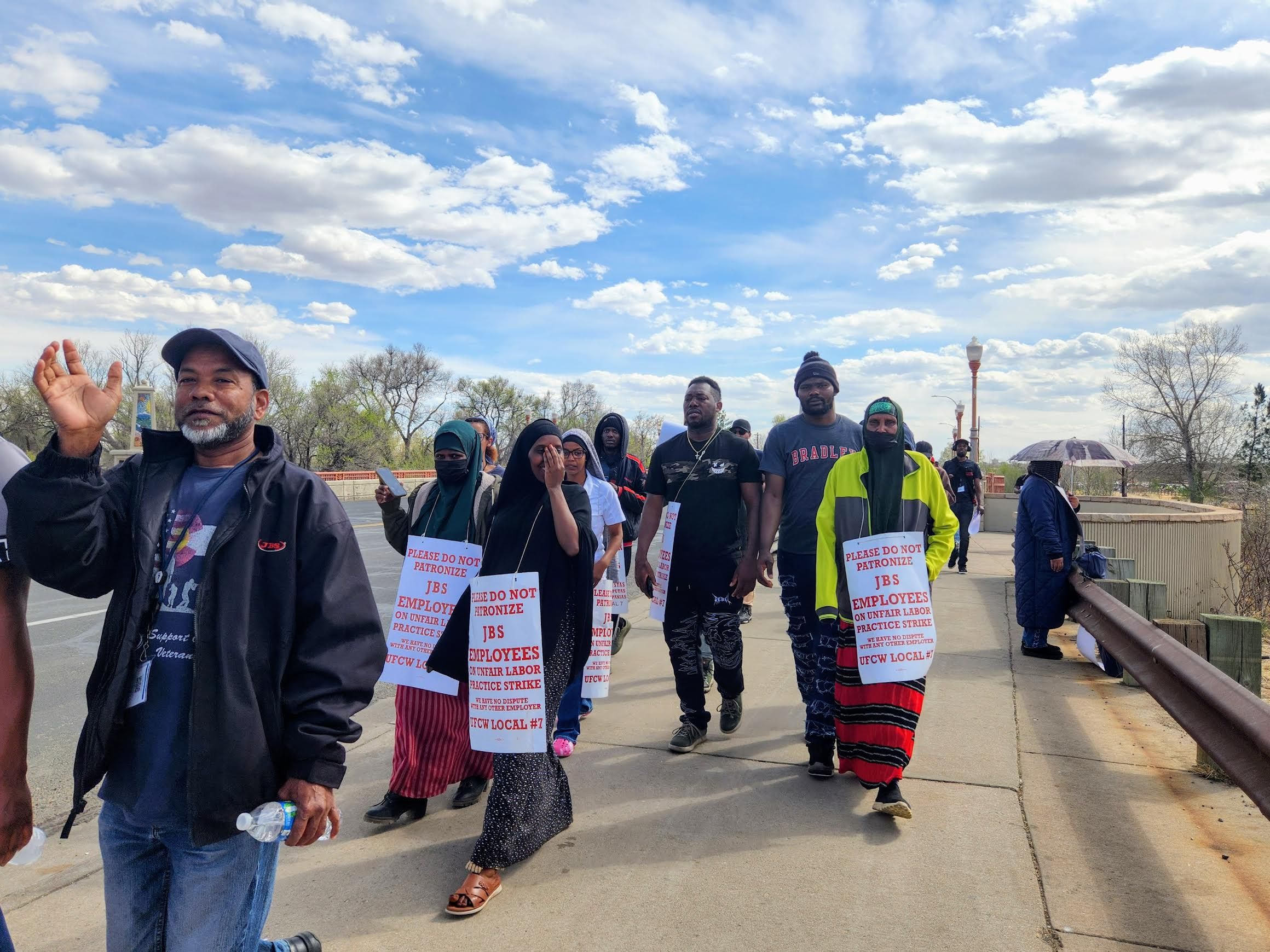
The JBS labor settlement reached April 12, 2026, represents a watershed moment for food supply chain economics affecting cross-border e-commerce sellers. The world's largest meatpacking company ($17 billion market cap) ratified a two-year collective bargaining agreement with UFCW Local 7 following a three-week strike (March 16-April 2026)—the first major US slaughterhouse labor action since 1985. The union secured wage increases 33% higher than JBS's pre-strike offer, with base wage hikes beginning July 2026 and July 2027, running through April 2028. The Greeley, Colorado facility (operating as Swift Beef Co.) processes approximately 8% of the nation's beef supply, making this settlement a critical cost inflection point for sellers sourcing meat products, prepared foods, and specialty beef items on Amazon Fresh, Walmart+, and specialty food marketplaces.
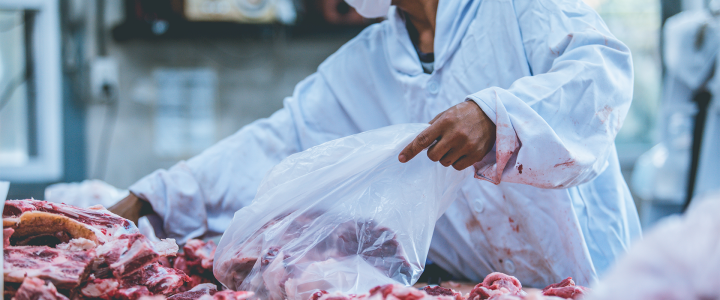
For food e-commerce sellers, the immediate operational impact centers on input cost escalation. Labor cost increases at major processing facilities historically translate to 5-12% price increases for wholesale beef within 6-9 months, depending on product category and supply chain positioning. Sellers offering premium beef jerky, grass-fed products, or specialty meat boxes should anticipate margin compression of 8-15% by Q3 2026 unless they adjust retail pricing. The agreement's elimination of worker PPE cost-sharing and healthcare cost increases further pressures JBS's operational margins, likely forcing the company to pass costs downstream. For sellers using JBS as a primary supplier, monitoring the July 2026 wage implementation date is critical—this marks when cost increases begin flowing through invoices. The two-year contract visibility through April 2028 provides medium-term planning clarity, but sellers must factor in potential follow-on increases at other major processors (Tyson, Cargill, National Beef) as this settlement establishes precedent for industry-wide labor negotiations.
The strategic supply chain implication extends beyond direct beef sellers to adjacent categories. Sellers offering prepared foods (beef-based meal kits, frozen dinners, pet food with beef content) face cascading cost pressures. The strike's three-week duration demonstrated JBS's vulnerability to production disruptions—the company shifted production to other facilities during the dispute, signaling capacity constraints. This precedent may encourage future labor actions at other facilities, creating supply volatility. For cross-border sellers importing beef products or exporting US beef internationally, the cost increase may compress margins on lower-margin categories (ground beef, commodity cuts) while premium segments (wagyu, specialty cuts) retain pricing power. Sellers should evaluate supplier diversification—considering smaller regional processors or international sourcing—to mitigate JBS dependency. The agreement's ratification without extended disruption suggests operational continuity, but sellers should monitor Q2 2026 for any supply chain friction as wage implementation approaches.
Questions 8
How does the JBS settlement compare to other meatpacking labor agreements?
This is the first major US slaughterhouse strike since 1985 (Hormel plant in Minnesota), making it historically significant. The 33% wage increase above JBS's pre-strike offer represents a substantial union victory, likely to influence negotiations at other major processors. UFCW Local 7 notably rejected the historic pension benefit offered by UFCW International, choosing instead to shift pension contributions into immediate wage increases—a strategic decision prioritizing short-term worker compensation. Other JBS facilities across the country have already accepted the historic pension, creating a two-tier agreement structure. This precedent may encourage similar local union decisions at Tyson, Cargill, and National Beef facilities, potentially accelerating industry-wide wage increases. Sellers should monitor UFCW contract negotiations at other major processors scheduled for 2026-2027.
What supply chain risks should sellers monitor after the JBS strike?
The three-week strike demonstrated production vulnerability at the Greeley facility (8% of US beef supply). JBS's ability to shift production to other facilities during the dispute reveals capacity constraints across its network. Future labor actions at other JBS facilities or competitor plants could create supply disruptions. The settlement establishes precedent for industry-wide labor activism—sellers should monitor UFCW organizing efforts at Tyson, Cargill, and National Beef. Supply chain risks include: (1) potential production disruptions at other facilities, (2) cost increases cascading through the supply chain, (3) inventory availability constraints during peak demand periods, (4) pricing volatility as processors adjust margins. Sellers should diversify suppliers, maintain 4-6 week safety stock for critical beef products, and establish relationships with regional processors as backup suppliers. Monitor industry news and UFCW announcements for early warning signs of future labor actions.