


Strait of Hormuz Blockade Drives Oil Above $100 | Critical Shipping Cost Impact for Cross-Border Sellers
- Oil prices surge 6-8% to $101-104/barrel; logistics costs increase 15-30% for international sellers; Q2 2026 inventory planning disrupted by fuel surcharges and extended shipping delays




















)









Overview
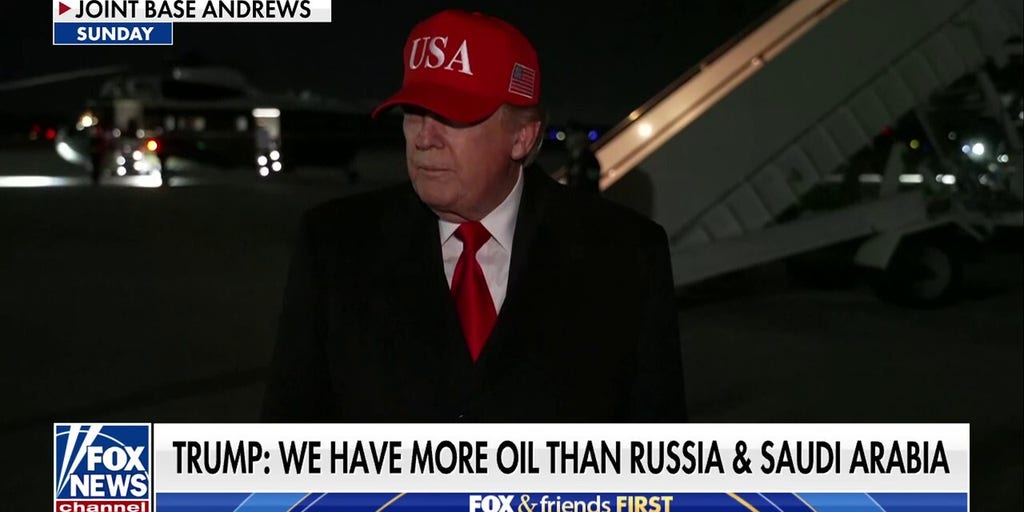
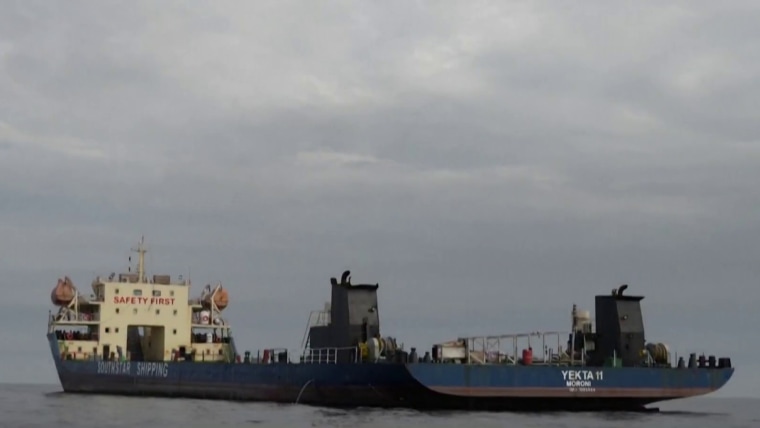
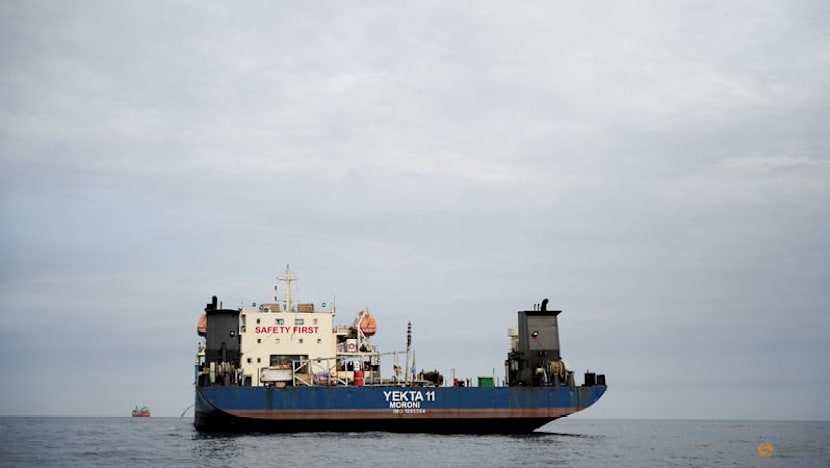
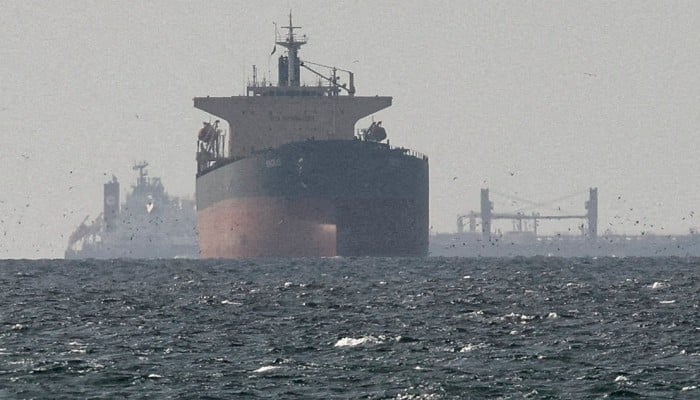
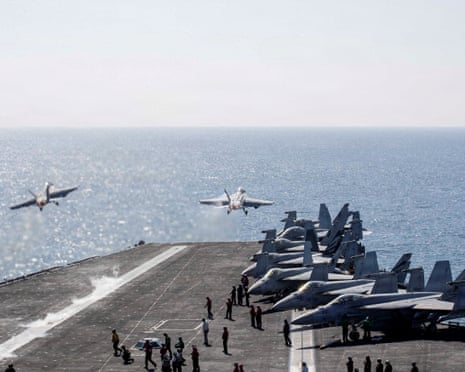
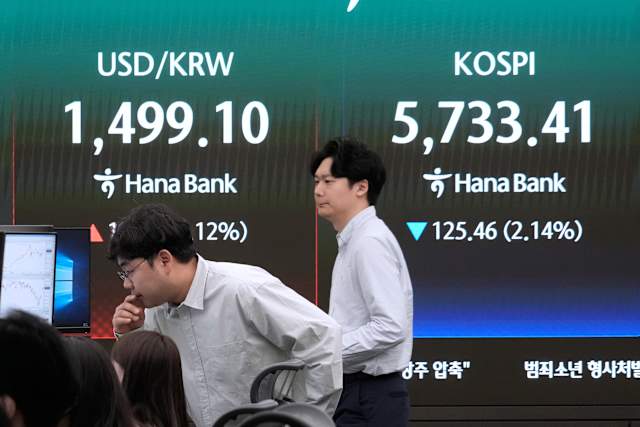
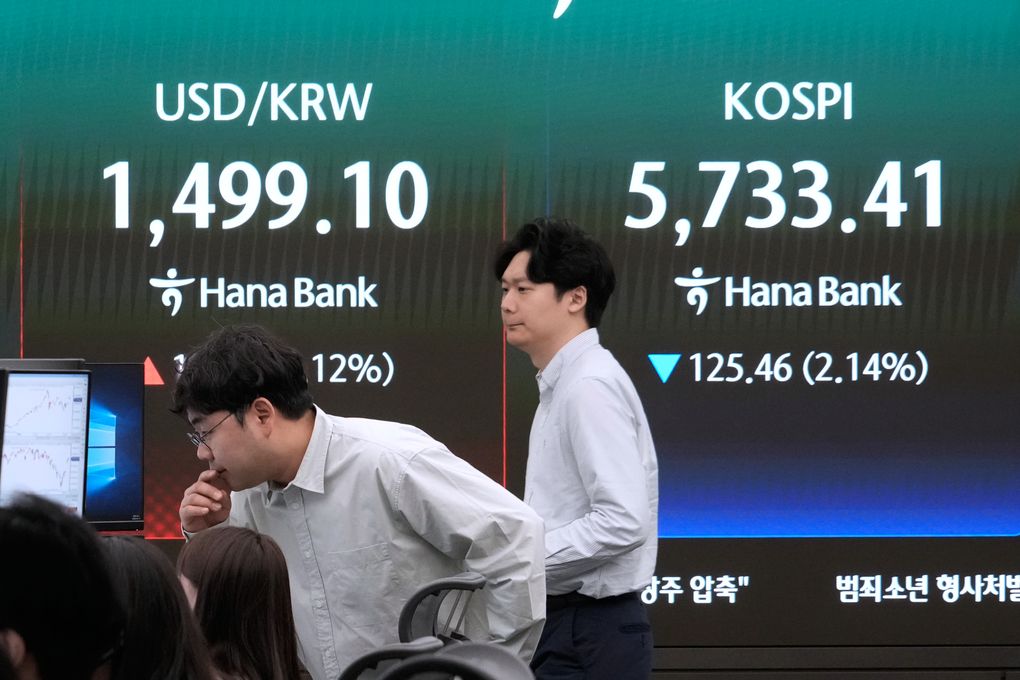
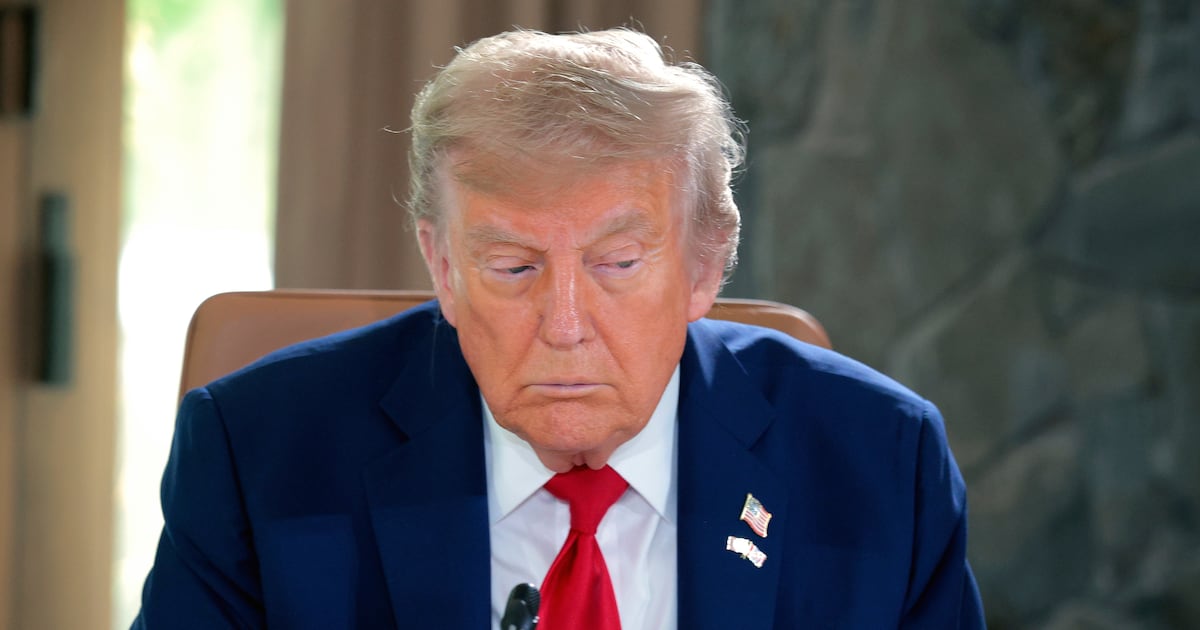
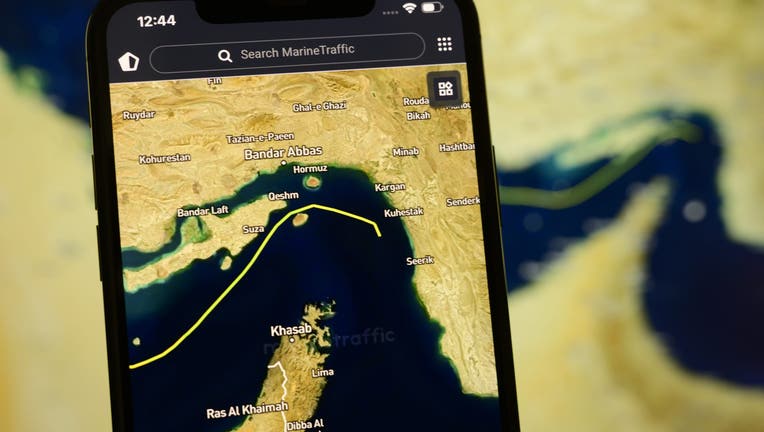
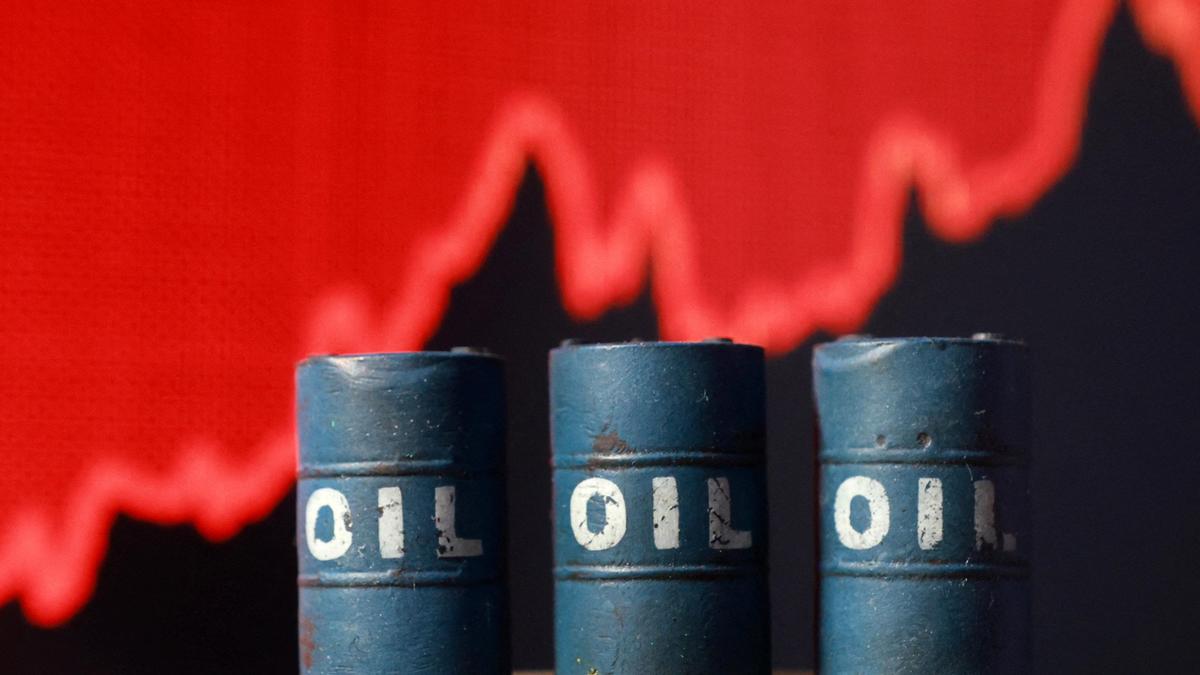
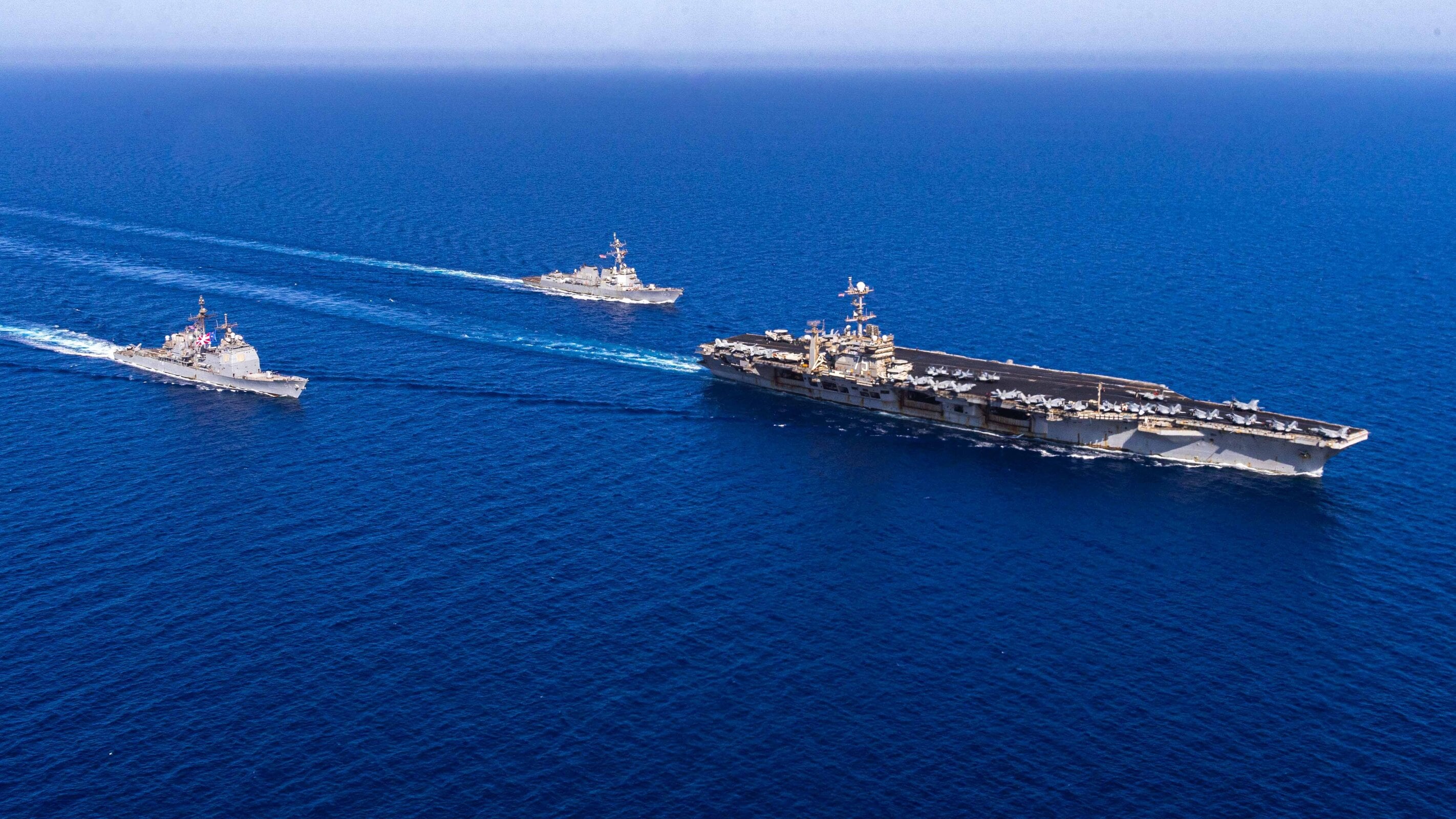
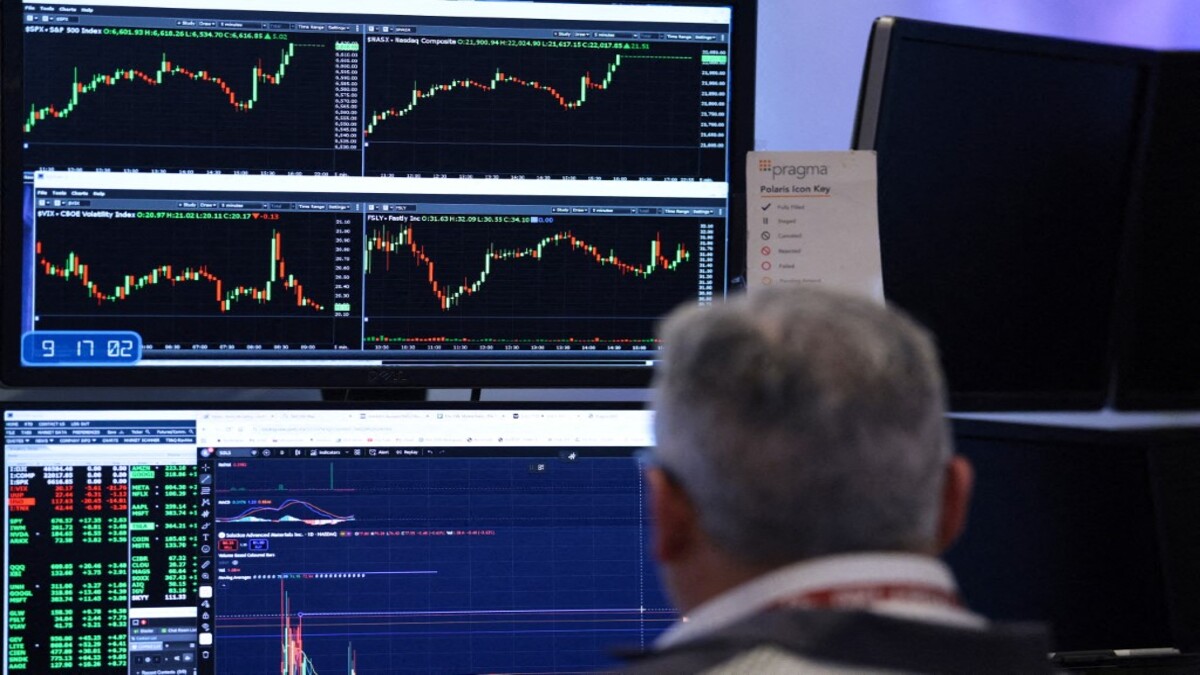
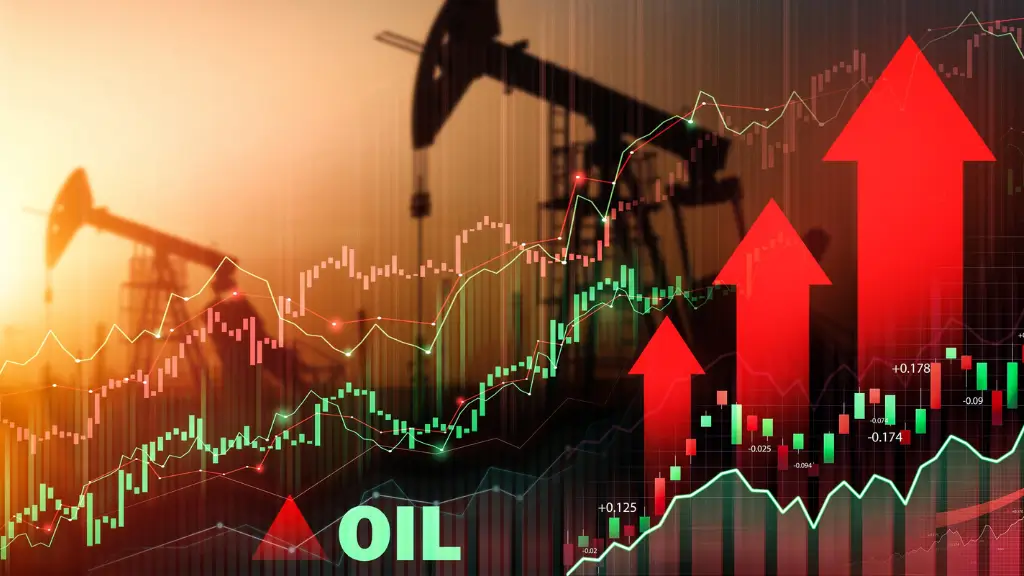
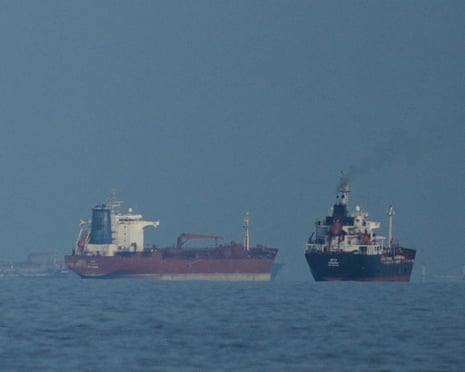
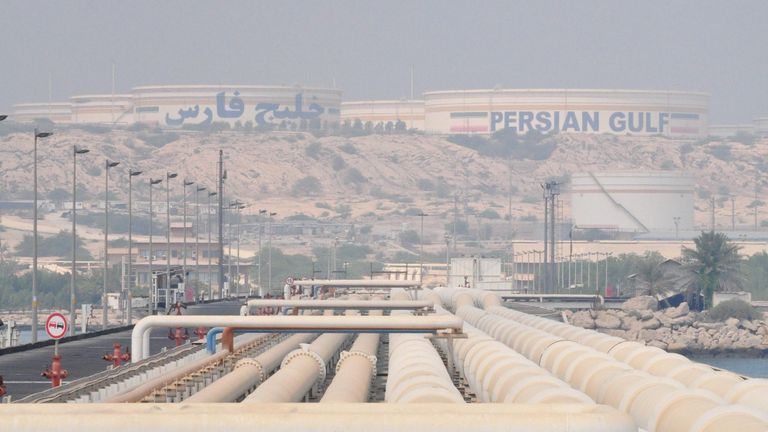
The collapse of U.S.-Iran peace negotiations in April 2026 triggered a critical geopolitical escalation with direct operational consequences for cross-border e-commerce sellers worldwide. President Trump announced a U.S. Navy blockade of the Strait of Hormuz—through which approximately one-third of global maritime oil trade flows—effective April 13, 2026, at 10 a.m. ET. This blockade immediately drove Brent crude to $101.74 per barrel (6.74% surge) and U.S. crude to $104.69 per barrel (8.3% increase), with JPMorgan Chase analysts projecting prices will remain above $100 throughout Q2 2026. The geopolitical escalation reversed positive market sentiment from the previous week's ceasefire announcement, causing the CBOE Volatility Index (VIX) to spike to 21.58, Dow futures to fall 456 points (1.1%), and Asian equity markets to decline 0.5-1.3% (Japan's Nikkei down 1.09%, South Korea's Kospi down 1.31%, Australia's ASX-200 down 0.51%).
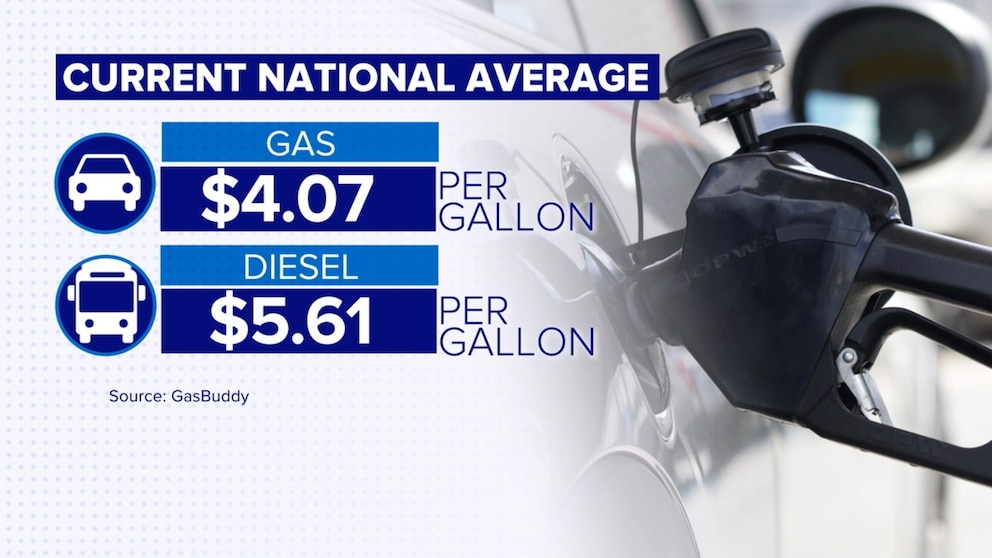
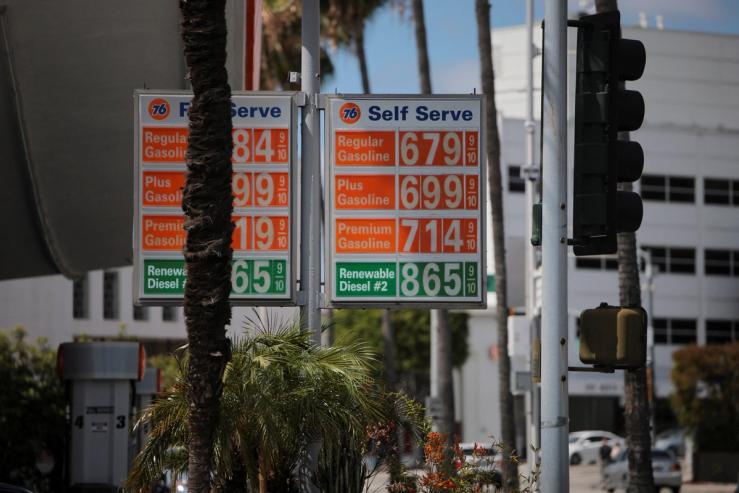
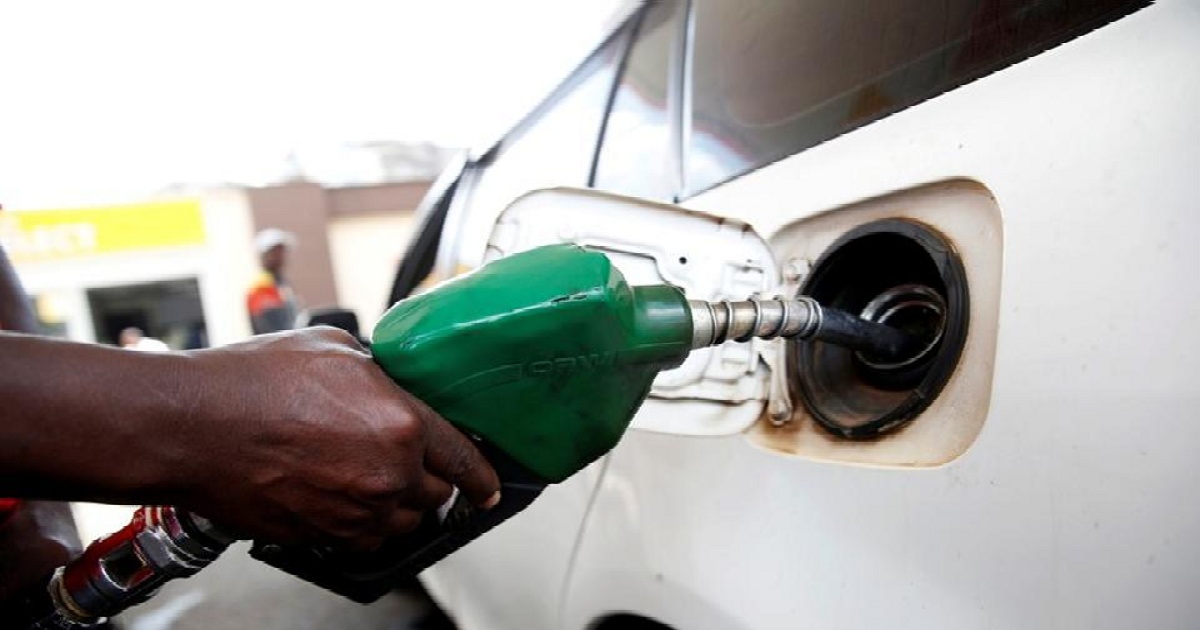
For cross-border e-commerce sellers, this blockade creates cascading cost pressures across multiple operational dimensions. Energy price volatility directly correlates with logistics expenses, which represent 15-30% of total operational costs for international sellers. Fuel surcharges from major carriers (FedEx, UPS, DHL) will increase substantially, with average U.S. gas prices already at $4.12 per gallon on April 12, up $0.38 since the conflict began. Sellers relying on air freight and expedited ocean shipping face the most acute margin compression, as these premium services carry the highest fuel surcharge exposure. The blockade restricts up to 2 million barrels of Iranian-linked flows daily through the Strait of Hormuz, creating structural supply constraints that will sustain elevated oil prices through the midterm election period (November 2026), according to Trump's own acknowledgment.
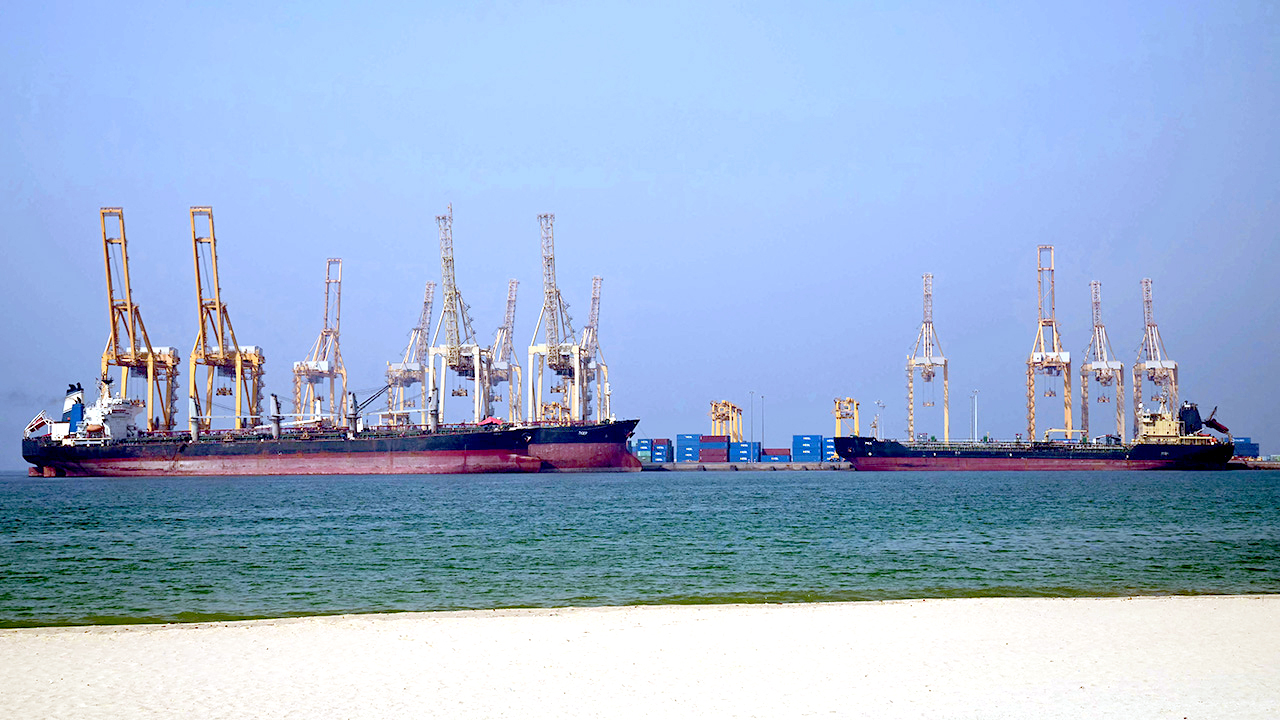
The blockade's impact extends beyond direct shipping costs to encompass broader supply chain disruptions and consumer spending volatility. Elevated oil prices drive inflation in related sectors including food packaging materials and fertilizer, affecting product sourcing and inventory costs across multiple categories. The UN Development Programme warns that over 32 million people worldwide could be pushed into poverty by economic fallout from the Iran conflict, with developing nations facing the hardest impact—directly reducing consumer purchasing power in key emerging markets. Market uncertainty, reflected in elevated VIX levels and declining equity futures, may reduce consumer spending and advertising budgets, particularly affecting discretionary product categories. Sellers shipping from Asia to Western markets through affected regions face the most severe disruption, with potential extended shipping delays compounding cost pressures. The blockade's duration remains uncertain, with Pakistan officials attempting to restart negotiations, creating ongoing planning challenges for Q2 2026 inventory and fulfillment strategies. Central banks including the European Central Bank and Bank of England are now assessed with an 84% probability of rate increases in 2026 (up from 60% on Friday), further pressuring consumer credit availability and cross-border transaction costs.
Questions 8
How does the blockade affect consumer spending and demand for imported goods?
The blockade creates dual demand pressures: elevated inflation from oil prices reduces consumer purchasing power, while market uncertainty (VIX at 21.58, equity futures declining 0.5-1.1%) may reduce discretionary spending and advertising budgets. The UN Development Programme warns that 32 million people worldwide could be pushed into poverty, directly reducing consumer demand in developing nations. Central banks are now assessing an 84% probability of rate increases in 2026, further pressuring consumer credit availability. Sellers should expect reduced demand for discretionary categories and increased price sensitivity. Currency volatility from the blockade also impacts cross-border transaction costs and pricing strategies in different markets.
What is the timeline for the Strait of Hormuz blockade and when might conditions normalize?
The blockade began April 13, 2026, at 10 a.m. ET and is projected to remain in effect through at least Q2 2026, with JPMorgan Chase analysts forecasting oil prices above $100 per barrel throughout this period. Trump acknowledged that oil and gasoline prices may remain high through November 2026 midterm elections. Pakistan officials are attempting to restart negotiations, suggesting potential for diplomatic resolution, but the blockade's duration remains uncertain. VanEck analysts note that even if the Strait of Hormuz reopens, oil flow will remain constrained, sustaining elevated prices. Sellers should plan inventory and pricing strategies assuming sustained elevated fuel costs through Q3 2026 at minimum, with contingency plans for extended disruption.