




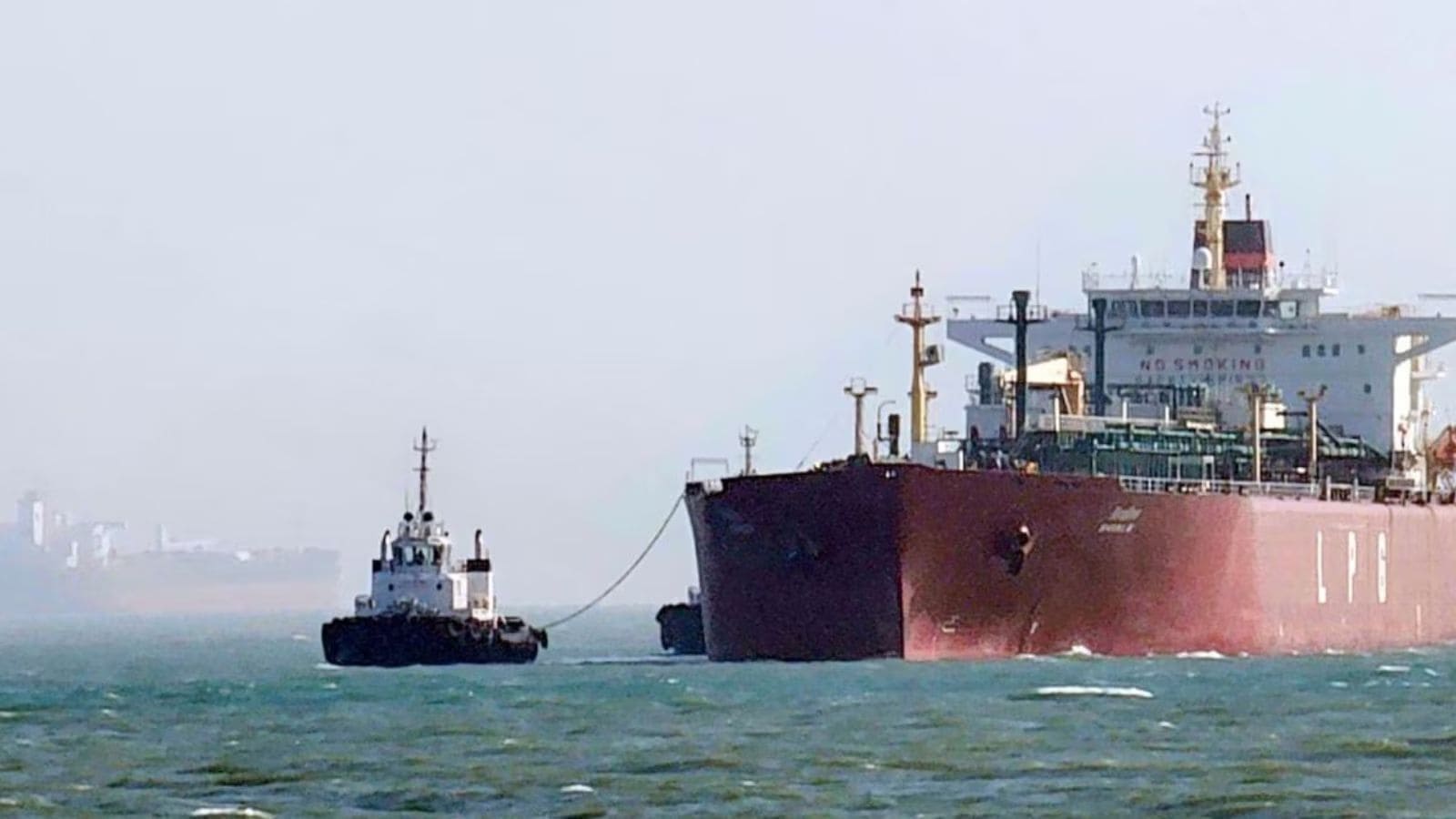
Strait of Hormuz Blockade Triggers 7.5% Oil Surge | Critical Supply Chain Risk for Cross-Border Sellers
- Oil prices jump to $103.84/barrel, threatening 8-15% shipping cost increases for Asia-sourced inventory and air freight shipments through Q2 2026













































)












Overview
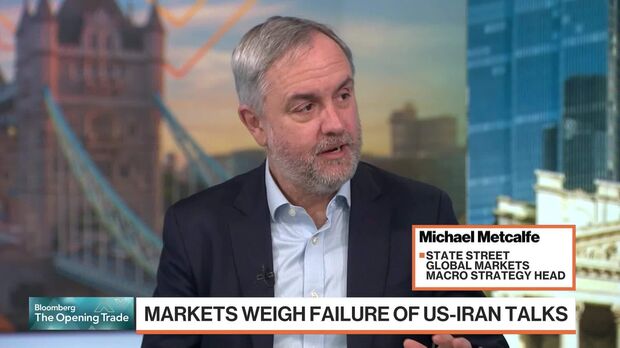
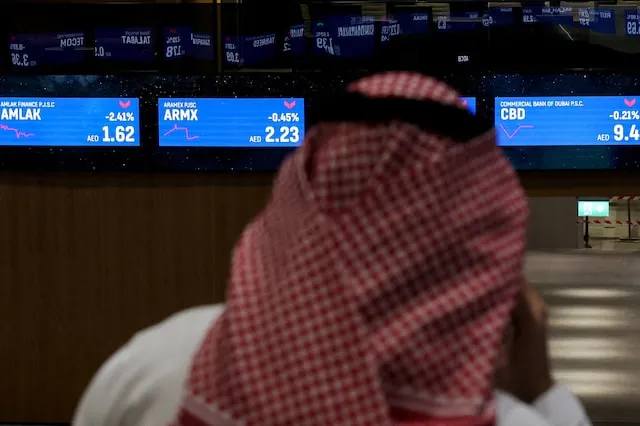
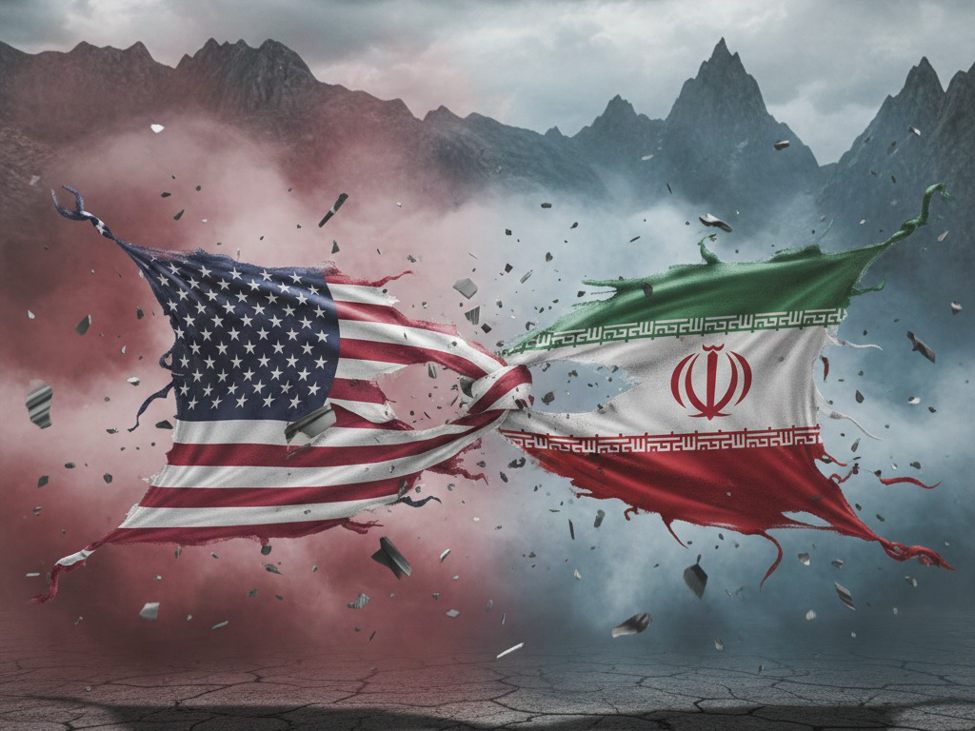
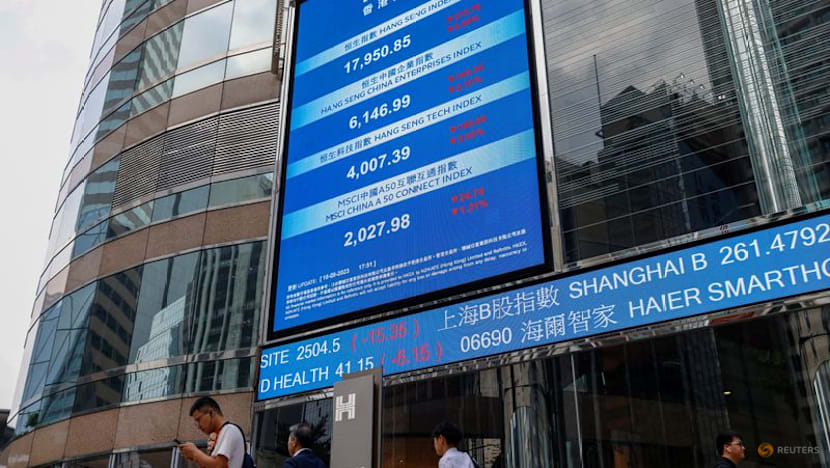
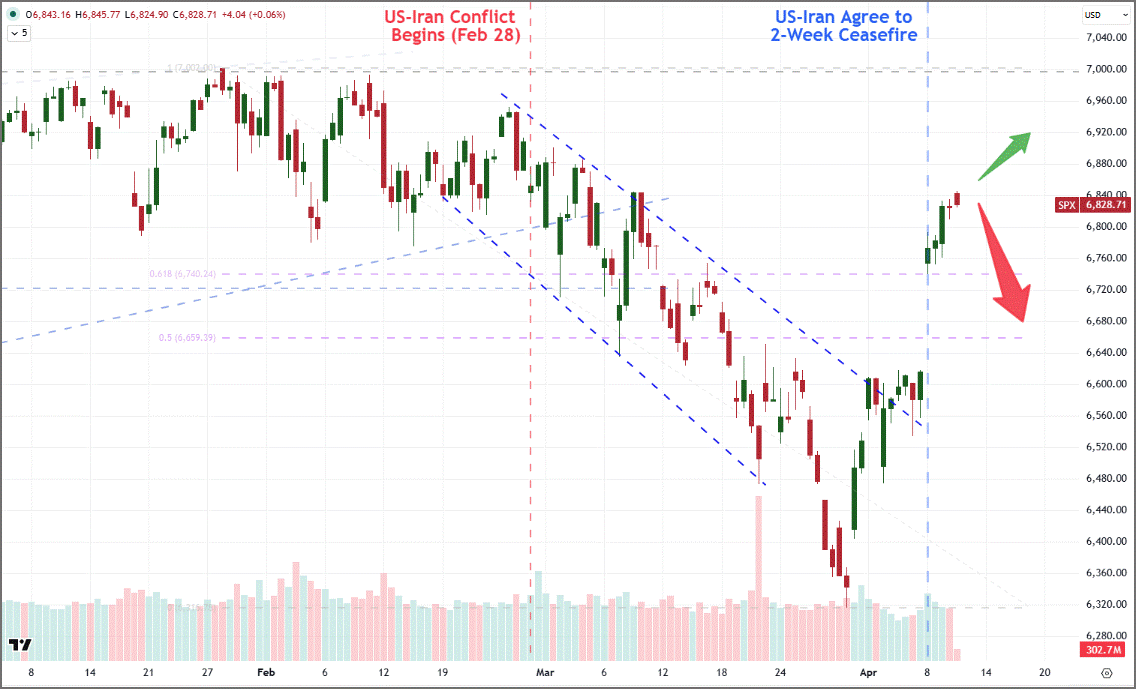
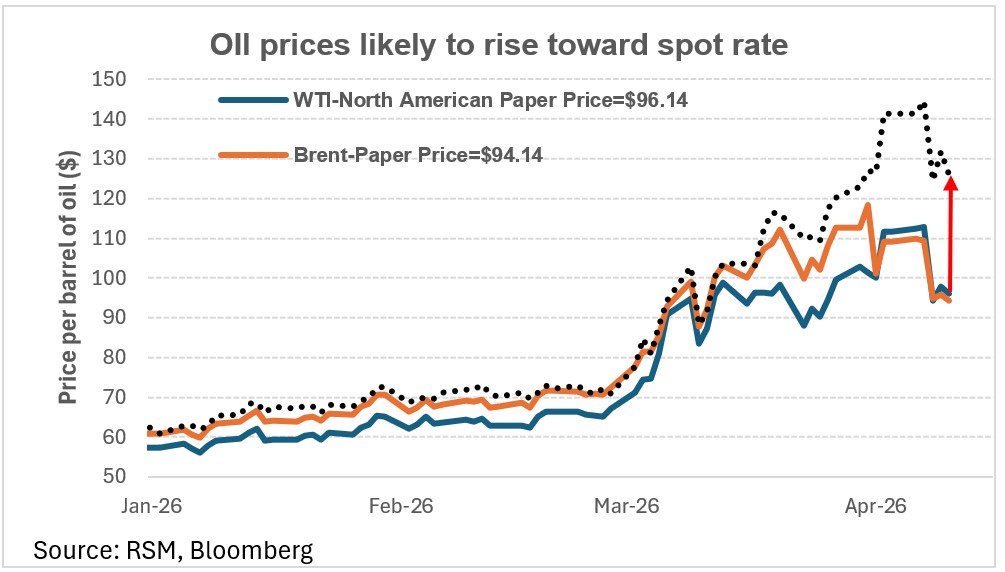
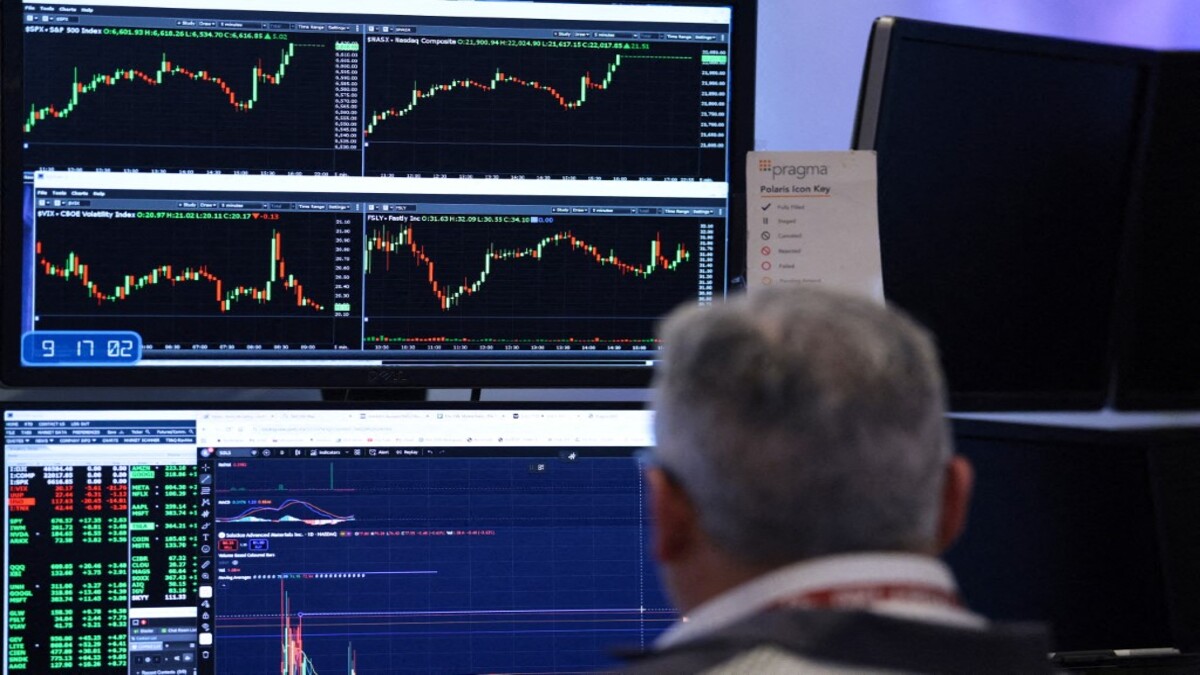
The collapse of U.S.-Iran peace negotiations in Islamabad (April 12, 2026) and subsequent U.S. naval blockade of Iranian ports represents a critical geopolitical shock with immediate operational consequences for cross-border e-commerce sellers. Crude oil prices surged dramatically: West Texas Intermediate crude jumped 7.07 to $103.40 per barrel, while Brent crude gained 6.79 to $101.67 per barrel as of April 12, 2026. The Strait of Hormuz blockade—through which approximately 21% of global petroleum transits—creates a critical chokepoint affecting maritime trade routes essential to international commerce. Asian equity markets declined sharply (Nikkei down 1.09%, KOSPI down 1.31%, Hang Seng down 0.90%), signaling sustained investor concerns about prolonged geopolitical conflict and energy supply disruptions.
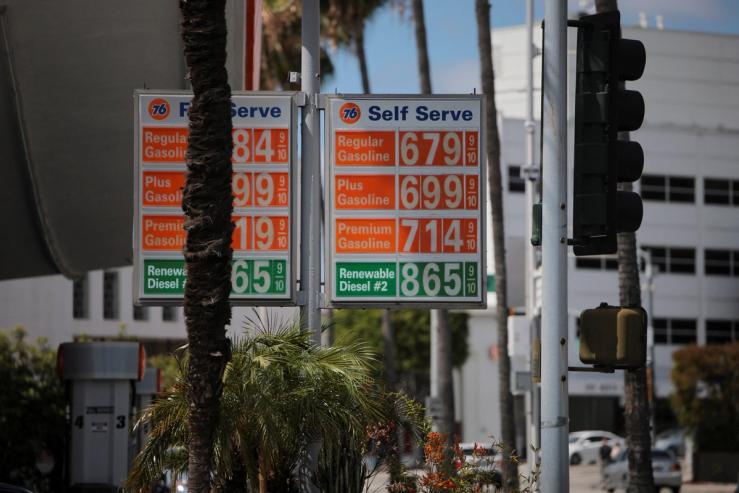
Immediate Cost Impact for Sellers: Rising oil prices directly increase transportation expenses for international logistics, particularly affecting sellers reliant on air freight and ocean shipping through Middle Eastern routes. Sellers utilizing expedited shipping methods face margin compression of 8-15% depending on product category and sourcing origin. Energy-intensive sectors like electronics, appliances, and manufacturing face the most severe pressure, with fulfillment costs rising $200-400 monthly for mid-sized sellers (1,000-5,000 monthly units). The market volatility also impacts currency exchange rates—particularly affecting sellers with Asia-Pacific sourcing operations—and consumer spending patterns, potentially reducing demand in affected regions. Historical precedent indicates similar Middle East conflicts typically persist 6-18 months, implying sustained elevated oil prices and geopolitical risk premiums through Q4 2026.
Strategic Sourcing Implications: The blockade creates competitive advantages for sellers with diversified sourcing strategies. Sellers currently dependent on single-source Asia-to-Middle East-to-Europe supply chains face heightened inventory replenishment uncertainty and freight rate volatility. Conversely, sellers with established sourcing in Vietnam, India, or Mexico—offering alternative routing options avoiding the Strait of Hormuz—gain competitive positioning. The U.S. futures market decline (Dow down 1.1%, S&P 500 down 1.1%, Nasdaq down 1.2%) reflects broader economic uncertainty that may suppress consumer spending on discretionary categories, particularly affecting sellers in apparel, home goods, and electronics. The CBOE Market Volatility Index (.VIX) climbed to 21.29 points, indicating elevated market uncertainty that typically correlates with reduced consumer confidence and lower conversion rates on e-commerce platforms. Sellers should anticipate 3-6 week delays in ocean freight shipments and potential 15-25% premiums on air freight rates, requiring immediate inventory planning adjustments and pricing strategy recalibration.
Questions 8
Should I diversify sourcing away from Asia to avoid Strait of Hormuz risks?
Diversification offers strategic advantages but requires 6-12 month lead time. Vietnam and India sourcing avoids the Strait entirely and offers 10-15% cost savings versus China, but quality control and minimum order quantities differ. Mexico sourcing reduces shipping times to North America by 40-50% but carries higher labor costs. The blockade is expected to persist 6-18 months based on historical Middle East conflict patterns. Sellers should evaluate: (1) current Asia sourcing concentration, (2) product lead times, (3) inventory turnover rates. High-velocity sellers should diversify 20-30% of sourcing; slower-moving inventory can maintain Asia sourcing with extended lead time buffers.
How will the geopolitical crisis affect consumer demand on Amazon and other platforms?
Market volatility (VIX at 21.29, equity futures down 1-1.2%) typically correlates with reduced consumer confidence and lower discretionary spending. Historical data shows 2-4% conversion rate declines during geopolitical crises, with apparel, home goods, and electronics most affected. Conversely, essential categories (health, safety, home improvement) often see increased demand. Sellers should expect 5-10% demand reduction in discretionary categories through Q2 2026. Adjust PPC budgets downward by 10-15% to maintain ACOS targets, and prioritize essential product categories. Monitor your category's historical crisis-period performance and adjust inventory accordingly.