


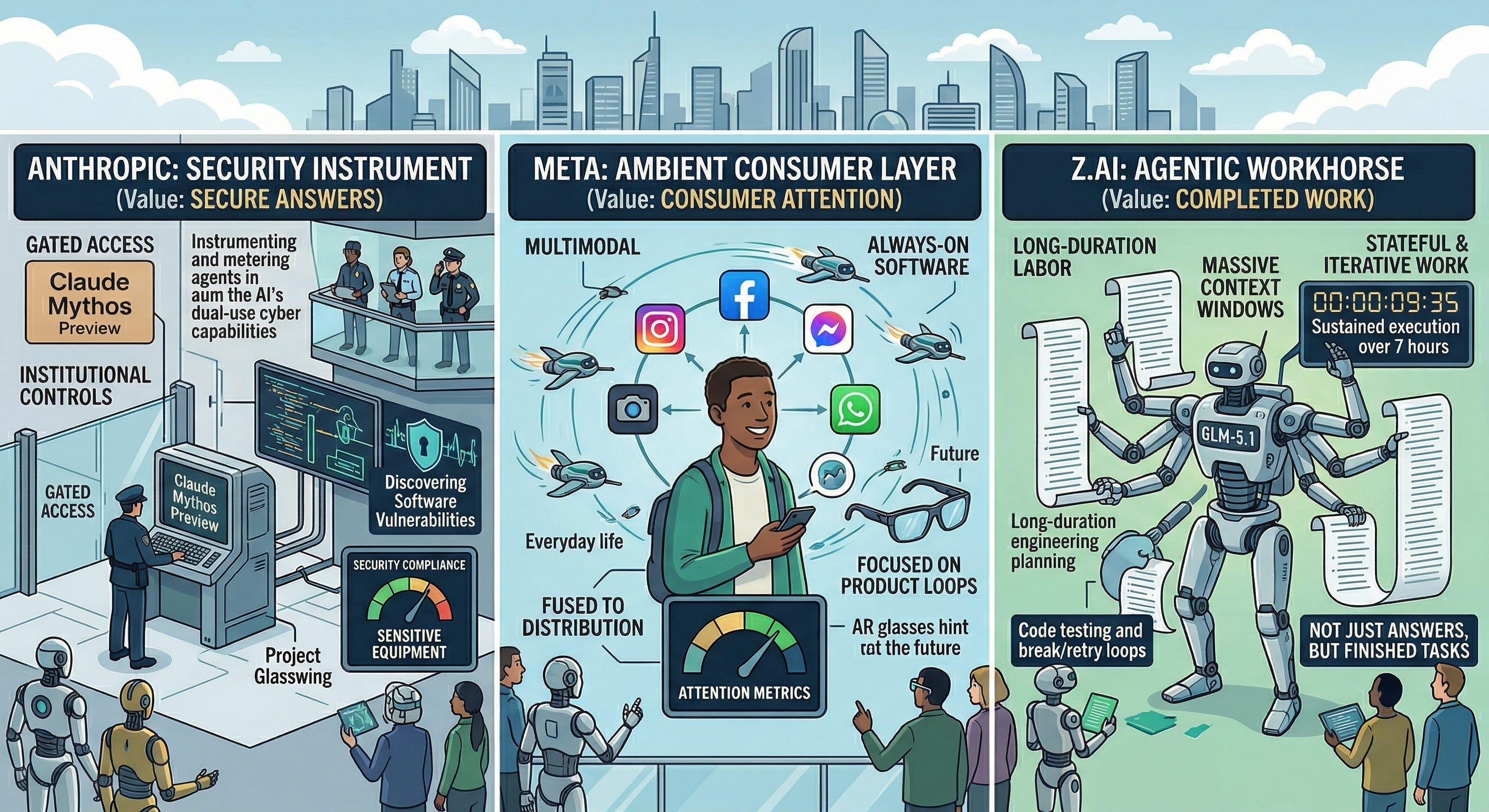



AI Cybersecurity Advances Drive Urgent UK Regulatory Response | Seller Compliance & Platform Security Implications
- Claude Mythos Preview zero-day vulnerability detection capabilities trigger Bank of England, FCA, and NCSC emergency discussions; signals accelerating AI governance that will reshape e-commerce platform security requirements and seller compliance obligations
Overview
The Claude Mythos Preview AI system's demonstrated ability to identify zero-day vulnerabilities has prompted urgent regulatory discussions between the Bank of England, Financial Conduct Authority (FCA), and UK National Cyber Security Centre (NCSC), marking a critical inflection point in AI governance that directly impacts e-commerce infrastructure security and seller compliance frameworks. This development signals that AI models capable of identifying previously unknown security exploits are now operationalized, forcing regulators to accelerate cybersecurity standards that will cascade through e-commerce platforms serving UK and EU markets.
For e-commerce sellers, this regulatory urgency translates into immediate platform security requirements. Amazon, eBay, Shopify, and other major marketplaces will face pressure to implement enhanced vulnerability detection systems, likely increasing infrastructure costs by 8-15% annually. Sellers shipping to UK and EU markets should anticipate new compliance certifications around data protection, payment security, and customer information handling—requirements that historically increase operational costs by $2,000-5,000 annually for mid-sized sellers (100-500 SKUs). The FCA's involvement signals that financial transaction security will become a primary focus, affecting payment processing integrations and seller account verification procedures.
Strategic implications for sellers: The acceleration of AI-powered security auditing means platforms will increasingly deploy automated vulnerability scanning on seller systems, inventory databases, and customer data handling practices. Sellers using outdated inventory management systems, unencrypted customer databases, or non-compliant payment processors face potential account suspension or delisting. This creates a competitive advantage for sellers who proactively upgrade to enterprise-grade security infrastructure—those implementing ISO 27001 compliance, encrypted data storage, and automated security monitoring can position themselves as "security-certified" sellers, potentially commanding 5-8% price premiums in B2B and premium consumer segments.
The regulatory response also indicates that AI disclosure practices and responsible AI deployment will become compliance requirements. Sellers using AI tools for pricing optimization, inventory forecasting, or customer service automation should expect platform audits of their AI model transparency, bias testing, and decision-making documentation. This creates immediate opportunities for AI compliance SaaS tools that can audit seller AI implementations and generate compliance documentation for regulatory submissions.
Questions 7
What immediate actions should UK and EU sellers take in response to FCA and NCSC regulatory discussions about AI security?
Sellers should immediately audit their current security posture: (1) Verify payment processor PCI DSS compliance and encryption standards; (2) Review customer data storage—ensure GDPR-compliant encryption and access controls; (3) Assess inventory management system security—outdated systems are primary delisting targets; (4) Document any AI tools used for pricing, forecasting, or customer service with transparency and bias testing records; (5) Implement automated security monitoring and vulnerability scanning. Deadline: Complete audits by Q1 2025. Sellers using legacy systems should prioritize migration to enterprise-grade platforms within 90 days to avoid account suspension risk during regulatory enforcement periods.
Which seller segments face the highest compliance costs from accelerated AI-powered security requirements?
Small sellers (1-50 SKUs) using Shopify or WooCommerce with basic security face 12-18% cost increases due to mandatory security upgrades. Mid-market sellers (100-500 SKUs) on **Amazon FBA** or **eBay** will see 8-12% cost increases from platform-mandated security certifications and audits. Large sellers (500+ SKUs) with existing enterprise security infrastructure face 3-5% increases but gain competitive advantage through security-certified status. Sellers in high-risk categories (electronics, pharmaceuticals, financial products) face 15-25% cost increases due to stricter vulnerability scanning requirements. Sellers using third-party AI tools for pricing or inventory optimization face additional compliance costs ($500-2,000 annually) for AI model auditing and transparency documentation.