






Post-Quantum Cryptography Migration 2029 | Critical Payment Security Update for E-Commerce Sellers
- Google accelerates quantum-safe encryption deadline to 2029; sellers accepting cryptocurrency or handling customer data must audit systems immediately to prevent "store-now-decrypt-later" attacks and ensure payment processor compliance

























Overview
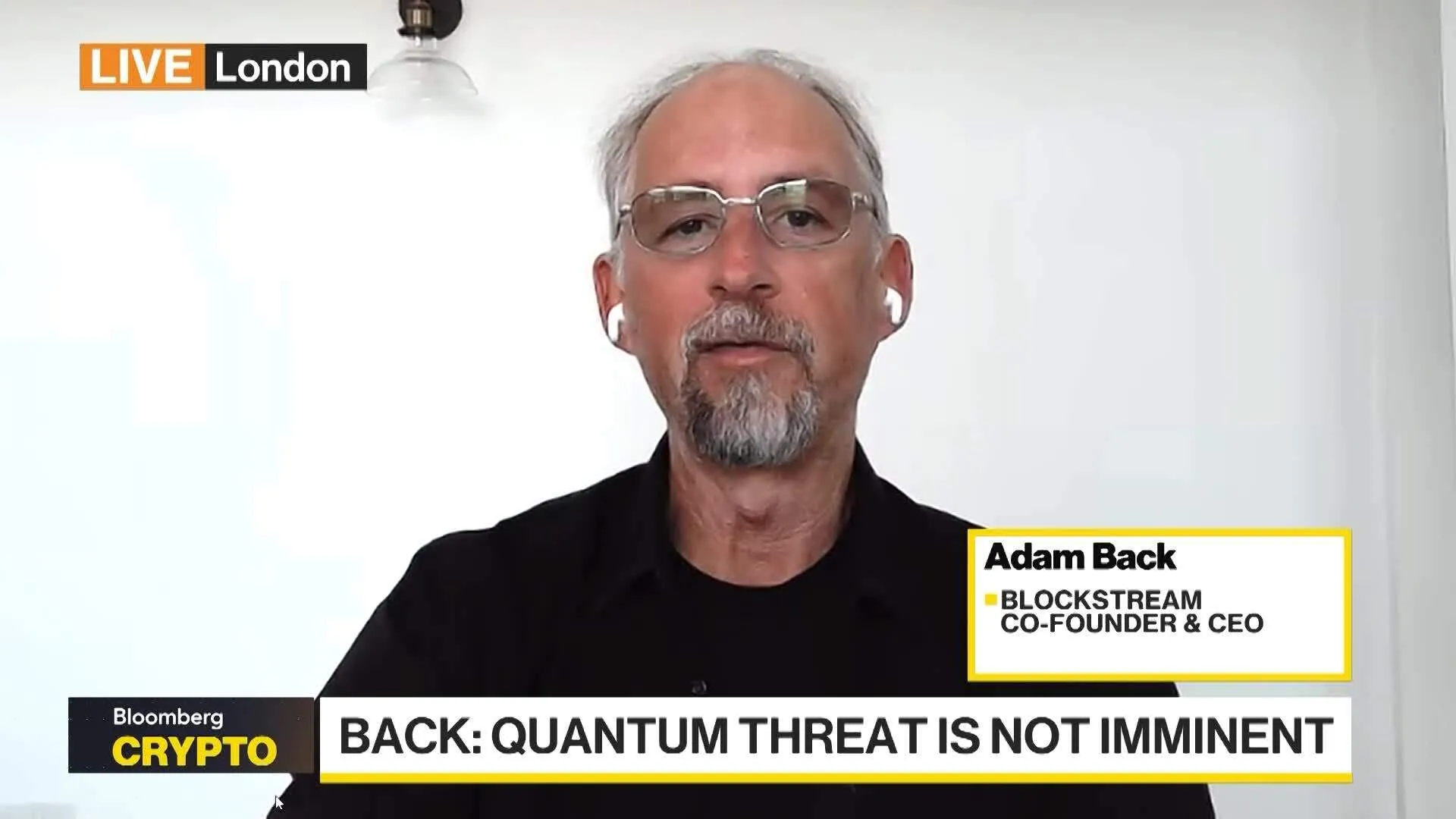
The quantum computing threat timeline has compressed dramatically, forcing e-commerce sellers to accelerate cryptographic security upgrades by 2029. Google has moved its post-quantum cryptography deadline forward by several years following breakthrough research demonstrating that quantum computers could compromise current encryption methods faster than previously estimated. A March 2026 Google study shows elliptic-curve encryption—used by Bitcoin and Ethereum—could be compromised with fewer than 500,000 physical qubits (10x less than earlier estimates), while Caltech-Berkeley-Atom research indicates Shor's algorithm could crack Bitcoin encryption in days using just 10,000-20,000 atomic qubits. IBM is targeting a 120-qubit chip this year with fault-tolerant systems by 2029, intensifying the hardware race.
For cross-border e-commerce sellers, the primary financial and operational risks center on three critical areas. First, sellers accepting cryptocurrency payments (Bitcoin, Ethereum) face immediate exposure to "store-now-decrypt-later" attacks where adversaries capture encrypted transaction data today and decrypt it once quantum computers mature—potentially exposing years of customer payment records, wallet addresses, and transaction histories. Second, payment processors and payment gateways relying on elliptic-curve cryptography for authentication and key distribution will become vulnerable, threatening the security of customer credit card data, bank account information, and personally identifiable information (PII) stored in encrypted databases. Third, older point-of-sale systems, hard-coded certificates, and legacy payment infrastructure will be deprecated and unable to transition to post-quantum standards, forcing sellers to replace hardware and software before 2029.
Regulatory and compliance deadlines are accelerating globally. NIST finalized post-quantum cryptographic algorithm standards in 2024, and major platforms including Google Chrome, Cloudflare, and Facebook have begun hybrid-mode deployment (currently ~40% of websites support post-quantum key exchange). Australia's Signals Directorate mandates migration to post-quantum cryptography by 2030, while NIST proposes a 2035 transition deadline for US systems. However, the practical timeline is much tighter—sellers must begin audits and planning immediately to avoid being left behind during the transition window. Trusted execution environments (TEEs) used for private cloud data processing and AI features will become significantly less secure post-quantum, affecting data privacy offerings and customer trust. The financial impact includes costs for cryptographic audits ($5,000-50,000 depending on infrastructure complexity), payment processor upgrades, point-of-sale system replacements, and potential downtime during migration phases.
Immediate seller actions focus on payment security and data protection. Sellers should audit their cryptographic deployments within 30 days, identifying which payment processors, gateways, and communication platforms have announced post-quantum support (Signal and iMessage have begun implementation). Cryptocurrency-accepting sellers must evaluate whether their payment processors have quantum-readiness initiatives and timelines. Sellers should prioritize software updates as they become available and evaluate which encrypted messaging platforms used for supplier communication and customer service have post-quantum protections. The accelerated timeline means that technologies with hard-coded certificates and older point-of-sale systems will be left behind—similar to SHA-1 deprecation patterns—making immediate planning essential to protect transaction security and customer data integrity across all digital commerce sectors.
Questions 8
What is the quantum computing threat to e-commerce payment systems and when will it impact sellers?
Quantum computers can break elliptic-curve encryption used by Bitcoin, Ethereum, and traditional payment processors using fewer qubits than previously estimated—potentially within 5-10 years. Google has accelerated its post-quantum cryptography deadline to 2029, and Australia mandates migration by 2030. The primary threat is 'store-now-decrypt-later' attacks where adversaries capture encrypted payment data today and decrypt it once quantum computers mature, exposing years of customer transaction records. Sellers accepting cryptocurrency or handling sensitive customer data must begin cryptographic audits immediately to prevent data breaches and ensure compliance with emerging post-quantum standards.
Which payment processors and cryptocurrency platforms have announced quantum-readiness initiatives?
Major platforms including Google Chrome, Cloudflare, and Facebook have begun post-quantum cryptography deployment in hybrid modes, with approximately 40% of websites currently supporting post-quantum key exchange. NIST finalized post-quantum cryptographic algorithm standards in 2024. However, most traditional payment processors and cryptocurrency exchanges have not yet publicly announced quantum-readiness timelines. Sellers should contact their payment processors directly to inquire about post-quantum migration plans and request timelines for implementation. Cryptocurrency-accepting sellers should verify whether their payment gateways have quantum-safe roadmaps before 2029.