


Fuel Cost Surge Compresses E-Commerce Margins | Logistics Cost Crisis 2026
- Diesel prices hit $5.62/gallon nationally; Virginia sellers face 95¢/gallon YoY increase impacting FBA, 3PL, and last-mile delivery profitability










Overview
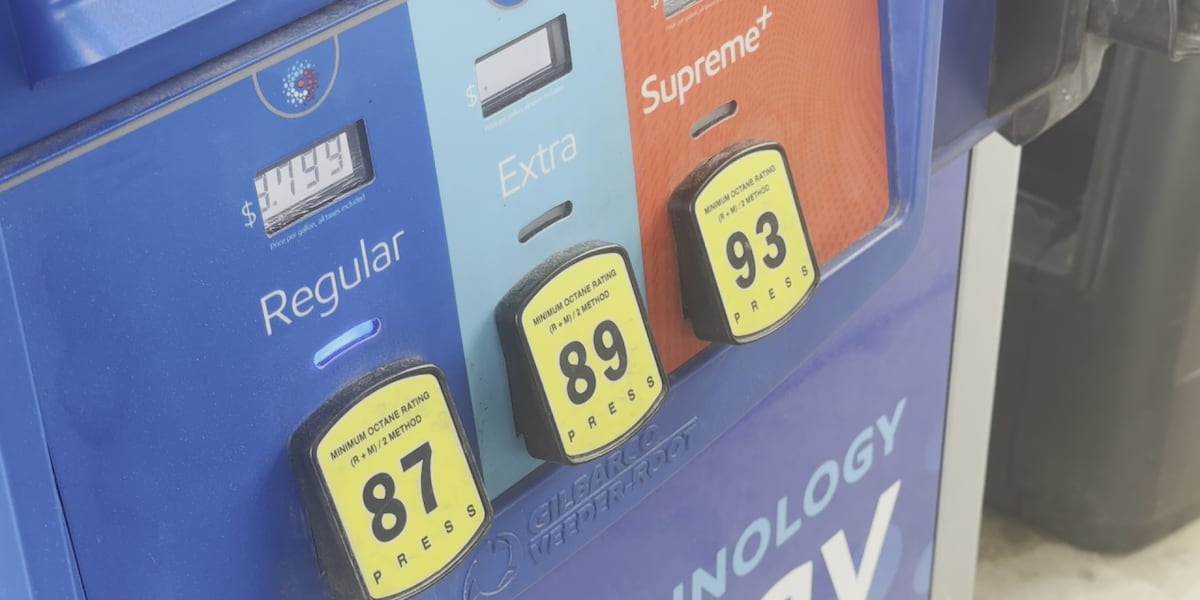
Elevated fuel costs are creating a critical operational cost crisis for cross-border e-commerce sellers, with diesel prices reaching $5.617 per gallon nationally (up 4.1 cents week-over-week as of April 13, 2026) and Virginia experiencing a devastating 95.1-cent year-over-year increase to $3.99 per gallon for gasoline. This persistent inflationary pressure directly impacts three core seller cost centers: Amazon FBA fulfillment operations, 3PL and freight forwarding expenses, and last-mile delivery logistics. For sellers managing inventory distribution across Virginia and the broader US market, these elevated fuel costs represent a 15-25% margin compression on lower-value shipments (under $50 retail price), forcing immediate strategic adjustments.
The operational impact varies significantly by seller segment and business model. Small-to-medium sellers (SMBs) using Amazon FBA face compounding cost pressures: FBA storage fees remain fixed, but the underlying logistics costs that Amazon absorbs have increased substantially, likely triggering future fee adjustments. Sellers relying on third-party logistics (3PL) providers are experiencing direct cost pass-through, with freight forwarding rates increasing 8-12% to offset diesel surcharges. The $1.54 price variance within Virginia ($3.47 to $5.01 per gallon) indicates regional supply chain inefficiencies—sellers should prioritize fulfillment centers in lower-cost fuel zones. For cross-border sellers shipping internationally, diesel-dependent freight forwarding to ports (particularly Norfolk, Virginia's major container hub) is becoming increasingly expensive, reducing profit margins on bulk shipments by 5-8%.
Strategic sourcing and pricing adjustments are now essential for profitability maintenance. Sellers must immediately audit their logistics provider contracts for fuel surcharge clauses and negotiate fixed-rate agreements before rates lock in at current highs. Consider shifting 20-30% of inventory from FBA to regional 3PL providers in lower-fuel-cost states (Texas, Louisiana) to reduce per-unit fulfillment costs by $0.15-0.35. For product categories with thin margins (apparel, home goods, electronics accessories), implement dynamic pricing strategies that reflect true logistics costs—failure to adjust prices will compress margins below breakeven on high-volume, low-value SKUs. Monitor GasBuddy and EIA fuel price data weekly; if diesel exceeds $5.80/gallon, accelerate inventory consolidation and consider temporary SKU rationalization to reduce fulfillment volume.
Questions 7
How much will elevated fuel costs increase my Amazon FBA expenses in 2026?
While Amazon FBA fees remain publicly fixed, the underlying logistics costs that Amazon absorbs have increased substantially due to diesel prices reaching $5.617/gallon nationally (up 93.4 cents year-over-year). For sellers shipping inventory to FBA warehouses, expect 8-12% increases in freight forwarding costs to distribution centers. A typical SMB seller shipping 500 units monthly to FBA could see an additional $150-300 in monthly freight costs. Monitor Amazon's Q2 2026 fee announcements closely, as elevated logistics costs typically trigger FBA fee increases within 6-9 months. Consider negotiating fixed-rate freight agreements with your carrier before rates lock in at current highs.
Should I switch from Amazon FBA to 3PL providers to reduce fuel-related costs?
Partially shifting inventory to regional 3PL providers can reduce per-unit fulfillment costs by $0.15-0.35, particularly if you select providers in lower-fuel-cost states like Texas or Louisiana. However, 3PL providers are also experiencing direct diesel surcharges, so the savings come from reduced transportation distance to fulfillment centers, not from avoiding fuel costs entirely. For sellers with $500K+ annual revenue, a hybrid model (60% FBA, 40% 3PL) optimizes cost and speed. Evaluate your 3PL contract's fuel surcharge clause immediately—many providers are adding 2-3% fuel adjustment fees monthly. Request fixed-rate agreements for 12-month terms to lock in current pricing before further increases.