





Legal Tech Revolution Reshapes Seller Compliance Costs | AI-Powered Fixed-Fee Model Emerges
- Law firms shift from billable hours to fixed-fee pricing; SME sellers face 15-25% higher compliance budgets as AI-generated queries increase legal processing time




















Overview
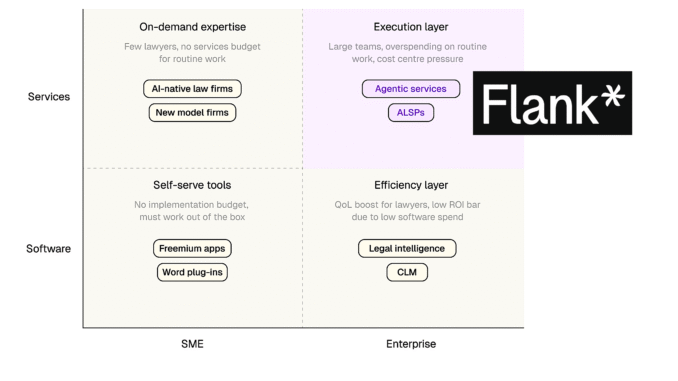
The legal services industry is undergoing a fundamental transformation driven by artificial intelligence adoption, with direct implications for cross-border e-commerce sellers' operational budgets. Three converging trends are reshaping how sellers access legal counsel: (1) AI-generated query inefficiency creating higher billable hours, (2) fixed-fee pricing models replacing traditional hourly billing, and (3) emerging boutique legal tech firms offering cost-competitive alternatives to traditional law firms.
The AI Query Paradox for Sellers: Law firms report a surge in AI-generated client inquiries from tools like ChatGPT and Claude that contain redundancies, lack proper context, and misinterpret legal concepts. This forces attorneys to spend additional billable hours parsing and clarifying submissions before providing actual counsel. For cross-border e-commerce sellers relying on legal services for compliance documentation, contract review, trademark disputes, and customs clearance, this trend translates directly to higher legal expenses. SMEs and startups—which typically operate with tighter budgets—face disproportionate cost increases as firms implement new billing structures to account for AI-generated query processing time.
Fixed-Fee Model Emergence: Elite firms like Cleary Gottlieb are pioneering outcomes-based and fixed-fee pricing structures, with their tech subsidiary ClearyX completing due diligence work at approximately 50% of traditional associate costs while delivering superior quality. The firm deployed Legora software for document review and contract comparison, plus Harvey's software for specialized practice areas. In 2024, Cleary Gottlieb acquired Springbok AI, adding 10 data scientists—a rare move signaling law firms' commitment to technology-driven service delivery. This shift from hourly billing to fixed-fee models removes scale as a competitive advantage, enabling smaller, tech-savvy firms to compete effectively against giants.
Accessibility Expansion: Monica Goyal, VP of Legal Innovation at Caravel Law, emphasizes that AI and legal technology can bridge the justice gap—with 50% of legal needs in North America remaining unmet due to cost or complexity. This signals emerging opportunities for sellers to access affordable legal services through AI-powered platforms like My Legal Briefcase, which focus on access-driven solutions for underserved populations. The broader trend indicates legal services are becoming more commoditized and accessible, potentially reducing long-term costs for sellers who adopt these emerging platforms.
Seller Impact Timeline: Immediate cost increases (2025-2026) as traditional firms adjust billing structures, followed by stabilization (2026-2027) as fixed-fee and AI-powered alternatives mature. Sellers should anticipate 15-25% budget increases for compliance-related legal services in the near term, with potential 20-30% reductions once boutique legal tech firms scale operations.
Questions 8
How does AI improve legal service accessibility for SME sellers?
According to the World Justice Project, over 50% of legal needs in North America remain unmet due to cost or complexity. AI and legal technology platforms are bridging this gap by automating routine work like document review, contract comparison, and legal research. Generative AI and large language models simplify legal workflows, enabling platforms like My Legal Briefcase and Caravel Law to serve underserved populations at lower costs. For SME sellers, this means access to affordable compliance documentation, trademark dispute resolution, and customs clearance services that were previously cost-prohibitive. The trend indicates legal services are becoming more commoditized and accessible.
What timeline should I expect for legal cost changes in 2025-2026?
Immediate cost increases are expected in 2025-2026 as traditional law firms adjust billing structures to account for AI-generated query processing time. Fixed-fee and AI-powered alternatives will mature during 2026-2027, potentially reducing long-term costs by 20-30% for sellers who adopt these emerging platforms. Budget for 15-25% increases in compliance-related legal expenses in the near term, with stabilization expected once boutique legal tech firms scale operations and establish market pricing. Monitor your law firm's pricing announcements and consider switching to fixed-fee providers by mid-2025.