




Gaming Platform Monopoly Fears Drive Exclusive Content Strategy | Seller Implications
- Historical analysis reveals how market dominance shapes publisher relationships and exclusive content distribution across gaming platforms, impacting 50M+ global gamers and digital merchandise sellers


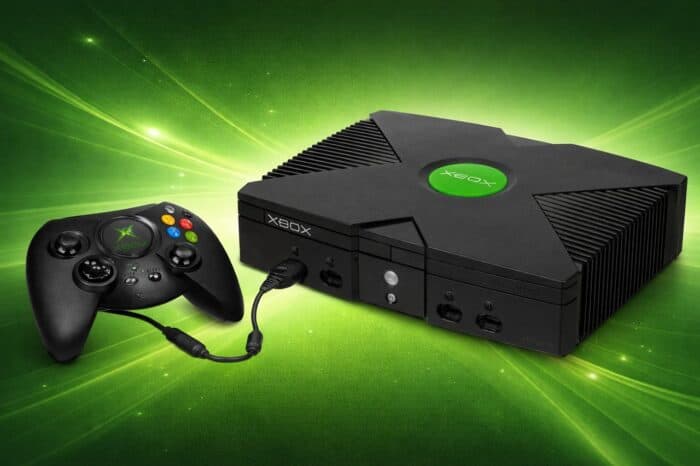


Overview
Platform Exclusivity and Market Power Dynamics Shape Digital Content Distribution
The historical insights from former Xbox executive Ed Fries reveal critical lessons about how market dominance and competitive positioning influence exclusive content deals—a pattern directly applicable to modern e-commerce platform strategies. Between 2001-2010, major Japanese publishers including Square Enix, Capcom, Konami, and Tecmo wanted to support Xbox as a competitive alternative to Sony's PlayStation dominance but faced internal constraints preventing overt support. Publishers feared potential retaliation from Sony, which controlled the lucrative gaming ecosystem, and worried about being frozen out of PlayStation's distribution channels if they supported Xbox too openly. This created a paradox: developers recognized that monopolistic market conditions would limit their negotiating power and business flexibility, yet couldn't risk their primary revenue relationships.
The Strategic Implications for Digital Marketplace Sellers
This dynamic mirrors modern e-commerce platform relationships where sellers face similar constraints. Just as game publishers balanced multiple platform relationships, cross-border sellers must navigate Amazon, eBay, Shopify, and regional marketplaces while managing inventory, pricing, and exclusive content strategies. The Xbox case demonstrates how market concentration (PlayStation's 70%+ market share in early 2000s) creates asymmetric power dynamics that suppress competition. When Microsoft finally secured meaningful Japanese publisher support after Phil Spencer's direct engagement strategy, it took nearly 15 years and required persistent relationship-building—a timeline relevant to sellers entering new marketplace ecosystems.
Exclusive Content as Competitive Leverage
The inability to secure Final Fantasy exclusivity—one of gaming's most valuable franchises—reportedly impacted Xbox's market positioning during critical console generation transitions. This illustrates how exclusive content functions as a competitive lever in platform ecosystems. For digital sellers, this translates to exclusive product listings, brand partnerships, and category dominance strategies. Sellers who secure exclusive distribution rights for trending products (gaming peripherals, collectibles, merchandise) gain significant Buy Box advantages and pricing power. The news reveals that publishers managed exclusive arrangements strategically to maintain leverage with multiple platform holders—a tactic modern sellers employ through selective marketplace presence and exclusive brand partnerships.
Geopolitical and Economic Context of Platform Investment
Microsoft's February 2000 decision to greenlight Xbox emerged from defensive corporate strategy during a period of significant anxiety about Asian economic ascendancy. Bill Gates and Steve Ballmer initially opposed the project as a billion-dollar loss but approved it due to concerns about Japan's rising technological dominance and potential to surpass US GDP. This geopolitical calculus—investing $2B+ to compete against an entire regional economy rather than a single competitor—reveals how platform investments transcend product categories. For sellers, this indicates that major marketplace investments (Amazon FBA expansion, Shopify Plus adoption, regional marketplace entry) often reflect broader competitive positioning rather than immediate ROI calculations. Understanding these macro-level strategic decisions helps sellers anticipate platform evolution and investment priorities.
Questions 8
What does Tecmo's Dead or Alive strategy reveal about subtle competitive signaling?
Tecmo's decision to develop Dead or Alive games for Xbox was characterized as a subtle message to Sony, intended to encourage competitive market dynamics without overtly challenging PlayStation dominance. This demonstrates how publishers use selective platform support as strategic signaling rather than explicit competitive moves. For sellers, this indicates that product placement, exclusive partnerships, and marketplace presence serve as signals to competitors and partners about strategic positioning. The news reveals that competitive dynamics operate through subtle relationship management rather than direct confrontation. Sellers should understand that their marketplace choices (which platforms to prioritize, which exclusive partnerships to pursue) communicate strategic intent to competitors and partners, influencing future relationship opportunities.
Why did Microsoft invest $2B+ in Xbox despite initial executive opposition?
Bill Gates and Steve Ballmer approved Xbox in February 2000 not due to gaming enthusiasm but as a defensive hedge against Japan's rising economic and technological dominance. At that time, Japan was on track to surpass US GDP, and Japanese companies dominated gaming through Nintendo and Sony. This geopolitical calculus—investing to compete against an entire regional economy—reveals that major platform investments often reflect macro-level competitive positioning rather than product-specific ROI. For sellers, this indicates that marketplace investments (Amazon FBA expansion, regional marketplace entry) reflect broader competitive strategies. Understanding these macro-level decisions helps sellers anticipate platform evolution and investment priorities that may not be immediately obvious from quarterly earnings.