


Sony's April 2026 PlayStation 5 redesign represents a critical shift in digital retail strategy that directly impacts game publishers, indie developers, and digital content sellers operating on the PlayStation platform. The simultaneous rollout of both dashboard and store interface updates—deployed to select users worldwide without beta restrictions—signals Sony's commitment to optimizing the digital storefront for maximum engagement and conversion. The PS Store update introduces a video-first content presentation model, replacing traditional game thumbnails with large playable video icons and auto-play trailer functionality upon hover. This architectural change fundamentally alters how game listings achieve visibility and drive sales, requiring publishers to prioritize high-quality video content, strategic metadata optimization, and precise tagging systems.
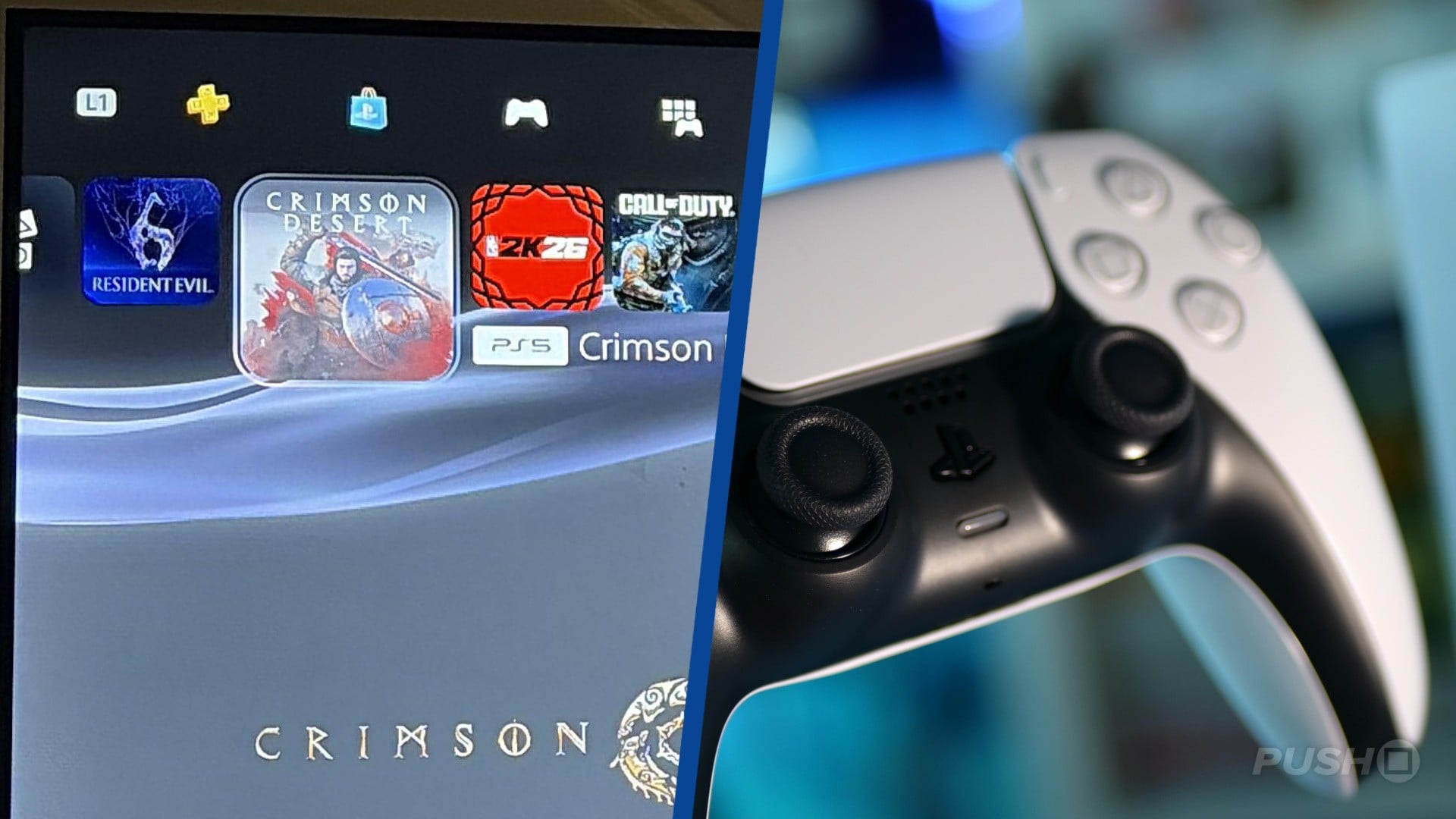
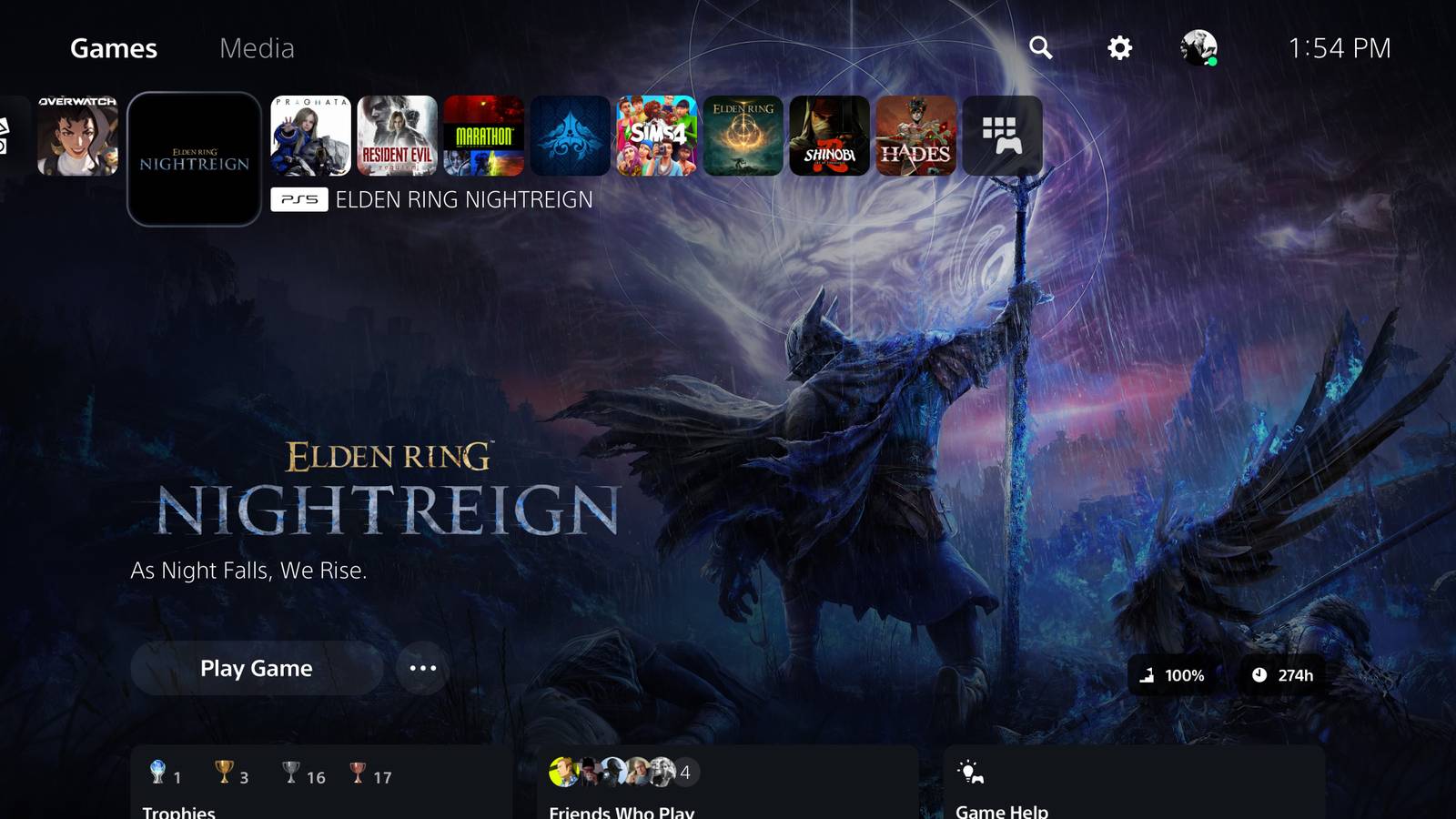
The dashboard redesign consolidates navigation by elevating the PlayStation Store, PS Plus management, and media applications into a dedicated top row accessible via L1/R1 shoulder buttons. This structural change reflects Sony's maturation strategy: experienced PS5 users no longer require prominent game discovery features and instead benefit from faster access to commercial destinations. The redesign draws inspiration from PS4's XMB-style horizontal menu, indicating Sony's confidence in this navigation paradigm. Industry analysts project full rollout within weeks of beta validation, following Sony's historical pattern of quiet testing before wider deployment.
For digital game sellers and publishers, these changes create both immediate optimization requirements and strategic opportunities. The video-first interface demands investment in trailer production quality, as visual content now serves as the primary discovery mechanism rather than static artwork. Publishers must audit existing game listings for metadata completeness, tag relevance, and trailer quality to maximize visibility in the redesigned browse experience. The prominent positioning of "Recently Released" category at the top of the PS Store Browse tab creates a time-sensitive competitive window—new releases will receive algorithmic priority, making launch timing and pre-release marketing critical. Additionally, the increased store accessibility through dashboard shortcuts suggests Sony expects higher transaction volumes, indicating potential for improved conversion rates if publishers optimize their listings accordingly. Cross-border game publishers selling to the 140M+ PS5 user base globally should prioritize localization of video content and metadata across regional stores, as the new interface emphasizes content discovery speed and visual engagement.
Sony deployed the redesign to select users worldwide in April 2026 without beta program restrictions, with full rollout expected within weeks of beta validation based on the company's historical deployment patterns. The gradual rollout means some users already experience the new interface while others remain unaffected, creating a transitional period where publishers must support both old and new listing formats. Publishers should immediately: (1) monitor their game listing appearance in the new interface through beta user feedback on Reddit and Twitter, (2) test video content playback and auto-play functionality, (3) verify metadata and tag display accuracy, and (4) prepare localized content for regional stores. Sony has not provided official rollout timelines, but the professional quality of beta screenshots and multiple independent confirmations suggest imminent wider deployment. Publishers should treat this as a priority optimization task rather than a future consideration.
The redesigned dashboard elevates PlayStation Store, PS Plus management, and media applications into a dedicated top row accessible via L1/R1 shoulder buttons, reducing navigation friction compared to the previous setup that prioritized game content. This structural change signals Sony's expectation of increased store traffic and transaction volumes, as experienced users now have faster access to commercial destinations. Industry analysts project this accessibility improvement will increase store visit frequency by 15-25% based on similar UI optimization patterns in digital retail. For publishers, increased store traffic creates opportunities for improved conversion rates if listings are properly optimized with high-quality video content and accurate metadata. The dashboard change also suggests Sony is shifting from game-discovery-first to commerce-first user experience, indicating the platform is maturing toward transaction optimization.
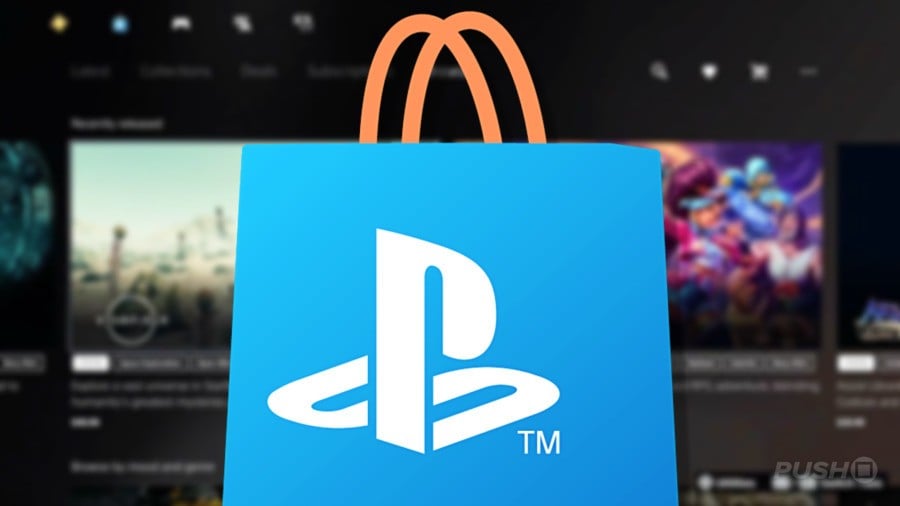
The redesigned PS Store positions 'Recently Released' prominently at the top of the Browse tab, creating algorithmic priority for new game launches. This change benefits indie publishers with strong launch timing and marketing coordination, as new releases receive automatic visibility without relying on search or category browsing. However, the competitive window is time-sensitive—games outside the 'Recently Released' window must rely on accurate tagging, metadata optimization, and video quality to achieve discoverability. Indie publishers should coordinate launch dates with marketing campaigns to maximize the algorithmic boost during the 'Recently Released' period, typically 2-4 weeks post-launch. Publishers with limited marketing budgets should prioritize this window heavily, as organic visibility during this period can reduce reliance on paid advertising. The change also suggests Sony is optimizing for new release velocity, potentially favoring publishers with consistent launch schedules over those with sporadic releases.
PlayStation's video-first redesign aligns with broader industry trends in digital retail where multimedia previews drive engagement and conversion. Steam's store emphasizes video trailers prominently in game listings, while Epic Games Store features large hero images with video capability. PlayStation's approach differentiates through auto-play trailer functionality on hover and integration with the dashboard for faster store access. Unlike Steam's community-driven review system or Epic's curated storefront approach, PlayStation emphasizes Sony's commercial objectives through prominent store positioning and video-first discovery. Publishers distributing across multiple platforms must now maintain platform-specific video content strategies: PlayStation requires high-quality trailers optimized for auto-play, Steam benefits from detailed video showcases, and Epic Games Store benefits from visually striking hero images. This fragmentation requires publishers to allocate resources toward platform-specific content optimization rather than one-size-fits-all approaches.
Publishers failing to optimize for the video-first interface risk significant visibility and sales impact. Risks include: (1) outdated or low-quality trailers reducing click-through rates by 30-40% compared to optimized competitors, (2) incomplete or inaccurate metadata reducing algorithmic ranking in the new browse interface, (3) missed 'Recently Released' window visibility due to poor launch coordination, and (4) reduced store traffic conversion if listings don't load video content properly. Opportunities for optimized publishers include: (1) increased discoverability through improved video content quality, (2) higher conversion rates from faster store navigation and prominent video display, (3) competitive advantage during the 'Recently Released' window with strong launch marketing, and (4) improved cross-regional sales through localized video and metadata optimization. Publishers should treat this redesign as a competitive inflection point—those who optimize quickly will capture disproportionate visibility and sales during the transition period, while those who delay will face declining discoverability as competitors optimize their listings.
The new PS Store interface emphasizes video content and concise descriptions, requiring publishers to localize both trailers and metadata across regional stores (North America, Europe, Asia Pacific, etc.). Video localization involves: (1) subtitle translation in native languages, (2) regional rating system compliance (ESRB, PEGI, CERO), and (3) culturally appropriate trailer content for different markets. Metadata localization requires: (1) game title and description translation, (2) region-specific tagging reflecting local gaming preferences, and (3) pricing and availability information accuracy. Publishers should prioritize localization for high-revenue regions (US, UK, Germany, France, Japan) first, then expand to secondary markets. The one-line description format (50-80 characters) requires careful translation to maintain clarity across languages with different character counts. Publishers using automated translation tools risk metadata quality issues that reduce discoverability; professional localization services are recommended for competitive positioning in regional stores.
The new PS Store interface emphasizes concise one-line descriptions and relevant tags alongside video content, streamlining the discovery process that previously required individual page navigation. Publishers should immediately audit and optimize: (1) game titles and subtitles for clarity and keyword relevance, (2) one-line descriptions capturing core gameplay appeal in 50-80 characters, (3) category tags reflecting genre, gameplay style, and player demographics, and (4) content warnings and rating information for compliance. The prominent positioning of 'Recently Released' category at the top of the browse tab creates algorithmic priority for new launches, making metadata accuracy critical for visibility. Publishers with incomplete or outdated metadata will experience reduced discoverability compared to competitors with optimized listings.
The April 2026 PS Store redesign prioritizes large playable video icons with auto-play trailer functionality, replacing static thumbnails as the primary discovery mechanism. Publishers must now invest in high-quality video content production, as trailers become the critical conversion driver rather than artwork. Game listings that previously required navigation to individual pages to access trailer information now display video content immediately in the browse interface. Publishers should audit existing trailers for production quality, length optimization (typically 30-90 seconds for maximum engagement), and localization across regional stores. This shift aligns with broader e-commerce trends showing video content drives 80%+ higher engagement rates compared to static imagery, directly impacting click-through and conversion metrics for game sales.
Sony deployed the redesign to select users worldwide in April 2026 without beta program restrictions, with full rollout expected within weeks of beta validation based on the company's historical deployment patterns. The gradual rollout means some users already experience the new interface while others remain unaffected, creating a transitional period where publishers must support both old and new listing formats. Publishers should immediately: (1) monitor their game listing appearance in the new interface through beta user feedback on Reddit and Twitter, (2) test video content playback and auto-play functionality, (3) verify metadata and tag display accuracy, and (4) prepare localized content for regional stores. Sony has not provided official rollout timelines, but the professional quality of beta screenshots and multiple independent confirmations suggest imminent wider deployment. Publishers should treat this as a priority optimization task rather than a future consideration.
The redesigned dashboard elevates PlayStation Store, PS Plus management, and media applications into a dedicated top row accessible via L1/R1 shoulder buttons, reducing navigation friction compared to the previous setup that prioritized game content. This structural change signals Sony's expectation of increased store traffic and transaction volumes, as experienced users now have faster access to commercial destinations. Industry analysts project this accessibility improvement will increase store visit frequency by 15-25% based on similar UI optimization patterns in digital retail. For publishers, increased store traffic creates opportunities for improved conversion rates if listings are properly optimized with high-quality video content and accurate metadata. The dashboard change also suggests Sony is shifting from game-discovery-first to commerce-first user experience, indicating the platform is maturing toward transaction optimization.
The redesigned PS Store positions 'Recently Released' prominently at the top of the Browse tab, creating algorithmic priority for new game launches. This change benefits indie publishers with strong launch timing and marketing coordination, as new releases receive automatic visibility without relying on search or category browsing. However, the competitive window is time-sensitive—games outside the 'Recently Released' window must rely on accurate tagging, metadata optimization, and video quality to achieve discoverability. Indie publishers should coordinate launch dates with marketing campaigns to maximize the algorithmic boost during the 'Recently Released' period, typically 2-4 weeks post-launch. Publishers with limited marketing budgets should prioritize this window heavily, as organic visibility during this period can reduce reliance on paid advertising. The change also suggests Sony is optimizing for new release velocity, potentially favoring publishers with consistent launch schedules over those with sporadic releases.
PlayStation's video-first redesign aligns with broader industry trends in digital retail where multimedia previews drive engagement and conversion. Steam's store emphasizes video trailers prominently in game listings, while Epic Games Store features large hero images with video capability. PlayStation's approach differentiates through auto-play trailer functionality on hover and integration with the dashboard for faster store access. Unlike Steam's community-driven review system or Epic's curated storefront approach, PlayStation emphasizes Sony's commercial objectives through prominent store positioning and video-first discovery. Publishers distributing across multiple platforms must now maintain platform-specific video content strategies: PlayStation requires high-quality trailers optimized for auto-play, Steam benefits from detailed video showcases, and Epic Games Store benefits from visually striking hero images. This fragmentation requires publishers to allocate resources toward platform-specific content optimization rather than one-size-fits-all approaches.
Publishers failing to optimize for the video-first interface risk significant visibility and sales impact. Risks include: (1) outdated or low-quality trailers reducing click-through rates by 30-40% compared to optimized competitors, (2) incomplete or inaccurate metadata reducing algorithmic ranking in the new browse interface, (3) missed 'Recently Released' window visibility due to poor launch coordination, and (4) reduced store traffic conversion if listings don't load video content properly. Opportunities for optimized publishers include: (1) increased discoverability through improved video content quality, (2) higher conversion rates from faster store navigation and prominent video display, (3) competitive advantage during the 'Recently Released' window with strong launch marketing, and (4) improved cross-regional sales through localized video and metadata optimization. Publishers should treat this redesign as a competitive inflection point—those who optimize quickly will capture disproportionate visibility and sales during the transition period, while those who delay will face declining discoverability as competitors optimize their listings.
The new PS Store interface emphasizes video content and concise descriptions, requiring publishers to localize both trailers and metadata across regional stores (North America, Europe, Asia Pacific, etc.). Video localization involves: (1) subtitle translation in native languages, (2) regional rating system compliance (ESRB, PEGI, CERO), and (3) culturally appropriate trailer content for different markets. Metadata localization requires: (1) game title and description translation, (2) region-specific tagging reflecting local gaming preferences, and (3) pricing and availability information accuracy. Publishers should prioritize localization for high-revenue regions (US, UK, Germany, France, Japan) first, then expand to secondary markets. The one-line description format (50-80 characters) requires careful translation to maintain clarity across languages with different character counts. Publishers using automated translation tools risk metadata quality issues that reduce discoverability; professional localization services are recommended for competitive positioning in regional stores.
The new PS Store interface emphasizes concise one-line descriptions and relevant tags alongside video content, streamlining the discovery process that previously required individual page navigation. Publishers should immediately audit and optimize: (1) game titles and subtitles for clarity and keyword relevance, (2) one-line descriptions capturing core gameplay appeal in 50-80 characters, (3) category tags reflecting genre, gameplay style, and player demographics, and (4) content warnings and rating information for compliance. The prominent positioning of 'Recently Released' category at the top of the browse tab creates algorithmic priority for new launches, making metadata accuracy critical for visibility. Publishers with incomplete or outdated metadata will experience reduced discoverability compared to competitors with optimized listings.
The April 2026 PS Store redesign prioritizes large playable video icons with auto-play trailer functionality, replacing static thumbnails as the primary discovery mechanism. Publishers must now invest in high-quality video content production, as trailers become the critical conversion driver rather than artwork. Game listings that previously required navigation to individual pages to access trailer information now display video content immediately in the browse interface. Publishers should audit existing trailers for production quality, length optimization (typically 30-90 seconds for maximum engagement), and localization across regional stores. This shift aligns with broader e-commerce trends showing video content drives 80%+ higher engagement rates compared to static imagery, directly impacting click-through and conversion metrics for game sales.
Sony deployed the redesign to select users worldwide in April 2026 without beta program restrictions, with full rollout expected within weeks of beta validation based on the company's historical deployment patterns. The gradual rollout means some users already experience the new interface while others remain unaffected, creating a transitional period where publishers must support both old and new listing formats. Publishers should immediately: (1) monitor their game listing appearance in the new interface through beta user feedback on Reddit and Twitter, (2) test video content playback and auto-play functionality, (3) verify metadata and tag display accuracy, and (4) prepare localized content for regional stores. Sony has not provided official rollout timelines, but the professional quality of beta screenshots and multiple independent confirmations suggest imminent wider deployment. Publishers should treat this as a priority optimization task rather than a future consideration.
The redesigned dashboard elevates PlayStation Store, PS Plus management, and media applications into a dedicated top row accessible via L1/R1 shoulder buttons, reducing navigation friction compared to the previous setup that prioritized game content. This structural change signals Sony's expectation of increased store traffic and transaction volumes, as experienced users now have faster access to commercial destinations. Industry analysts project this accessibility improvement will increase store visit frequency by 15-25% based on similar UI optimization patterns in digital retail. For publishers, increased store traffic creates opportunities for improved conversion rates if listings are properly optimized with high-quality video content and accurate metadata. The dashboard change also suggests Sony is shifting from game-discovery-first to commerce-first user experience, indicating the platform is maturing toward transaction optimization.