

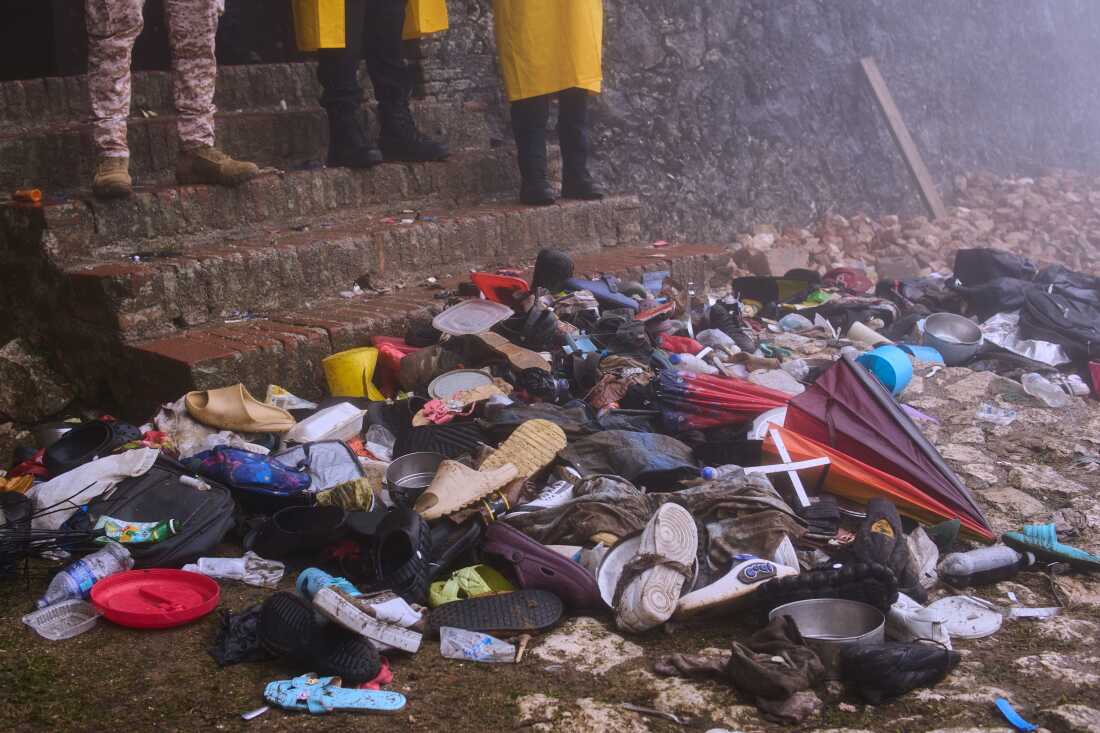


Haiti Tourism Crisis Signals Emerging Market Opportunity for Safety & Heritage Product Sellers
- Citadelle Laferrière stampede (25+ deaths, April 2026) reveals critical gaps in crowd management infrastructure, creating demand for safety equipment, tourism logistics solutions, and heritage merchandise across Caribbean e-commerce channels





Overview
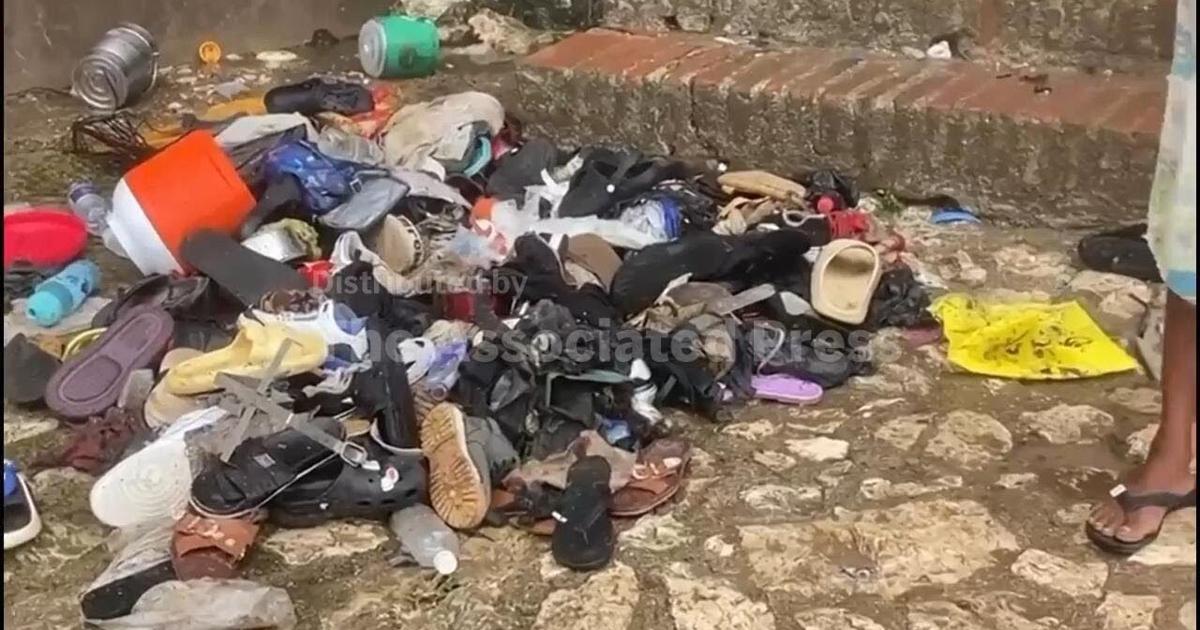
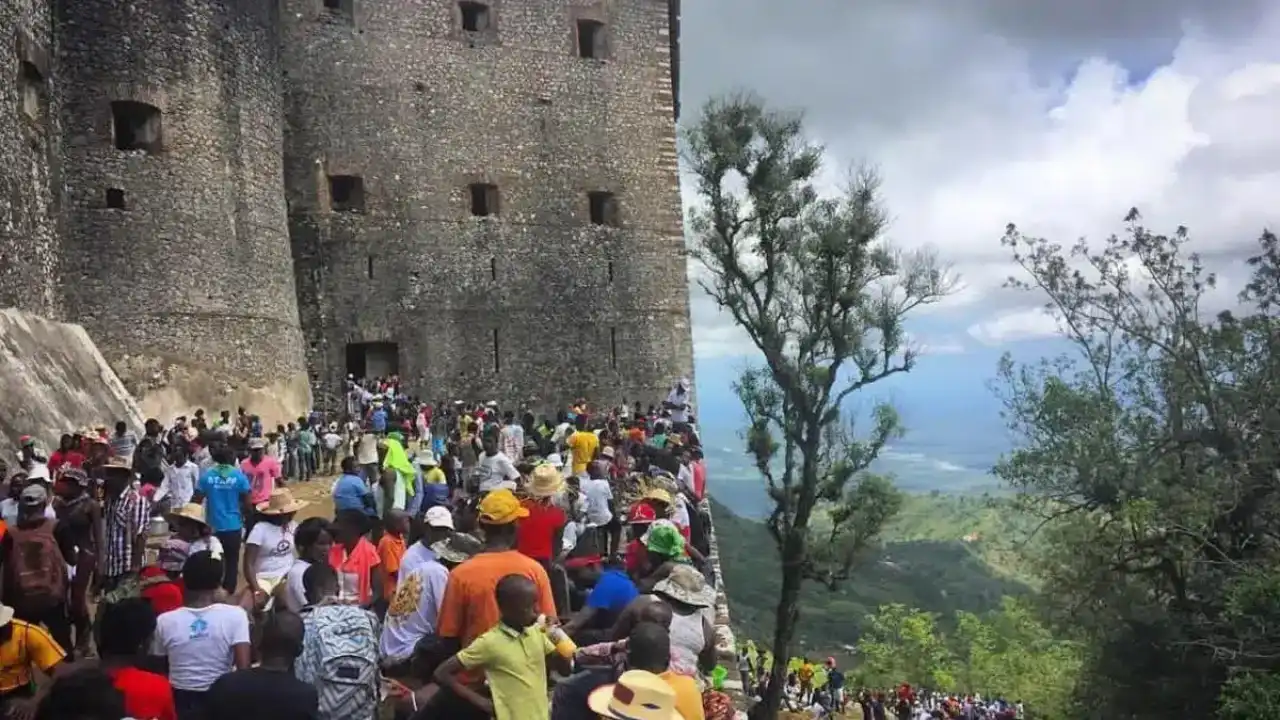
The April 12, 2026 stampede at Citadelle Laferrière in Milot, Haiti—resulting in at least 25 deaths and dozens injured during traditional festivities at the UNESCO World Heritage site—represents a critical inflection point for e-commerce sellers targeting Caribbean tourism infrastructure and safety product categories. While the tragedy itself is humanitarian in nature, it exposes systemic gaps in crowd management, emergency response capabilities, and visitor safety infrastructure that directly create market opportunities for cross-border sellers.
Market Opportunity Analysis: Haiti's tourism sector, centered on UNESCO heritage sites like Citadelle Laferrière, attracts approximately 600,000+ annual visitors pre-pandemic levels. The stampede—attributed by Cap-Haïtien municipal authorities to "severe overcrowding and deficiencies in crowd management measures"—signals urgent demand for safety equipment, crowd control systems, and emergency response products. E-commerce sellers can capitalize on this through multiple product categories: (1) Safety Equipment: Portable crowd management barriers, emergency medical kits, first-aid supplies, and personal safety devices targeting tour operators and government agencies; (2) Heritage Tourism Products: Branded merchandise, educational materials, and commemorative items related to Haitian historical sites; (3) Logistics Solutions: Booking management software, visitor flow analytics tools, and capacity monitoring systems for tourism operators.
Seller Segment Implications: Small-to-medium sellers (SMBs) specializing in safety equipment and tourism infrastructure products can target Caribbean marketplace channels (Amazon.com, eBay, Shopify) with localized marketing toward Haiti's tourism recovery initiatives. The incident affected school groups and academic achievement programs, indicating institutional buyers (government agencies, educational organizations, tour operators) represent high-value B2B segments. Regional sellers in Dominican Republic, Jamaica, and Puerto Rico can leverage proximity advantages for fulfillment to Haiti and neighboring Caribbean nations. The 30 hospitalized victims and ongoing investigations suggest sustained demand for medical supplies, emergency response equipment, and safety training materials over 6-12 month recovery period.
Platform & Operational Context: Amazon Business and specialized B2B marketplaces offer channels for selling safety equipment and crowd management solutions to Caribbean government agencies and tourism operators. Sellers should monitor Haiti's post-incident regulatory environment—the Haitian National Police investigation will likely trigger new safety standards for tourist attractions, creating compliance-driven purchasing cycles. Cross-border logistics to Haiti present challenges (limited fulfillment infrastructure, customs complexity), but 3PL providers specializing in Caribbean distribution can mitigate these barriers. The tragedy also creates content marketing opportunities: sellers can develop educational resources about crowd safety, emergency preparedness, and heritage site management to build authority in tourism safety verticals.
Questions 8
What e-commerce opportunities emerge from the Haiti tourism safety incident?
The April 2026 Citadelle Laferrière stampede (25+ deaths) reveals critical gaps in crowd management infrastructure at Caribbean tourist attractions, creating immediate demand for safety equipment, emergency response products, and visitor management systems. E-commerce sellers can target tour operators, government agencies, and educational institutions with portable barriers, medical kits, first-aid supplies, and crowd monitoring software. Haiti's tourism sector attracts 600,000+ annual visitors, and post-incident regulatory changes will likely mandate new safety standards, driving compliance-driven purchasing cycles over 6-12 months. Sellers should prioritize B2B channels (Amazon Business, specialized marketplaces) and develop localized marketing toward Caribbean tourism recovery initiatives.
How should sellers approach cross-border logistics to Haiti post-incident?
Haiti presents fulfillment challenges (limited infrastructure, customs complexity) but growing institutional demand justifies investment. Sellers should partner with 3PL providers specializing in Caribbean distribution to manage customs clearance, port logistics, and last-mile delivery. Amazon Business and regional marketplaces offer channels for B2B sales to government agencies and tour operators. Consider inventory positioning in Dominican Republic or Jamaica for faster fulfillment to Haiti. Monitor Haitian National Police investigation outcomes—new safety regulations will trigger predictable purchasing cycles from tourism operators and government agencies over next 6-12 months.