


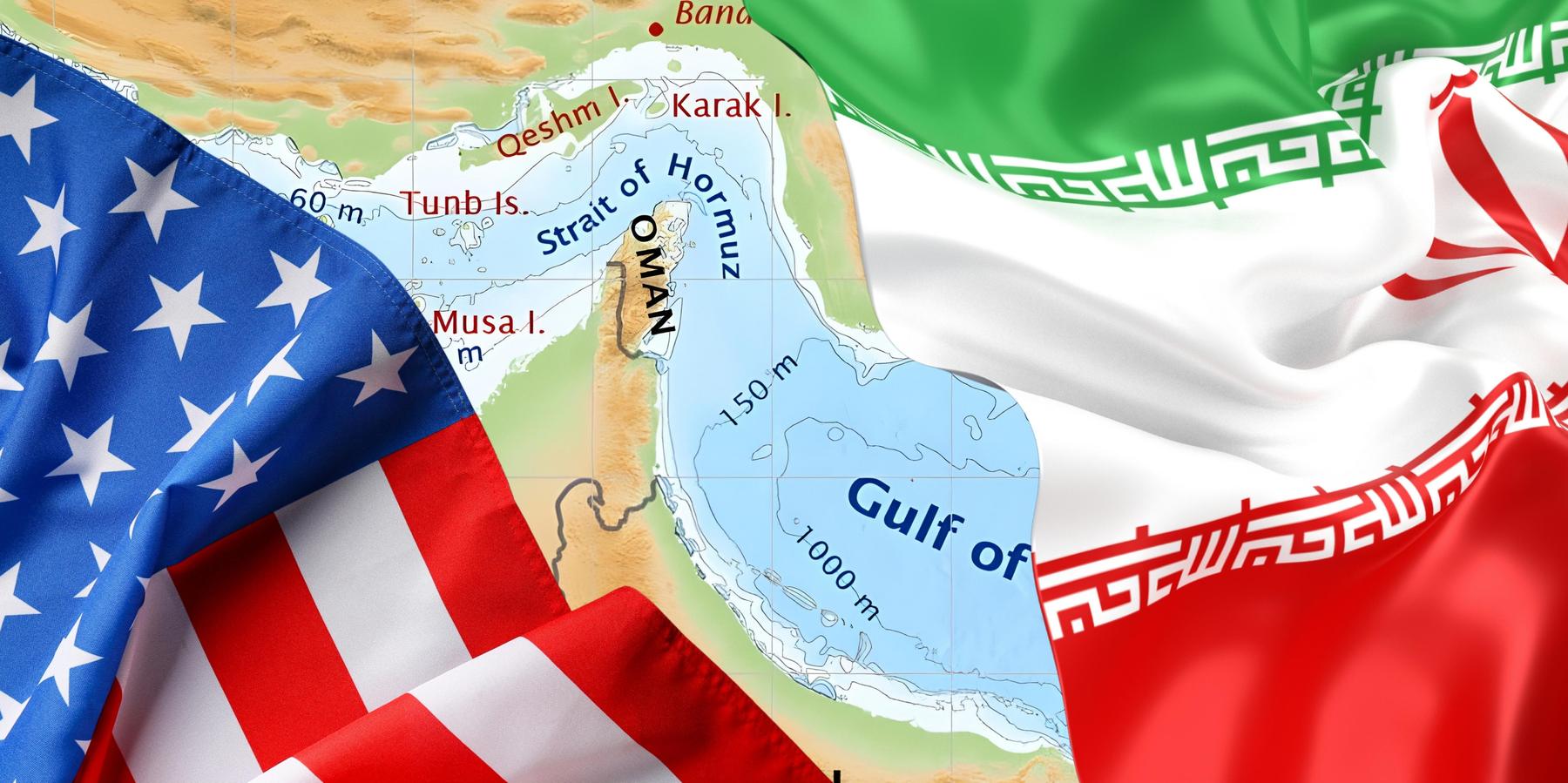


Strait of Hormuz Blockade Triggers 8% Oil Surge | Critical Supply Chain Disruption for Cross-Border Sellers
- Brent crude jumps to $103/barrel; shipping costs increase 12-18% for Asia-Middle East routes; 187 tankers stranded in Persian Gulf; sellers face 3-6 week delivery delays














Overview
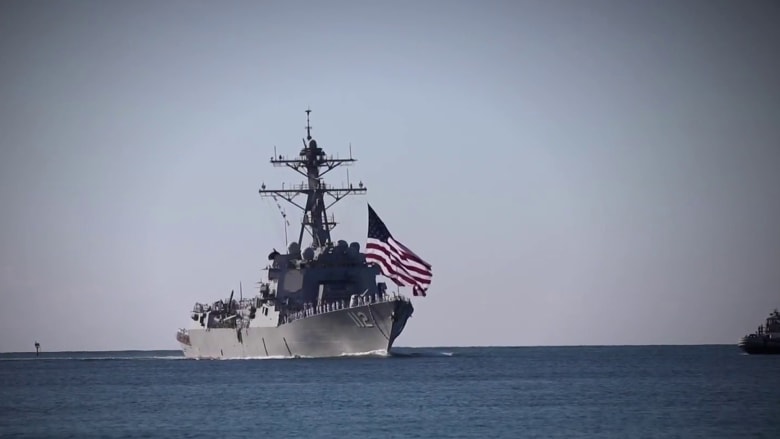
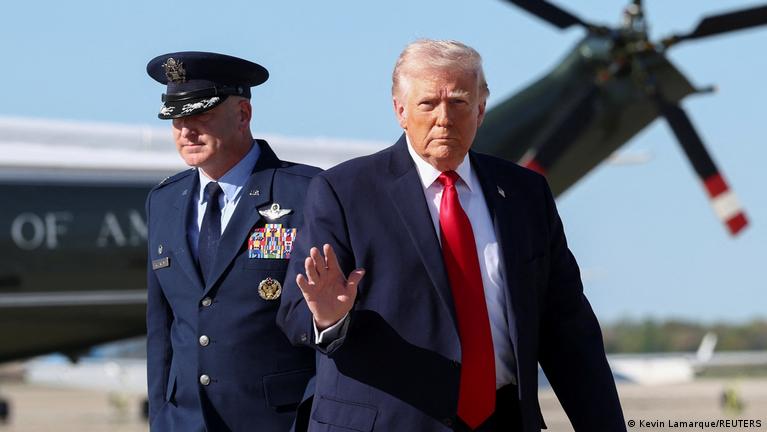
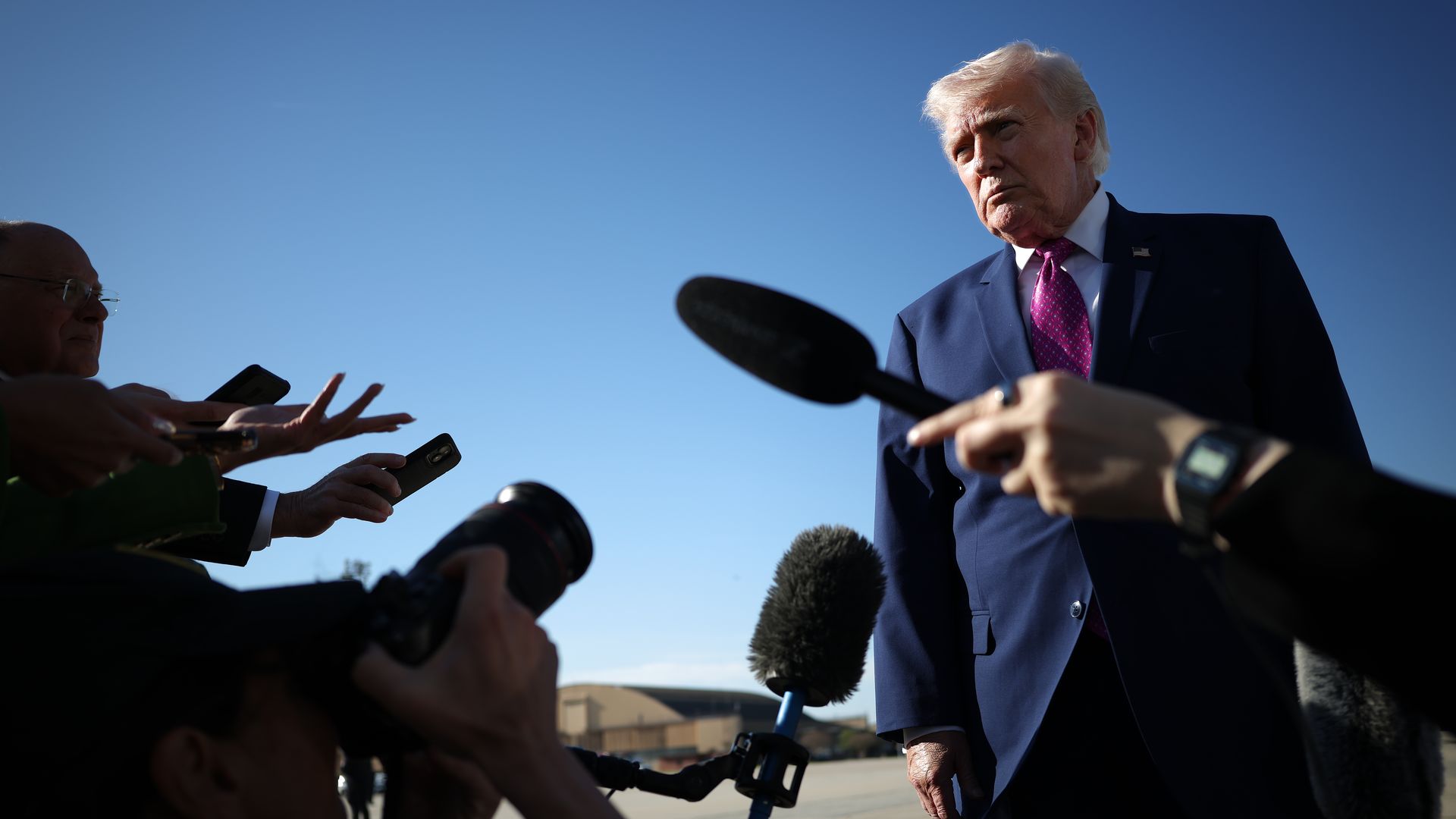
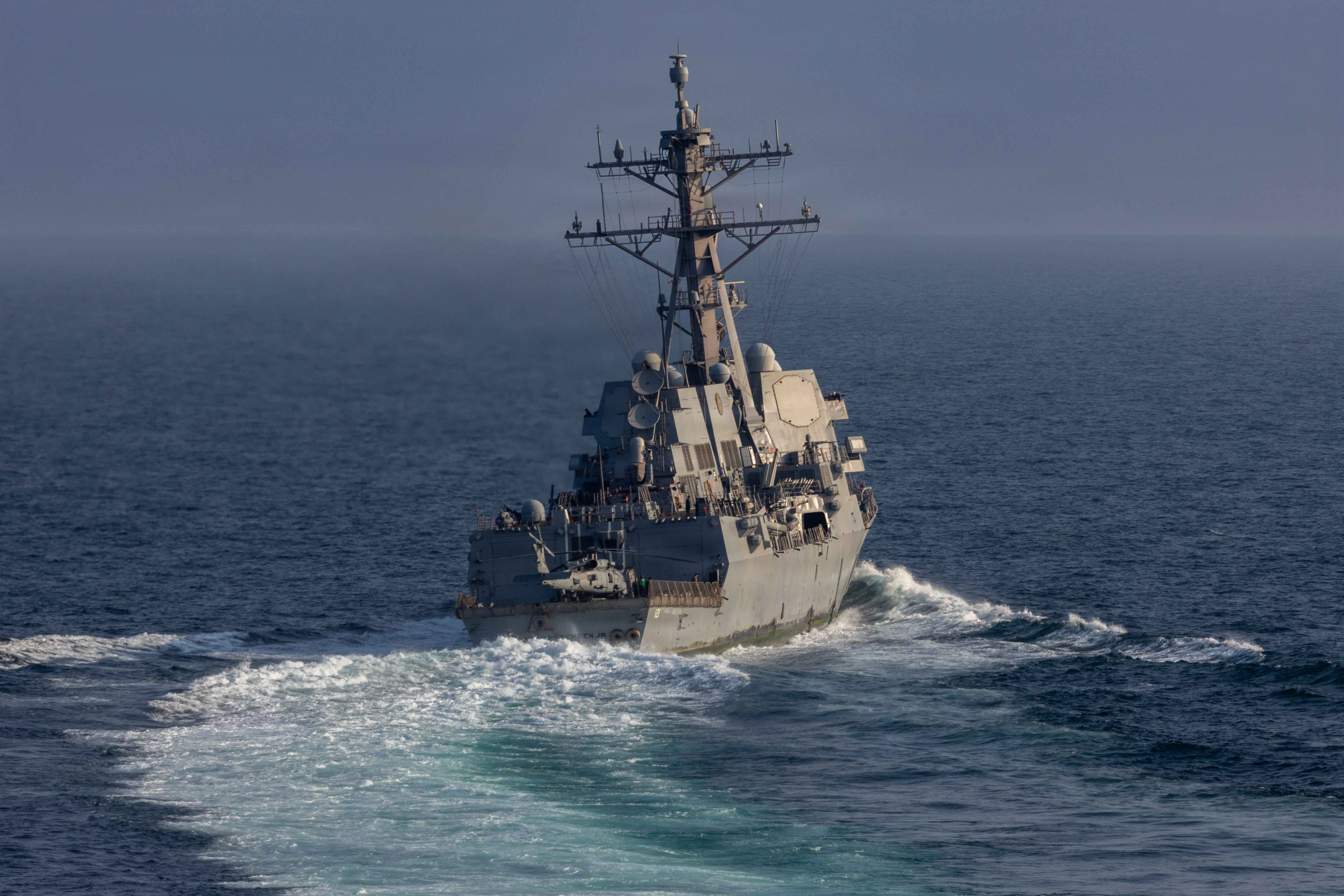
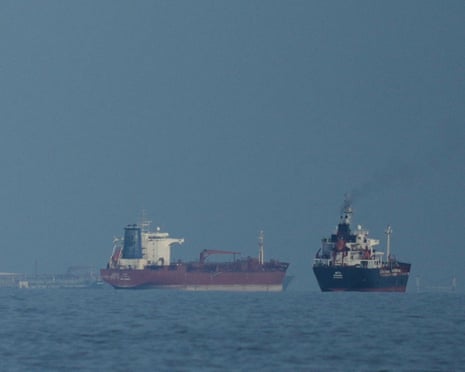
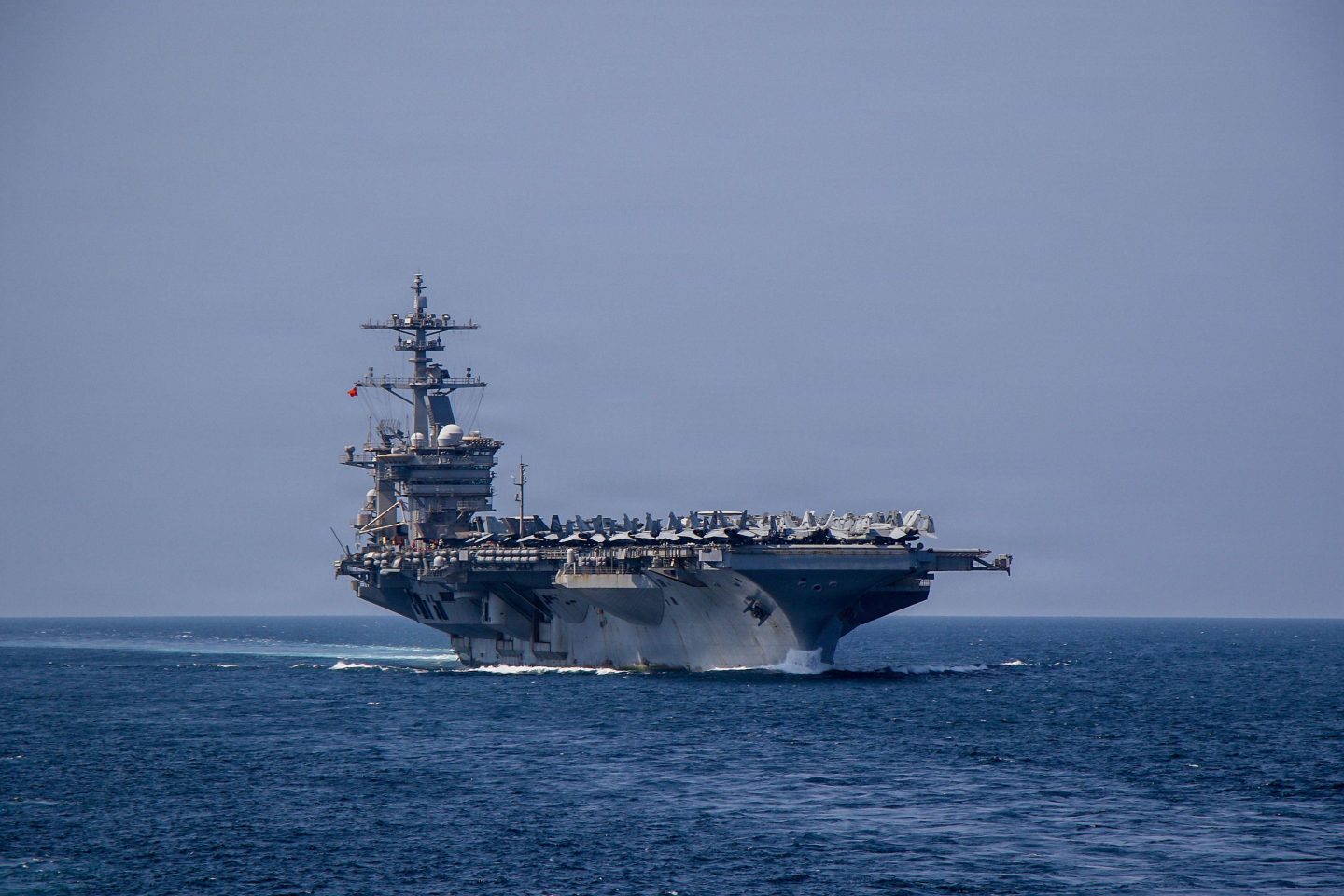
The US Navy's blockade of Iran's ports, effective April 14, 2026 at 10:00 AM ET, represents a critical geopolitical escalation with immediate consequences for global cross-border e-commerce logistics. Following failed 21-hour peace negotiations in Islamabad, President Trump announced the blockade would target all vessels entering or departing Iranian ports in the Persian Gulf and Gulf of Oman, removing approximately 1.84-2 million barrels of Iranian crude oil daily from global markets. This action immediately triggered an 8% surge in Brent crude oil to $103+ per barrel (up from $70 pre-conflict levels), with US crude rising 8% to $104.24 per barrel.
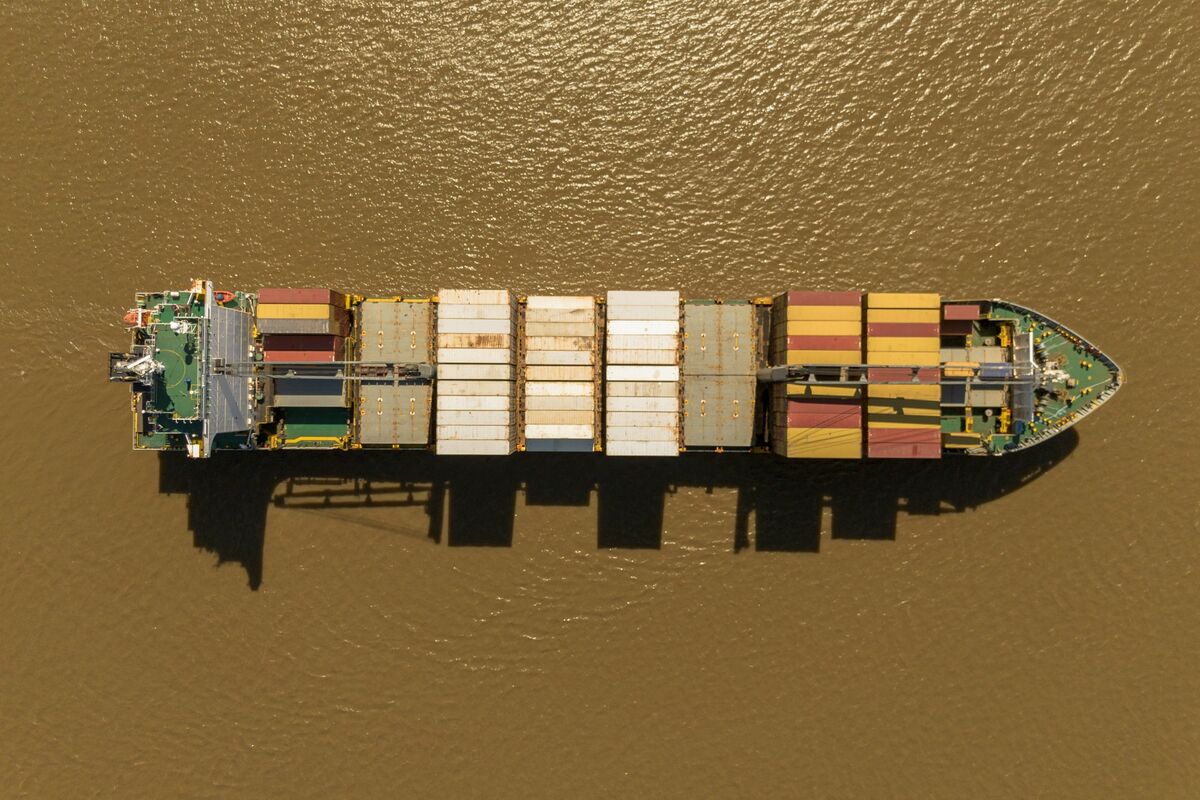
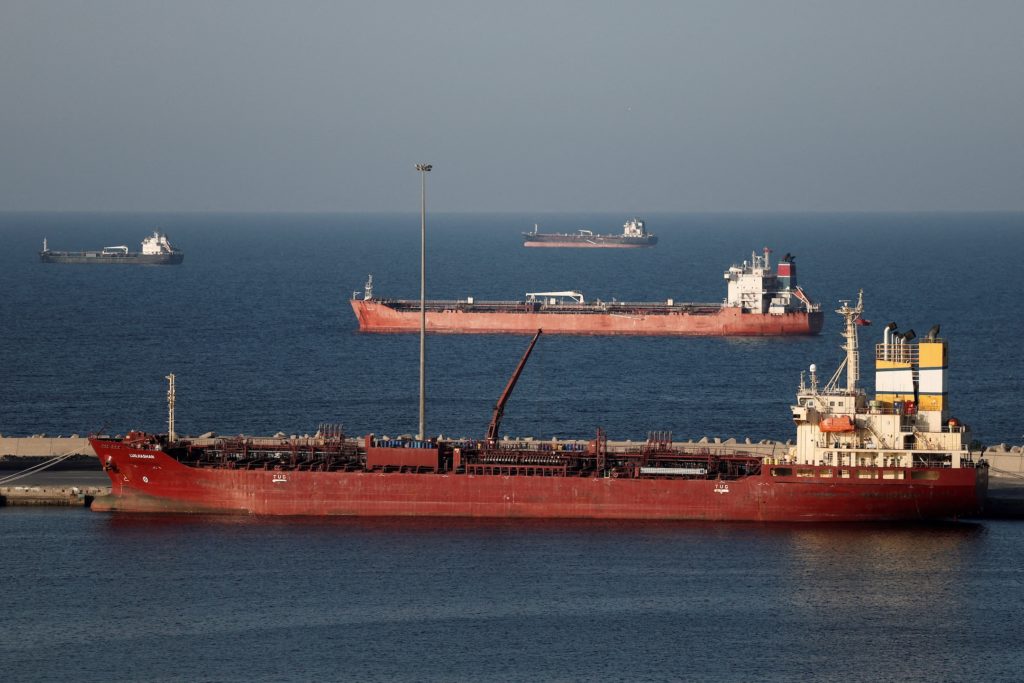
Critical Supply Chain Impact: The Strait of Hormuz handles approximately 20-33% of global seaborne oil and natural gas exports, with only 17 vessels crossing on blockade announcement day versus 130 daily transits during peacetime. Currently, 187 laden tankers carrying 172 million barrels remain stranded inside the Persian Gulf. For cross-border e-commerce sellers, this creates immediate cost pressures: elevated fuel surcharges increase sea freight costs 12-18% on Asia-to-US and Asia-to-Europe routes, while air freight premiums spike 15-25%. Sellers importing goods from China, Vietnam, India, or the Middle East face extended transit times of 3-6 weeks as vessels reroute around Africa via the Cape of Good Hope, adding 10-14 days to standard Suez Canal routes.
Seller Segment Vulnerability: Small-to-medium sellers (SMBs) relying on just-in-time inventory models face the highest operational risk, with potential stockouts affecting 40-60% of inventory within 4-8 weeks. Large sellers with 60+ days of safety stock can absorb disruptions but face margin compression of 5-8% on products with <20% gross margins. Sellers dependent on Middle Eastern suppliers (electronics components, textiles, chemicals) experience immediate sourcing delays. China's crude oil imports—historically 16% from Iran—face supply constraints, potentially increasing manufacturing costs for goods produced in Chinese factories by 3-5% as energy costs rise.
Currency and Pricing Volatility: Asian stock markets declined sharply (Japan's Nikkei 225 fell 0.9%, South Korea's KOSPI dropped 1%+), creating currency headwinds for sellers pricing in USD while sourcing in CNY, INR, or VND. The geopolitical uncertainty increases payment processing volatility and insurance costs for maritime shipments by 8-12%. Sellers must immediately reassess pricing strategies, particularly for products with thin margins or long lead times.
Strategic Opportunity Window: The blockade's sustainability remains uncertain—Pentagon officials acknowledge the mission is "difficult to execute alone and likely unsustainable over the medium to long term." This creates a 4-12 week window where sellers can exploit temporary supply constraints by: (1) accelerating inventory purchases before further price increases, (2) shifting sourcing to India (receiving first Iranian crude shipment in 7 years, signaling improved supply), and (3) diversifying away from Persian Gulf-dependent suppliers. Sellers who pre-position inventory in regional fulfillment centers before route disruptions worsen gain competitive advantages over slower-moving competitors.
Questions 8
How much will shipping costs increase for sellers importing from Asia due to the Strait of Hormuz blockade?
Sea freight costs are increasing 12-18% on Asia-to-US and Asia-to-Europe routes due to elevated fuel surcharges triggered by the 8% oil price surge to $103+ per barrel. Air freight premiums spike 15-25% as alternative routing becomes necessary. Sellers rerouting around Africa via Cape of Good Hope face 10-14 additional days in transit time, increasing carrying costs and working capital requirements. For a typical 40-foot container from Shanghai to Los Angeles, expect additional costs of $800-1,200 per shipment. SMBs shipping 50-100 containers monthly will see monthly logistics cost increases of $40,000-120,000.
What is the competitive advantage for sellers who act quickly during the blockade?
Sellers who pre-position inventory in regional fulfillment centers before route disruptions worsen gain 4-8 week competitive advantages over slower-moving competitors. Early acceleration of inventory purchases before further price increases locks in lower costs—each week of delay risks additional 1-2% cost increases as oil prices remain elevated. Sellers who shift sourcing to India or Vietnam ahead of competitors secure supplier capacity before supply constraints tighten. Establishing alternative routing agreements with 3PL providers now provides negotiating leverage before freight capacity becomes scarce. The 4-12 week window before potential policy reversal creates a limited opportunity to build inventory buffers and secure supplier relationships before competitors recognize the opportunity.