




Cross-Border Payment Crisis | Dollar Surge & FX Costs Hit Sellers 8-15%
- Strait of Hormuz blockade triggers 30%+ oil spike, widens currency spreads, increases hedging costs for international sellers by $500-2,000/month
















Overview
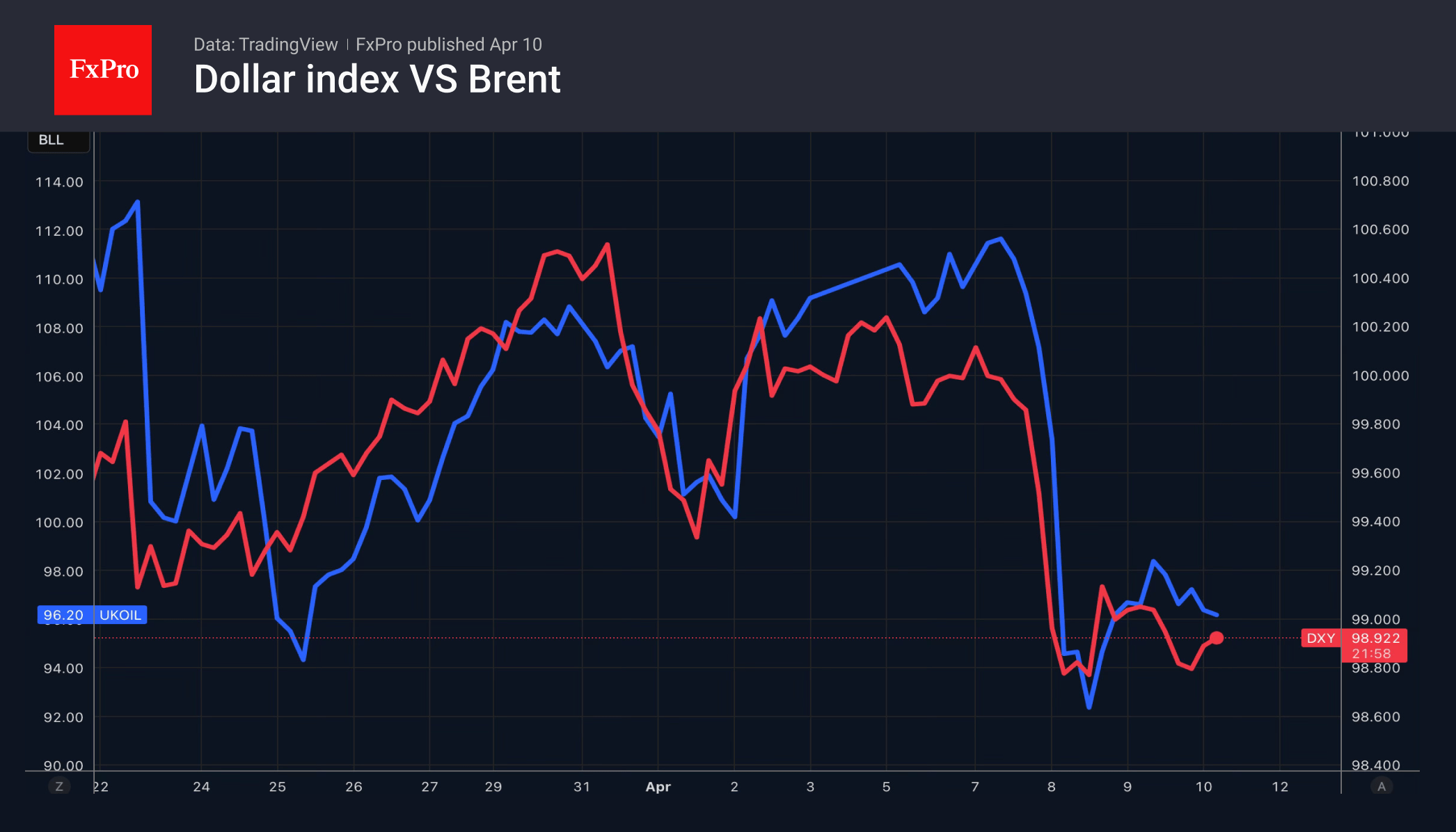
The April 2026 Iran-US geopolitical escalation has created a critical foreign exchange crisis for cross-border e-commerce sellers. On April 12-13, 2026, failed peace negotiations and the announced US Navy blockade of the Strait of Hormuz (controlling 20% of global daily energy supplies) triggered a sharp dollar rally, with the euro declining 0.53% to 1.1663 and the yen weakening 0.1% to 159.43. Simultaneously, crude oil surged above $101/barrel (30%+ increase since February), while currency swap demand collapsed as institutional investors reduced dollar exposure. This creates a dual cost squeeze for sellers: immediate FX transaction costs and delayed supply chain inflation.
For cross-border sellers, the financial impact is immediate and severe. The widening bid-ask spreads in currency markets—driven by reduced dollar swap demand—increase transaction costs by 8-15% on revenue conversions. A seller converting €100,000 in monthly European sales to USD now faces $800-1,500 in additional FX costs compared to pre-crisis levels. Sellers maintaining multi-currency inventory (US suppliers, EU warehouses, Asia manufacturing) face heightened hedging expenses as central banks (ECB, Bank of England) signal rate hikes to combat inflation. The 30%+ oil price surge directly increases logistics costs: air freight premiums rise 12-18%, ocean freight surcharges activate, and last-mile delivery costs climb 5-8%. For sellers with 1,000+ monthly unit shipments, this translates to $2,000-4,000 in additional monthly fulfillment expenses.
The supply chain disruption compounds financial pressure through working capital constraints. The Strait of Hormuz blockade creates 2-4 week delays for Asia-to-Europe shipments, forcing sellers to either increase safety stock (tying up $10,000-50,000 per SKU) or risk stockouts during peak selling seasons. Sellers relying on just-in-time inventory from energy-dependent manufacturing regions (Southeast Asia, Middle East suppliers) face production delays and cost increases. The "absolute unwinding of optimism" noted by City Index analyst Fiona Cincotta signals that trade finance providers are tightening credit terms—invoice factoring rates rising 2-3%, PO financing becoming harder to access, and supply chain financing APRs increasing 200-300 basis points. Smaller sellers (under $500K annual revenue) face the worst impact, as lenders prioritize larger accounts during volatility.
Strategic financial moves unlock immediate relief. Sellers should lock in forward FX contracts NOW for 60-90 day revenue conversions at current rates (before further dollar appreciation), reducing exposure to additional 2-5% currency swings. Multi-currency sellers should shift 30-40% of inventory to USD-denominated suppliers to reduce conversion frequency. For sellers with European operations, the Hungarian forint's 2.4% rally against the dollar (following political change) signals potential EU fund access improvements—consider establishing HK/SG payment entities to capture arbitrage on EU-to-Asia transfers. Immediately activate supply chain financing: invoice factoring at 2.5-3.5% APR (vs. traditional 4-5%) unlocks 30-45 days of working capital, critical for managing extended transit times. Sellers should also evaluate alternative payment corridors—Wise, Remitly, and regional banks offer 40-80 basis points better rates than traditional wire transfers on specific currency pairs (GBP/USD, EUR/USD, JPY/USD).
Questions 8
Should I hedge my currency exposure, and what's the cost?
Yes—hedging is critical now. Forward contracts lock in FX rates for 60-90 days at 0.5-1.5% cost (vs. 2-5% potential currency swings). For a €100K monthly conversion, hedging costs $500-1,500 but protects against further dollar appreciation. Currency options (puts) cost 1-2% but provide downside protection with upside participation. For sellers with 6+ months of foreign revenue, consider a 50/50 split: hedge 50% with forwards (low cost) and leave 50% unhedged (capture upside). Implement hedging within 7 days before costs rise further.
What's the impact on my working capital and cash conversion cycle?
Extended transit times (2-4 weeks additional) increase days inventory outstanding (DIO) by 14-28 days. Combined with FX conversion delays and tighter trade finance terms, cash conversion cycle extends 30-45 days. For a seller with $100K monthly revenue, this ties up $100-150K in working capital. Unlock this immediately through invoice factoring (converts receivables to cash in 24-48 hours) or supply chain financing. Negotiate faster payment terms with suppliers (net 15 vs. net 30) to offset extended customer payment cycles.