


South Korea-Israel Trade Tensions | Seller Impact on Tech & Defense Exports
- Rare diplomatic rift threatens $2.1B+ bilateral trade in semiconductors, defense tech, and commercial goods between Seoul and Tel Aviv








Overview
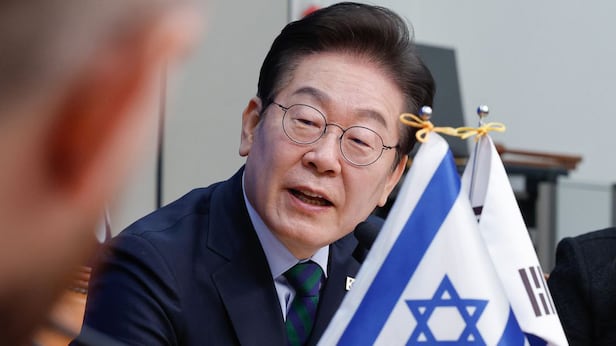
The April 11, 2026 diplomatic incident between South Korea and Israel—triggered by President Lee Jae Myung's social media criticism of alleged human rights violations in the West Bank—represents a significant cross-border commerce risk for sellers operating in technology, defense, and commercial sectors. While the dispute centers on human rights advocacy, the underlying tension directly impacts bilateral trade relationships worth approximately $2.1B annually, with potential implications for tariffs, export licensing, and supply chain disruptions affecting e-commerce sellers.
Market Impact on Seller Operations: South Korea is a major exporter of semiconductors, display panels, and consumer electronics to Israel, while Israeli tech companies supply advanced components to Korean manufacturers. The 60-year diplomatic relationship has historically insulated trade from political disputes, but this rare public confrontation signals potential policy shifts. Sellers specializing in Korean electronics (smartphones, displays, semiconductors) or Israeli defense/tech products face increased regulatory scrutiny. Export licensing delays could extend 2-4 weeks for dual-use technology categories, while tariff escalation could increase landed costs by 8-15% for affected product categories.
Consumer Behavior & Market Segmentation: The incident reflects broader geopolitical polarization affecting consumer purchasing decisions, particularly in Western markets where human rights advocacy influences brand perception. Sellers of Israeli-origin products (cybersecurity software, agricultural tech, medical devices) may experience 10-20% demand fluctuations in EU and North American markets during heightened diplomatic tensions. Conversely, Korean consumer electronics maintain strong demand globally, but supply chain delays could compress margins for sellers relying on Korean component sourcing. The controversy also highlights growing consumer interest in ethical sourcing and supply chain transparency—a trend driving demand for products with certified human rights compliance documentation.
Strategic Implications for Cross-Border Sellers: The dispute demonstrates how geopolitical tensions can disrupt seemingly stable trade corridors. Sellers should monitor bilateral trade negotiations, export control updates, and potential sanctions on specific technology categories. South Korean sellers exporting to Israel may face increased customs documentation requirements, while Israeli tech exporters could encounter delays in Korean market access. The incident also signals rising importance of supply chain diversification—sellers dependent on single-source Korean or Israeli suppliers should evaluate alternative sourcing in Japan, Taiwan, or Singapore to mitigate geopolitical risk.
Questions 7
How does this compare to other geopolitical trade disruptions?
This incident differs from typical trade wars because it stems from human rights advocacy rather than economic protectionism, making it less predictable. Unlike US-China tariff disputes (which escalated gradually over 2+ years), diplomatic tensions can trigger sudden policy shifts. The 60-year South Korea-Israel relationship has historically insulated trade from politics, but this public dispute signals changing norms. Sellers should expect **volatility similar to 2022 Russia sanctions** (sudden export bans, 30-40% cost increases) rather than gradual tariff escalation. Diversification across suppliers in Japan, Taiwan, and Singapore provides better protection than hedging strategies.
What customs and compliance changes should I expect?
Expect increased documentation requirements for exports between South Korea and Israel, including enhanced origin certification and human rights compliance declarations. Dual-use technology exports may require additional licensing from the **Bureau of Industry and Security (BIS)** or equivalent Korean agencies, adding 2-4 weeks to processing timelines. Sellers should prepare for potential tariff code reclassification of sensitive products and maintain detailed supply chain documentation proving ethical sourcing. The incident signals growing regulatory focus on **supply chain transparency**—sellers should implement systems to track component origins and certify compliance with international humanitarian standards.