




Middle East Defense Realignment 2026 | Supply Chain & Logistics Impact for Cross-Border Sellers
- Geopolitical shift creates shipping route volatility and market access opportunities for sellers in GCC nations; fragile U.S.-Iran ceasefire increases logistics uncertainty and payment processing risks








Overview
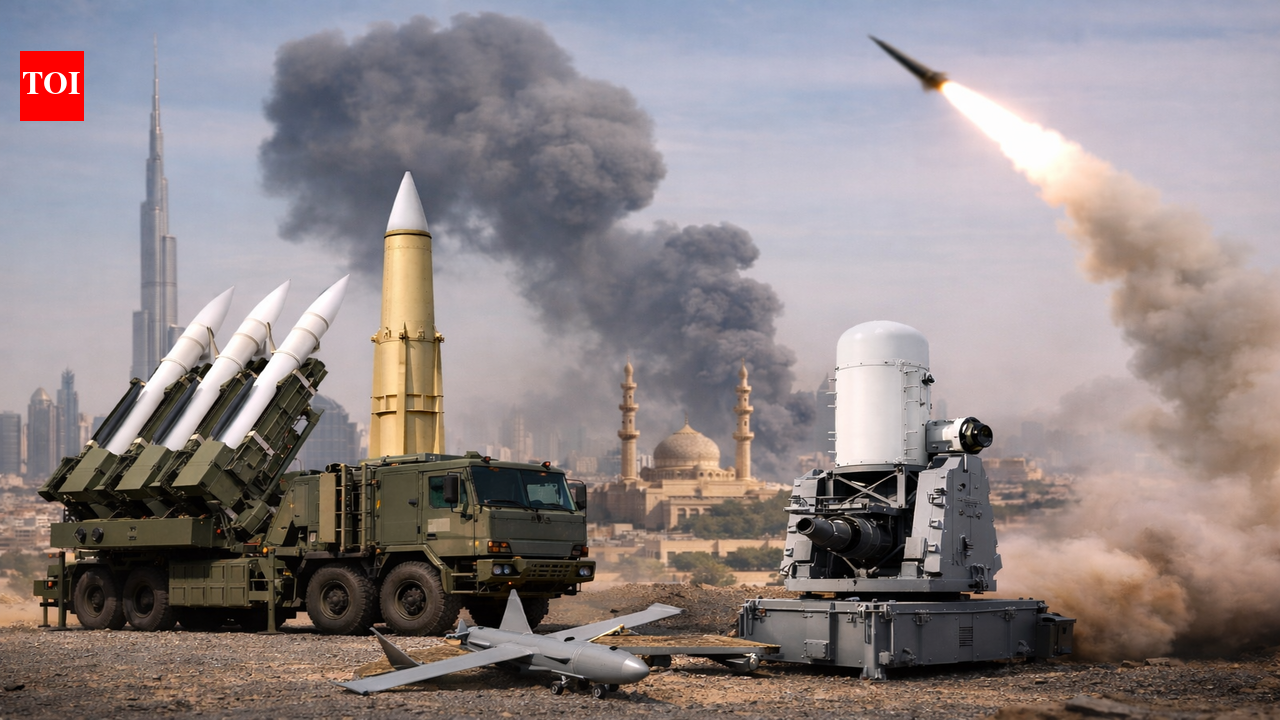
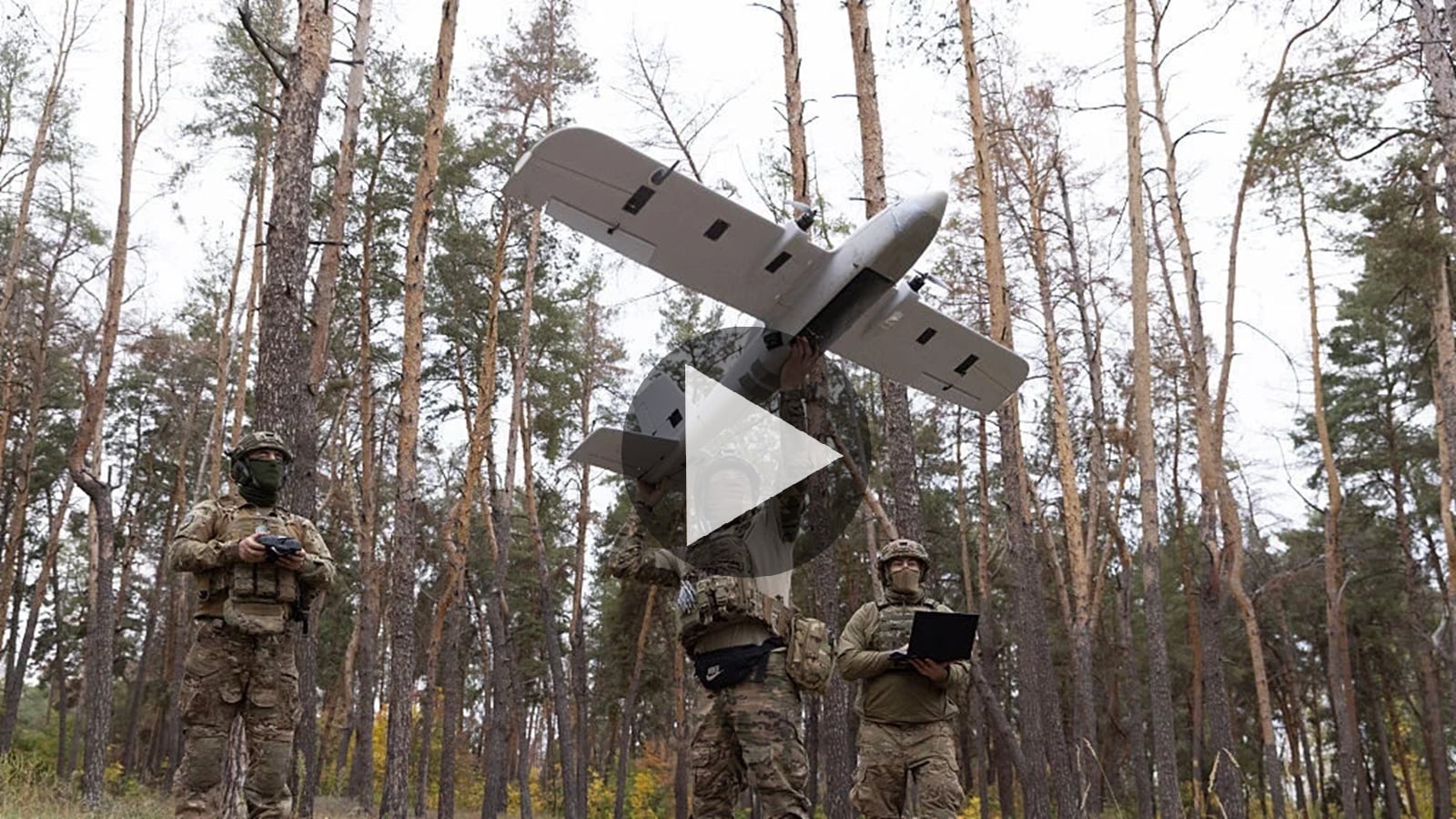
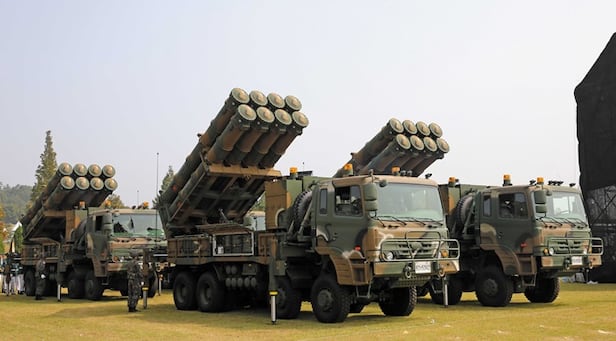
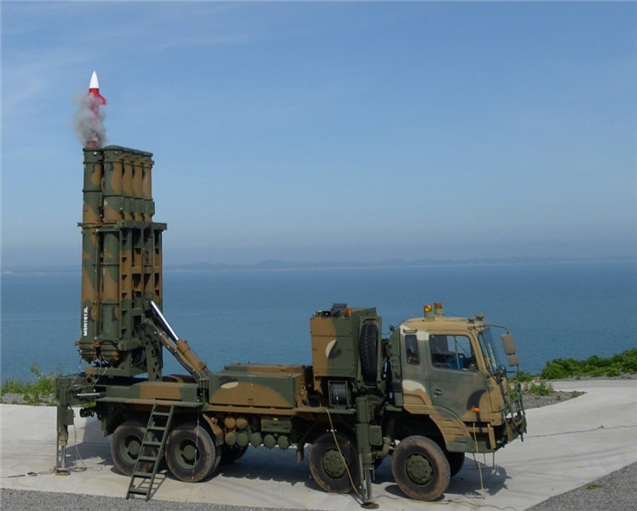
The April 2026 geopolitical realignment in the Middle East—where Saudi Arabia, UAE, and Qatar are diversifying defense procurement away from U.S. suppliers toward South Korean and British alternatives following six weeks of intensive air bombardment—creates significant indirect but measurable impacts for cross-border e-commerce sellers. This strategic pivot signals broader supply chain vulnerabilities and regional economic resilience patterns that directly affect shipping corridors, port operations, and trade finance availability for commercial goods moving through Gulf logistics hubs.
Supply Chain & Logistics Corridor Impact: The defense procurement diversification demonstrates how military cycles correlate with commercial shipping route fluctuations. GCC nations control critical maritime chokepoints (Strait of Hormuz, Port of Jebel Ali, Port of Doha) through which 30-40% of global containerized trade flows. The fragile U.S.-Iran ceasefire creates ongoing uncertainty in these corridors, potentially increasing shipping costs 8-15% and extending transit times by 5-10 days for sellers routing inventory through Middle Eastern ports. Sellers managing FBA inventory destined for Gulf markets or using regional 3PL providers should anticipate 2-4 week delays during periods of heightened regional tension. The procurement shift also signals that GCC nations maintain strong purchasing power despite military pressures—indicating sustained consumer demand for commercial goods and e-commerce activity in these markets.
Market Access & Competitive Positioning: The diversification away from U.S. suppliers creates opportunities for sellers sourcing from South Korea, UK, and EU manufacturers. Sellers offering products manufactured in these regions can leverage improved trade relationships and reduced tariff barriers with GCC nations. South Korean electronics, automotive parts, and consumer goods sellers may see 5-8% tariff reductions on shipments to Saudi Arabia and UAE, improving profit margins on categories like smartphones, appliances, and industrial equipment. British sellers benefit from similar advantages, particularly in premium consumer goods and specialty products. Conversely, U.S.-based sellers may face increased competition and potential tariff pressures in these markets as GCC nations rebalance procurement strategies.
Operational Risk Management for Sellers: The ceasefire's fragility creates payment processing and inventory management risks. Sellers with significant exposure to GCC markets should diversify payment processors (avoiding single-point failures with U.S.-based providers), maintain 15-20% higher safety stock for critical SKUs, and establish backup fulfillment routes through non-Middle Eastern ports (Singapore, Rotterdam). Regional instability historically correlates with 10-15% increases in payment default rates and 3-5 week delays in customs clearance. Sellers managing fulfillment centers or inventory in UAE, Saudi Arabia, or Qatar should implement contingency protocols for rapid inventory relocation if regional tensions escalate. The World Defense Show 2026 coverage indicates defense spending patterns will shift significantly, potentially affecting related supply chains and logistics infrastructure investments in the region.
Questions 8
What payment processing risks should sellers monitor for GCC market exposure?
Regional instability historically correlates with 10-15% increases in payment default rates and extended settlement delays. Sellers with significant GCC market exposure should diversify payment processors beyond single U.S.-based providers, implement multi-currency payment options, and establish backup payment gateways through EU or Asia-Pacific processors. The fragile ceasefire creates ongoing uncertainty through 2026-2027, making payment risk management critical. Sellers should monitor payment default rates weekly, maintain 30-45 day cash reserves for GCC transactions, and consider requiring prepayment or escrow arrangements for high-value orders during periods of heightened regional tension.
Which seller segments benefit from South Korea and UK tariff advantages in GCC markets?
Sellers sourcing from South Korea and UK manufacturers gain competitive advantages as GCC nations rebalance procurement strategies away from U.S. suppliers. South Korean electronics, smartphones, appliances, and automotive parts sellers can expect 5-8% tariff reductions on shipments to Saudi Arabia and UAE, improving profit margins by $50-200 per unit depending on category. British sellers benefit similarly in premium consumer goods and specialty products. U.S.-based sellers face increased competition and potential tariff pressures in these markets. Sellers should audit their sourcing geography and consider shifting 20-30% of inventory to South Korean or UK manufacturers to capitalize on improved trade relationships.