


Bolivia's Political Earthquake: How Corruption Investigations Are Reshaping Governance
- A seismic shift in political accountability threatens decades of leftist party dominance
























Overview
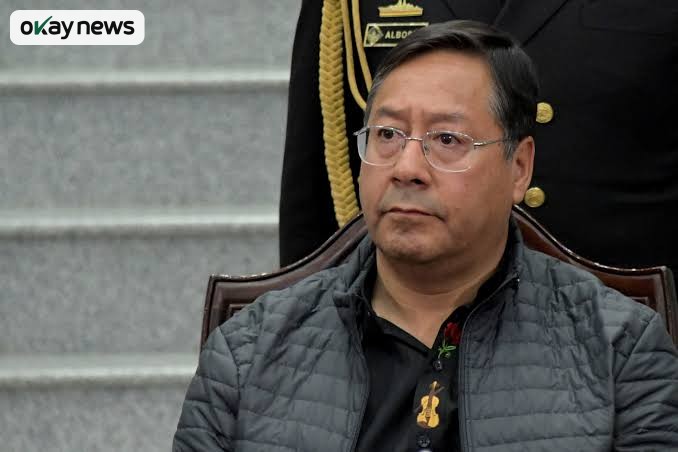
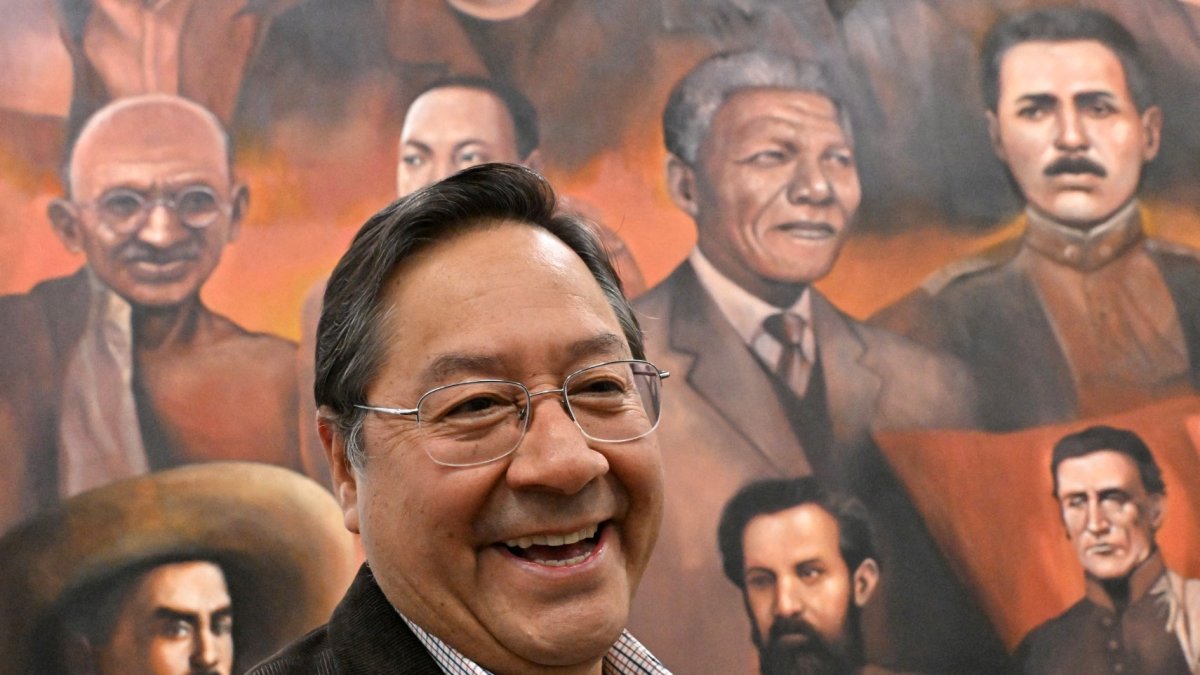
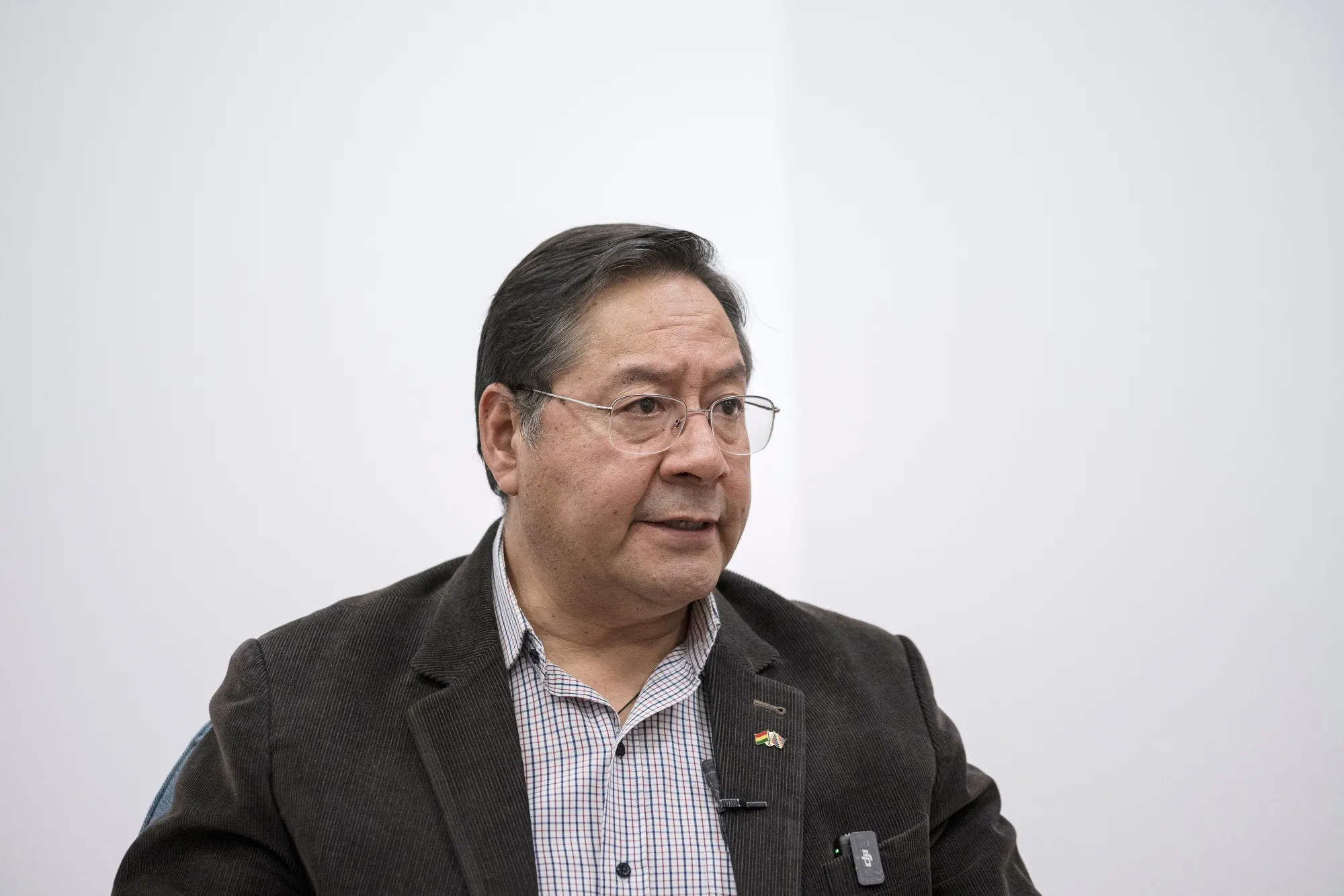
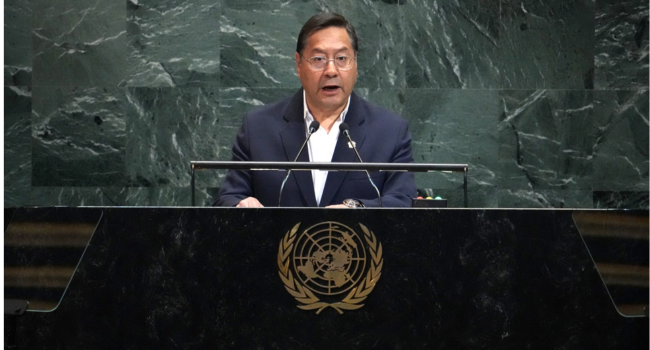
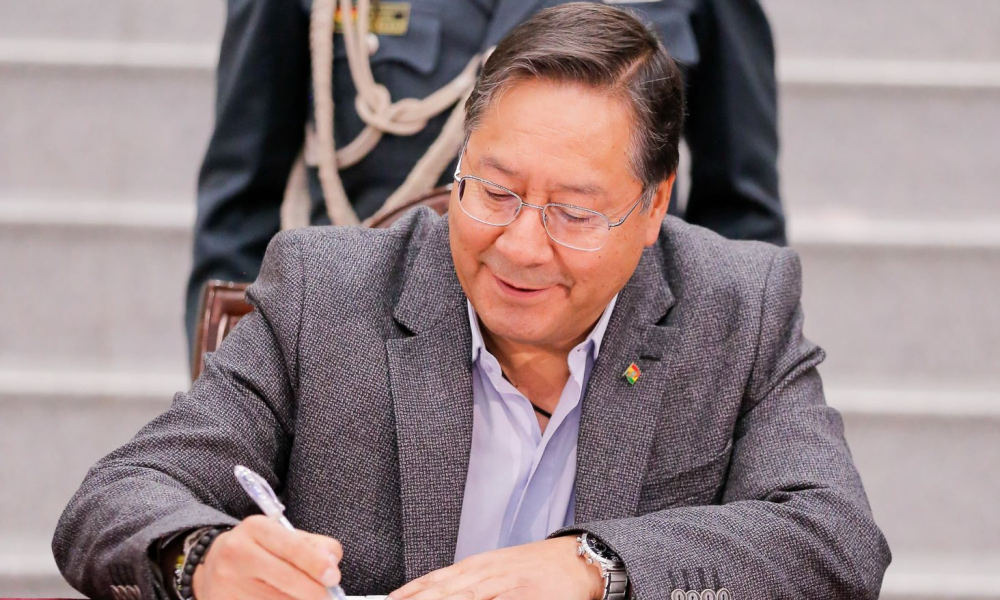
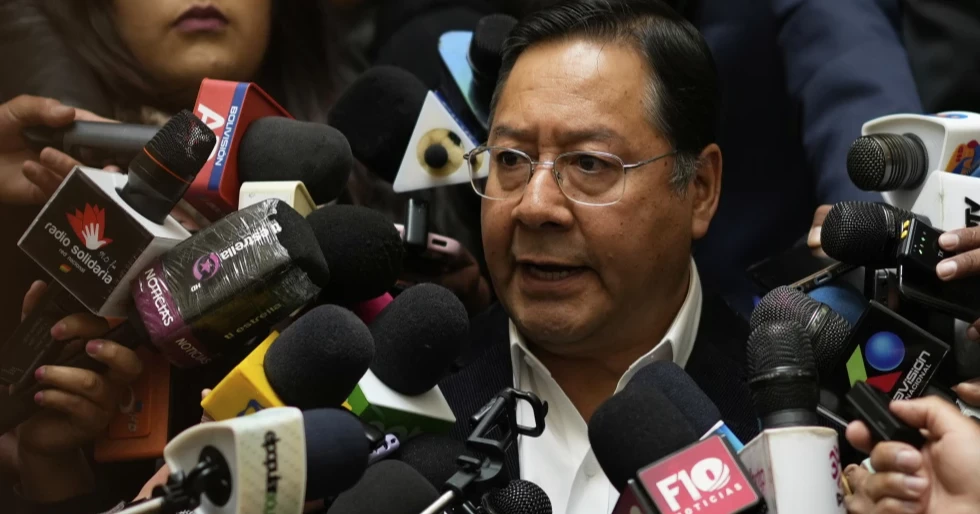
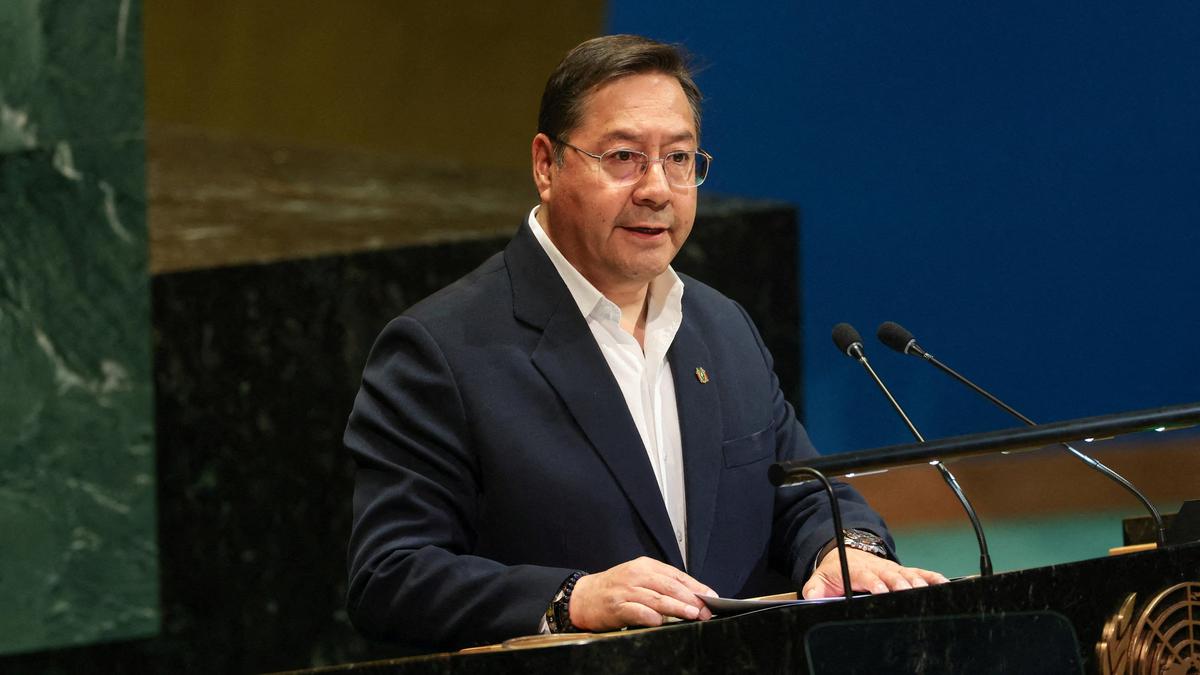
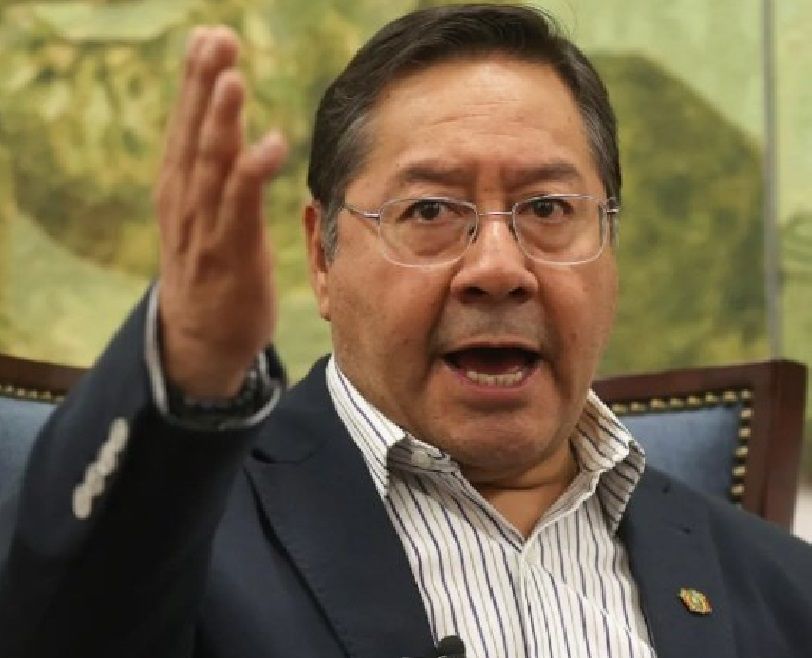
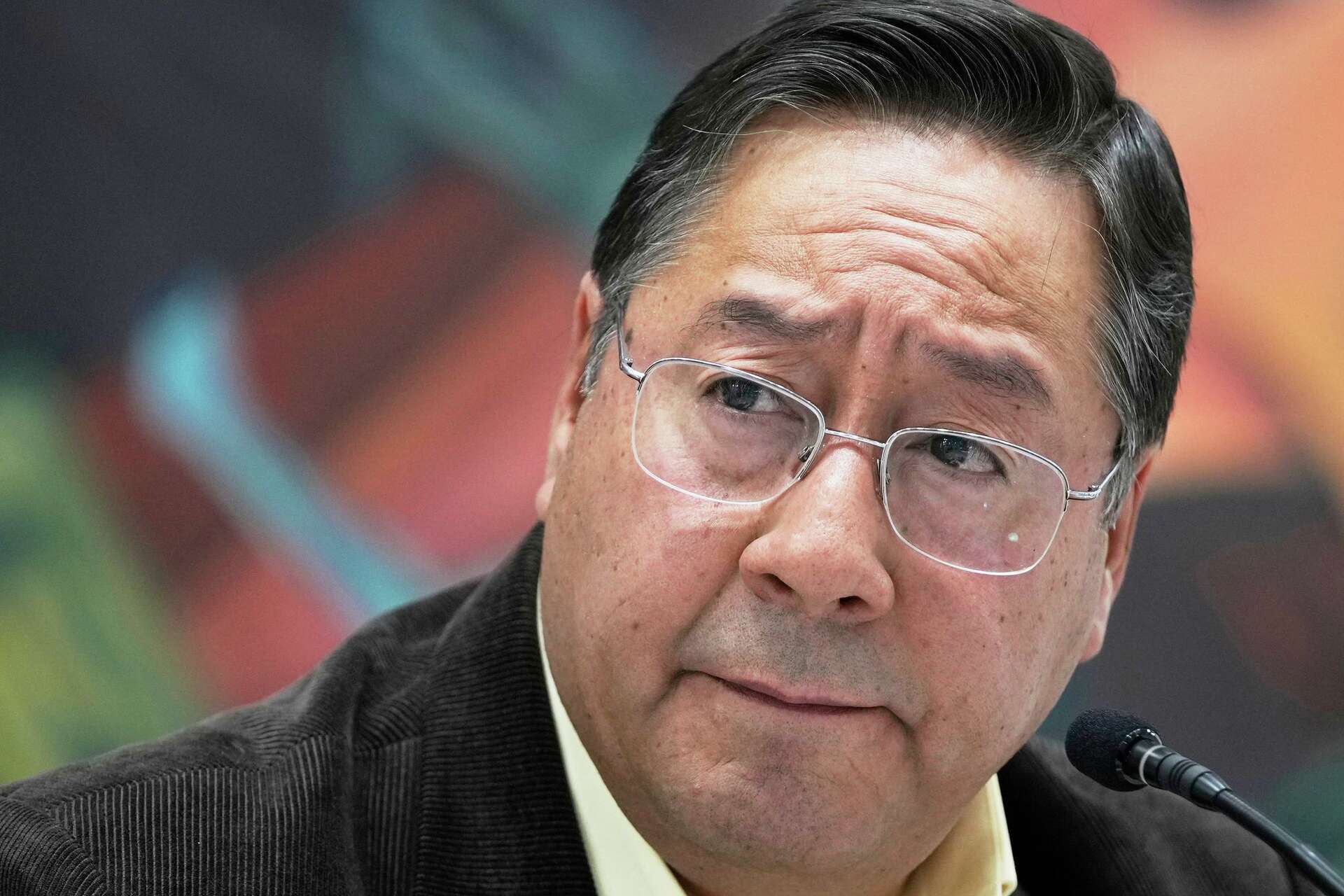
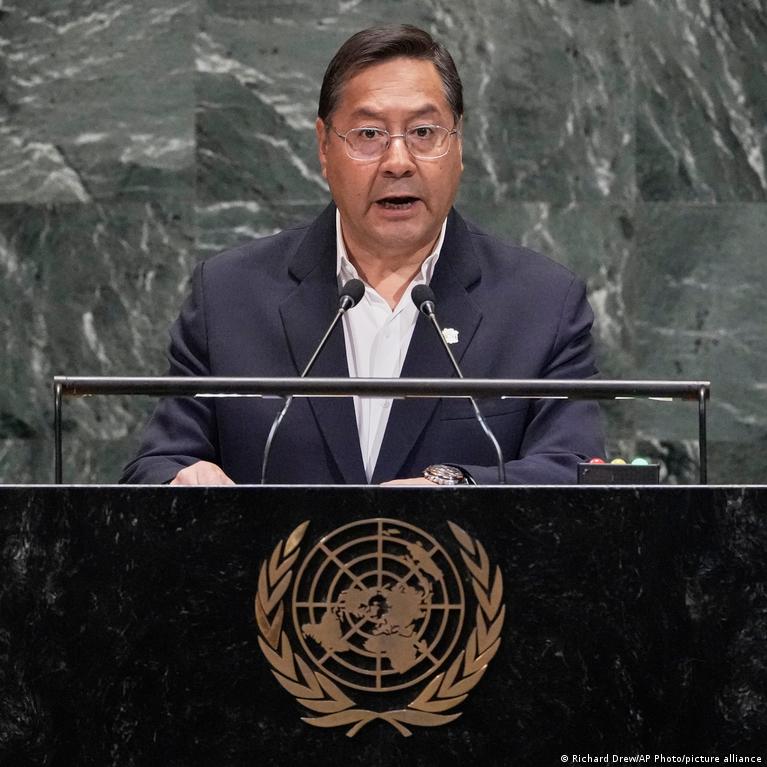
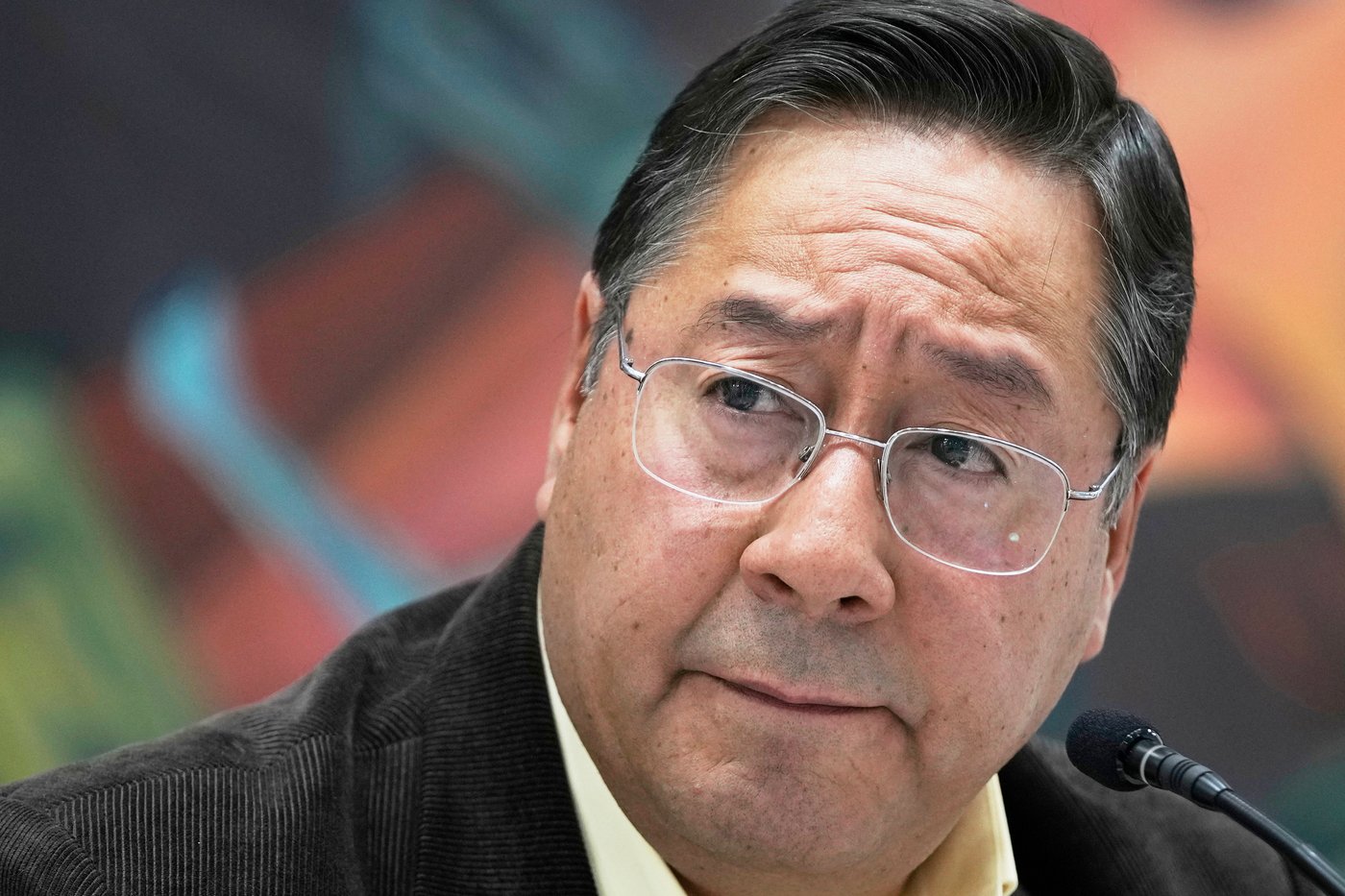
The arrest of former Bolivian President Luis Arce represents more than a singular corruption investigation—it signals a fundamental transformation in Bolivia's political ecosystem. At the heart of this dramatic shift lies the Indigenous Peoples Development Fund (Fondioc), a once-powerful financial instrument now exposed as a potential vehicle for systematic misappropriation.
The investigation reveals a complex narrative of institutional decay. Authorities allege that Arce, during his tenure as economy minister, systematically diverted approximately 700 million from Indigenous community development projects. This isn't merely a financial crime, but a profound betrayal of the very communities the fund was designed to support. The Movimiento al Socialismo (MAS) party, which dominated Bolivian politics for nearly two decades, now finds itself confronting a comprehensive institutional reckoning.
The political landscape is undergoing a tectonic realignment. President Rodrigo Paz's election marks a decisive break from the Evo Morales era, with an explicit mandate to combat institutional corruption. By targeting high-profile figures like Arce, the new administration is sending a powerful message: no political figure is above accountability. The arrest represents a strategic dismantling of the previous regime's power structures, potentially restructuring Indigenous political representation and governance models.
The implications extend far beyond individual prosecutions. This investigation exposes systemic vulnerabilities in Bolivia's public financial management, suggesting deep-rooted institutional challenges that transcend any single political party. For international observers and potential investors, this signals both risk and potential—a painful but necessary process of institutional cleansing that could ultimately strengthen Bolivia's democratic mechanisms.
The case highlights a critical transition: from a political culture of impunity to one of transparency and legal accountability. While Arce's allies denounce the investigation as political persecution, government officials argue it represents a commitment to fundamental democratic principles.
Questions 3
What specific allegations are being made against Luis Arce?
Arce is accused of diverting approximately 700 million from the Indigenous Peoples Development Fund (Fondioc), allegedly transferring public funds intended for community projects into personal or political accounts. The investigation suggests systematic misappropriation of resources meant for Indigenous community development between 2006 and 2017.
How might this investigation impact Bolivia's political landscape?
The investigation could fundamentally reshape Bolivia's political dynamics by challenging the long-standing MAS party's dominance, exposing systemic corruption, and signaling a new era of political accountability. It represents a potential restructuring of Indigenous political representation and governance models.