

)


Japan Mobilizes Global Diplomacy to Counterbalance China's Expanding Geopolitical Influence
- Strategic NATO engagement signals emerging multilateral security realignment in Asia-Pacific









Overview
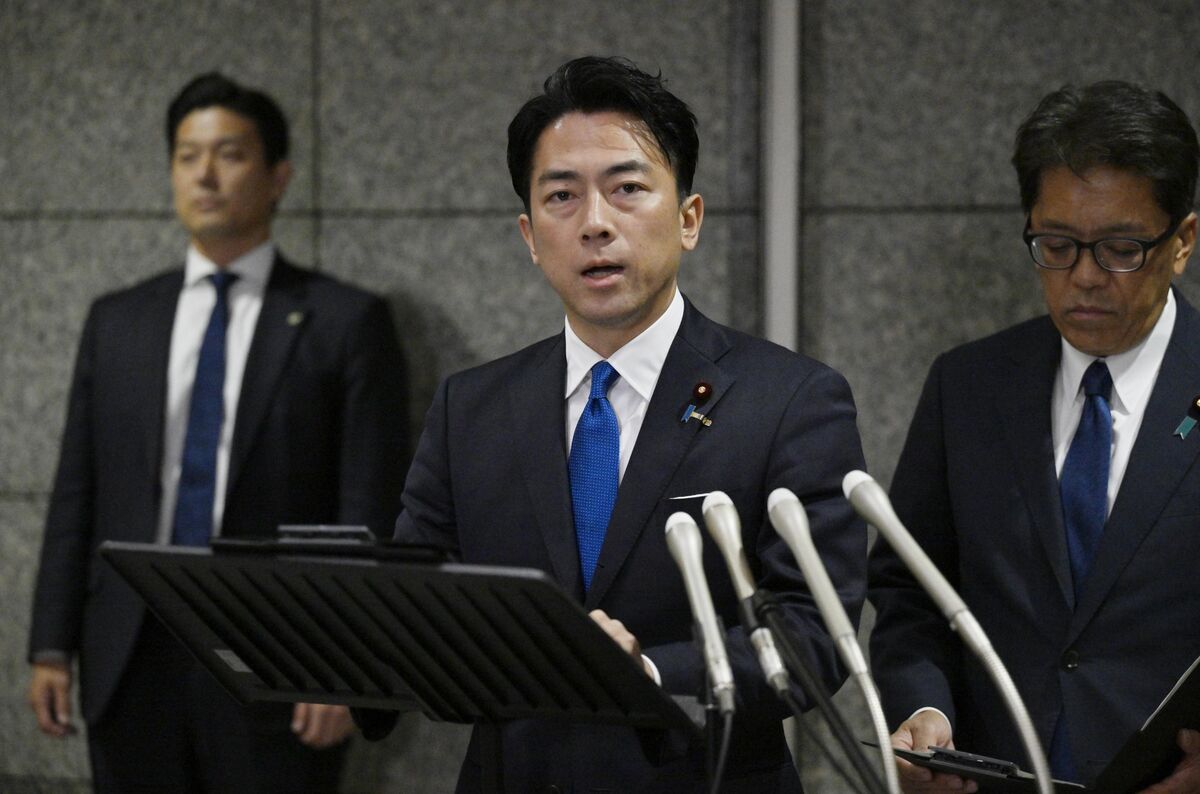
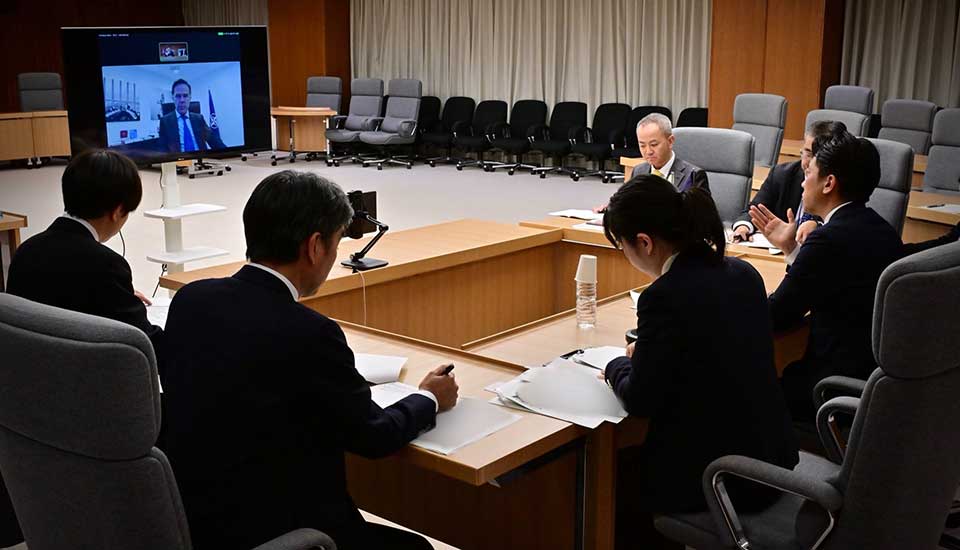
Geopolitical tensions are rapidly transforming the international security landscape, with Japan emerging as a pivotal diplomatic architect challenging China's regional assertiveness. The recent diplomatic engagement by Japanese Defense Minister Shinjiro Koizumi with NATO leadership represents a sophisticated strategic maneuver to internationalize concerns about China's military provocations.
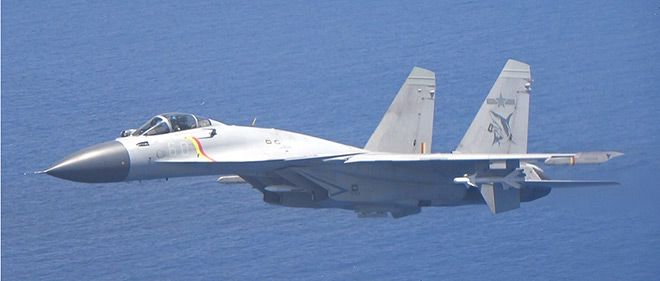
Diplomatic signaling takes center stage as Japan deliberately expands its strategic partnerships beyond traditional regional boundaries. By bringing specific security incidents—such as China's alleged fire-control radar targeting Japanese fighter jets and joint Chinese-Russian bomber flights near Okinawa—to NATO's attention, Japan is effectively transforming bilateral tensions into a multilateral dialogue. This approach demonstrates a nuanced strategy of international coalition-building that goes beyond conventional bilateral diplomacy.
The underlying geopolitical dynamics reveal a critical shift in how middle powers like Japan are responding to rising regional tensions. Rather than engaging in direct confrontation, Japan is leveraging institutional networks like NATO to create a broader diplomatic pressure mechanism. The strategic calculus is clear: by internationalizing regional security challenges, Japan can potentially constrain China's unilateral military actions and create a more complex diplomatic environment.
From a trade and economic perspective, these diplomatic interactions carry profound implications. Geopolitical risk is no longer an abstract concept but a tangible factor influencing international business environments. Tensions between major powers can dramatically reshape trade policies, market access strategies, and cross-border business operations. Japan's proactive approach signals to global commerce strategists that geopolitical positioning is becoming as critical as traditional economic metrics.
The NATO engagement also underscores a broader trend of strategic realignment in the Asia-Pacific region. By bringing European defense leadership into regional security discussions, Japan is effectively challenging the traditional geographic boundaries of security cooperation. This approach suggests a more networked, fluid approach to international security that transcends historical alliance structures.
Questions 3
Why is Japan engaging NATO on regional security issues?
Japan is strategically internationalizing its security concerns about China by bringing specific incidents to a broader multilateral forum. This approach aims to create diplomatic pressure, constrain unilateral actions, and build a more comprehensive international understanding of regional tensions.
How might these diplomatic interactions impact international trade?
Geopolitical tensions directly influence trade policies, market access, and cross-border business operations. As countries like Japan proactively manage security risks through diplomatic channels, businesses must increasingly factor geopolitical dynamics into their strategic planning and risk assessment.