


Southeast Asia's Powder Keg: Thailand-Cambodia Border Conflict Threatens Regional Stability
- Escalating Military Tensions Expose Fragile Geopolitical Dynamics in Contested Border Regions






Overview
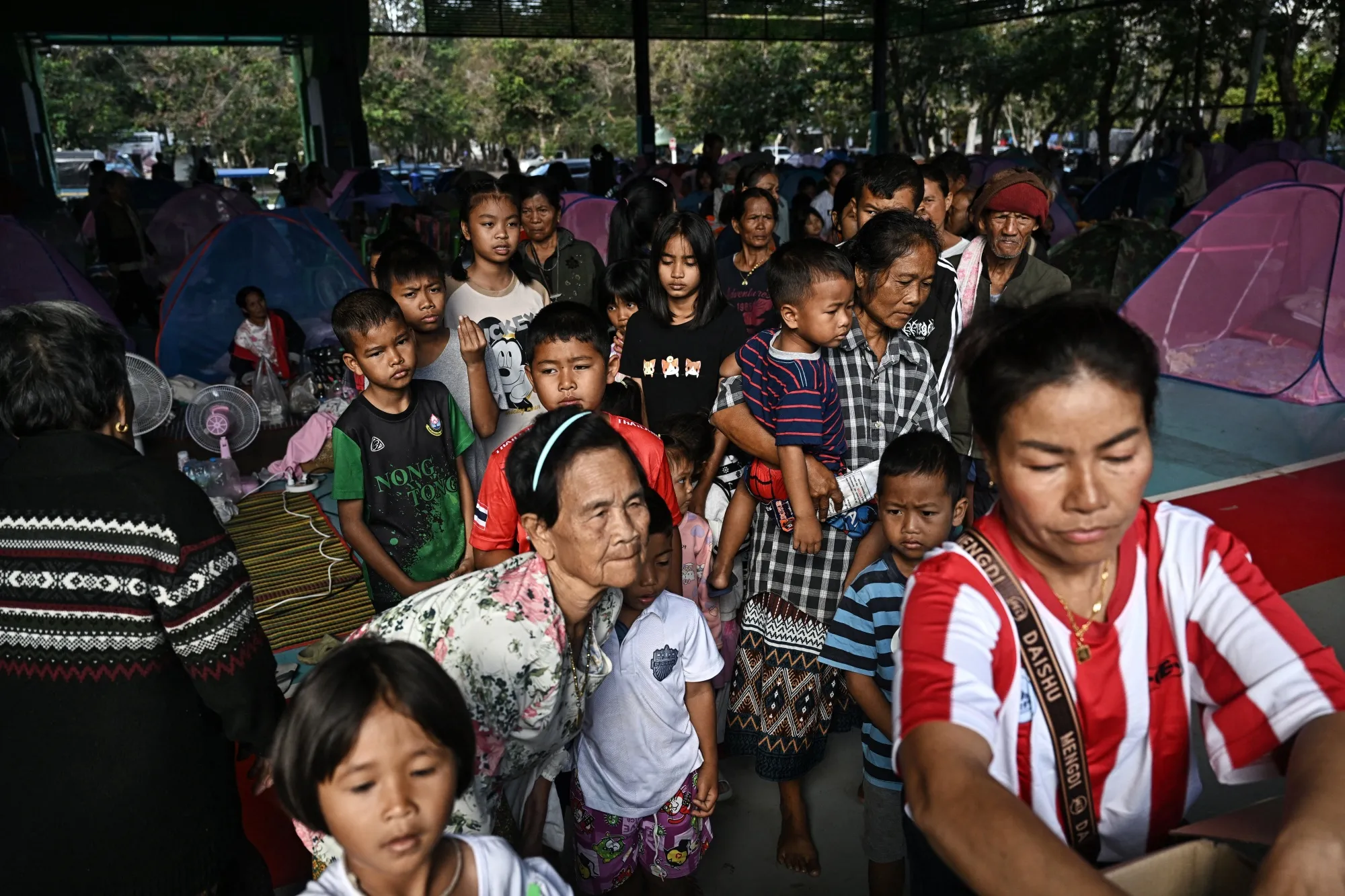
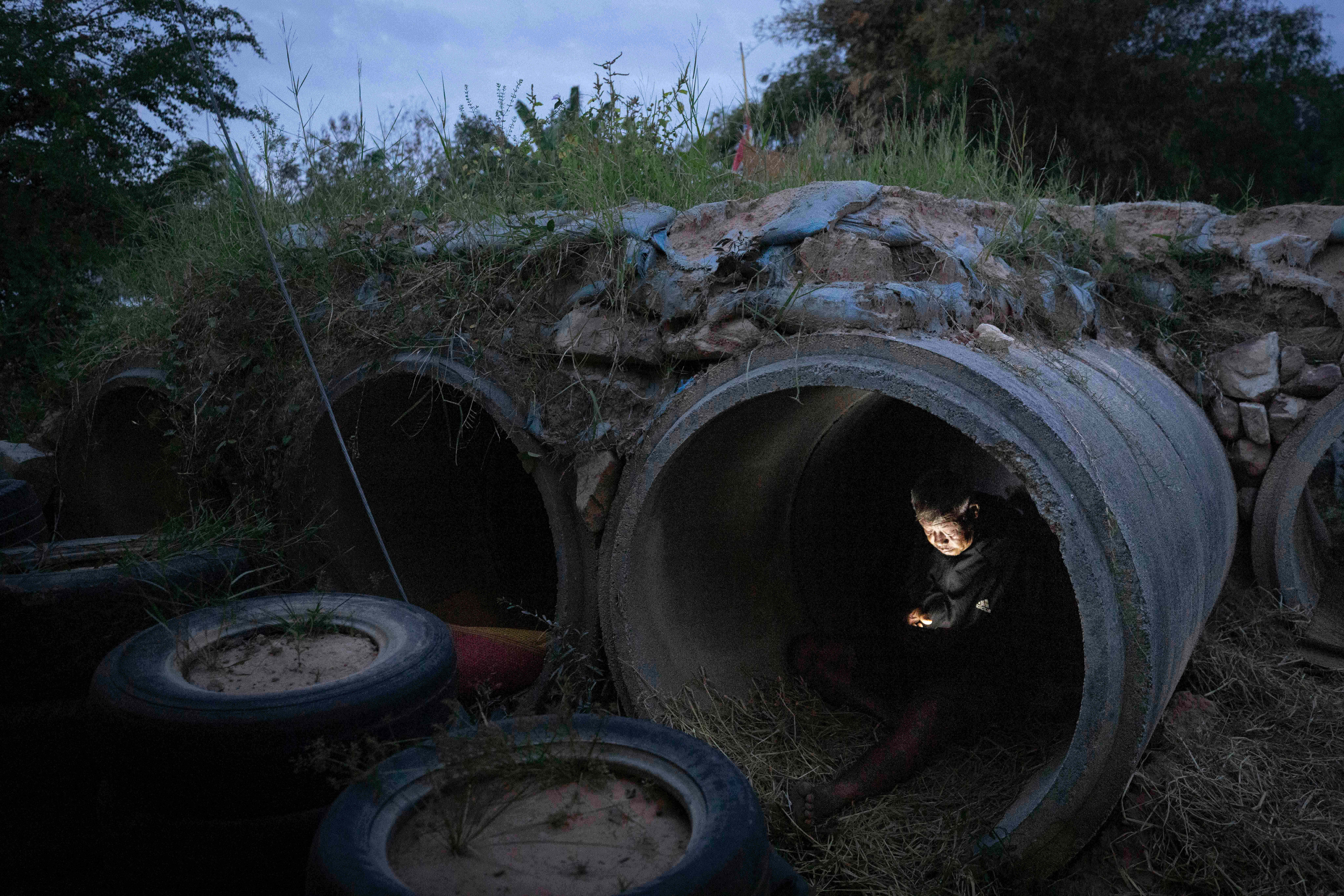
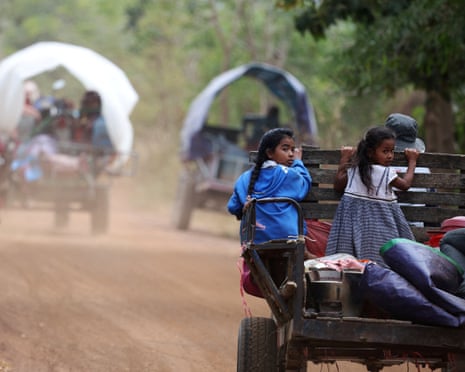
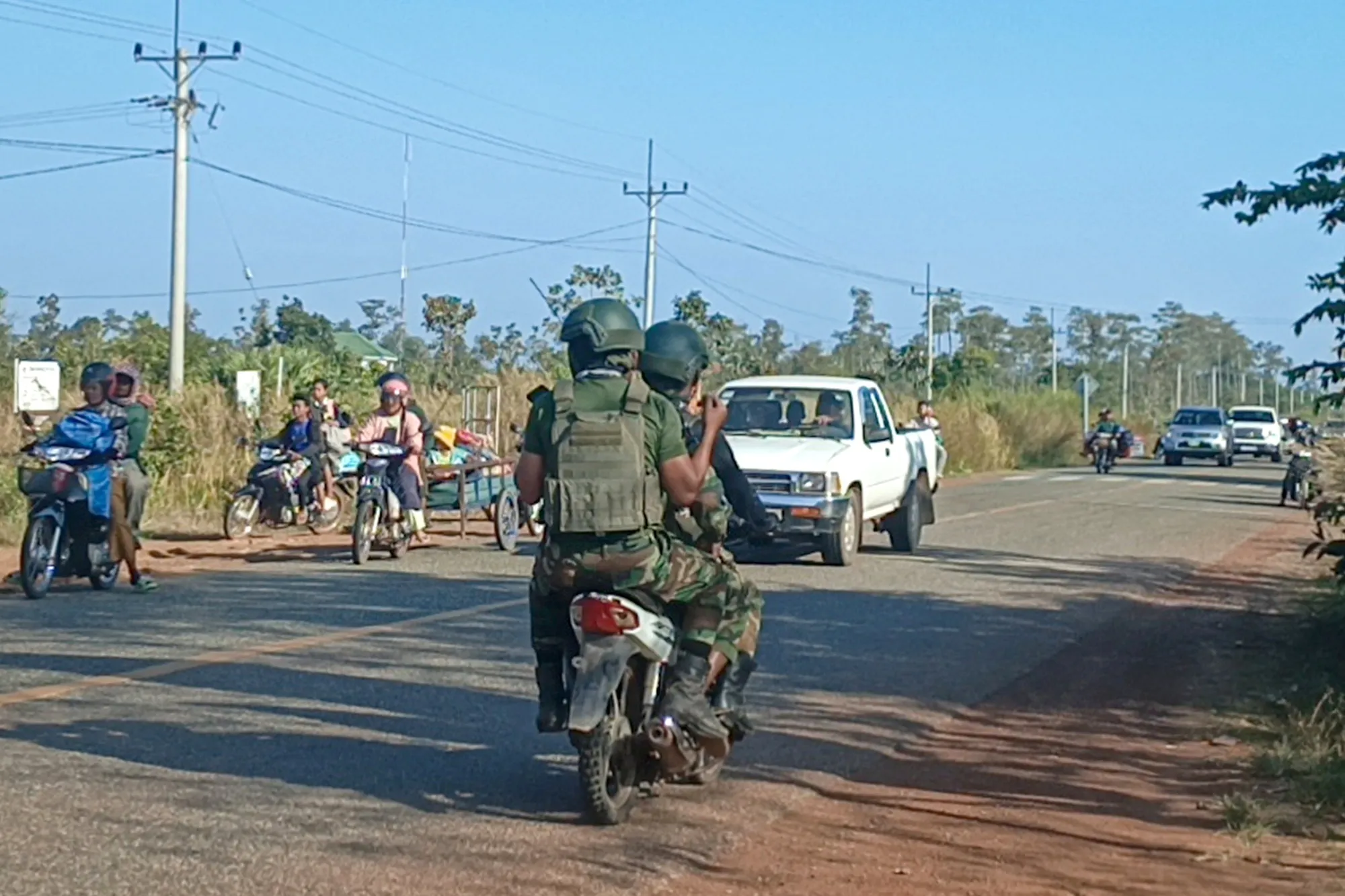
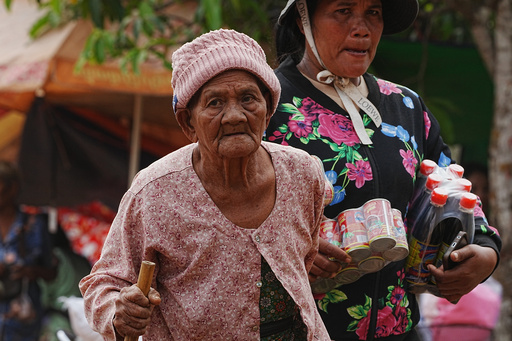
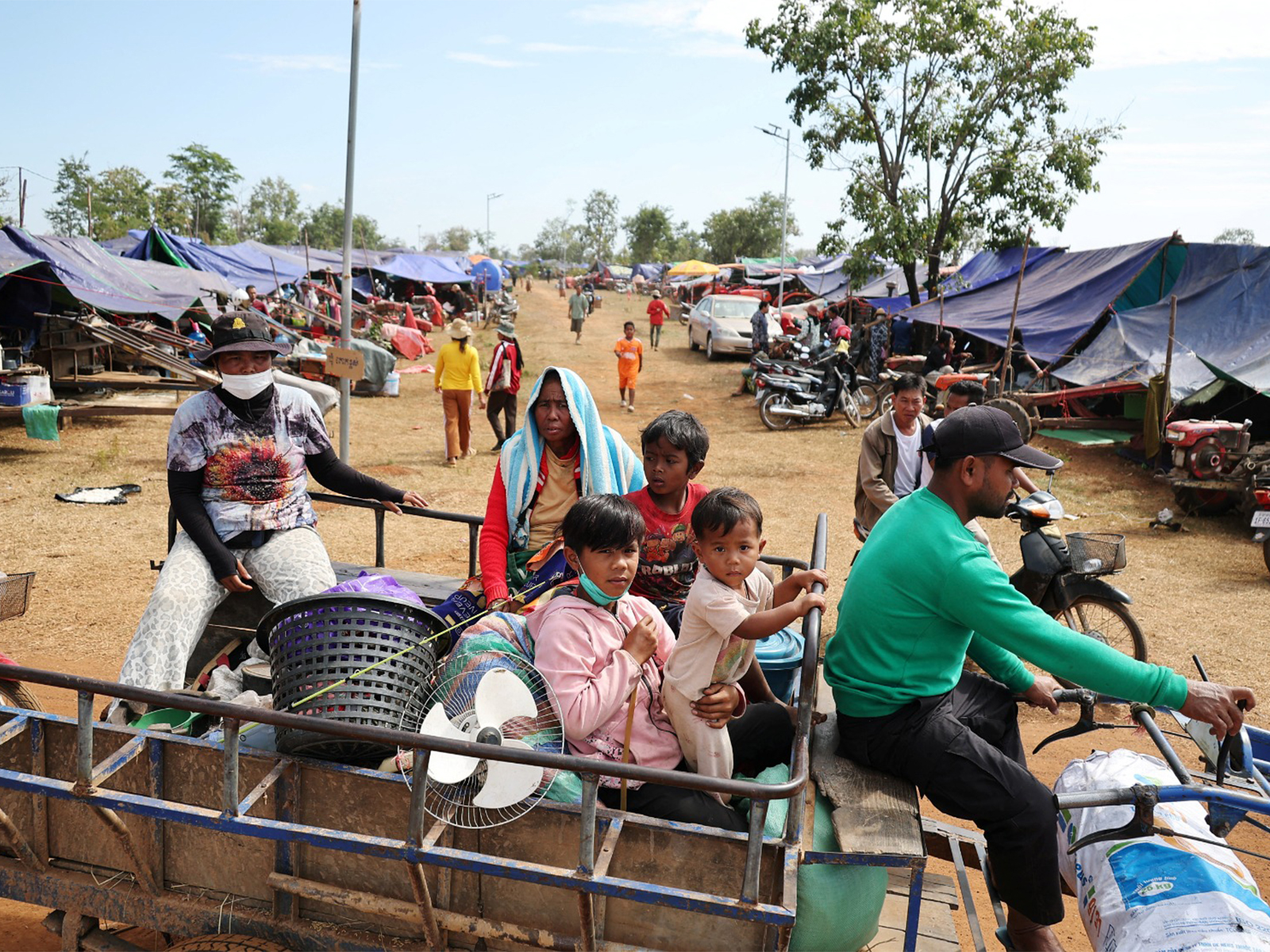
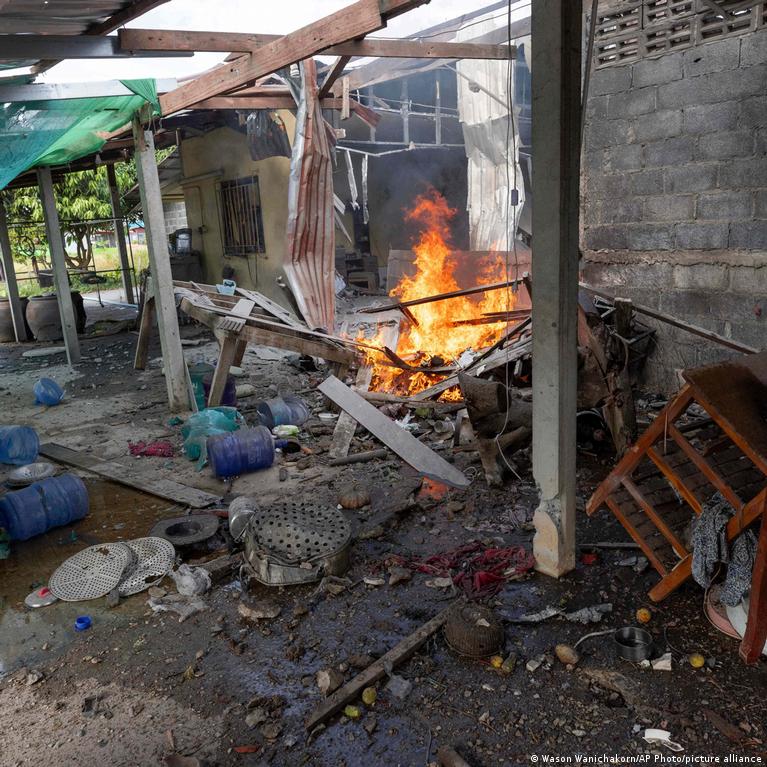
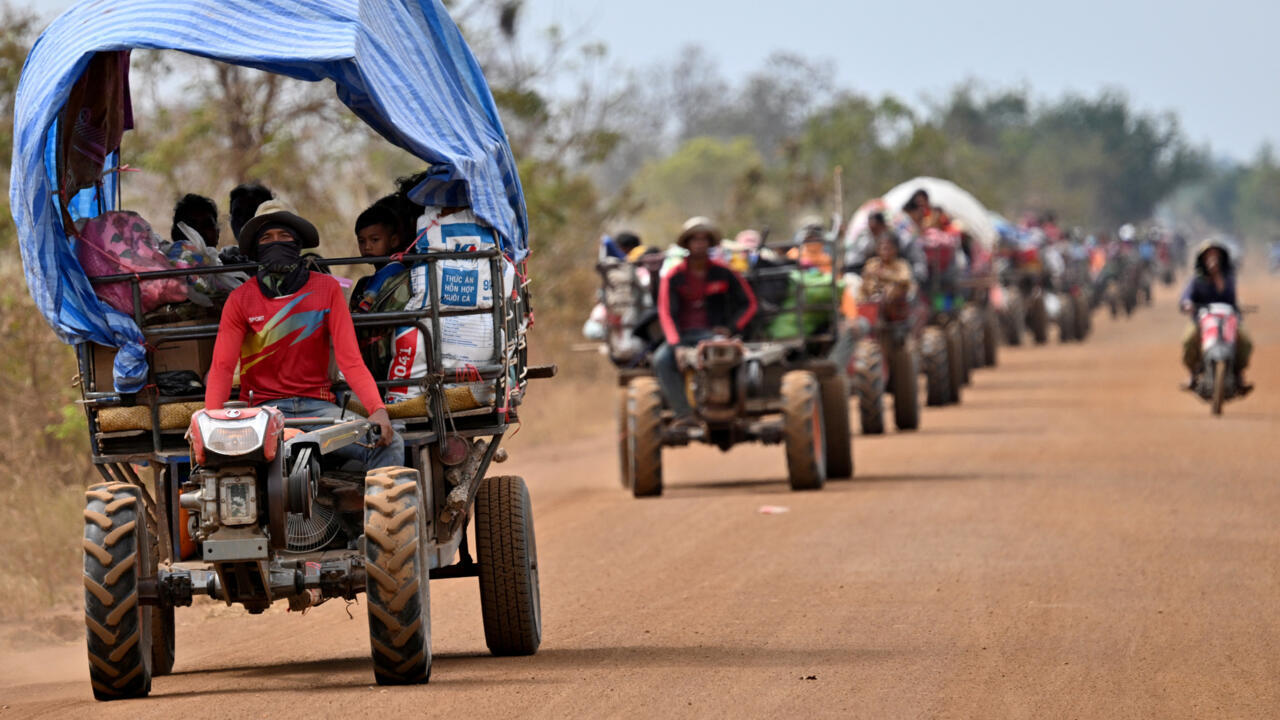
The cross-border conflict between Thailand and Cambodia represents a critical inflection point in Southeast Asian geopolitical tensions, revealing deep-seated territorial disputes that threaten regional stability. Since Monday, the conflict has dramatically escalated across five provinces, with military confrontations transforming a decades-old border dispute into an active military engagement that has displaced approximately 600,000 civilians.
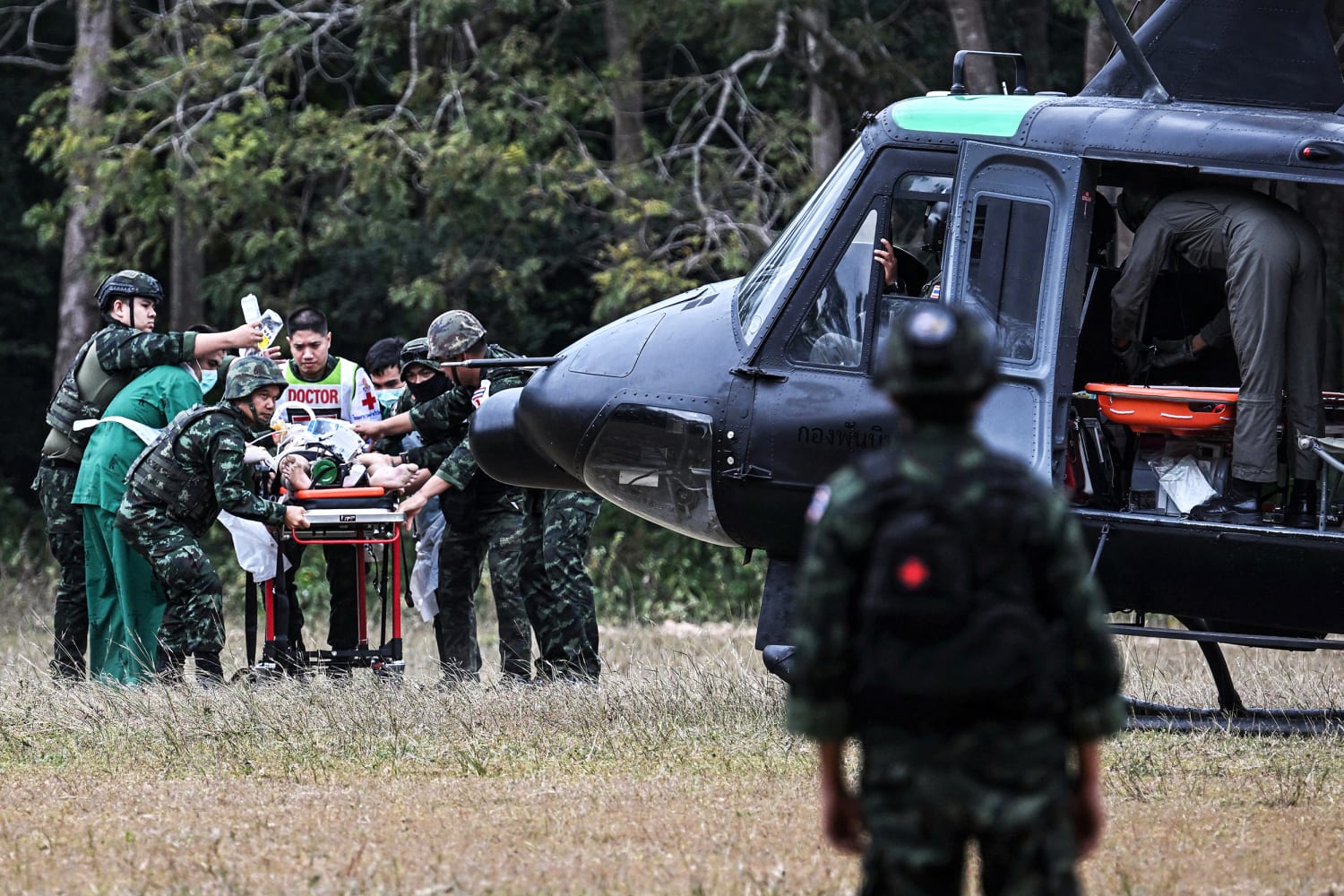
Strategic Military Dynamics underscore the complexity of this conflict. Thai forces have expanded their aerial warfare capabilities, deploying F-16 fighter jets and drones to strike alleged weapons depots, while Cambodia has retaliated with rocket launches. The 817km contested border has become a volatile battleground, with both nations employing sophisticated military tactics. Cambodia reports 10 civilian deaths and 60 injuries, highlighting the severe humanitarian consequences of this escalation.
The geopolitical significance extends beyond bilateral tensions. President Trump's attempted mediation signals the international community's recognition of this conflict's potential to destabilize Southeast Asian geopolitical equilibrium. Thailand's army chief's declaration of continuing operations until Cambodia's military is comprehensively weakened suggests a strategic objective beyond territorial disputes—potentially reshaping regional power dynamics.
Critically, this conflict exposes the fragility of diplomatic mechanisms in resolving long-standing territorial tensions. The breakdown of the October 26 ceasefire, previously mediated under U.S. President Trump's intervention, demonstrates the limitations of external diplomatic efforts. Cambodia's demonstrated resilience, despite having a smaller and less-equipped military, further complicates potential resolution strategies.
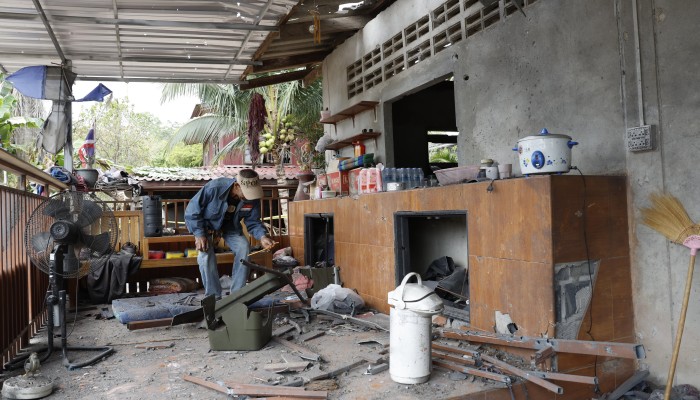
The escalating tensions highlight a broader pattern of historical territorial disputes rapidly transforming into active military confrontations. With infrastructure damage spanning homes, schools, roads, and cultural sites, the conflict threatens not just immediate regional stability but also long-term socio-economic development in border regions.
Urgent diplomatic intervention is crucial to prevent further escalation and protect civilian populations caught in the crossfire of this increasingly complex geopolitical standoff.
Questions 3
What role is the international community playing in resolving this conflict?
President Trump has attempted mediation, signaling international concern. However, the breakdown of the previous October 26 ceasefire suggests limited effectiveness of external diplomatic interventions. The conflict increasingly requires multilateral diplomatic efforts to prevent further escalation and protect civilian populations.
What are the primary drivers of the current Thailand-Cambodia border conflict?
The conflict stems from a decades-old territorial dispute along the 817km border, exacerbated by historical tensions and competing territorial claims. Recent escalations involve military confrontations, with both nations accusing each other of violating international law and using military force against civilian areas.