



Congressional Oversight Reshapes Pentagon Accountability in Landmark Defense Bill
- Bipartisan legislation signals critical shift in military transparency and institutional checks





















Overview
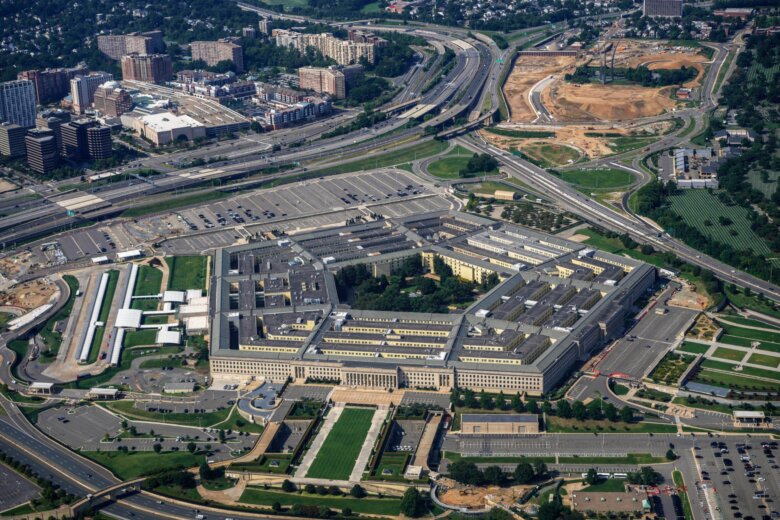
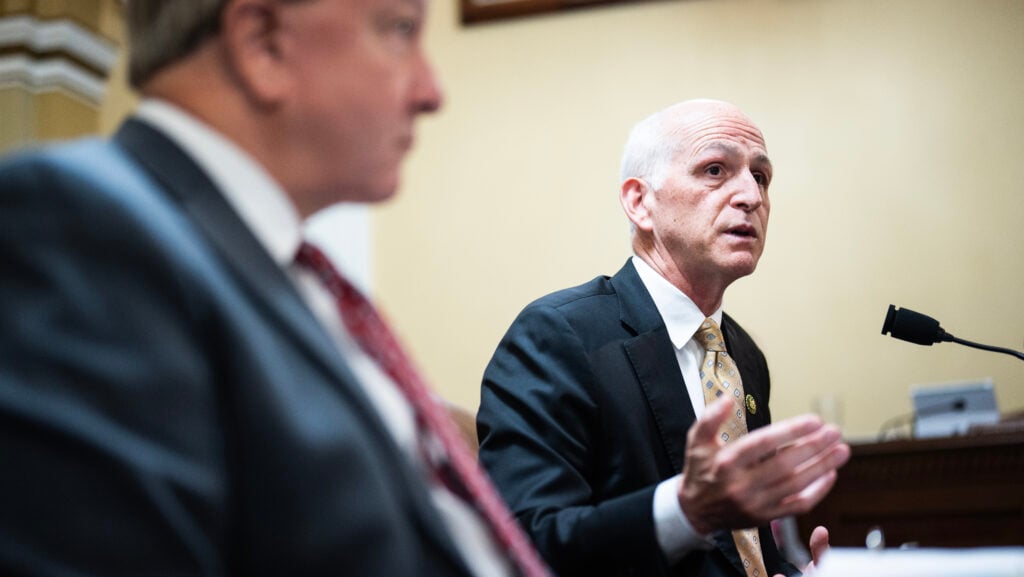
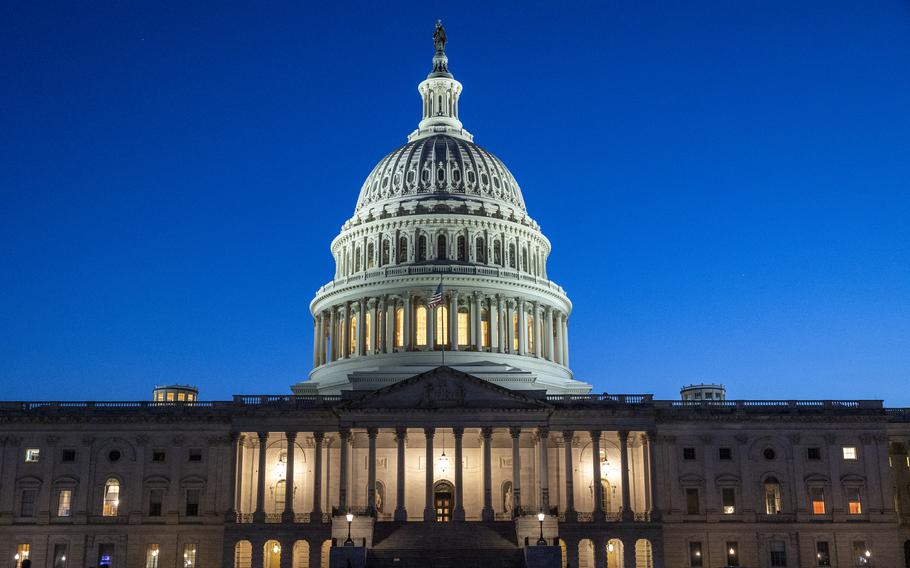
The recent passage of the National Defense Authorization Act represents a pivotal moment in congressional-military relations, revealing deep structural tensions within the United States' national security apparatus. With an overwhelming bipartisan vote of 312-112, Congress has effectively reasserted its institutional oversight capabilities, sending a clear message about the balance of power between legislative and executive branches.
Strategic Transparency Mandate: The bill's most striking provision requires the Pentagon to provide unedited videos of controversial airstrikes, specifically targeting a September 2nd incident involving alleged drug smuggling boats. By withholding 25% of the Defense Secretary's travel budget as leverage, Congress has introduced a direct financial mechanism to ensure compliance. This move goes beyond mere documentation—it represents a fundamental challenge to military operational autonomy and signals a growing demand for accountability in military decision-making.
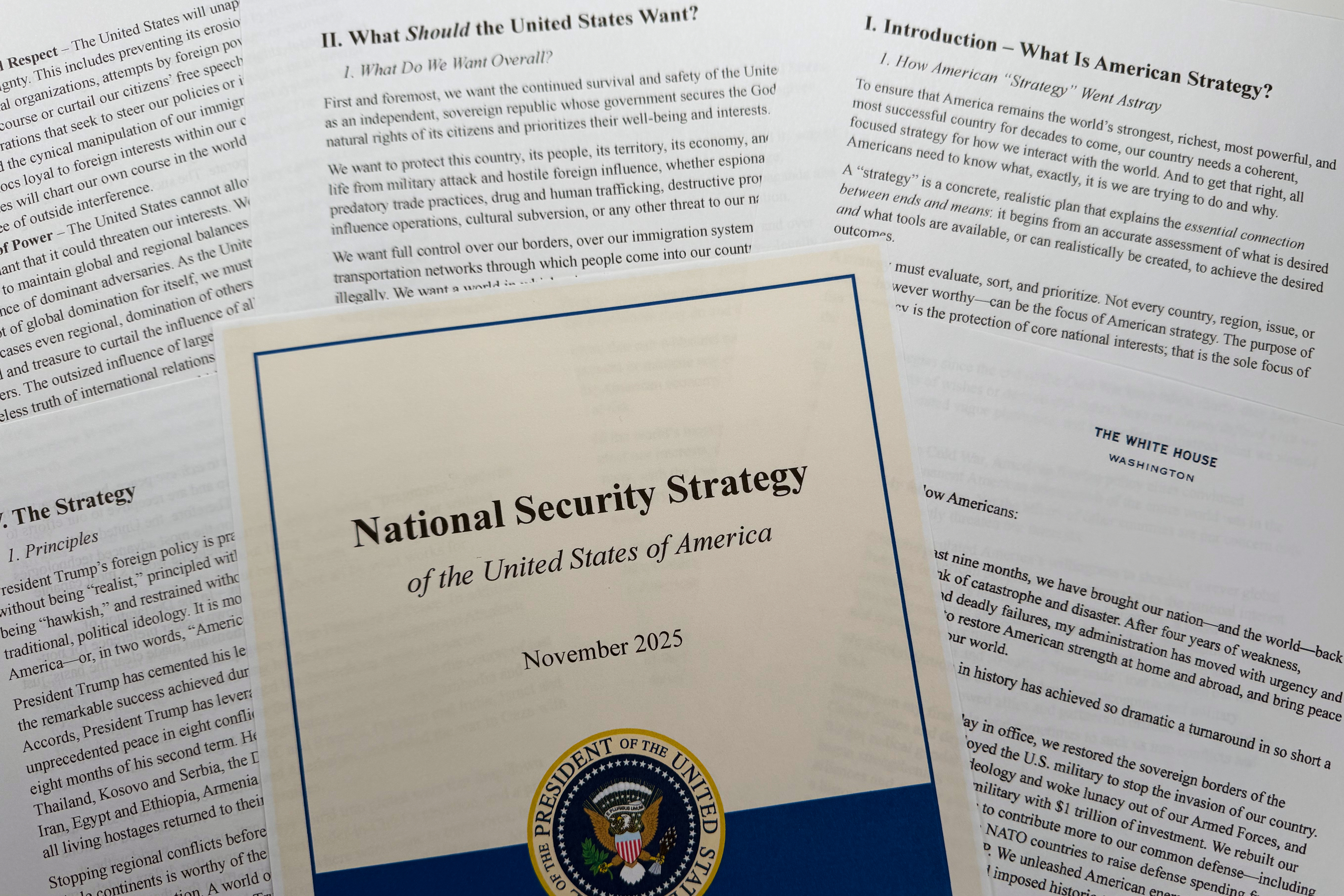
Geopolitical Positioning Signals: The legislation's restrictions on troop level reductions in critical regions like Europe and South Korea demonstrate a sophisticated geopolitical strategy. By directly challenging the previous administration's national security approach, Congress is asserting its role in defining long-term military deployment strategies. The requirement for notification when senior military leadership is removed further underscores a systematic approach to maintaining institutional transparency and preventing unilateral executive actions.
The broader implications extend far beyond military policy. This bill represents a regulatory transparency trend that could potentially influence administrative processes across government sectors. For policy watchers and international observers, the legislation reveals the intricate system of checks and balances that define the United States' governance model—where institutional oversight can effectively challenge and redirect executive branch actions.
Ultimately, this defense bill is not just about military operations, but about reinforcing the fundamental democratic principle that no single branch of government operates without meaningful scrutiny. The bipartisan nature of the vote suggests a rare moment of political consensus around the critical importance of institutional accountability.
Questions 3
What specific mechanisms does the bill use to enforce Pentagon transparency?
The bill mandates the Pentagon to provide unedited videos of airstrikes and withholds 25% of the Defense Secretary's travel budget until compliance. This creates a direct financial incentive for transparency and accountability in military operations.
How does this bill impact U.S. military deployment strategies?
The legislation places direct restrictions on reducing U.S. troop levels in strategic regions like Europe and South Korea, effectively challenging previous administration strategies and reasserting congressional control over military positioning.