
Pacific Typhoon Disrupts US Territory Logistics | Seller Supply Chain Alert
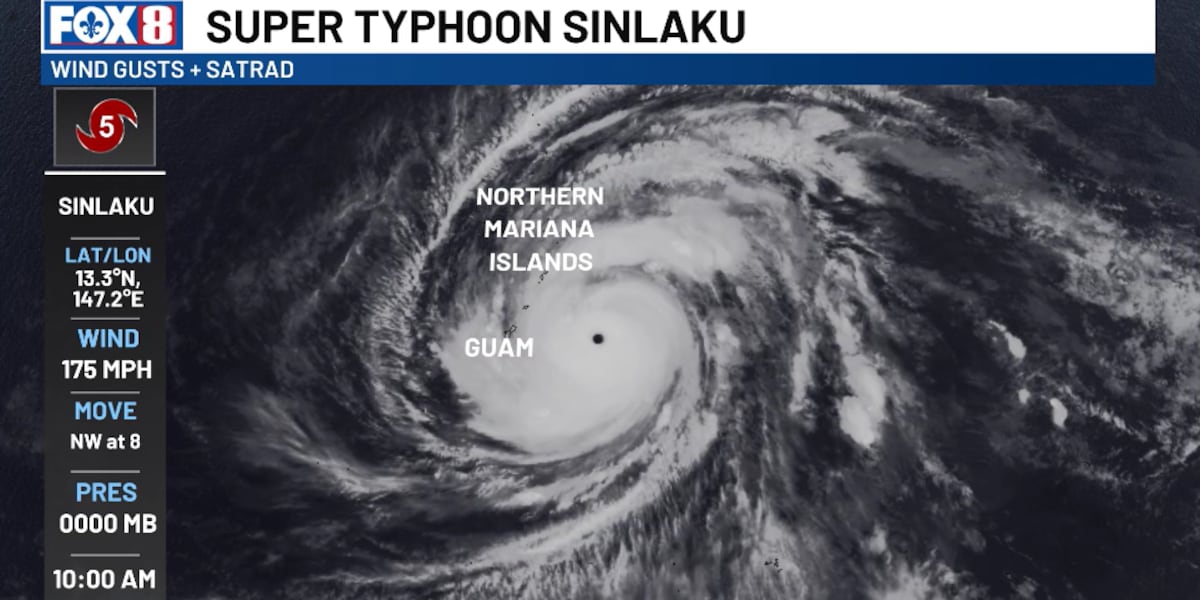
- Super Typhoon Sinlaku threatens 220K residents across Guam and Northern Mariana Islands with 173-180 mph winds, disrupting air/sea freight routes and creating emergency relief product opportunities for cross-border sellers
























Overview
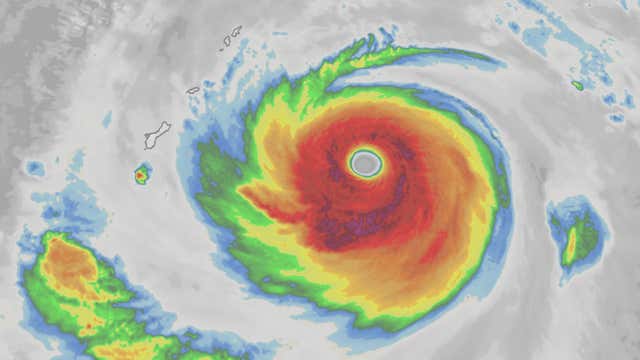
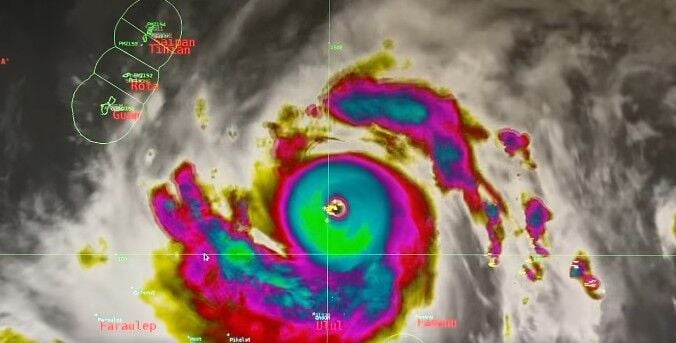
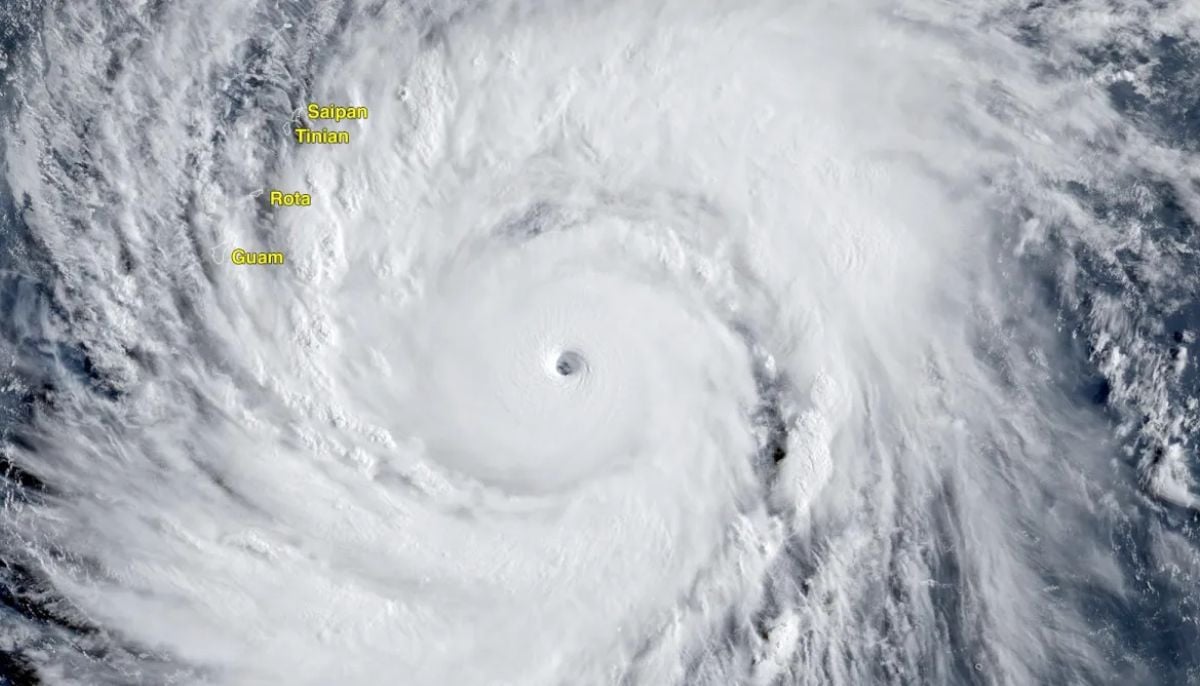
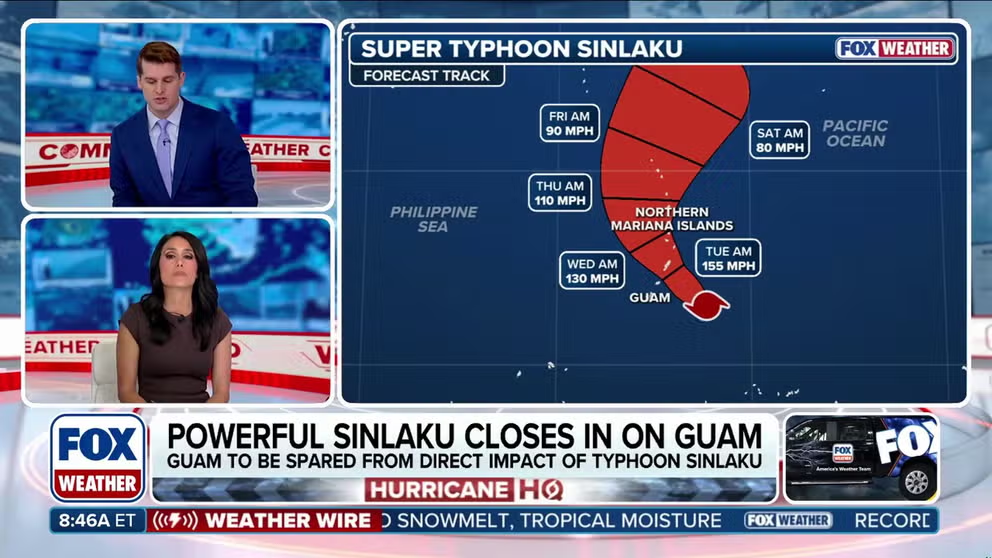
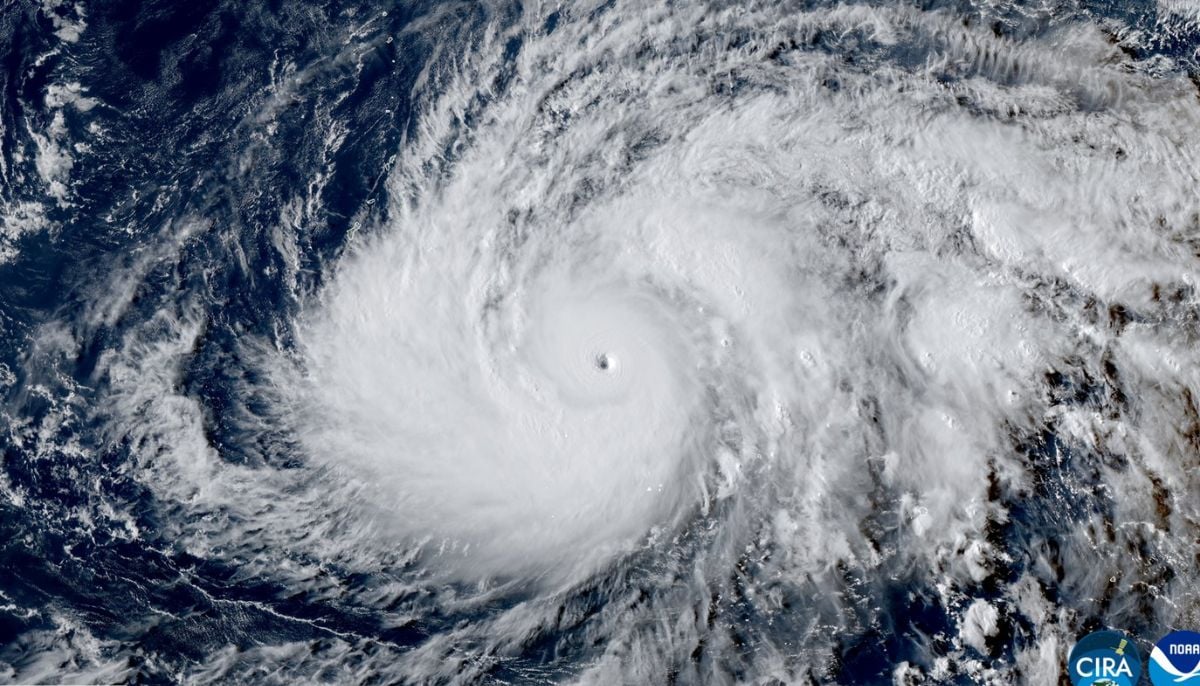
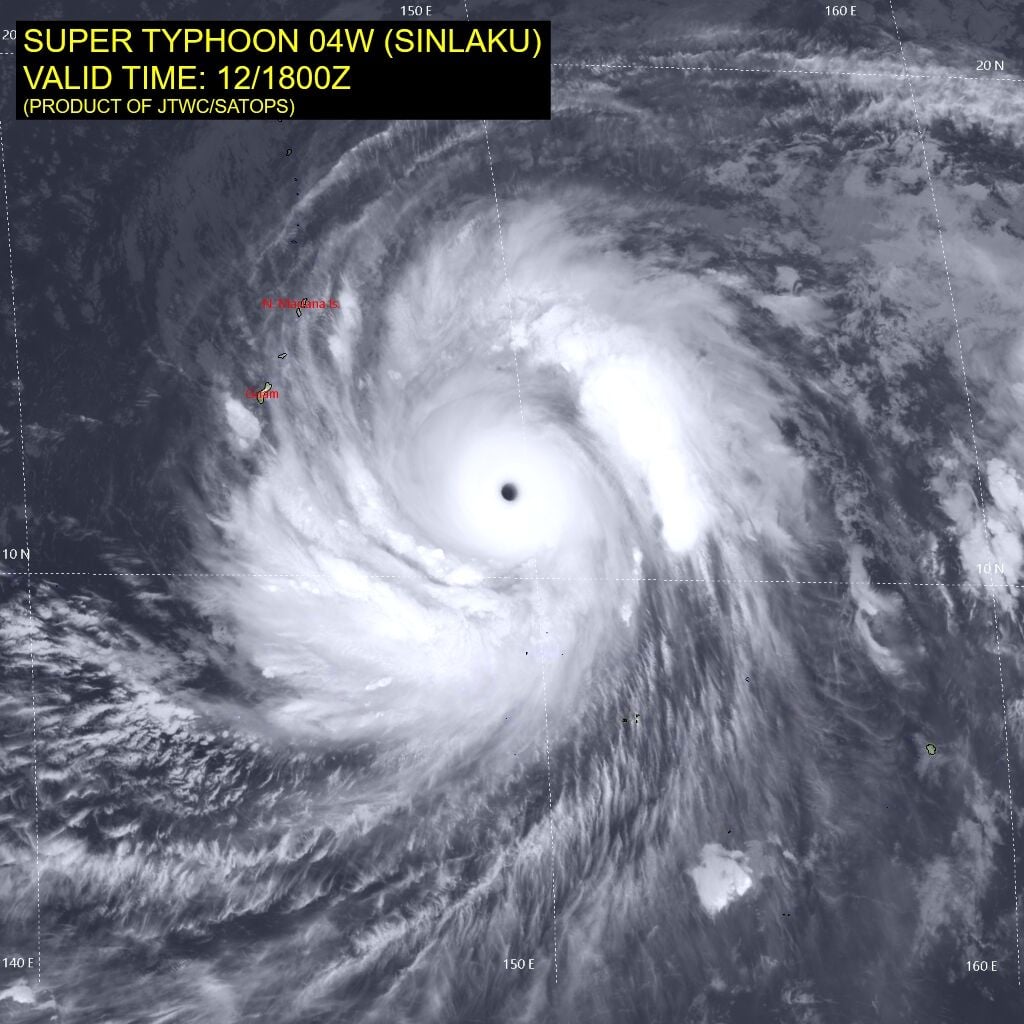
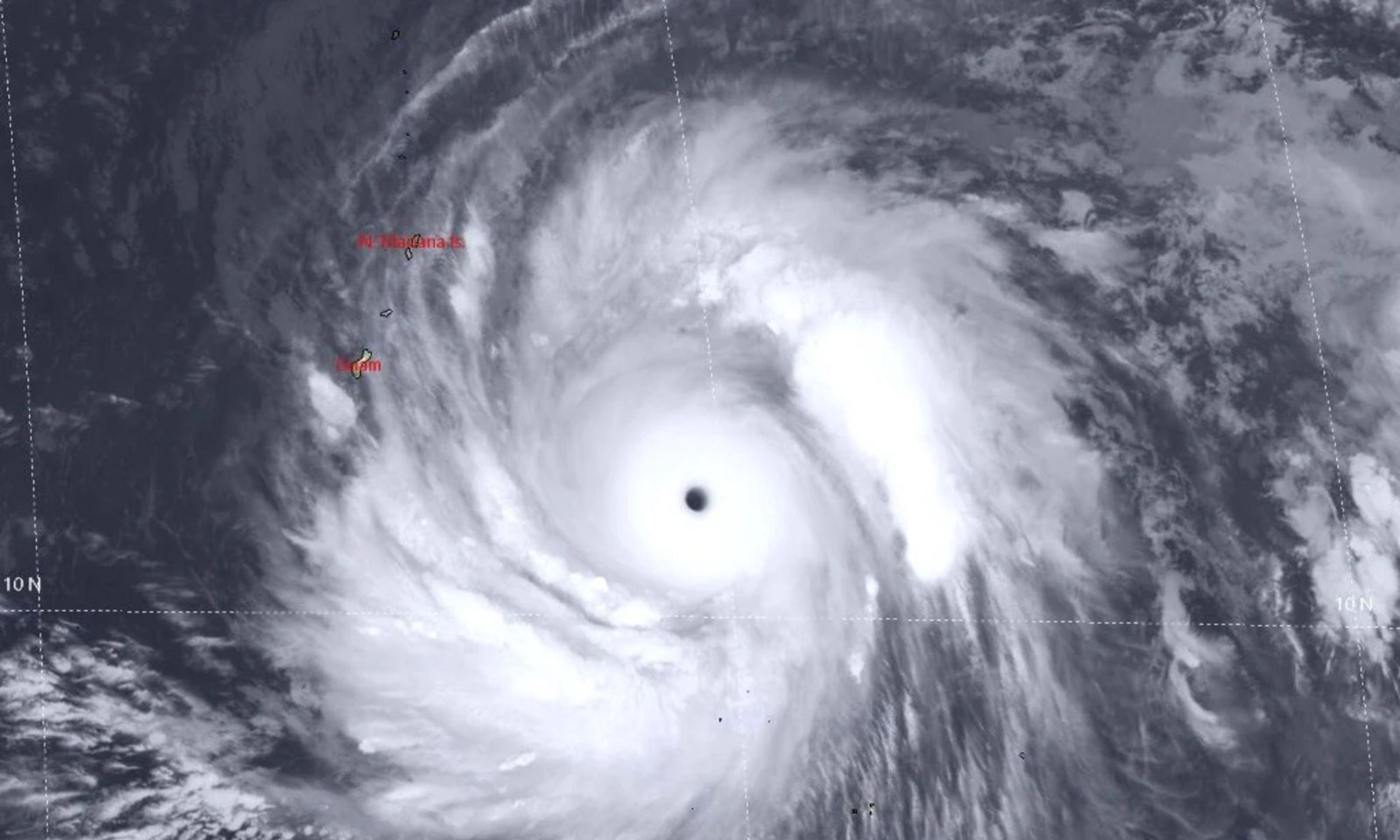
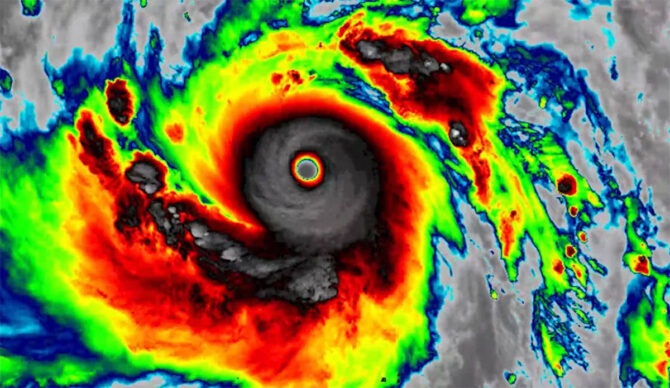
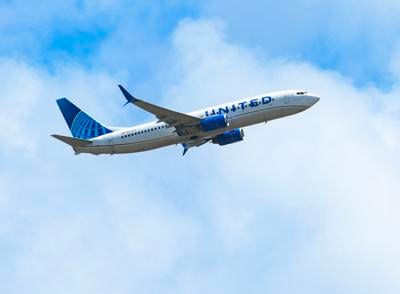
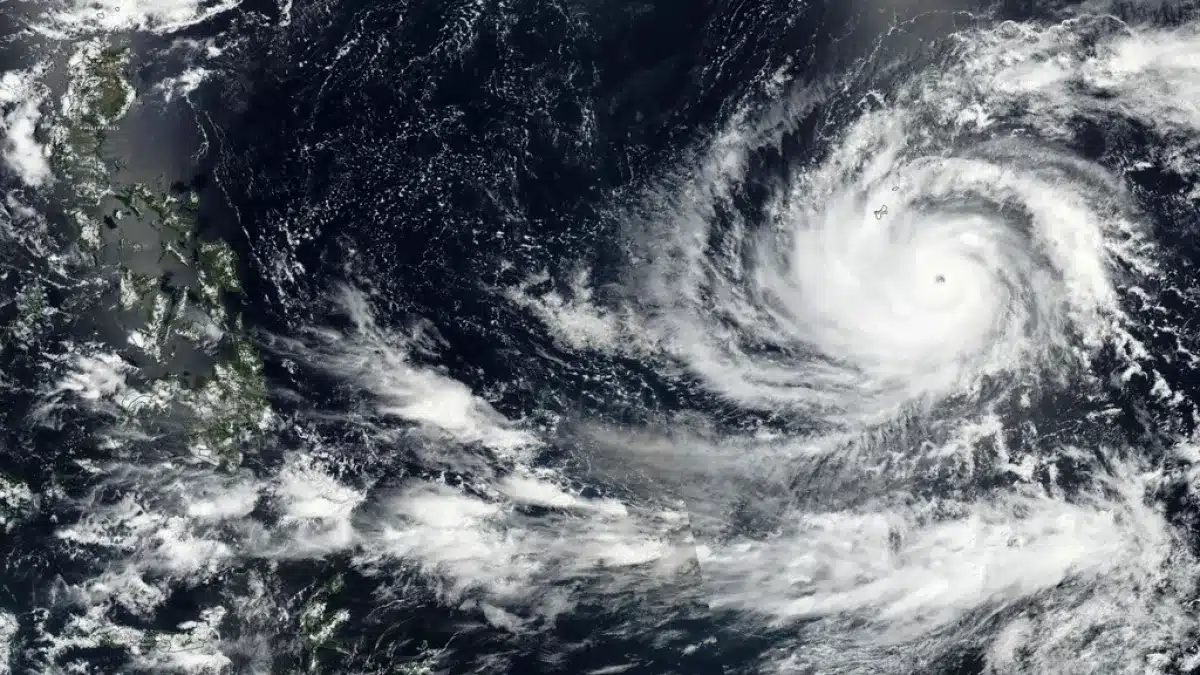
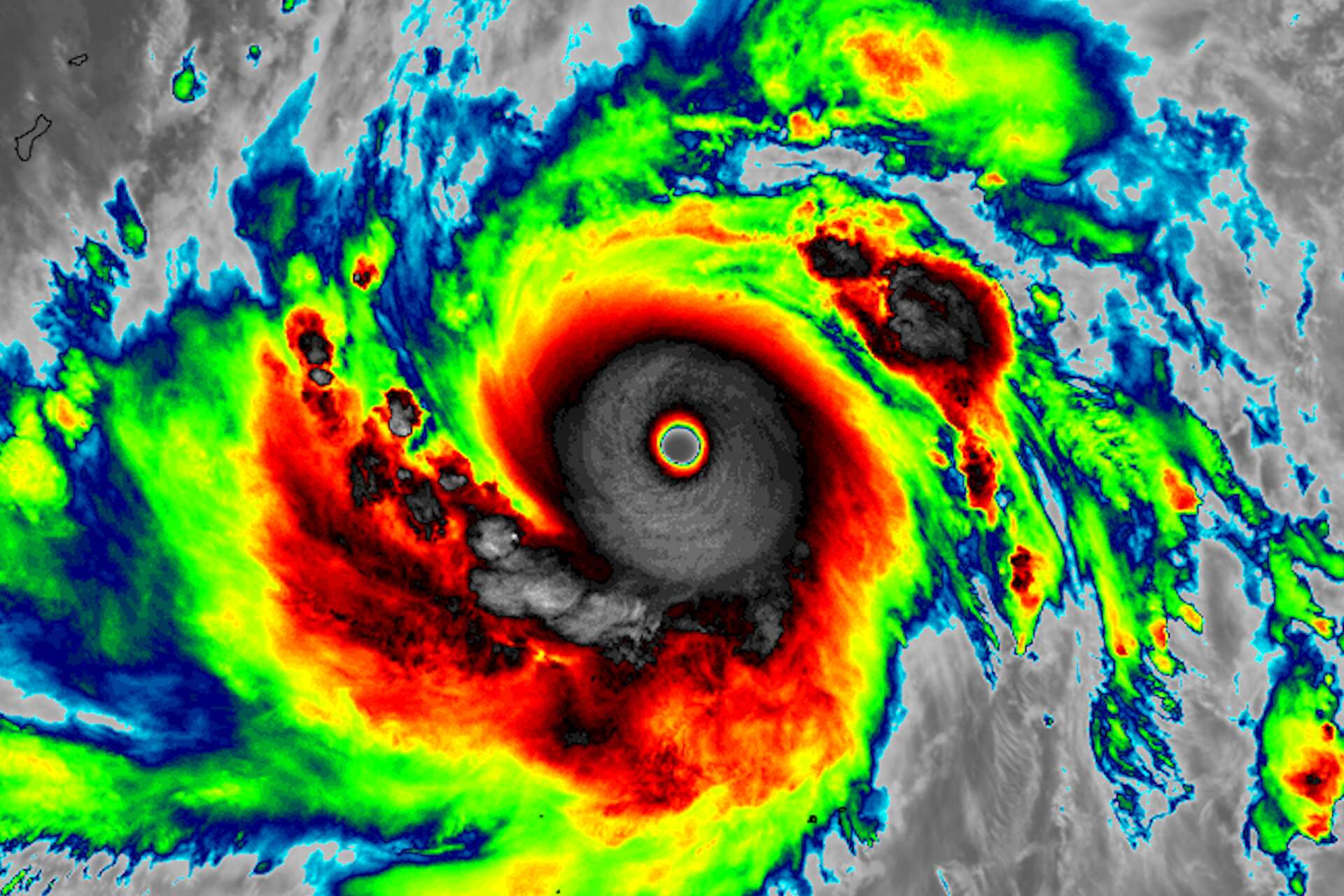
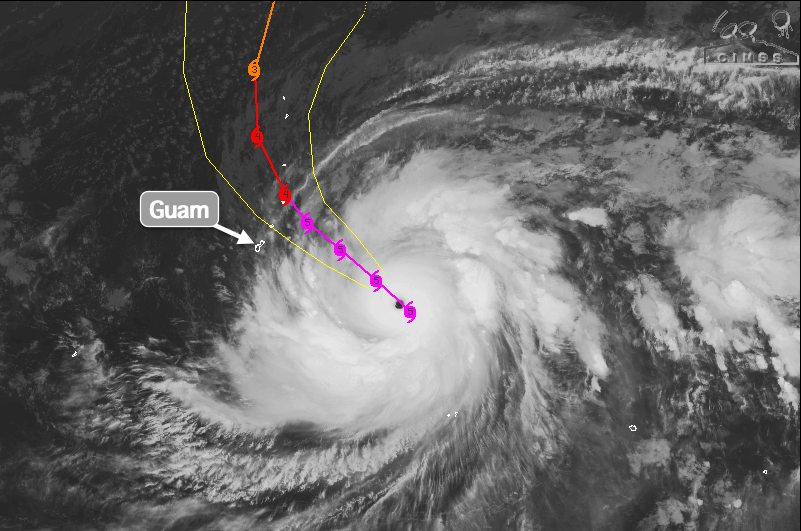
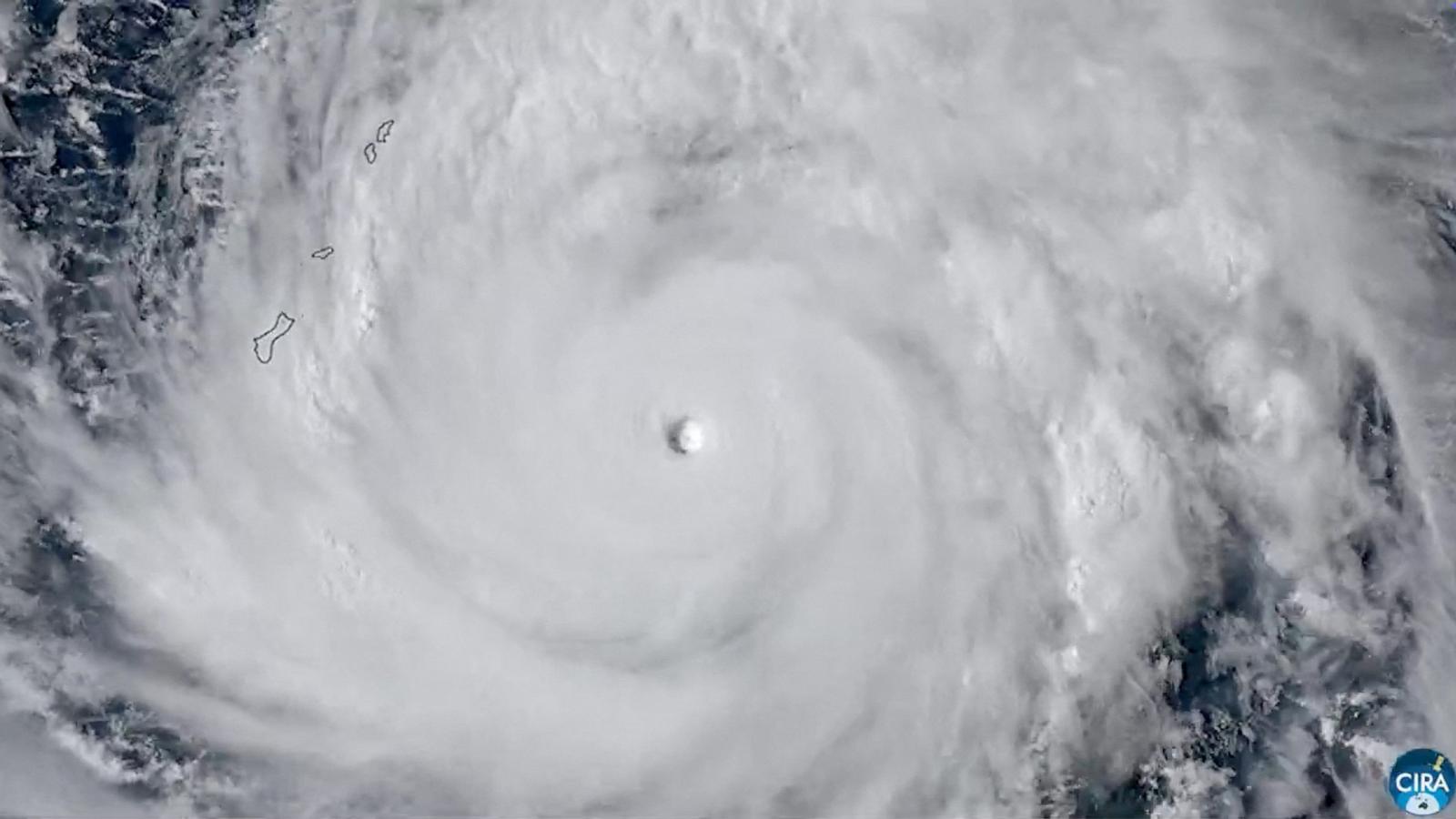
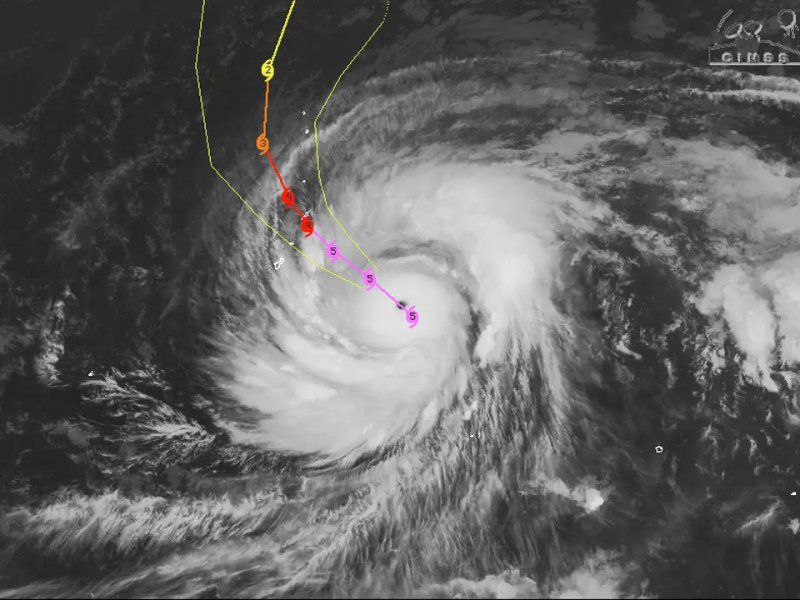
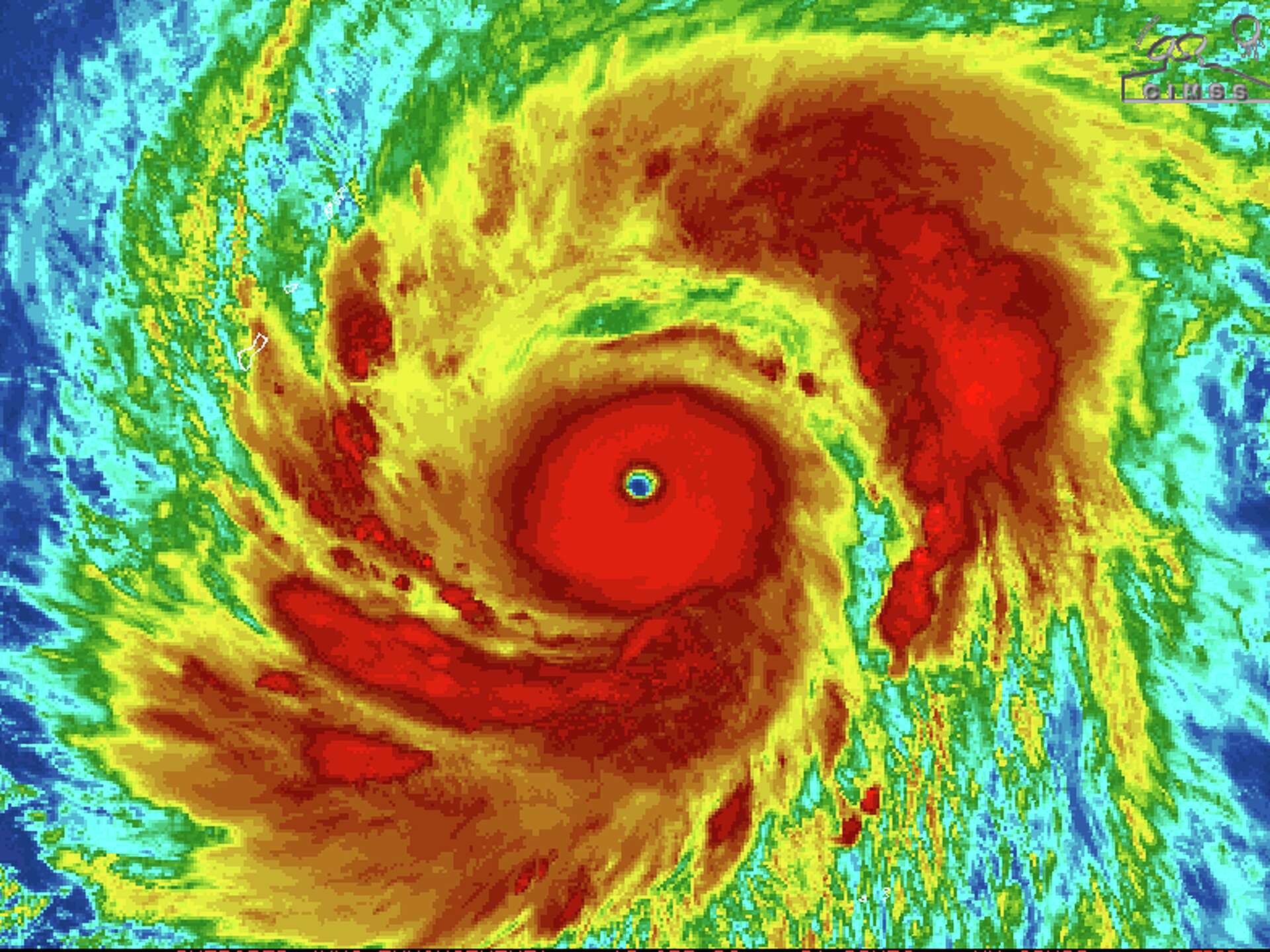
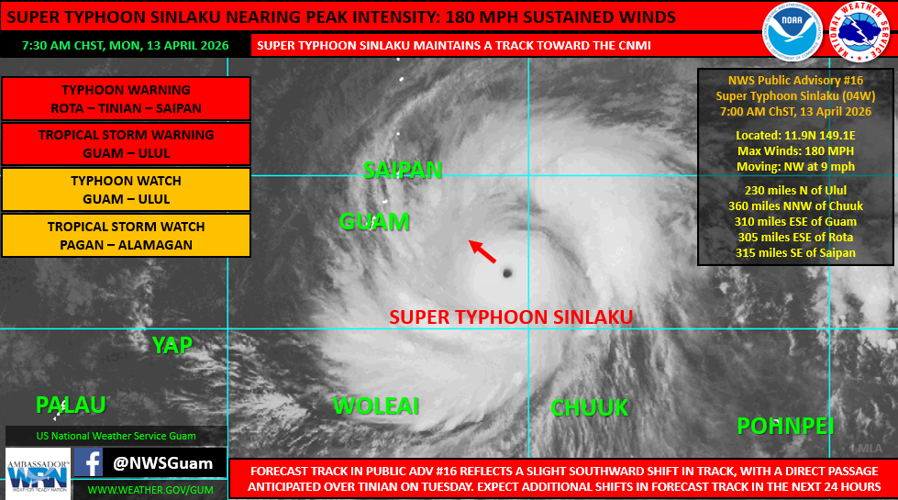
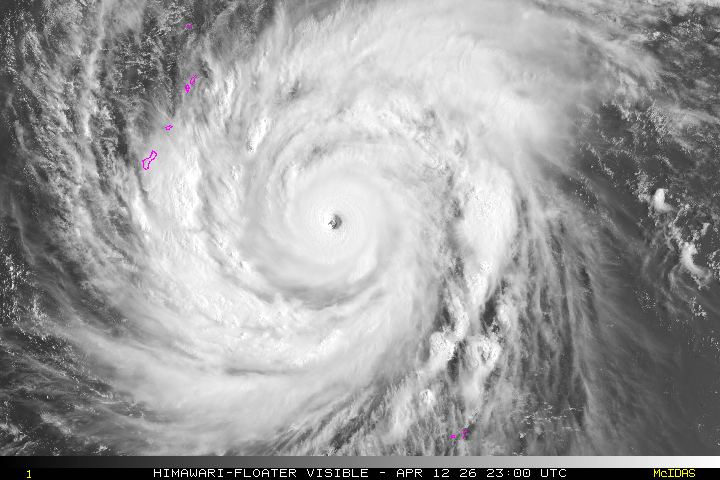
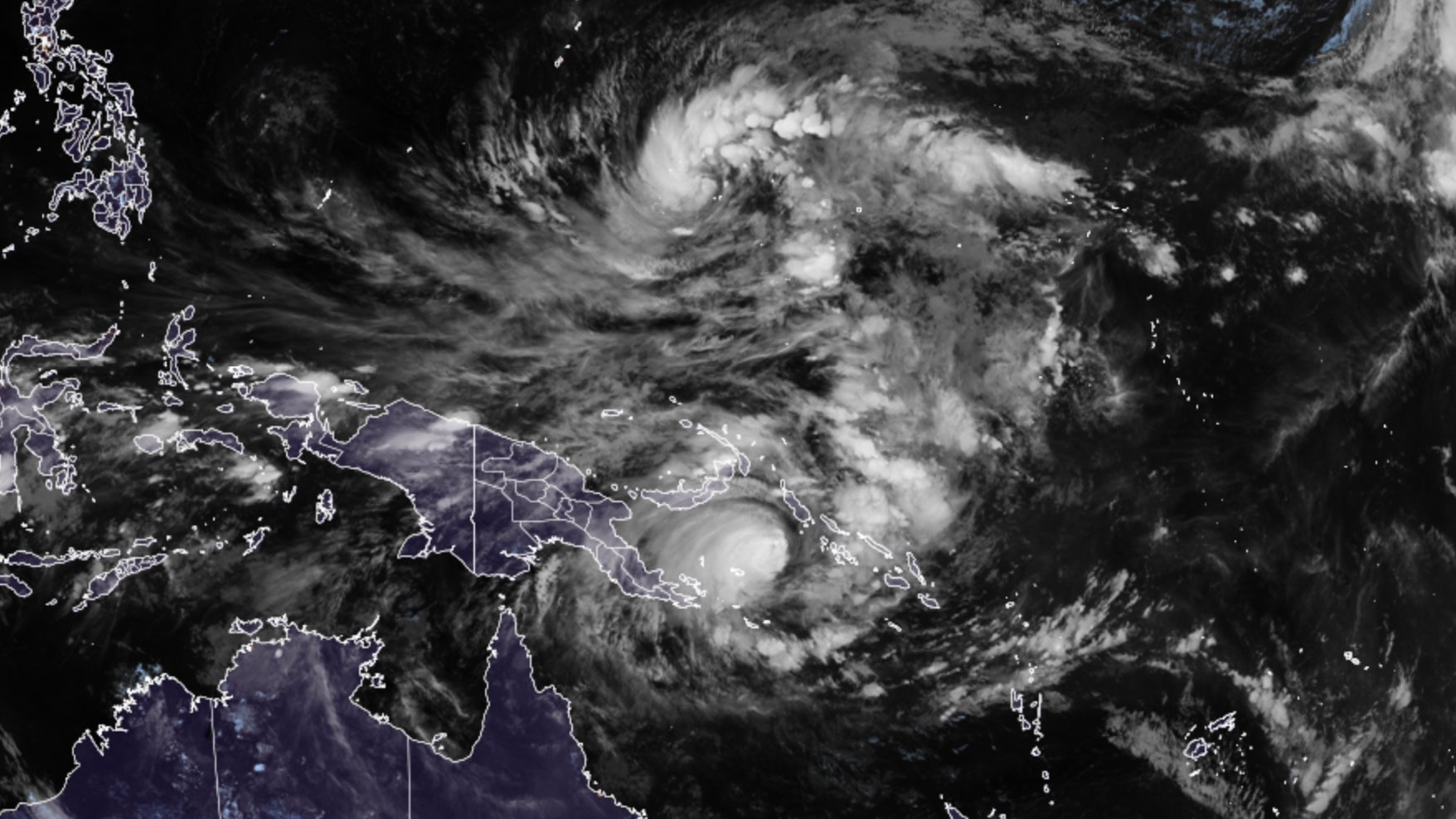
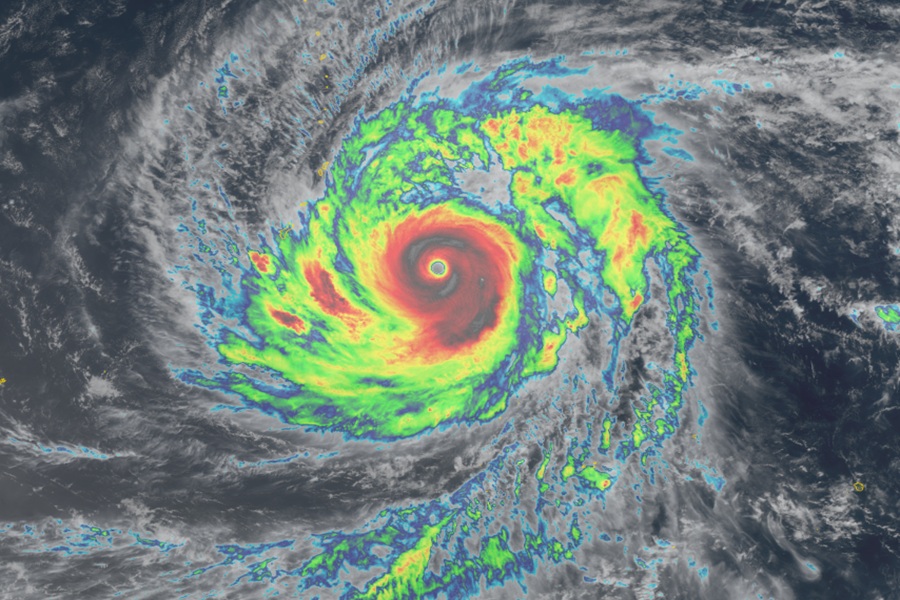
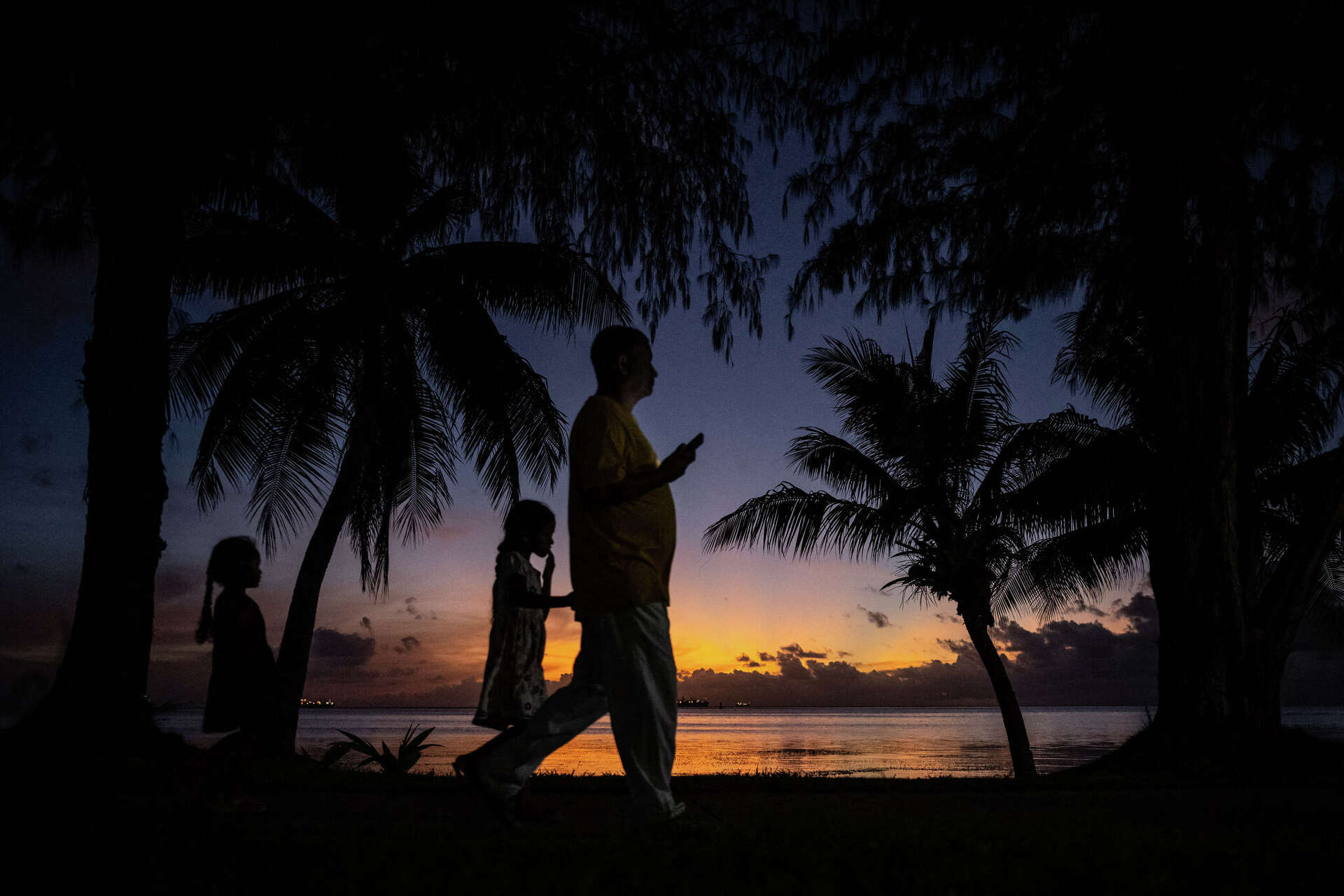
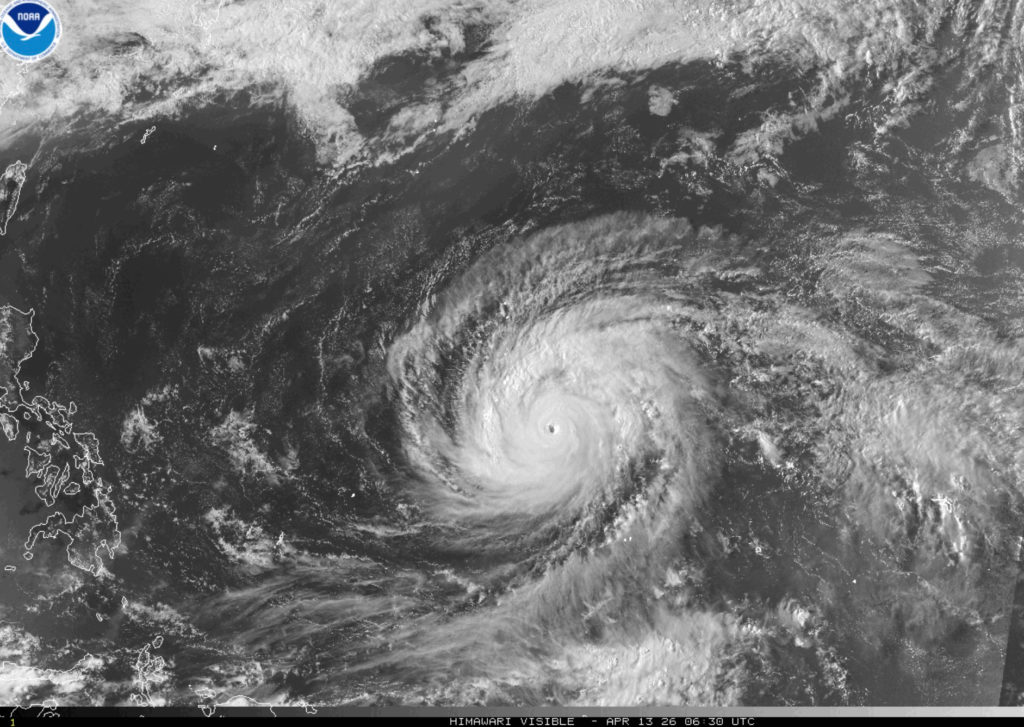
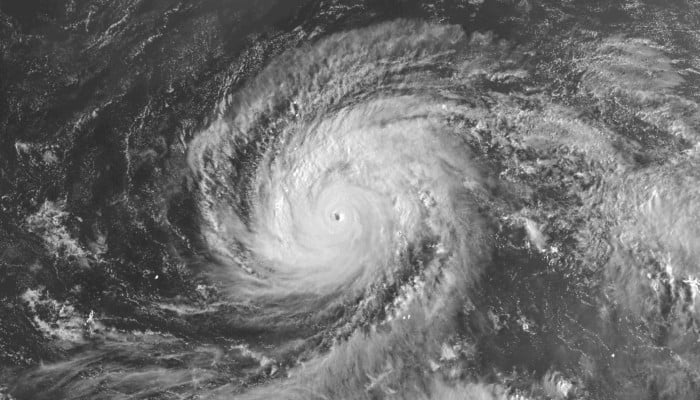
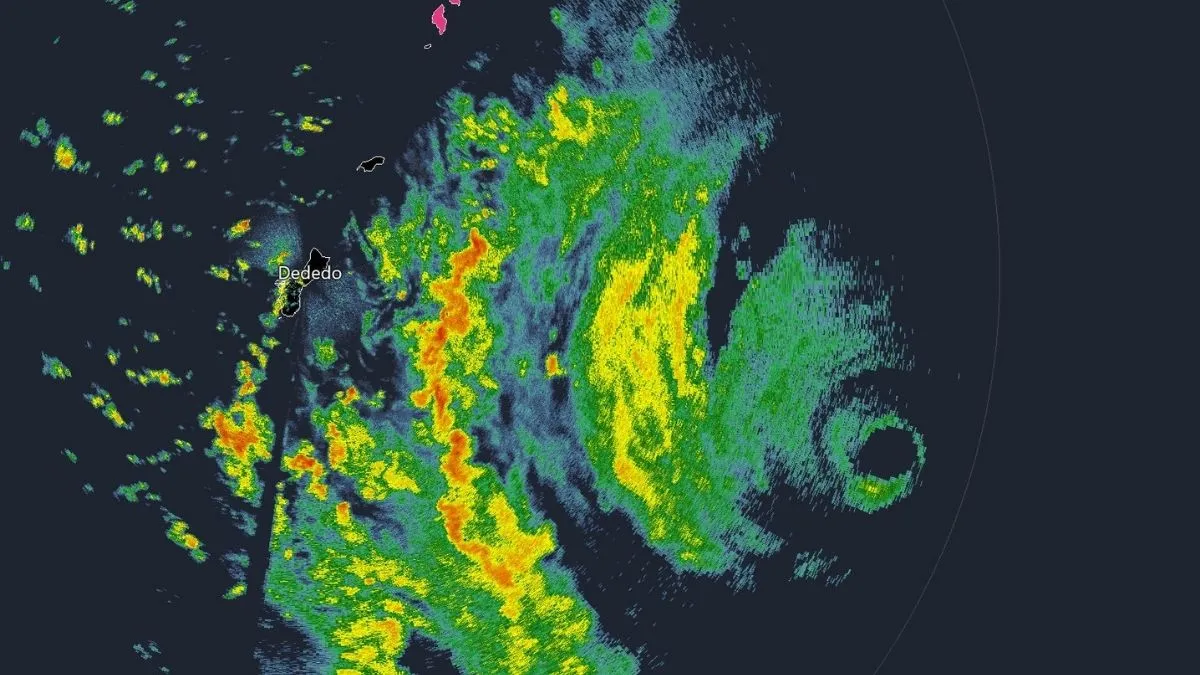
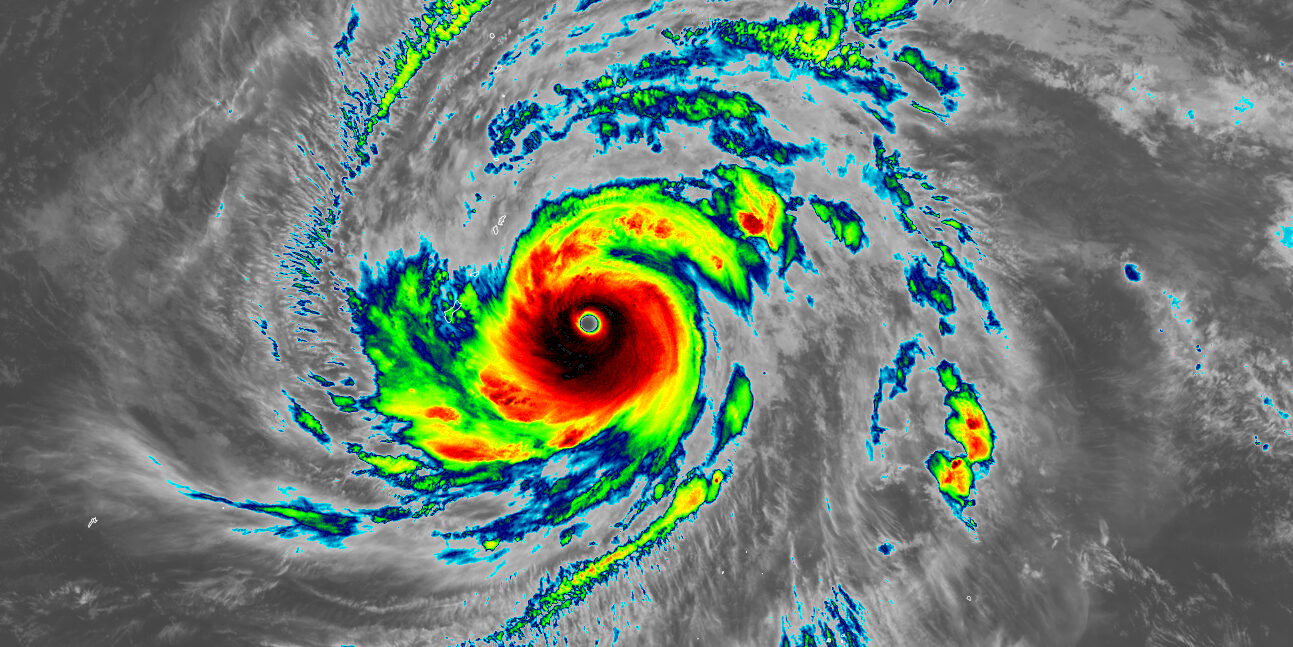
Super Typhoon Sinlaku represents a critical supply chain disruption event for cross-border sellers with Pacific operations. The Category 4-5 equivalent storm, bearing 173-180 mph sustained winds with gusts reaching 220 mph, is making landfall on the Northern Mariana Islands (Rota, Tinian, Saipan) and impacting Guam's 170,000 residents. President Trump approved emergency disaster declarations, activating FEMA's $3.6 billion relief fund and deploying nearly 100 FEMA personnel plus Department of Transportation and Army Corps of Engineers staff. United Airlines and Micronesian Air Connection have canceled flights through midweek, while the National Weather Service warns of 15-20 inches of rainfall, flash flooding, landslides, 15-foot hazardous surf, and coastal storm surge. This creates both immediate logistics challenges and emerging product opportunities for sellers.
For sellers with FBA fulfillment centers or inventory in Guam and the Northern Mariana Islands, the operational impact is severe. Power outages similar to Typhoon Mawar (2023) will disrupt warehouse operations, affecting inventory management systems and order fulfillment capabilities. Air and sea freight routes serving these territories face multi-week disruptions, creating shipping delays for both inbound inventory replenishment and outbound customer orders. Sellers should immediately contact their 3PL providers and logistics partners to reroute shipments, adjust delivery timelines, and secure alternative fulfillment capacity. The damaged ports and geographic remoteness compound recovery challenges—Saipan is still recovering economically from Super Typhoon Yutu (2018) followed by the 2020 pandemic, indicating extended recovery periods. Sellers operating in these regions should prepare for 2-4 week fulfillment delays and consider temporary inventory reallocation to mainland US fulfillment centers.
Emergency relief product categories present significant cross-border selling opportunities during disaster recovery phases. The 50,000 residents across the Northern Mariana Islands and 170,000 in Guam will require emergency supplies, generators, water purification systems, first aid kits, tarps, plywood, power tools, and home repair materials. FEMA's $3.6 billion disaster relief fund deployment signals substantial government procurement activity—sellers can target B2B opportunities through government contracts and emergency supplier networks. Tourism-dependent Saipan (known for resorts and snorkeling) will need hospitality recovery products. Sellers specializing in disaster preparedness merchandise, construction supplies, and emergency equipment should monitor FEMA procurement announcements and position inventory for post-disaster demand spikes. Historical patterns show 30-60% sales increases in disaster recovery categories during 4-8 week post-event windows.
Questions 7
What compliance or reporting requirements apply to disaster-affected sellers?
Sellers should document all typhoon-related disruptions for Amazon Seller Central, eBay, and Shopify compliance purposes. If you experience fulfillment delays exceeding 30 days, notify your marketplace account manager to request temporary metrics relief (late shipment rate, cancellation rate adjustments). For sellers with government contracts, FEMA disaster declarations may trigger force majeure clauses—review your contracts and notify procurement officers of supply chain impacts. Maintain records of shipping delays, power outages, and inventory damage for potential insurance claims and tax deductions. Consider filing business interruption insurance claims if applicable.
Should sellers relocate Guam inventory to mainland US fulfillment?
Yes, sellers with significant inventory in Guam should immediately coordinate with their 3PL providers to relocate stock to mainland US fulfillment centers (California, Texas, or East Coast hubs). This mitigates 2-4 week operational disruptions and positions inventory for faster customer delivery post-recovery. Calculate relocation costs against potential lost sales from fulfillment delays—for sellers with 500+ units in Guam, relocation typically costs $2-5 per unit but prevents 30-40% sales loss during recovery periods. Update Amazon FBA settings to reflect new fulfillment locations and adjust pricing to account for longer delivery times to Pacific customers during the recovery window.