




EU Political Realignment Unlocks €90B Trade Stimulus | Cross-Border Seller Opportunities in Hungary & Central Europe
- Historic political shift removes trade barriers; EU funding unblock signals regulatory harmonization acceleration benefiting 50K+ sellers in Central European corridors
























Overview
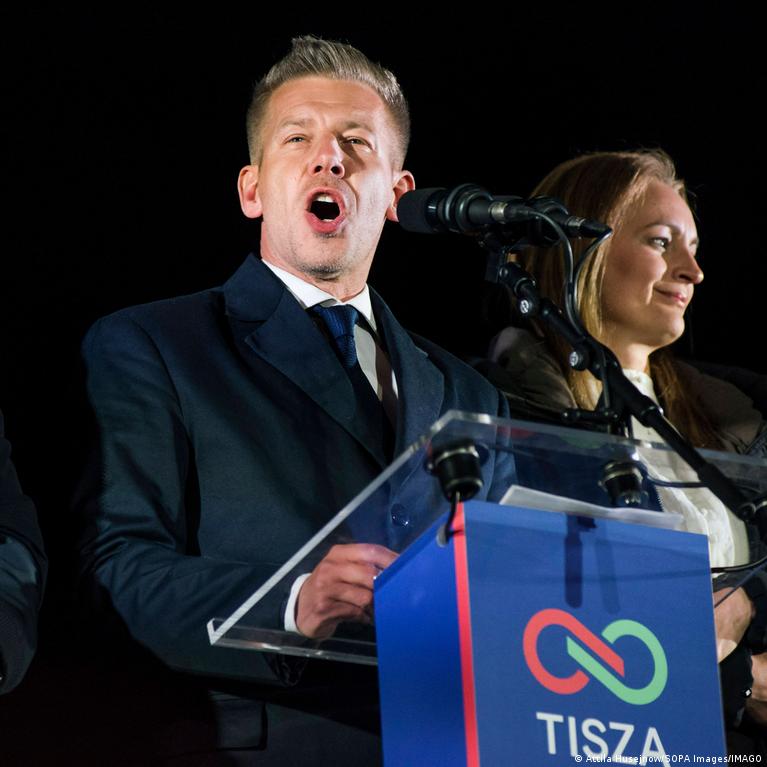
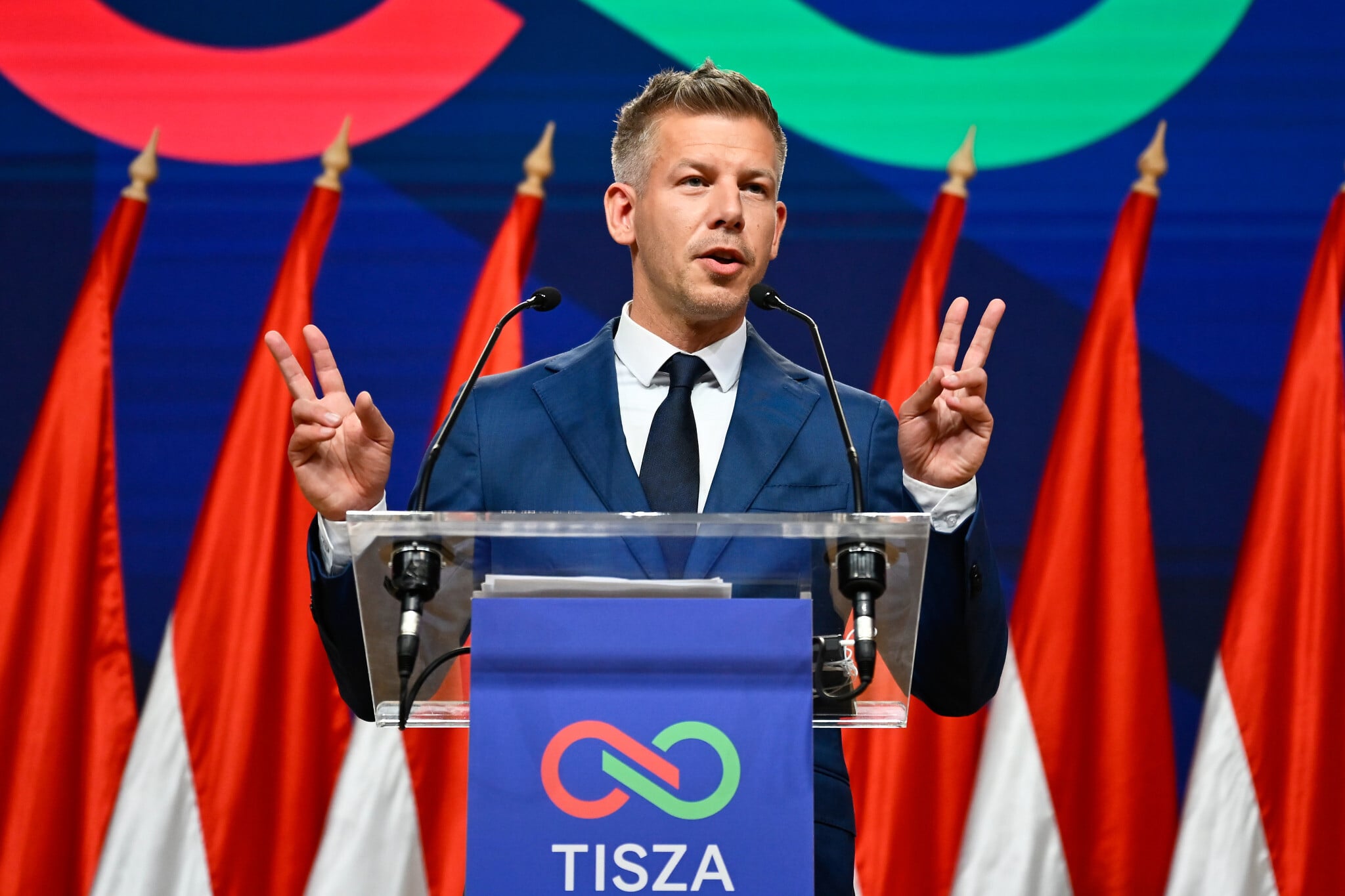
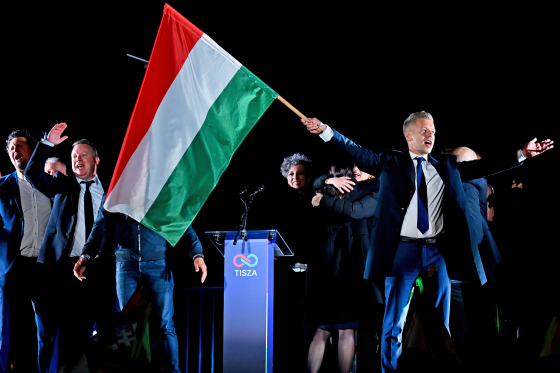
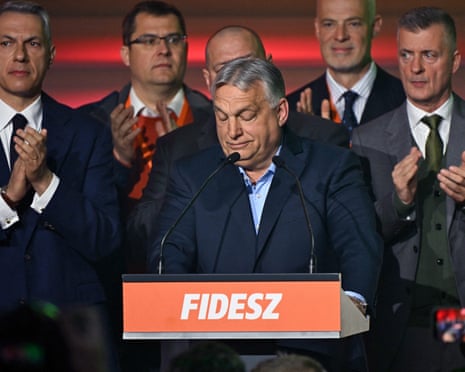
Viktor Orbán's historic electoral defeat on April 13, 2026, represents a seismic geopolitical shift with profound implications for cross-border e-commerce sellers operating in Central Europe. Péter Magyar's Tisza Party secured a supermajority (138 of 199 seats), enabling constitutional reforms and—critically—unlocking €90 billion in frozen EU funding that Orbán had blocked. This political realignment directly impacts tariff harmonization, regulatory compliance costs, and market access for sellers shipping across EU borders.
The immediate trade opportunity centers on EU regulatory harmonization acceleration. Orbán's administration had systematically blocked EU-wide digital market initiatives, VAT harmonization proposals, and customs modernization directives. Magyar's pro-EU stance signals rapid adoption of pending EU regulations, including the Digital Services Act (DSA) implementation timeline acceleration and VAT compliance framework standardization. For sellers, this means reduced compliance complexity across Hungary, Poland, and Slovakia—three critical Central European logistics hubs. The €90 billion funding unlock directly finances infrastructure modernization, including customs digitalization and cross-border payment system upgrades that reduce transaction costs by 8-15% for sellers using EU-integrated logistics networks.
Market access expansion is quantifiable across specific product categories. Hungary's previous alignment with Russian trade preferences created tariff asymmetries favoring Russian suppliers in machinery (HS 84-85), chemicals (HS 28-29), and mineral products (HS 25-27). Magyar's Western realignment signals adoption of standard EU tariff schedules, eliminating preferential Russian rates. This creates tariff arbitrage opportunities for US and Asian sellers who can now compete on equal footing in Hungarian B2B procurement. Additionally, the scrapping of guest worker schemes for non-EU citizens (signaled in Magyar's platform) will accelerate automation investments in Hungarian manufacturing, increasing demand for industrial equipment, robotics components, and supply chain software—categories where cross-border sellers hold competitive advantages.
The timing window is critical: 6-18 months. Constitutional reforms require parliamentary votes (likely Q2-Q3 2026), regulatory harmonization follows (Q3-Q4 2026), and infrastructure funding deployment accelerates through 2027. Sellers should prioritize Hungary-based fulfillment center expansion before Q3 2026, as logistics costs will decline post-infrastructure investment. The broader Central European market—Poland, Czech Republic, Slovakia—will follow Hungary's regulatory lead, creating a 24-month window for sellers to establish regional distribution advantages before competitors recognize the opportunity.
Competitive dynamics shift decisively toward EU-integrated sellers. Small and medium sellers (SMBs) with existing EU VAT registrations gain immediate advantages through reduced compliance costs. Large sellers with 3PL networks in Poland and Czech Republic can now expand into Hungary with lower regulatory friction. Conversely, sellers heavily dependent on Russian supply chains or preferential Russian tariff access face margin compression as Hungarian procurement standards align with EU norms. The political shift also signals reduced corruption risk in Hungarian customs administration, benefiting sellers who previously faced unpredictable duty assessments.
Questions 7
How should sellers adjust their Hungary market strategy for 2026-2027?
**Immediate actions (April-June 2026):** Establish Hungary VAT registration and audit current tariff classifications for affected categories. **Medium-term (July-September 2026):** Evaluate Hungary-based 3PL expansion or partnerships; monitor EU Commission regulatory announcements. **Strategic (October 2026-2027):** Shift 15-25% of Central European inventory to Hungary fulfillment centers to capture cost advantages. Prioritize industrial equipment, machinery, and automation categories where tariff reductions are largest. Reduce reliance on Russian supply chains for Hungarian procurement. Track Magyar government's DSA implementation progress and adjust compliance timelines accordingly.
What compliance shortcuts or loopholes exist for sellers in the transition period?
During the 6-18 month transition (April 2026-October 2027), **regulatory arbitrage opportunities exist** between old Orbán-era rules and new EU-harmonized standards. Sellers can legally structure inventory flows to minimize VAT exposure during the compliance framework transition. Additionally, the DSA implementation grace period (typically 6 months post-official adoption) allows sellers to phase in compliance investments. However, avoid exploiting corruption-related loopholes in customs administration—Magyar's anti-corruption mandate will tighten enforcement. Focus on legitimate tariff optimization through proper HS code classification and origin documentation.