





Goldman Sachs Q1 2026 Earnings Surge Signals Capital Markets Recovery | Seller Financing Opportunities
- Investment banking fees jump 48% to $2.84B; geopolitical volatility creates M&A uncertainty affecting e-commerce platform consolidation and seller acquisition financing


































Overview
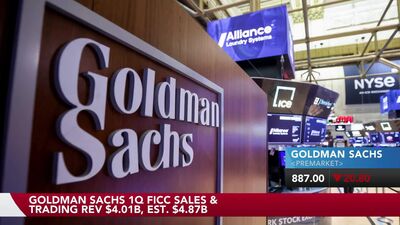
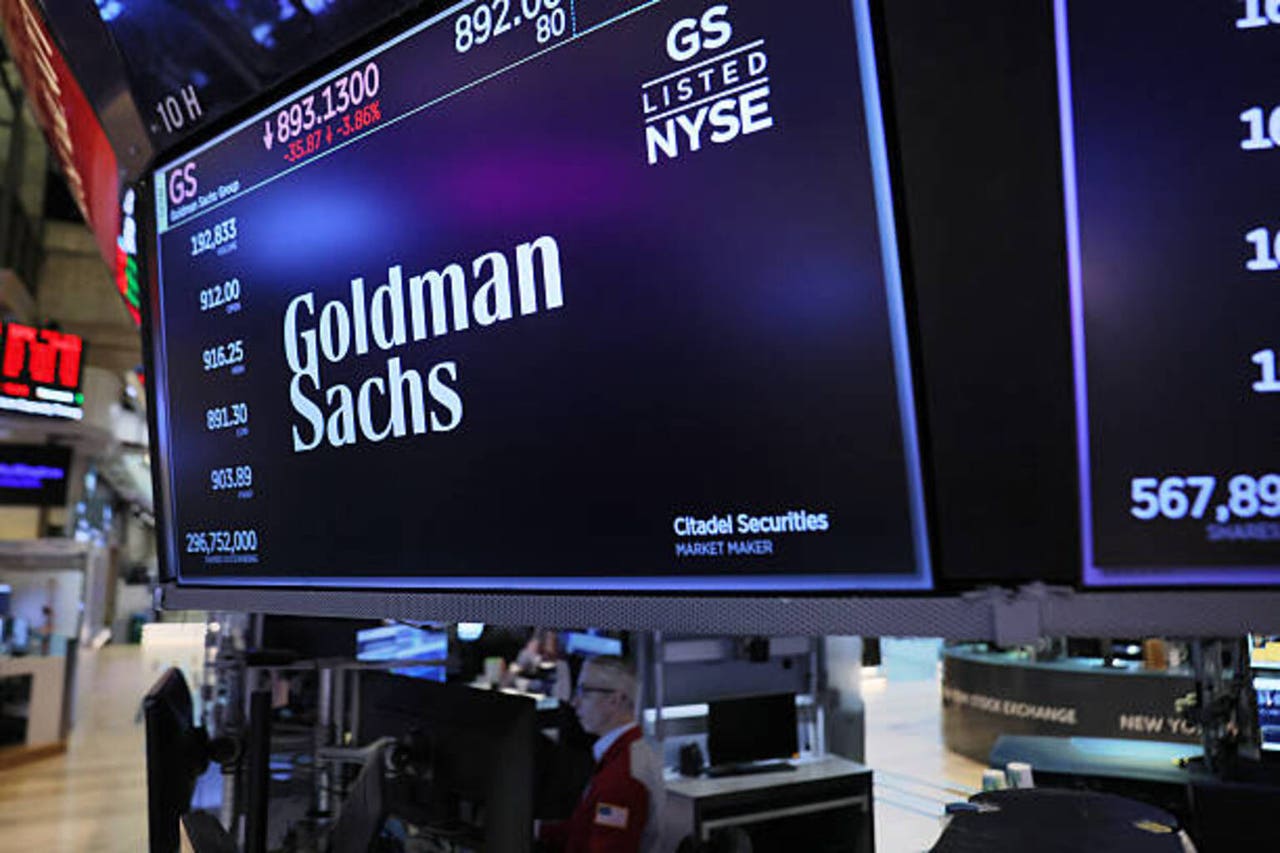
Goldman Sachs reported first-quarter 2026 earnings of $17.55 per share, exceeding analyst expectations by $1.06 per share, with total revenue reaching $17.23 billion versus the expected $16.97 billion. The investment bank's record performance in equities trading ($5.33 billion, $420M above estimates) and surging investment banking fees (48% increase to $2.84 billion) reflect a resurgence in deal activity and volatile market conditions. However, fixed income operations declined 10% to $4.01 billion, and credit loss provisions nearly doubled to $315 million, signaling caution amid geopolitical tensions—particularly the Iran conflict beginning February 28, 2026.
For cross-border e-commerce sellers, this earnings report carries significant indirect implications. The 48% surge in investment banking fees indicates robust M&A activity, which directly affects the e-commerce ecosystem through platform consolidation, marketplace acquisitions, and strategic partnerships. When major financial institutions like Goldman Sachs report strong deal-making activity, it signals capital availability for e-commerce platform acquisitions, third-party logistics (3PL) consolidations, and seller financing opportunities. Sellers seeking growth capital, acquisition financing, or expansion into new marketplaces benefit from this improved capital markets environment. The record equities trading revenue ($5.33 billion) and enhanced prime brokerage services for hedge funds suggest increased institutional investment in e-commerce and fintech sectors, potentially driving valuations higher for established seller networks and marketplace platforms.
However, the fixed income miss and elevated credit loss provisions present operational headwinds. Goldman's 10% decline in fixed income revenues reflects weakness in interest rate products and mortgages, which typically correlate with tightening credit conditions. The provision for credit losses increasing to $315 million—more than double the estimated $150.4 million—signals deteriorating loan quality and wholesale loan impairments. For sellers reliant on business credit lines, inventory financing, or working capital loans, this indicates potential tightening of lending standards and higher borrowing costs. The geopolitical landscape uncertainty, particularly the Iran conflict beginning February 28, creates volatility that affects corporate clients' willingness to pursue M&A and debt issuance. This translates to reduced acquisition activity in the e-commerce sector, fewer platform consolidations, and potentially delayed expansion plans for marketplace operators and seller networks.
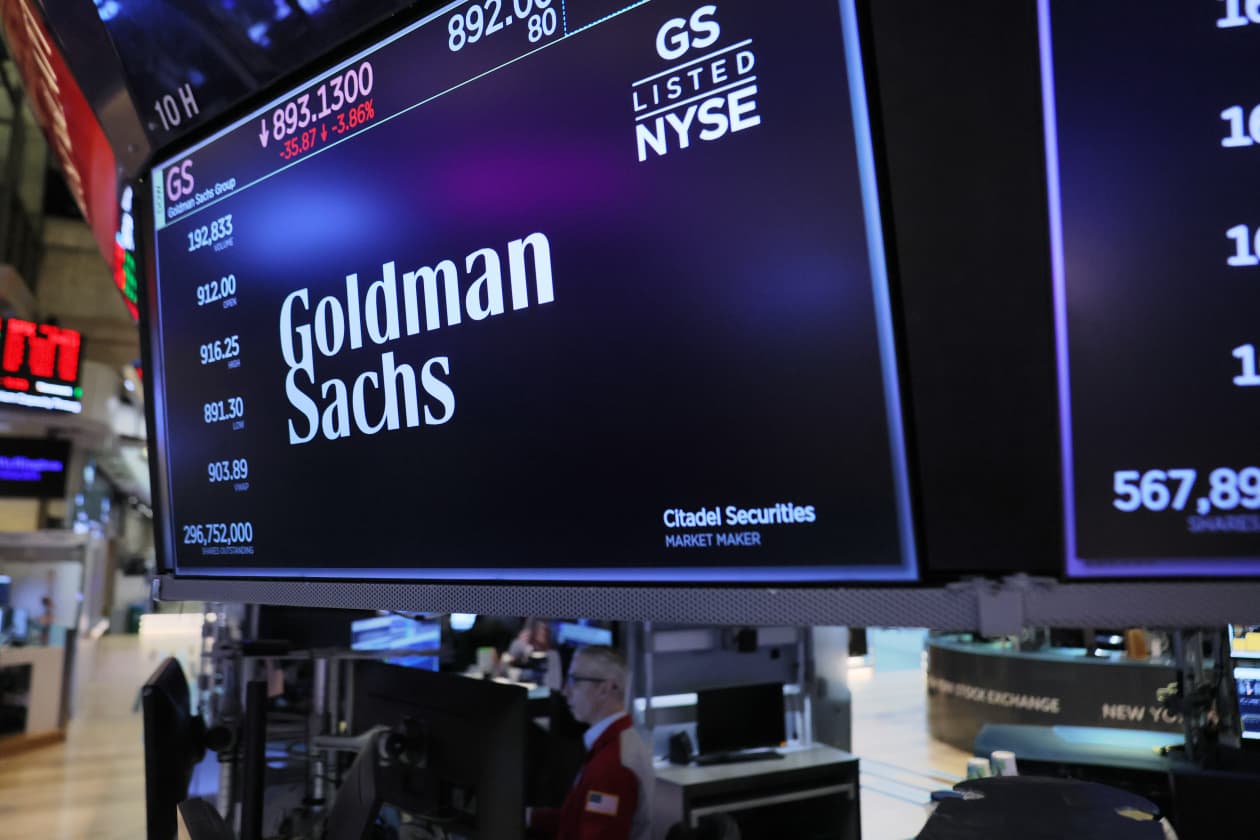
Strategically, sellers should monitor capital markets conditions as leading indicators of platform investment and consolidation activity. Strong investment banking performance (as evidenced by Goldman's 48% fee surge) typically precedes announcements of marketplace acquisitions, seller program expansions, and competitive platform launches. Conversely, weakness in fixed income and rising credit provisions suggest tightening conditions for seller financing and working capital availability. The stock's 4% decline despite beating earnings estimates reflects investor concerns about geopolitical disruptions affecting future capital markets activity—a signal that sellers should prepare for potential volatility in platform policies, fee structures, and financing availability over the next 2-3 quarters.
Questions 8
What does the equities trading surge tell sellers about investor sentiment?
Goldman Sachs' record equities trading revenue of $5.33 billion, driven by increased financing activity for hedge fund clients and enhanced cash equities matching services, indicates strong institutional investor appetite for equity positions. This typically correlates with increased venture capital and private equity investment in e-commerce, fintech, and logistics sectors. For sellers, this signals that investor sentiment toward e-commerce remains positive, which may support platform valuations, facilitate seller acquisition financing, and drive competitive investment in marketplace features and seller tools. However, the stock's 4% decline despite strong earnings suggests investors are concerned about geopolitical risks affecting future equity market performance. Sellers should capitalize on current investor enthusiasm by pursuing growth initiatives, but remain cautious about long-term market volatility.
Should sellers adjust their financing strategy based on Goldman's earnings report?
Yes, Goldman's mixed earnings signal a bifurcated capital markets environment: strong deal-making activity (investment banking up 48%) but weakening credit conditions (fixed income down 10%, credit losses doubled). Sellers should pursue growth financing now while capital remains available for M&A and expansion, but simultaneously reduce reliance on variable-rate credit lines and working capital loans. The report suggests a 2-3 quarter window of opportunity for acquisition financing before credit conditions tighten further. Sellers should also monitor platform consolidation announcements closely, as increased M&A activity may precede policy changes or fee increases from acquiring companies. Consider locking in 12-24 month fixed-rate financing agreements before rates rise further in response to credit market tightening.