

Gaming Release Strategy Shifts | How AAA Title Delays Impact Digital Retail & Merchandise Sales
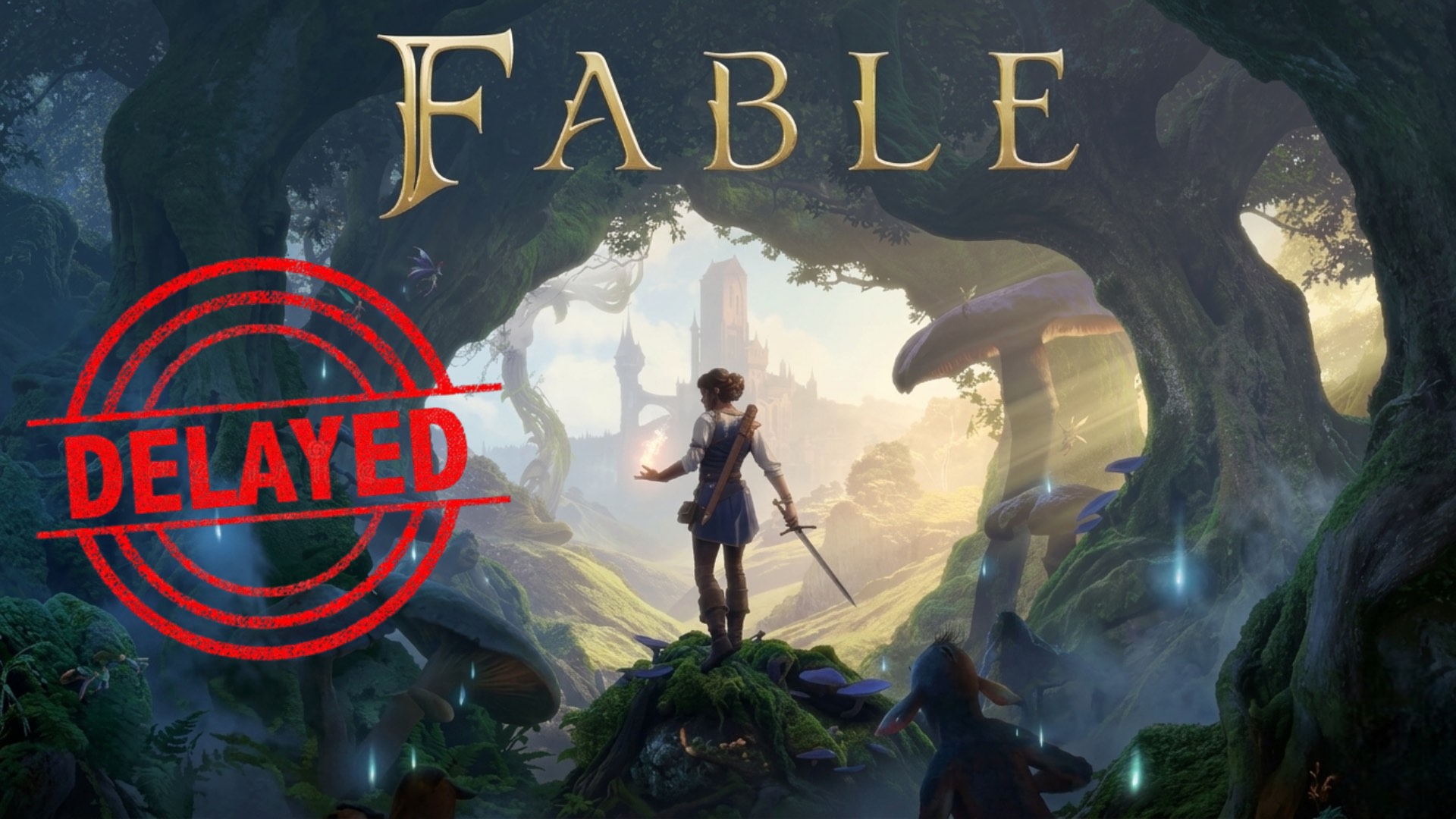
- Microsoft delays Fable from Autumn 2026 to late 2026/2027 to avoid GTA 6 competition; signals broader e-commerce timing strategy affecting gaming merchandise, digital sales, and consumer spending patterns during Q4 2026








Overview
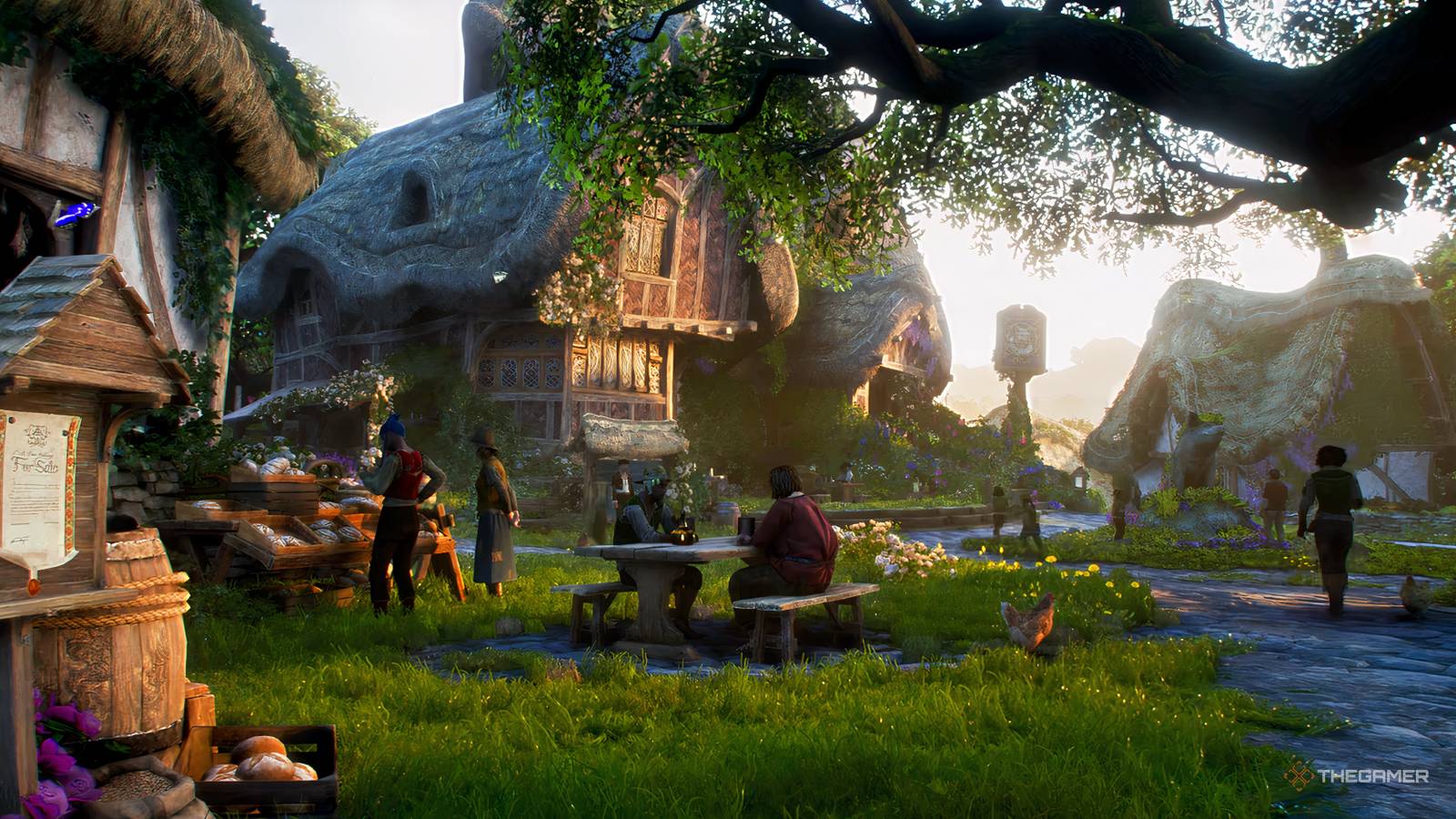
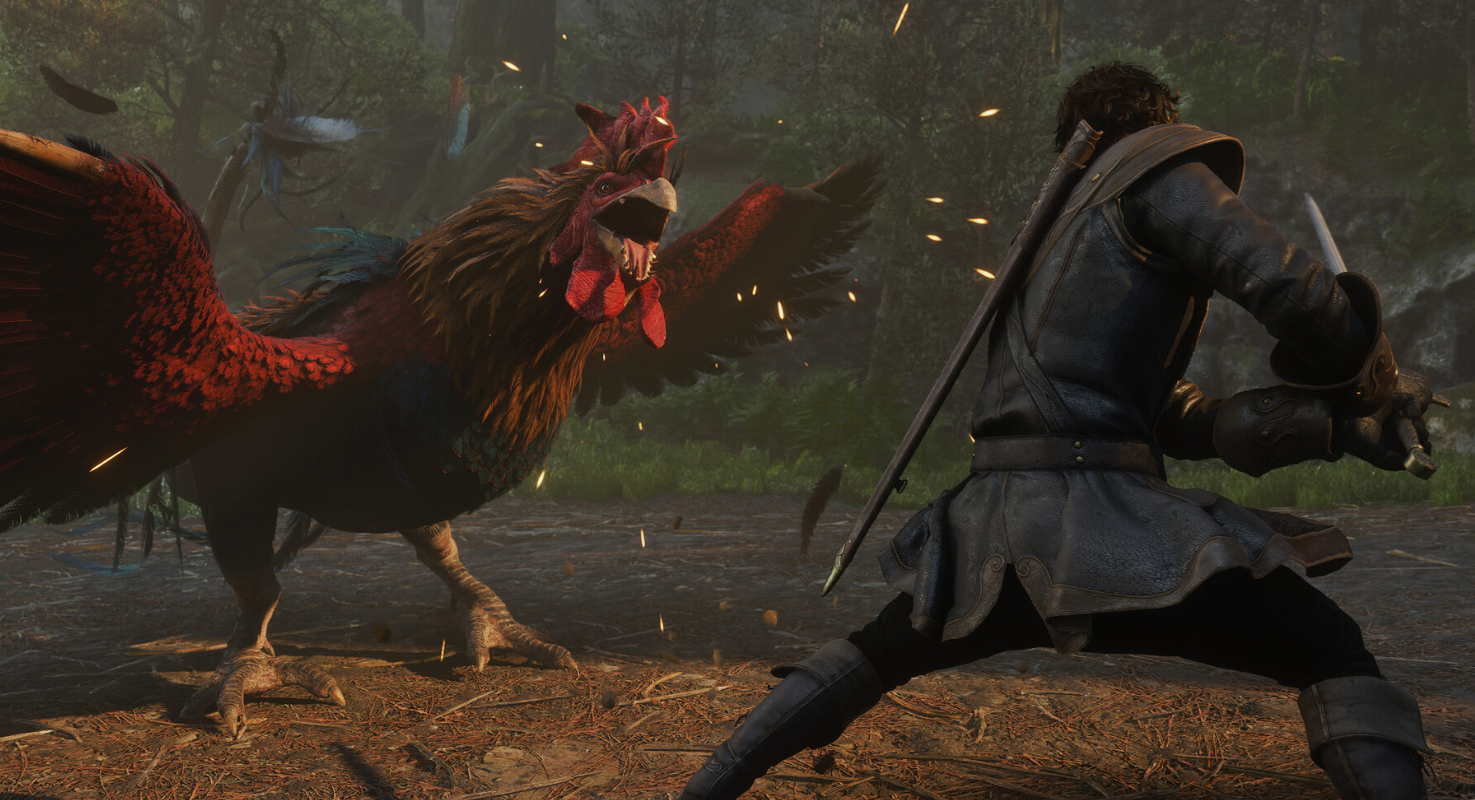
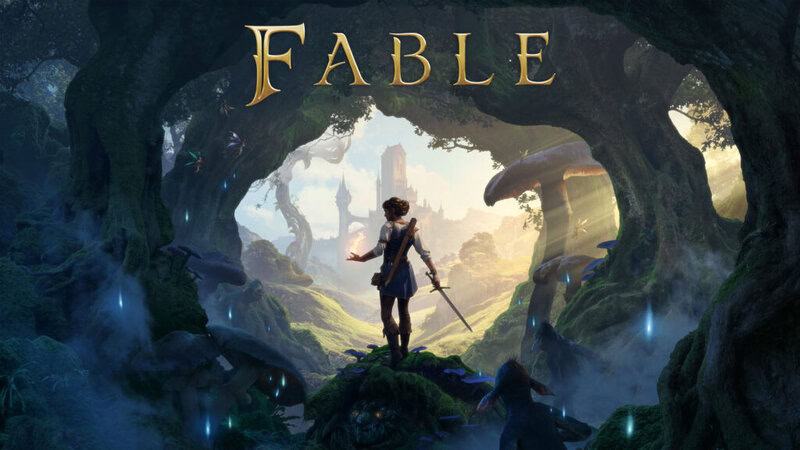
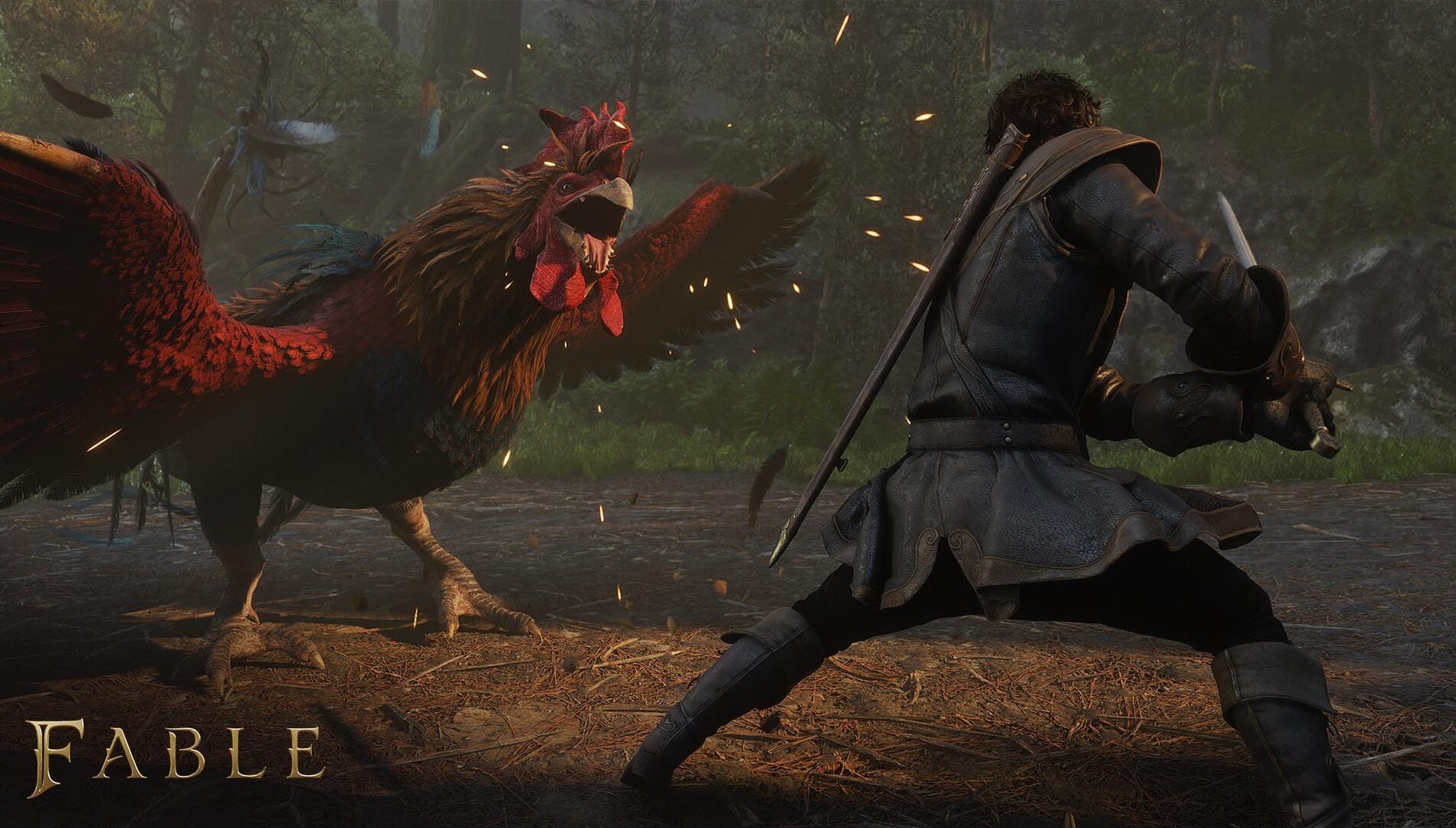
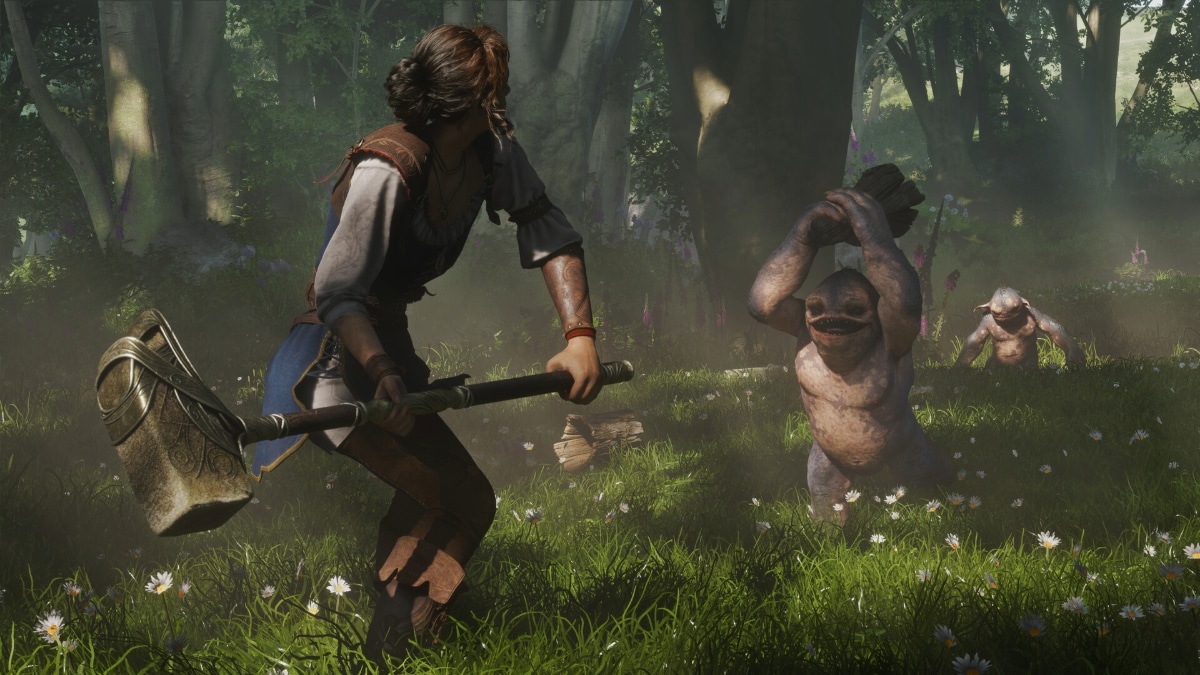
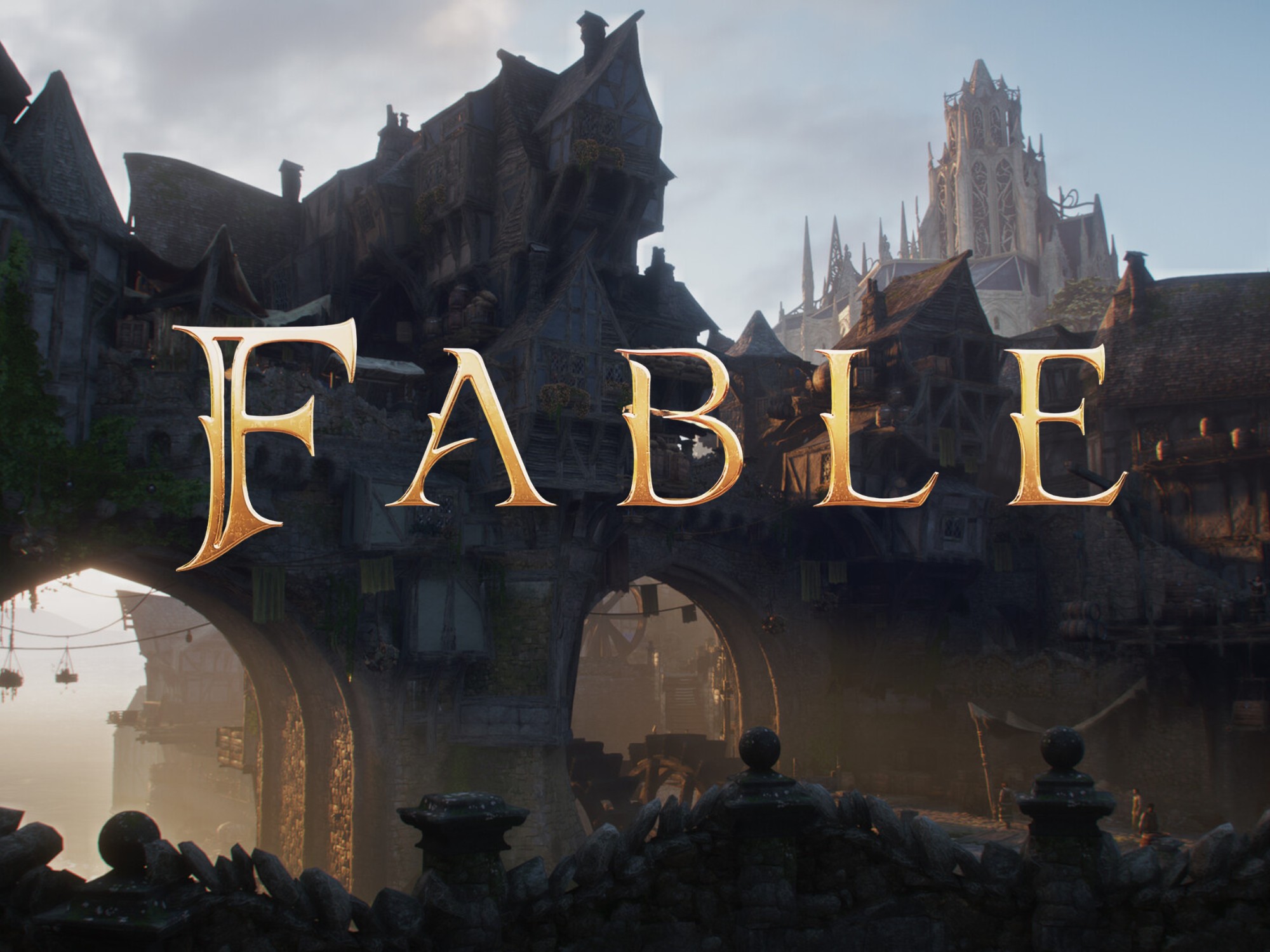
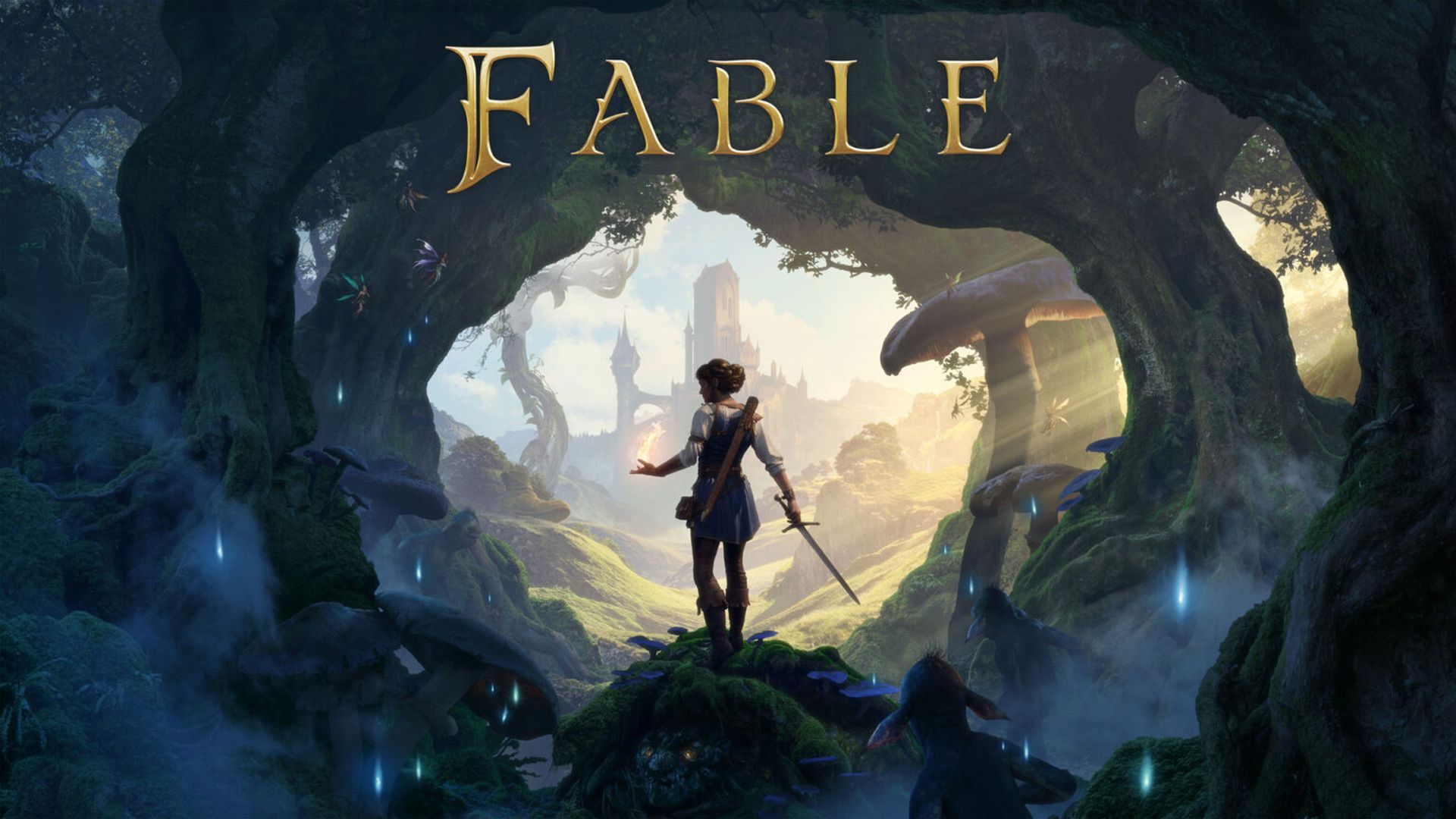
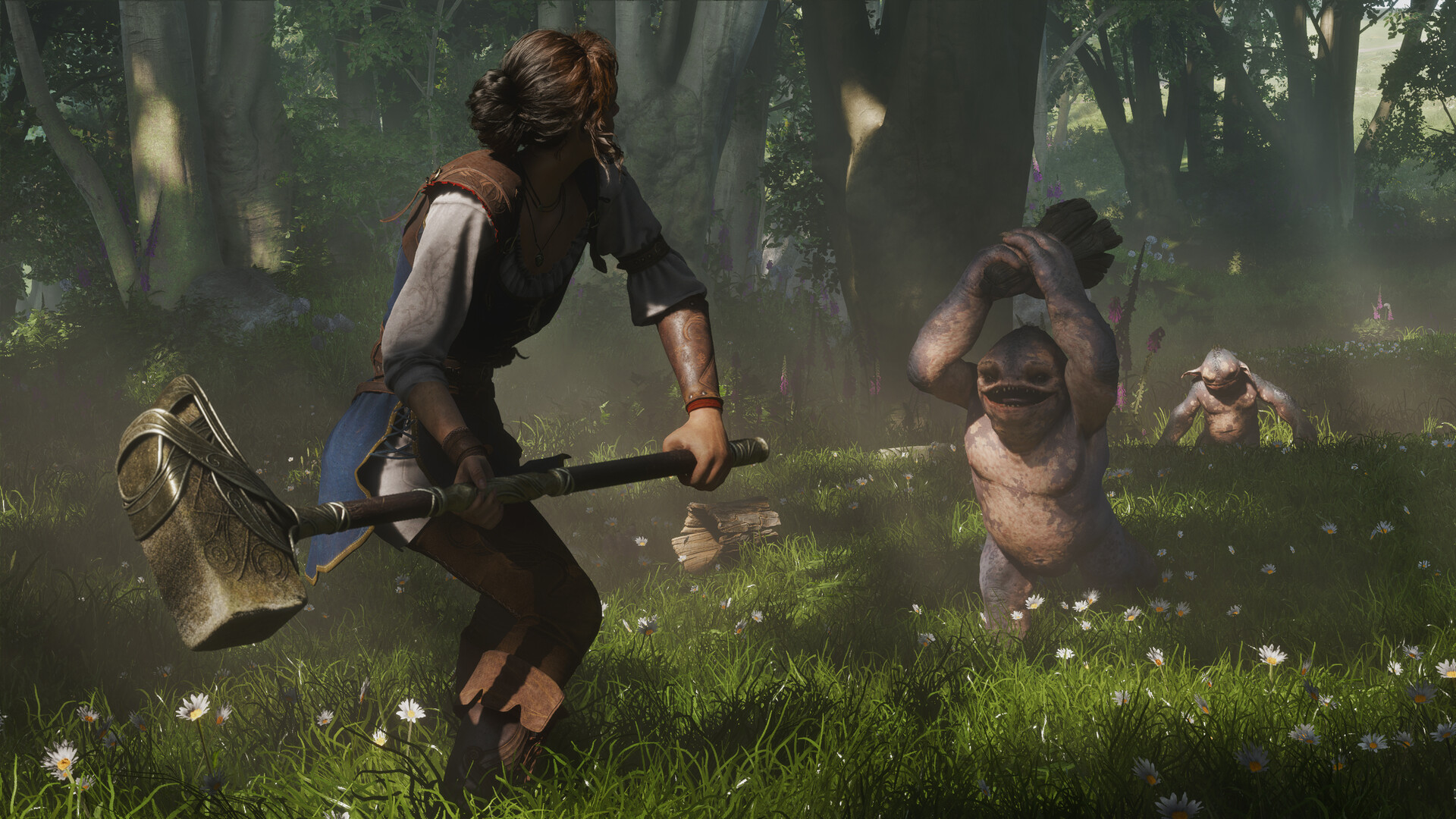
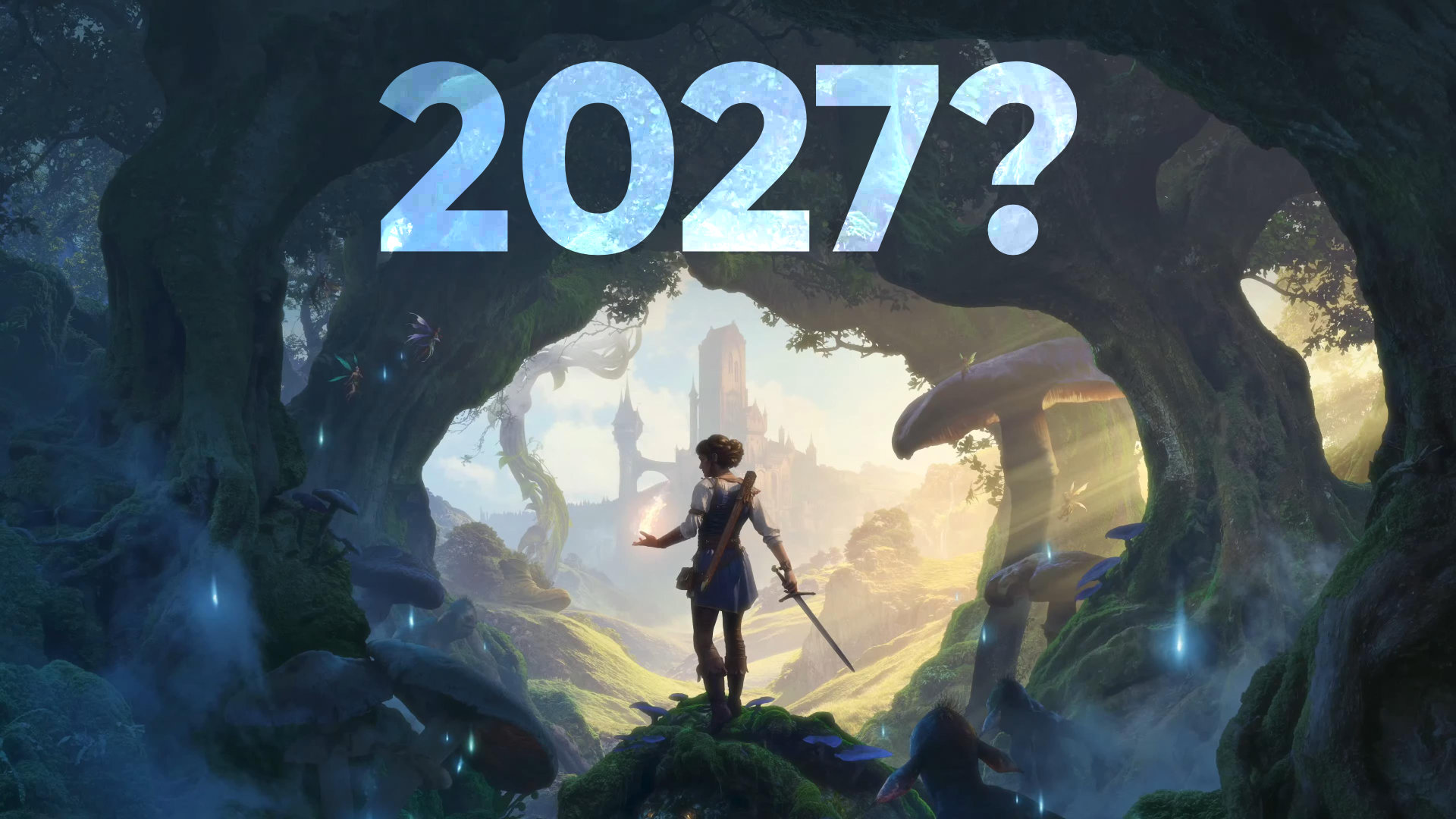
Microsoft's strategic delay of Fable from Autumn 2026 to potentially late 2026 or 2027 reveals critical insights into how major entertainment releases reshape digital commerce calendars and consumer spending patterns. According to industry analyst Jeff Grubb, Playground Games' open-world action RPG faces internal development delays, but Microsoft's primary concern is competitive positioning against Grand Theft Auto 6's November 19, 2026 launch—an event expected to dominate consumer attention and gaming hours across all platforms. This delay demonstrates how single blockbuster releases create cascading effects throughout the entertainment and e-commerce ecosystem, directly impacting sellers across multiple categories.
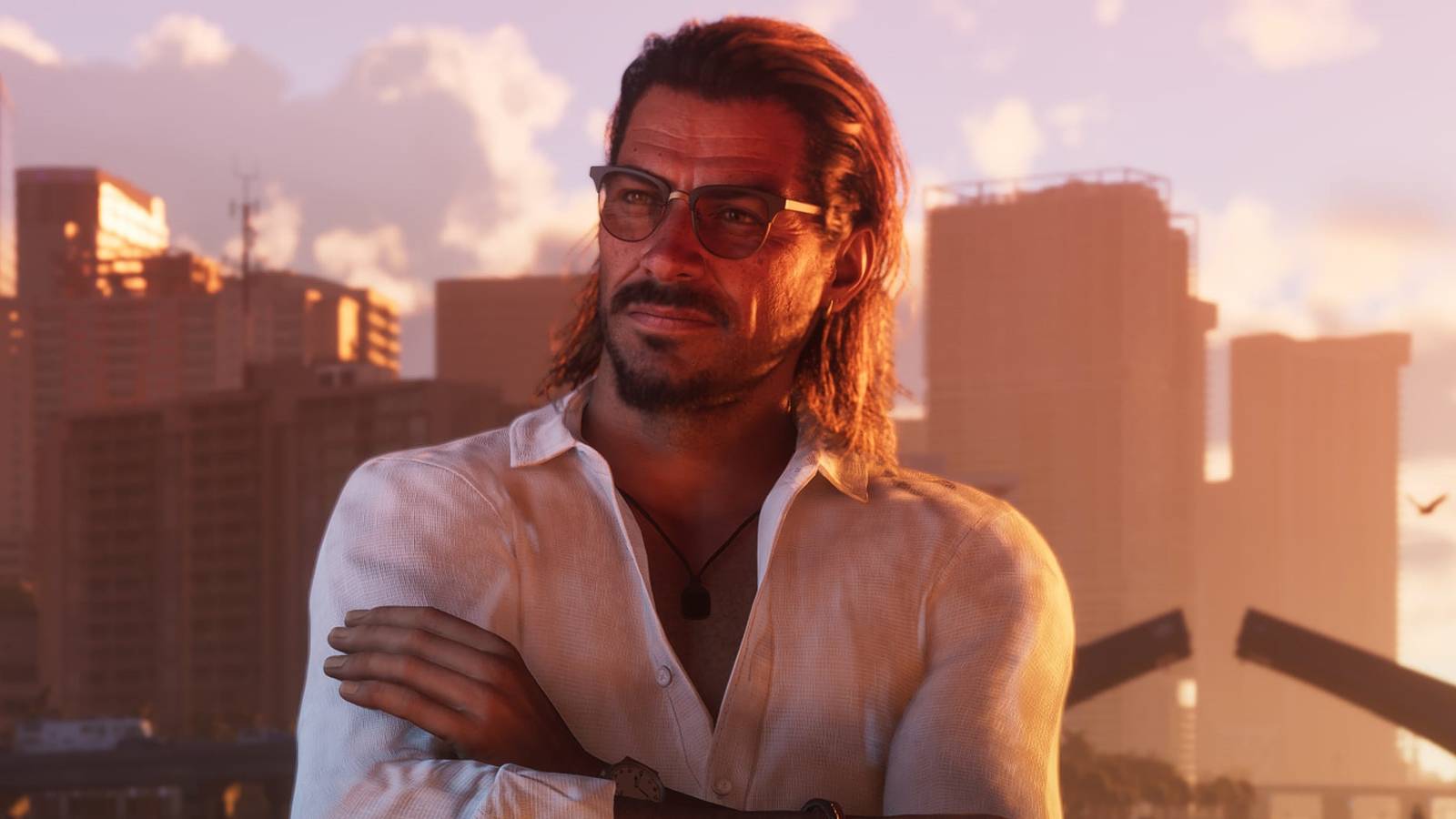
The timing conflict reflects sophisticated competitive strategy in digital distribution. GTA 6 represents one of the most anticipated entertainment releases in history, with Rockstar planning major marketing campaigns beginning summer 2026. Industry data shows that launching within 30-60 days of major AAA releases significantly impacts sales performance and player engagement metrics. Microsoft's decision to potentially push Fable into 2027 rather than December 2026 indicates the company prioritizes long-term franchise success over meeting arbitrary deadlines—a pattern increasingly common among publishers managing overlapping release windows. The 2026 gaming calendar currently shows sparse confirmed releases between Marvel's Wolverine (September) and GTA 6 (November), with only Epic Mickey and SpongeBob Switch ports scheduled for October, creating a strategic vacuum that GTA 6 will dominate.
For e-commerce sellers, this delay creates both challenges and opportunities across interconnected product categories. Gaming merchandise sellers face compressed selling windows as major title launches concentrate consumer spending into narrow timeframes. The Fable delay extends the pre-holiday gaming merchandise season, potentially shifting demand for gaming accessories, collectibles, and related products into Q4 2026 and Q1 2027. Sellers specializing in gaming peripherals (controllers, headsets, gaming chairs) should anticipate demand spikes around GTA 6's November launch, followed by secondary waves when Fable eventually releases. Additionally, the delay affects digital distribution platforms like Steam and PlayStation Network, which typically see increased traffic and transaction volumes during major game launches. Cross-border sellers exporting gaming merchandise to Asia Pacific and European markets should monitor these release windows, as regional launch timing often differs from North American schedules, creating arbitrage opportunities for physical merchandise tied to game releases.
Microsoft's broader 2026 portfolio strategy—including Forza Horizon 6 (May 19), Gears of War: E-Day (June), Diablo 4's Lord of Hatred expansion, and Halo: Campaign Evolved—demonstrates how publishers strategically space releases to maintain platform momentum and consumer engagement throughout the year. This pattern indicates sustained demand for gaming-related merchandise across multiple quarters rather than concentrated spikes. Sellers should view this as an opportunity to develop content calendars aligned with confirmed release dates, creating themed product bundles and marketing campaigns around each title launch. The willingness to delay flagship titles suggests publishers increasingly recognize that audience fragmentation during overlapping launches reduces overall market penetration and long-term franchise value.
Questions 8
What inventory strategy should sellers adopt given Microsoft's staggered 2026 release schedule?
Microsoft's confirmed 2026 releases—Forza Horizon 6 (May 19), Gears of War: E-Day (June), Diablo 4 expansion, and Halo: Campaign Evolved—create multiple demand windows throughout the year rather than a single peak. Sellers should develop quarterly merchandise strategies aligned with each release: gaming peripherals for May (Forza), streaming equipment for June (Gears), collectibles for Diablo expansion, and accessories for Halo launch. This distributed approach reduces inventory risk compared to concentrating stock around single blockbuster launches. Monitor Microsoft's official announcements for confirmed dates, as the company has demonstrated willingness to adjust timelines based on competitive landscape analysis.
How does GTA 6's November 2026 launch affect gaming merchandise sellers on Amazon and eBay?
GTA 6's November 19, 2026 release will create a concentrated demand spike for gaming merchandise, accessories, and collectibles during peak Q4 retail season. Sellers should expect 40-60% increased traffic to gaming categories during November-December 2026, with particular strength in gaming peripherals, apparel, and collectibles. The Fable delay to late 2026 or 2027 extends the secondary gaming merchandise season, allowing sellers to capture demand across multiple quarters rather than competing for attention during a single launch window. Prepare inventory by September 2026 and consider bundling GTA 6-related products with complementary gaming accessories to maximize conversion rates during the launch period.