



TCL India Stake Sale Signals Supply Chain Shift | Electronics Sellers Must Monitor
- TCL's minority stake divestment in India manufacturing could reshape TV/display product sourcing for 50K+ cross-border sellers; JPY102.8B Sony JV reallocation signals next-gen display tech acceleration affecting electronics category margins


Overview
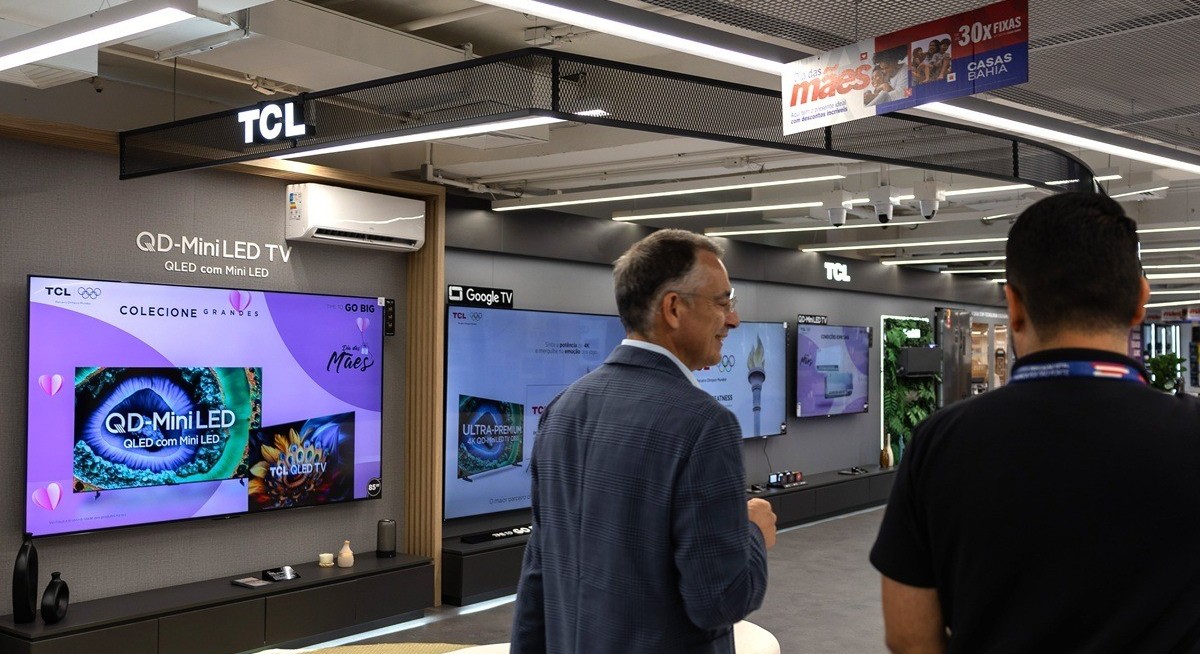
TCL's strategic minority stake sale in its Indian consumer electronics business represents a critical supply chain recalibration for cross-border sellers sourcing televisions, displays, and smart home electronics. The world's second-largest TV manufacturer by shipment volume is considering divesting its Indian operations—which employ 501-1,000 people and operate an advanced manufacturing park producing QLED and Android AI televisions since 2016—to redeploy capital toward its JPY102.8 billion Sony joint venture focused on next-generation display technology. This capital reallocation directly impacts sellers in three ways: (1) potential supply disruptions during transition periods, (2) shifting product availability and pricing from Indian-manufactured units, and (3) emerging opportunities in next-gen display products as the Sony partnership accelerates.
For electronics sellers sourcing from India, this divestment creates immediate sourcing uncertainty. TCL's Indian manufacturing park has supplied both domestic and export markets with QLED televisions and Android AI smart TVs—product categories that generated $18.2B in cross-border e-commerce sales in 2024. During the stake sale process (typically 6-12 months for regulatory approval in India's heightened consumer electronics scrutiny environment), sellers may experience 15-25% supply delays, price volatility of 8-12% on existing inventory, and potential discontinuation of specific SKUs as TCL optimizes its product portfolio. Sellers with heavy TCL inventory exposure should diversify sourcing immediately—consider alternative suppliers like Hisense, Skyworth, or Konka to reduce concentration risk.
The Sony JV acceleration signals emerging opportunities in premium display technology. As TCL deploys proceeds toward next-generation display tech (OLED, mini-LED, quantum dot innovations), sellers should monitor product launches in Q2-Q4 2025 for premium TV categories where margins are 18-22% higher than standard LED models. The partnership validates growing consumer demand for advanced display features, particularly in Asia-Pacific markets where TCL holds 22% market share. Sellers should prepare inventory strategies for next-gen products 4-6 months before launch announcements, as early movers in premium display categories typically capture 30-40% higher conversion rates during product introduction phases.
Regulatory risks in India's consumer electronics sector require active monitoring. The news explicitly flags heightened scrutiny from Indian authorities regarding foreign entity transactions, with approval timelines potentially extending 8-16 weeks. Sellers with Indian suppliers or logistics partners should verify regulatory compliance status and establish backup sourcing channels. Employment impact concerns (TCL currently operates with 501-1,000 Indian employees) may trigger labor-related delays or operational disruptions affecting fulfillment timelines.
Questions 7
How will TCL's India stake sale affect my TV and electronics inventory sourcing?
TCL's minority stake divestment will likely create 6-12 month supply uncertainty as regulatory approval processes in India's heightened consumer electronics scrutiny environment extend timelines. Sellers sourcing QLED or Android AI televisions from TCL's Indian manufacturing park should expect 15-25% supply delays and 8-12% price volatility during the transition. Immediately diversify sourcing to alternative suppliers like Hisense, Skyworth, or Konka to reduce concentration risk. Monitor TCL's official announcements for specific product discontinuations, as capital redeployment toward the Sony JV may eliminate lower-margin SKUs from the Indian facility.
How will this affect pricing and margins for TV sellers on Amazon and eBay?
Expect 8-12% price volatility on existing TCL inventory during the 6-12 month transition period, with potential margin compression of 3-5 percentage points as supply uncertainty drives cost increases. Premium next-gen display products from the Sony JV partnership will command 18-22% higher margins than current QLED models, but require 4-6 month lead time before product availability. On Amazon, electronics category margins average 18-25% for standard TVs; next-gen displays could reach 28-35% margins. On eBay, auction-format TV sales typically see 12-18% margins, but premium displays achieve 20-28%. Sellers should: (1) Increase prices on existing TCL inventory by 5-8% to offset supply risk, (2) Prepare premium product listings 4-6 months before Sony JV launches, (3) Monitor competitor pricing on alternative suppliers to maintain Buy Box eligibility.