


Premium Foldable Smartphone Market Surge | Seller Inventory & Positioning Strategy for 2026
- Global foldable device launches (OPPO Find N6, Samsung Galaxy Z Fold 8, Apple iPhone Ultra) create $15B+ premium electronics category opportunity for cross-border sellers targeting high-income consumers


Overview
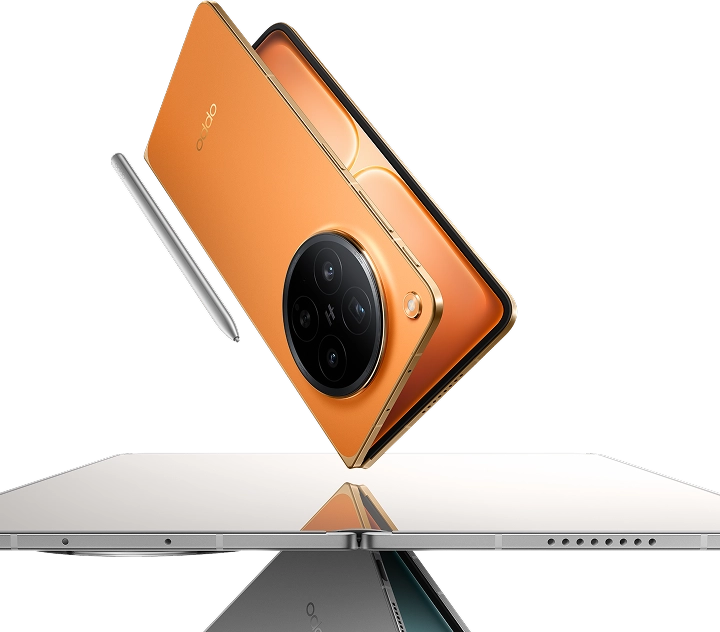
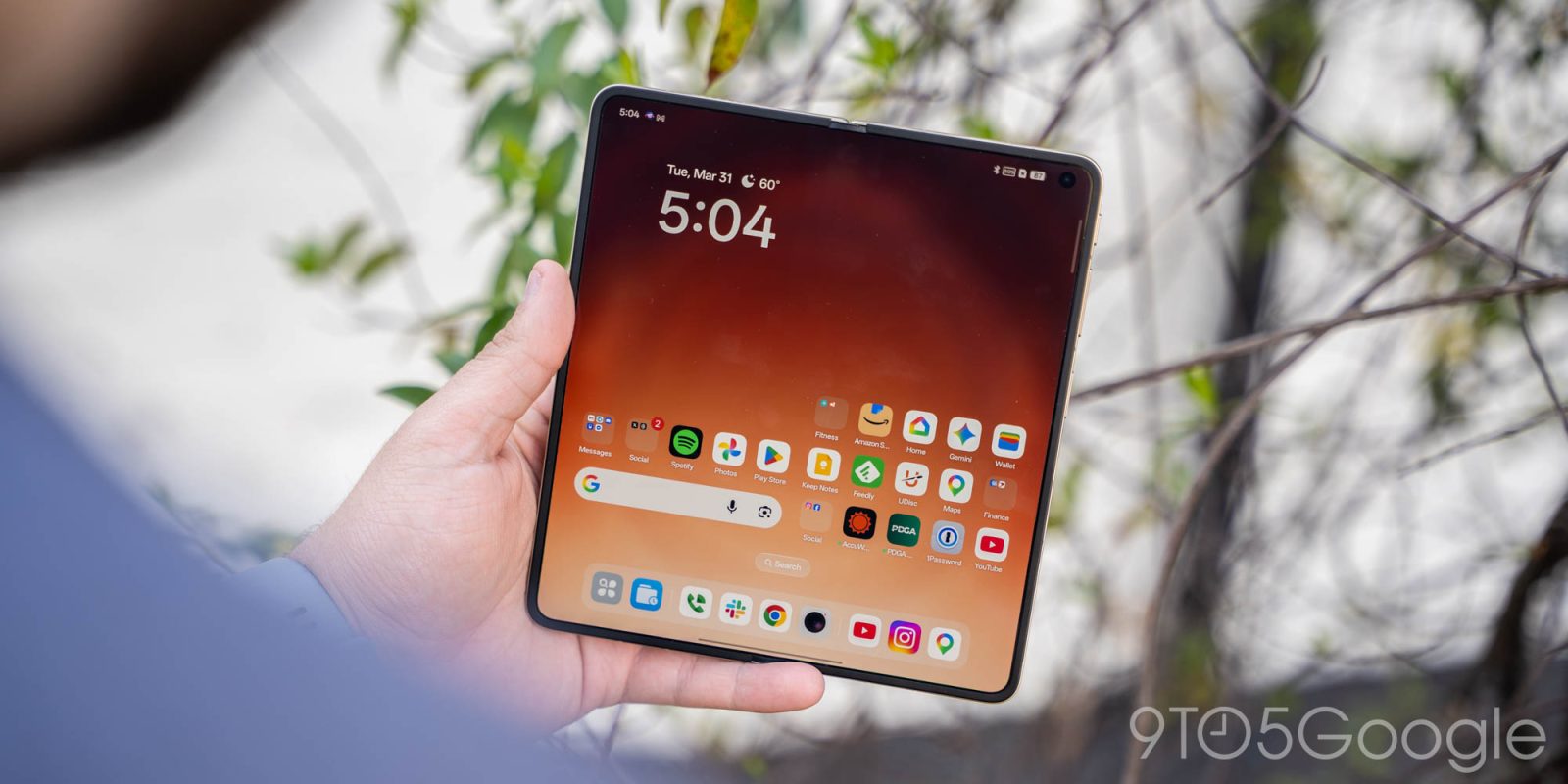
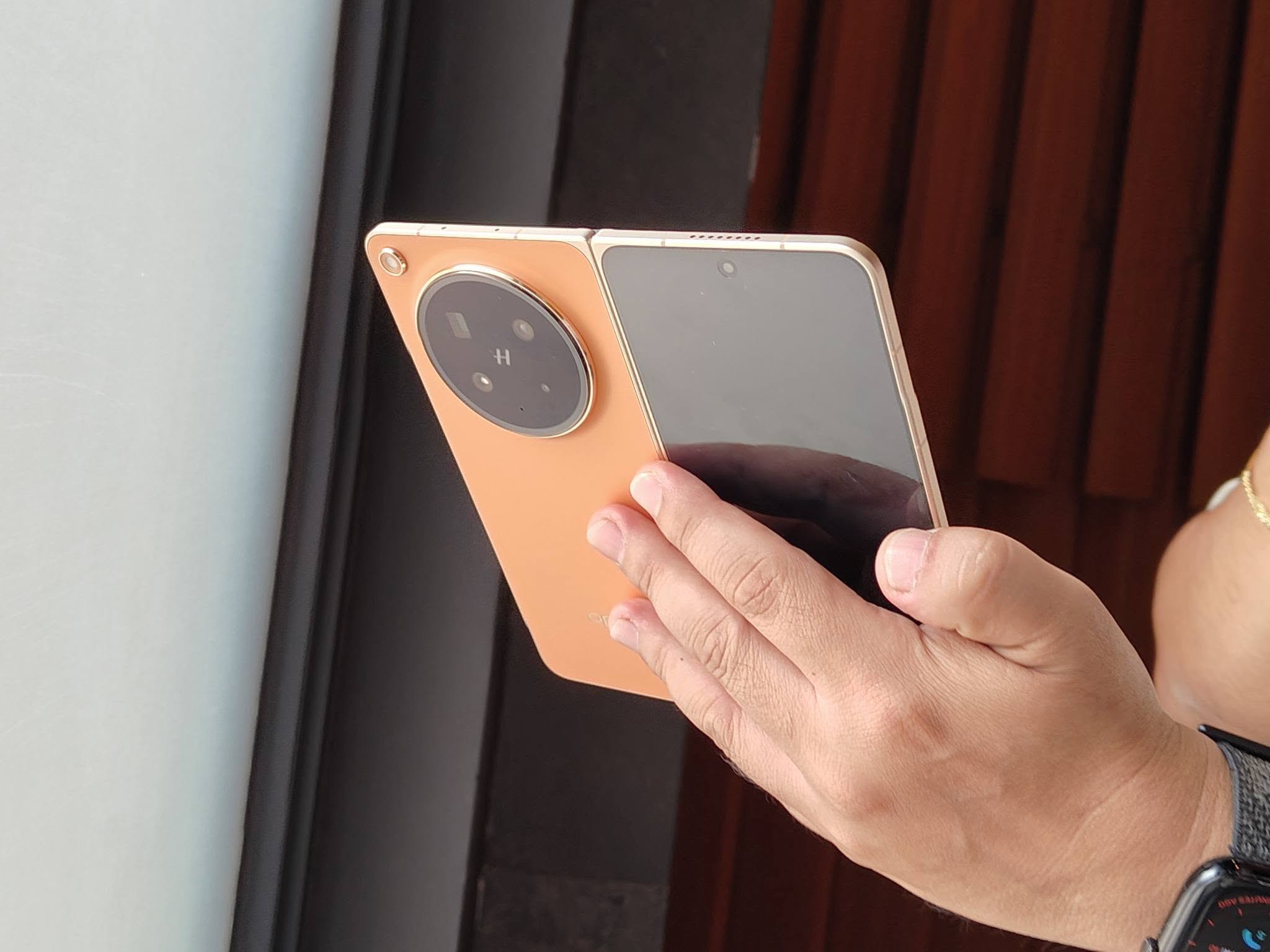
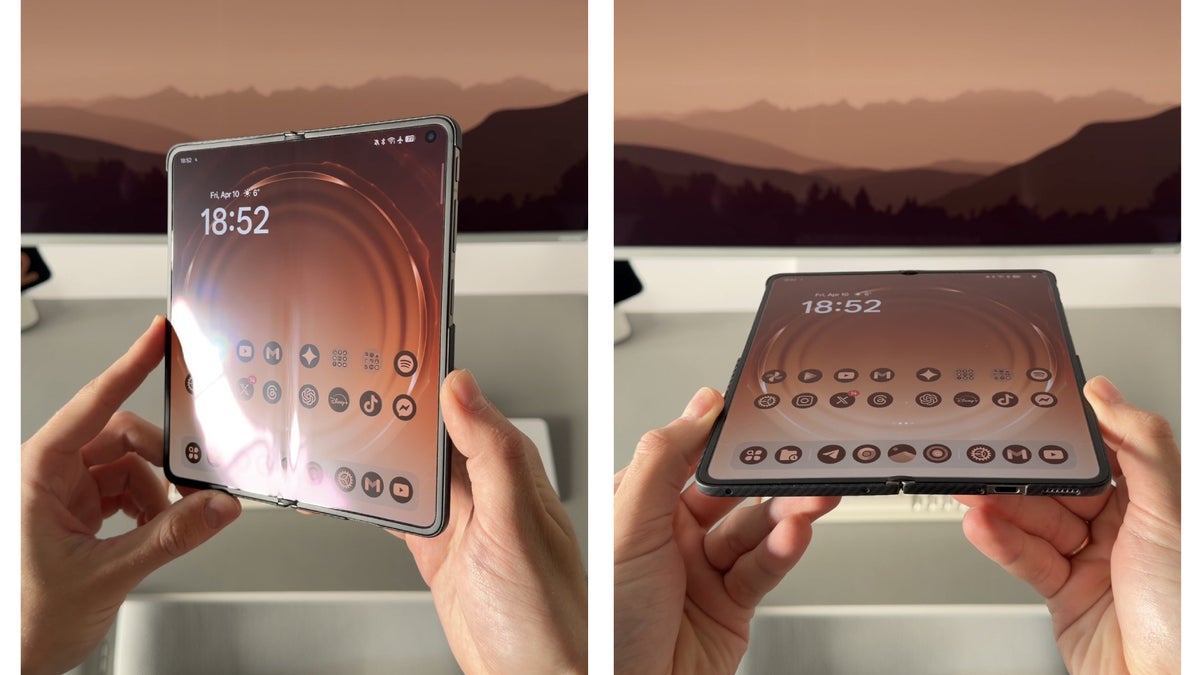
The foldable smartphone market is entering a critical inflection point in 2026, with four major flagship launches reshaping premium device retail dynamics. OPPO's Find N6 (launched March 2026) demonstrates that crease reduction—not elimination—represents the realistic technical frontier, with Ben Geskin's month-long testing confirming the device maintains a visible crease despite "Zero-Feel Crease" marketing claims. This gap between marketing terminology and actual user experience signals a broader industry challenge: consumers increasingly scrutinize technical specifications, requiring sellers to balance aspirational product positioning with transparent real-world performance data.
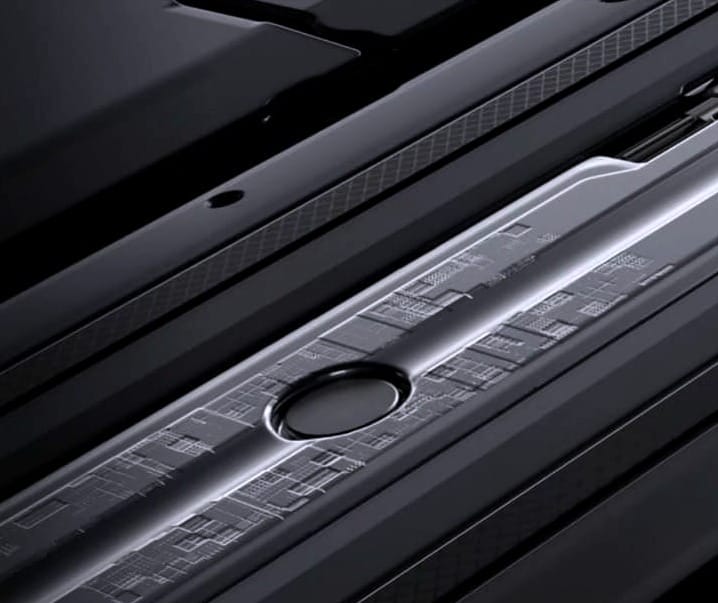
For cross-border e-commerce sellers, this market evolution creates three distinct inventory opportunities. First, the premium foldable category targets high-income consumers (typically $100K+ annual income) willing to invest $1,500-2,500 per device, representing a 15-20% margin opportunity compared to standard smartphones. Second, the competitive intensity—with OPPO, Samsung (Galaxy Z Fold 8 expected July 2026), Google (Pixel 9 Pro Fold), and Apple (iPhone Ultra expected 2026) all competing on hardware refinement—creates demand for complementary accessories including protective cases, screen protectors, and specialized hinge care products. Third, the manufacturing innovation highlighted in OPPO's partnership with Bright Laser Technologies (BLT) demonstrates that 3D-printed hinge systems reduce component count from 13 individual pieces to single integrated structures, improving durability and reducing long-term warranty claims—a critical metric for sellers managing return rates.
The marketing credibility crisis presents both risk and opportunity. OPPO's TÜV Rheinland certification (600,000 fold cycles) provides third-party validation that differentiates from unsubstantiated claims, yet real-world testing reveals the distinction between "zero-feel" (tactile imperceptibility) and "creaseless" (visual elimination) remains industry-wide ambiguous. Sellers must educate consumers on this terminology gap to reduce post-purchase dissatisfaction and returns. The Pixel 9 Pro Fold vs. Find N6 comparison reveals that hardware superiority alone doesn't guarantee market dominance—software ecosystem, update commitment (Google's 7-year OS support), and camera quality substantially influence consumer retention. This indicates sellers should emphasize ecosystem lock-in and long-term value propositions rather than isolated hardware specifications.
Regional market dynamics vary significantly. The Find N6's 225g weight (32 grams lighter than Pixel 9 Pro Fold's 257g) appeals to early adopters prioritizing portability, while the Pixel's established Android ecosystem attracts users seeking software stability. Asian markets (particularly China and Southeast Asia) show stronger adoption of OPPO devices, while North American and European markets favor Google and Apple ecosystems. Sellers operating across multiple regions must maintain differentiated inventory strategies: emphasizing hardware innovation in Asia-Pacific, software reliability in North America, and ecosystem integration in Europe.
Questions 8
What is the difference between 'zero-feel crease' and 'creaseless' in foldable phones?
'Zero-feel crease' means the crease cannot be felt when running a finger across the display, while 'creaseless' implies complete visual elimination of the crease. OPPO's Find N6 marketing uses 'Zero-Feel Crease' terminology, yet Ben Geskin's month-long testing confirms the crease remains visually prominent under direct lighting despite being tactilely imperceptible. This distinction is critical for sellers: consumers expecting complete crease elimination will experience post-purchase dissatisfaction. Sellers should clarify this terminology gap in product listings to reduce returns and negative reviews.
Which foldable smartphones are launching in 2026 and what are their target markets?
Four major launches are reshaping the 2026 foldable market: OPPO Find N6 (March 2026, Asia-Pacific focus), Samsung Galaxy Z Fold 8 (July 2026, global market), Google Pixel 9 Pro Fold (established North American/European presence), and Apple iPhone Ultra (2026, expected to attract Android users). Each targets distinct consumer segments: OPPO appeals to early adopters prioritizing hardware innovation, Samsung emphasizes ecosystem integration, Google focuses on software reliability with 7-year OS updates, and Apple targets premium users seeking ecosystem lock-in. Sellers should maintain region-specific inventory strategies reflecting these market preferences.