
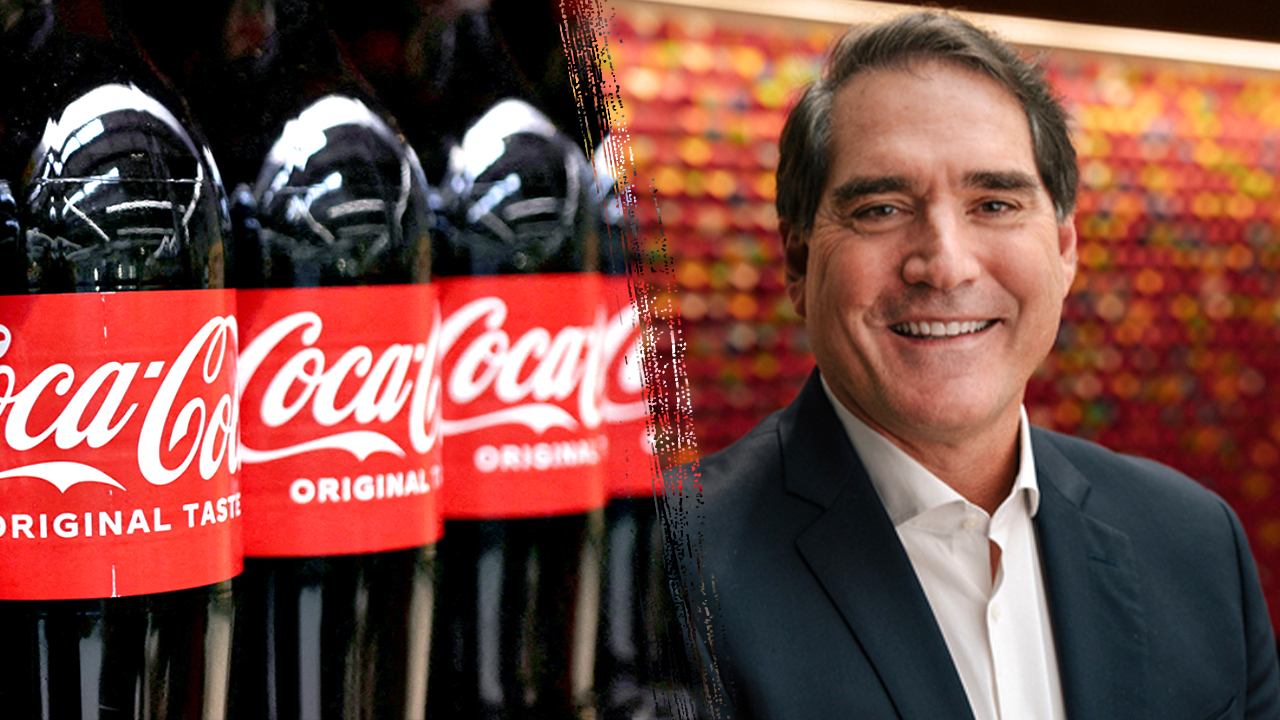




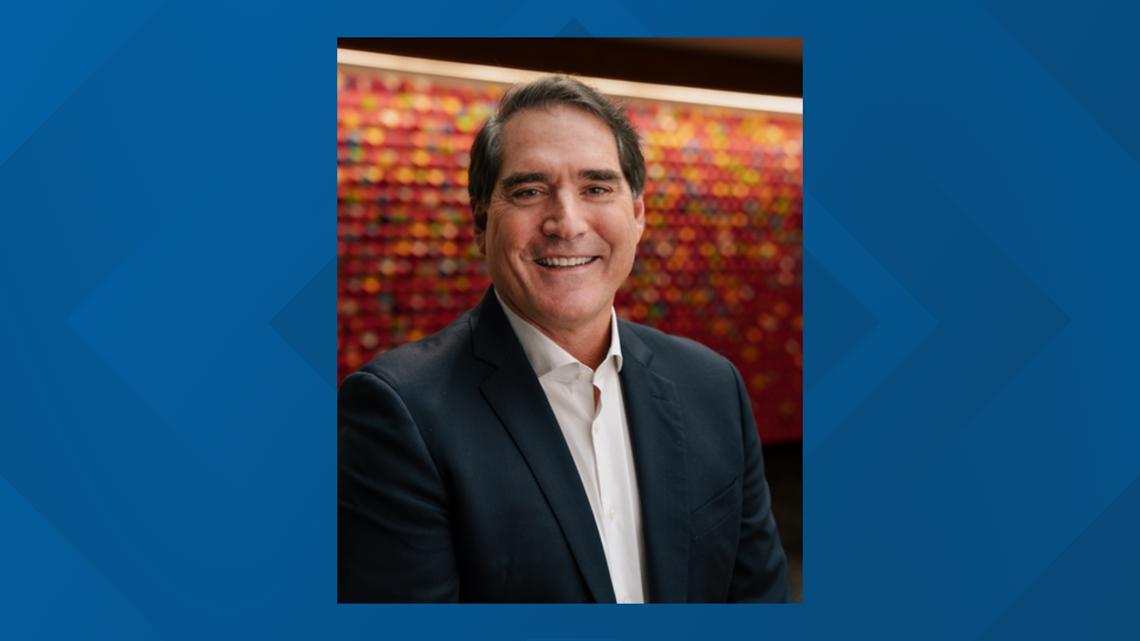
Coca-Cola's Strategic Leadership Transition Signals Global Reinvention
- Henrique Braun's Appointment Marks a Calculated Move in Beverage Industry Transformation










/afaqs/media/media_files/2025/12/11/coca-cola-2025-12-11-12-22-31.jpg)











Overview
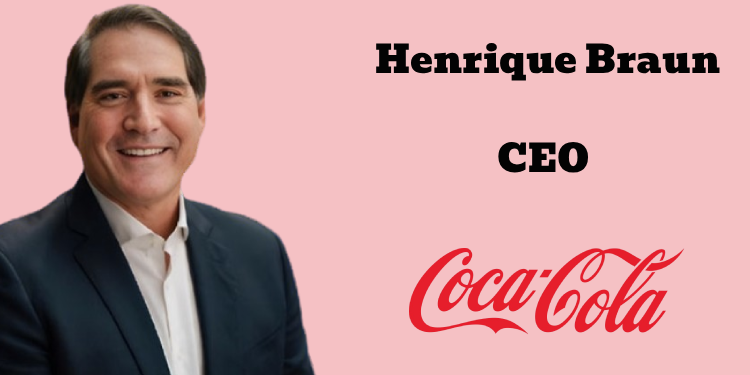
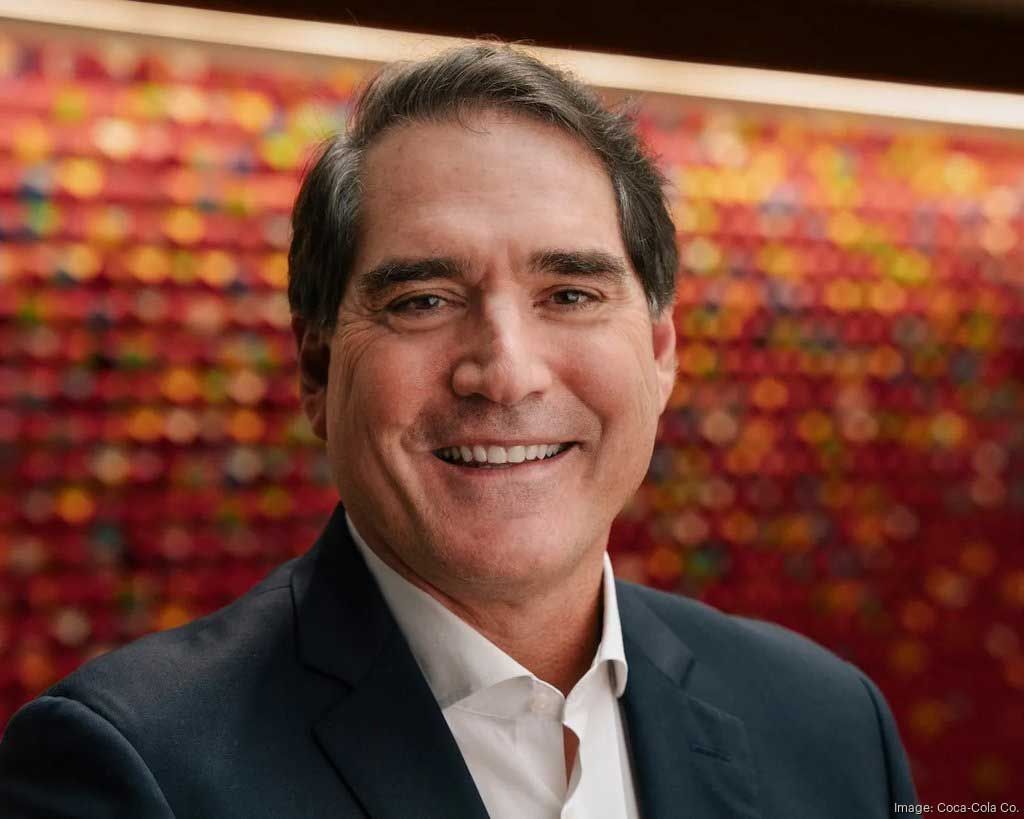
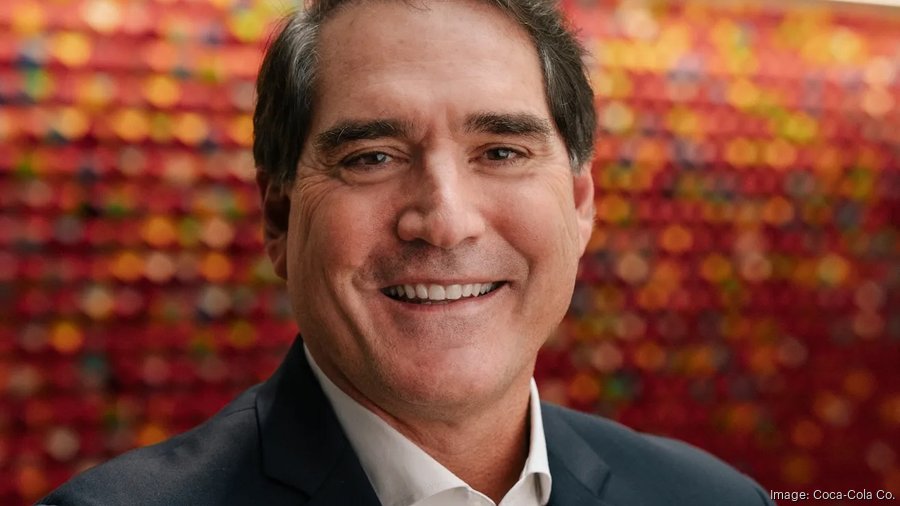
The leadership transition at Coca-Cola represents more than a routine executive change—it's a calculated strategic repositioning that speaks volumes about the company's global ambitions. By appointing Henrique Braun as CEO, Coca-Cola is signaling a deliberate shift toward operational innovation and international market expansion.
Strategic Market Positioning: Braun's background is particularly telling. With extensive experience in Latin American markets and a robust operational profile, he brings a unique perspective to global beverage strategy. His engineering and agricultural degrees, combined with an MBA, suggest a data-driven approach to market expansion. This isn't just a leadership swap; it's a carefully orchestrated move to leverage deep operational expertise in an increasingly complex global marketplace.
Operational Innovation Trajectory: The transition from James Quincey to Braun highlights Coca-Cola's commitment to continuous reinvention. Quincey's nine-year tenure was marked by significant portfolio restructuring and navigating complex challenges like the COVID-19 pandemic. Braun's appointment suggests the company is now pivoting toward aggressive international growth and operational optimization. His proven track record of developing revenue strategies and expanding market presence indicates Coca-Cola is positioning itself for a more dynamic, data-driven future.
Global Expansion Strategy: By selecting a leader with deep international market understanding, Coca-Cola is telegraphing its intent to double down on global market penetration. Braun's nomination to the board and his extensive experience in developing revenue strategies suggest the company sees significant untapped potential in emerging markets. This move goes beyond traditional leadership succession—it's a strategic recalibration of Coca-Cola's global footprint.
The leadership transition ultimately reveals a profound organizational philosophy: continuous adaptation, strategic foresight, and a commitment to leveraging operational expertise as a competitive advantage in the global beverage landscape.
Questions 3
What does this leadership transition signal about Coca-Cola's future direction?
The transition indicates Coca-Cola is focusing on operational innovation, international market expansion, and strategic repositioning. By choosing Braun, the company is emphasizing data-driven decision-making and a more aggressive approach to global market penetration.
How does Braun's background differ from his predecessor James Quincey?
While Quincey focused on portfolio restructuring and navigating challenges like the COVID-19 pandemic, Braun brings a more operationally focused, internationally oriented perspective. His background in engineering and extensive experience in Latin American markets suggests a more tactical approach to global growth.