






Strait of Hormuz Blockade Triggers 4% Global GDP Contraction | Critical Supply Chain Crisis for E-Commerce Sellers
- 12% global oil supply halted, 42% Taiwan semiconductor production at risk, shipping costs surge 15-25% as energy reserves deplete






_Cropped_(1).jpg)












Overview
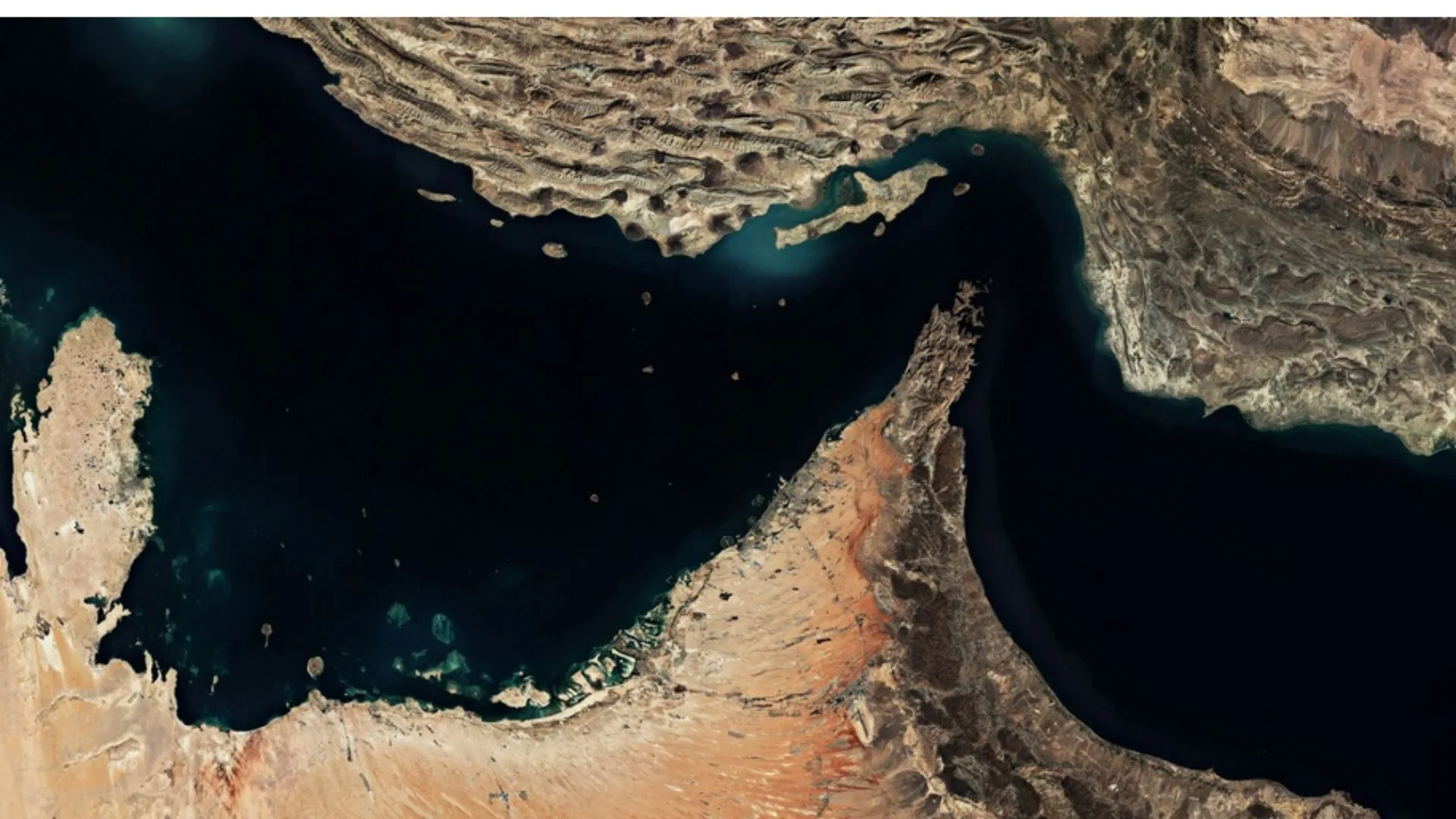
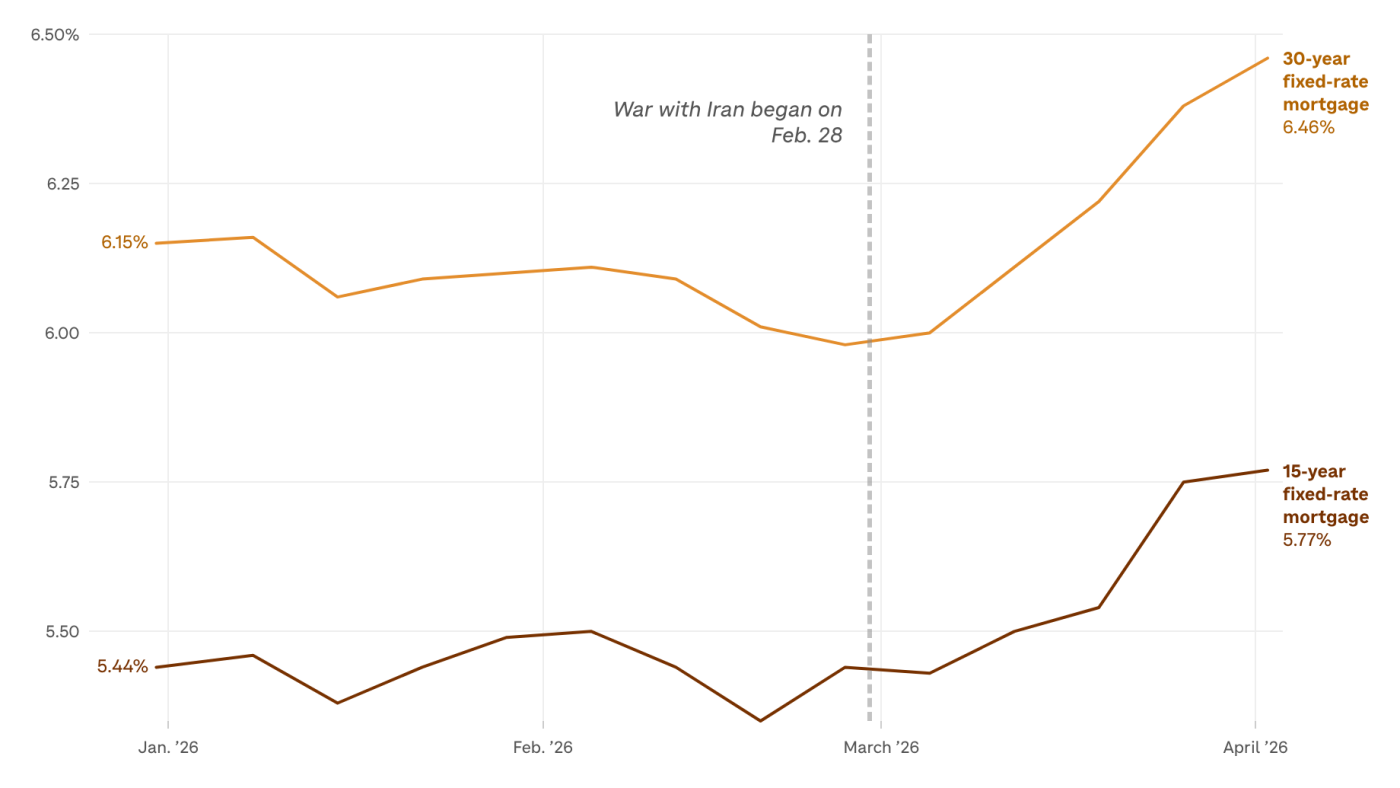
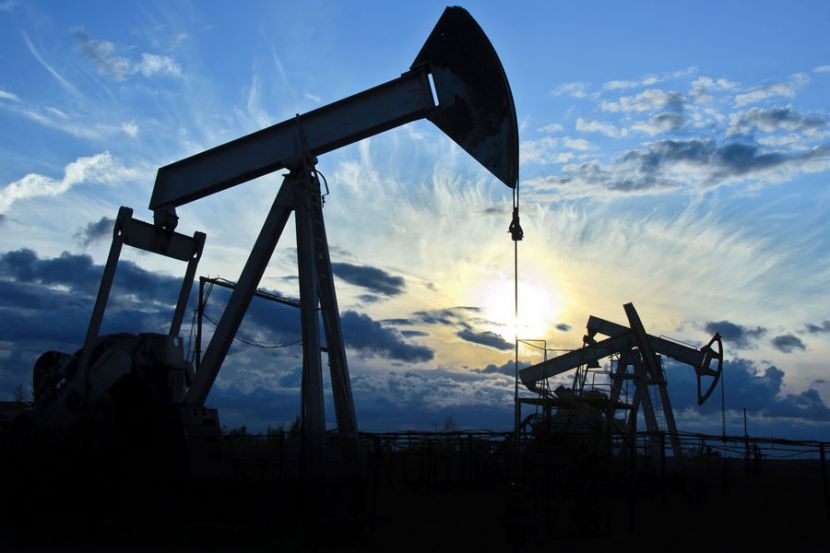
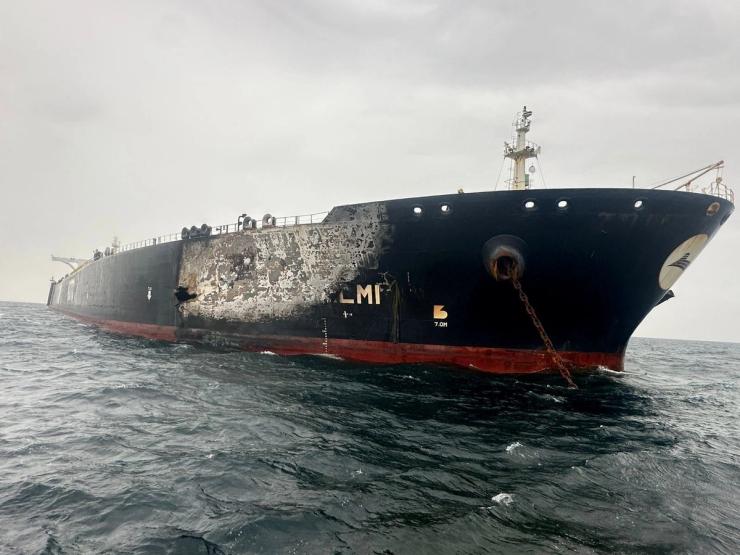
The Strait of Hormuz closure represents the most severe supply chain crisis for cross-border e-commerce sellers since the 2008 Great Recession, with quantifiable impacts across every operational dimension. The blockade has halted approximately 12% of world oil supply and all liquefied natural gas exports from Qatar, representing a combined 4.5% loss of global energy resources. Energy correlation data indicates this deficit could reduce worldwide economic activity by approximately 4%, matching the 4.3% GDP decline of 2008—but with fundamentally different mechanics. Unlike the 2008 financial crisis, this represents a physical supply constraint rather than financial disruption, creating more severe cascading effects across manufacturing, logistics, and consumer goods pricing.
The semiconductor supply chain collapse poses the most acute threat to tech-dependent sellers. Taiwan generates 42% of its electricity from Persian Gulf LNG imports and supplies much of the world's semiconductors—meaning the energy shortage directly constrains production capacity for electronics, smart home devices, and computing components. Simultaneously, approximately one-third of global helium production (essential for semiconductor manufacturing) is now unavailable. For sellers in electronics, IoT devices, and computing categories, this creates a dual supply shock: reduced manufacturing capacity plus elevated component costs. Oil provides 31.5% of world energy and serves as feedstock for plastics, fertilizers, and lubricants fundamental to e-commerce operations. Plastic product costs are surging due to petrochemical feedstock shortages, fertilizer price increases are elevating agricultural product costs, and semiconductor scarcity is driving up technology component prices.
Geopolitical realignment is creating new sourcing opportunities and competitive advantages. News 2 reveals that traditional US allies—Japan, South Korea, Thailand, and the Philippines—are now negotiating directly with Iran, Russia, and China for energy supplies. Iran's oil exports increased from 1 million barrels daily at $40-45/barrel to 1.7 million barrels at over $100/barrel, while Russia received an estimated $3.3-5 billion in additional oil revenue in March alone. This geopolitical shift is accelerating energy diversification strategies across Asia-Pacific, with China gaining leverage by offering energy security assistance to Taiwan, Australia, and Southeast Asian nations. For sellers, this signals potential sourcing cost reductions in Vietnam, India, and Southeast Asia as these regions secure cheaper energy supplies through new partnerships—creating a 6-12 month window before competitors recognize and exploit these arbitrage opportunities.
The operational impact on e-commerce sellers manifests through multiple cost channels simultaneously. Rising fuel costs increase shipping expenses and air freight rates (15-25% increases reported); plastic product costs surge; fertilizer prices elevate agricultural product costs; and semiconductor scarcity drives technology component prices. Countries dependent on energy imports face disproportionate impacts, particularly affecting sellers in developing markets with limited alternative sourcing options. Sellers relying on just-in-time inventory models face particular vulnerability as stored energy reserves deplete without replenishment. Long-term LNG contracts dominate supply, limiting spot market availability for companies seeking alternative sources, which constrains flexibility for sellers dependent on energy-intensive operations or energy-derived products. The situation deteriorates daily, suggesting market impacts may exceed current projections as contemporary economic theory systematically underestimates physical resource constraints.
Questions 8
How does the Strait of Hormuz blockade directly impact e-commerce seller shipping costs?
The blockade has halted 12% of global oil supply, causing shipping costs to increase 15-25% across all logistics corridors. For sellers using FBA, this translates to $150-400 monthly increases for standard shipments of 500+ units. Air freight costs have surged exponentially—time-sensitive goods now cost 40-60% more to ship internationally. The impact is most severe for sellers in developing markets with limited alternative energy sources, who face 25-35% cost increases. Sellers should immediately audit their logistics spend and consider shifting 20-30% of inventory to regional 3PL providers to mitigate fuel surcharges.
What compliance and operational adjustments should sellers implement immediately?
Sellers should conduct immediate supply chain audits identifying energy-dependent components and suppliers. Update inventory forecasts to reflect 45-60 day safety stock requirements instead of just-in-time models. Review logistics contracts and negotiate fixed-rate agreements with 3PL providers before surcharges escalate further. Implement daily monitoring of oil prices, shipping rates, and Strait passage data through industry dashboards. Update product listings to reflect extended lead times (add 7-14 days to delivery estimates). Establish supplier diversification across at least 2-3 geographic regions to reduce single-source risk. For Amazon FBA sellers, monitor Seller Central for shipping surcharge announcements and adjust pricing preemptively. Create contingency plans for potential 6-12 month supply disruptions in critical categories.