


Miami Luxury Real Estate Boom Signals Surge in High-End Home Goods and Hospitality Product Demand for Sellers
- $2B+ Brickell redevelopment project creates merchandise opportunities in luxury home décor, hotel supplies, and premium furnishings categories through 2030 completion
























Overview
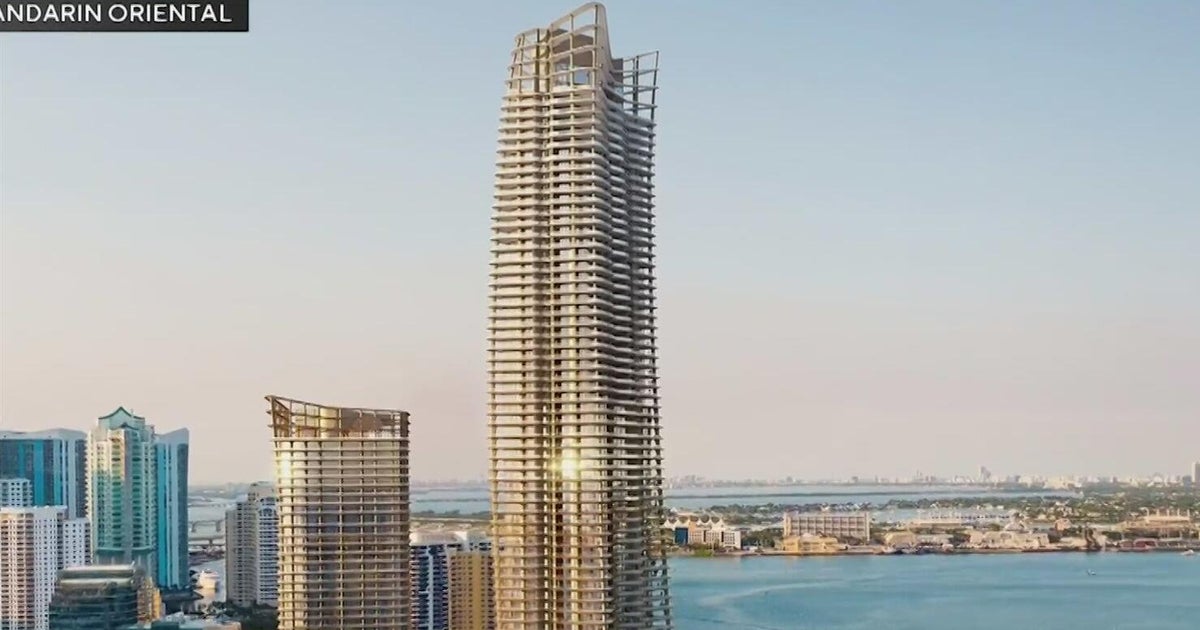
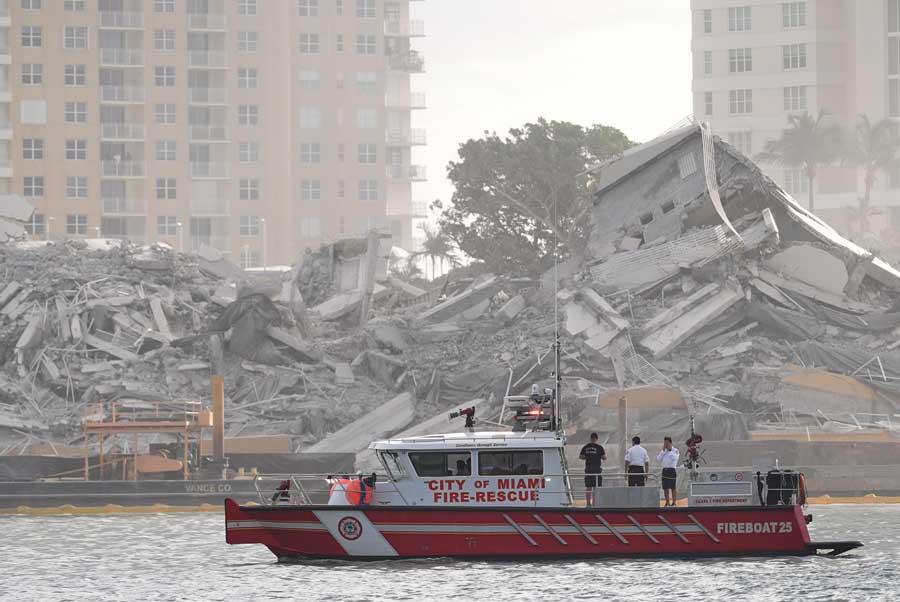
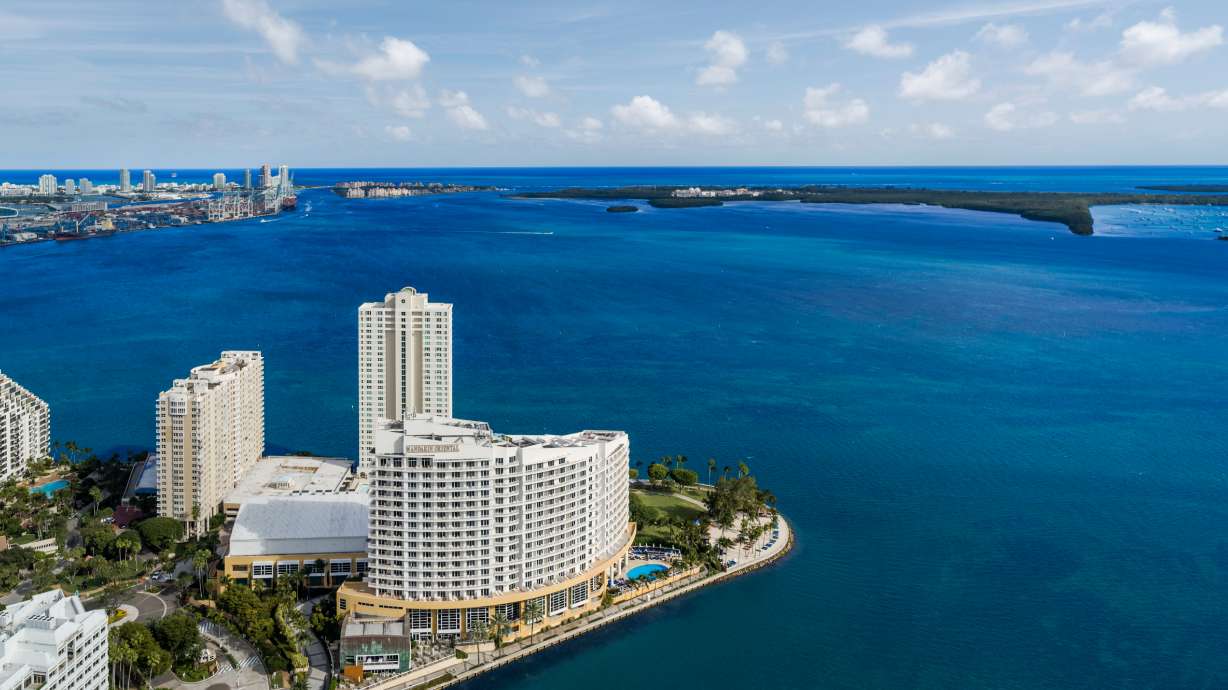
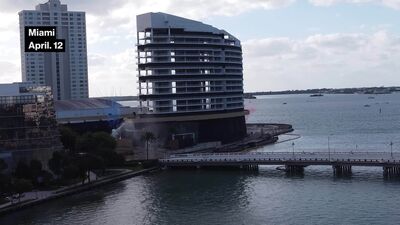
The controlled demolition of the 23-story Mandarin Oriental Miami on April 12, 2024, represents a critical inflection point for e-commerce sellers targeting the luxury residential and hospitality sectors. Swire Properties' $2B+ investment in The Residences at Mandarin Oriental—a two-tower ultraluxury development scheduled for 2030 completion—signals sustained confidence in Miami's high-net-worth consumer base and creates cascading product opportunities across multiple seller categories.
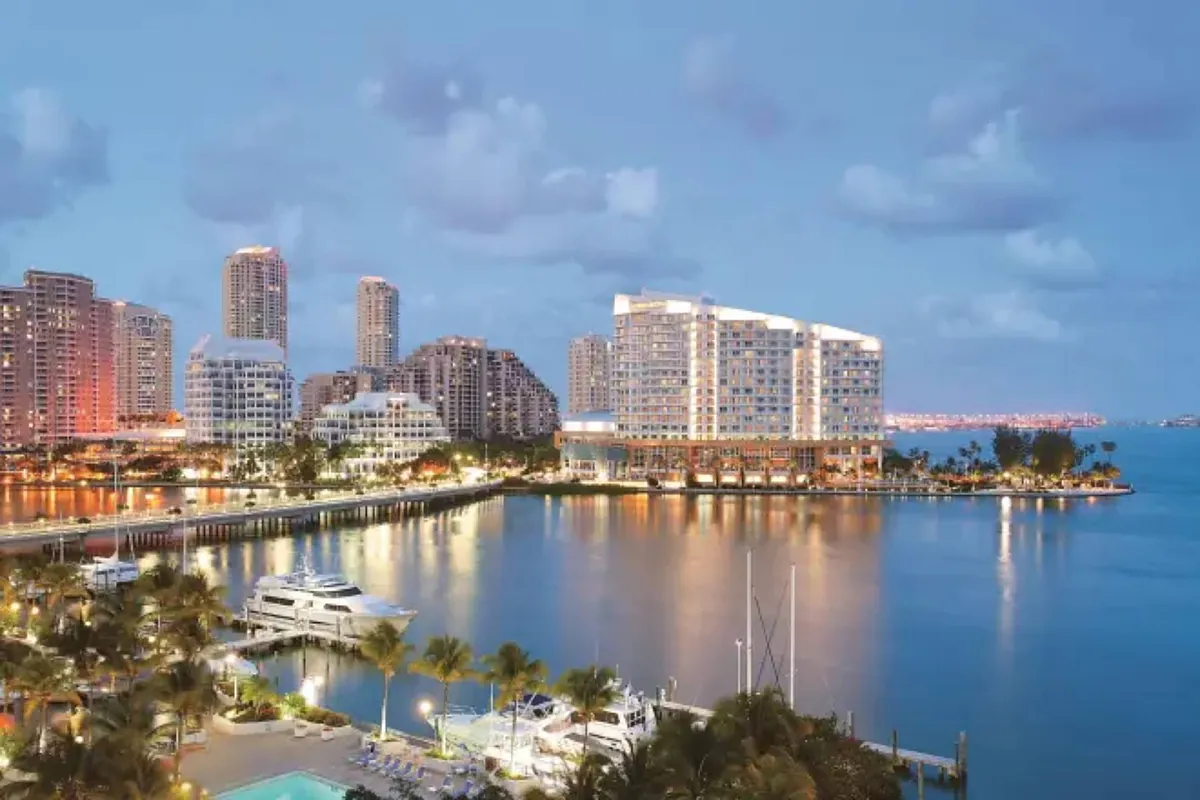
Market Opportunity Analysis: The Brickell financial district redevelopment reflects broader urban transformation trends where older luxury properties are replaced with mixed-use developments. This 6-year construction and furnishing cycle creates sustained demand for premium home furnishings, luxury décor, high-end kitchen and bathroom fixtures, smart home technology, and hospitality-grade supplies. Sellers specializing in luxury home goods can expect elevated demand from interior designers, property developers, and affluent Miami residents upgrading their living spaces. The project's completion timeline (2030) aligns with typical residential furnishing cycles, suggesting 2025-2028 peak procurement periods for developers and contractors.
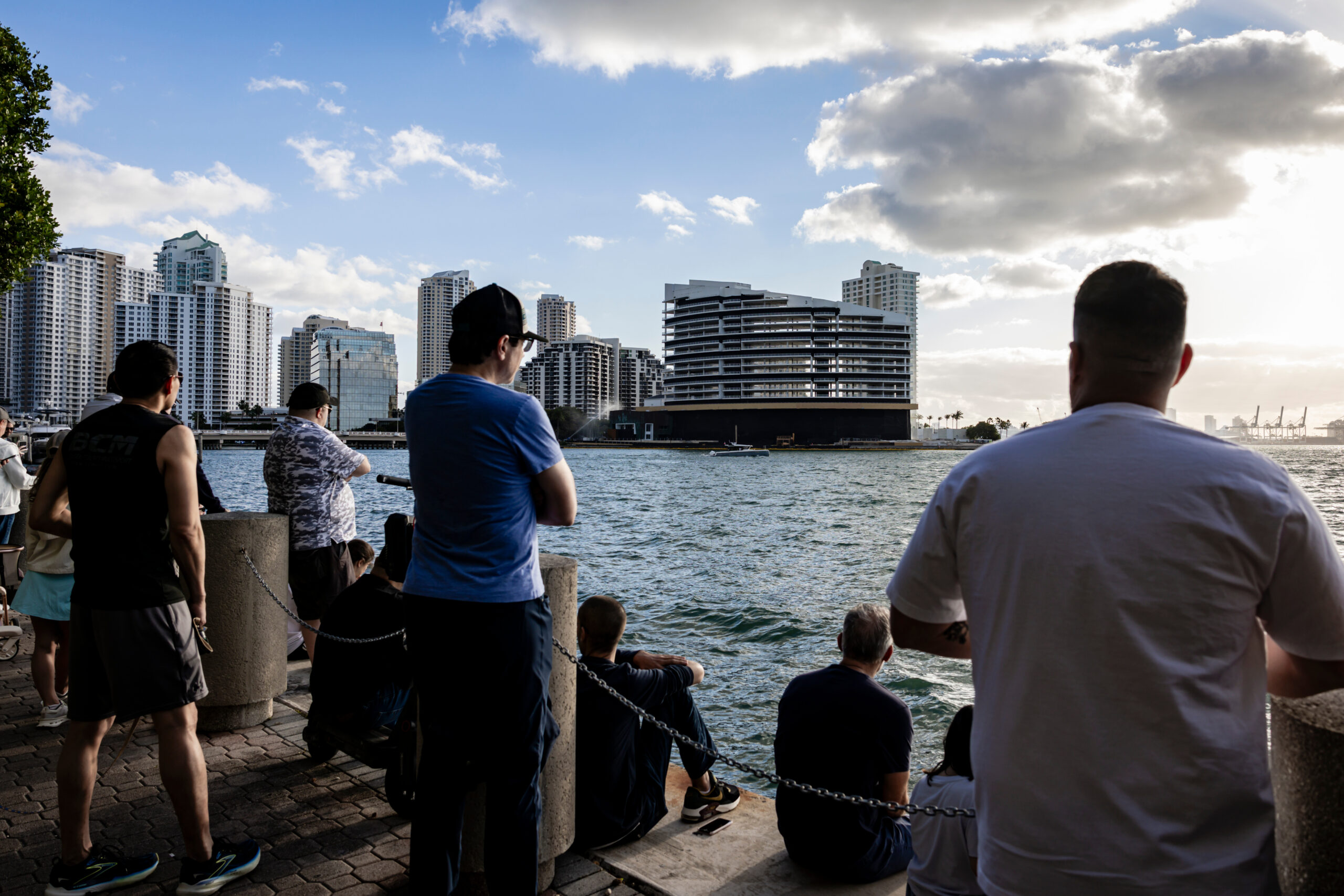
Consumer Behavior Insights: The Mandarin Oriental demolition demonstrates Miami's positioning as a luxury real estate hotspot attracting international investors and high-income residents. This demographic—typically aged 35-65 with household incomes exceeding $250K—exhibits strong purchasing patterns for premium home automation, designer furniture, luxury bedding, and high-end kitchen appliances. Cross-border sellers can capitalize on this affluent audience through targeted Amazon, eBay, and Shopify campaigns featuring luxury home categories. The event's public spectacle (attracting crowds to designated viewing areas) indicates strong community engagement and media coverage, creating brand awareness opportunities for sellers in the luxury segment.
Operational and Logistics Implications: Miami's status as a major logistics hub (Port of Miami, FedEx/UPS regional centers) makes it ideal for sellers shipping luxury goods to high-income Florida residents. The redevelopment's 2-year planning phase and precision engineering execution demonstrate Miami's infrastructure capability for handling complex projects, suggesting reliable logistics networks for sellers. Additionally, the project's scale indicates sustained construction activity, creating B2B opportunities for sellers supplying commercial-grade furnishings, safety equipment, and project management tools to contractors and developers through 2030.
Questions 8
What competitive advantages do e-commerce sellers have over traditional furniture retailers for this market?
E-commerce sellers offer significant advantages: (1) Broader product selection and international brands unavailable in Miami retail stores, (2) Competitive pricing through direct-to-consumer models, (3) Virtual design tools and 3D visualization enabling remote shopping for international buyers, (4) Flexible customization options without retail overhead constraints, and (5) Convenient delivery and installation coordination. Amazon and Wayfair's established luxury buyer networks provide immediate access to high-income demographics. E-commerce platforms offer data analytics revealing buyer preferences, trending styles, and price sensitivity. Sellers can scale operations without physical retail locations, enabling higher margins. The Brickell demographic includes international investors who prefer online shopping with reliable delivery guarantees—a core e-commerce strength.
How can sellers optimize their Amazon and eBay presence for the Miami luxury market?
Sellers should implement targeted strategies across platforms: (1) On Amazon, optimize product listings with luxury keywords ('designer home furnishings Miami,' 'premium kitchen fixtures Brickell'), create Enhanced Brand Content highlighting craftsmanship and exclusivity, and enroll in Amazon Luxury Stores for premium positioning. (2) On eBay, leverage the Luxury Collectibles category for high-value items and establish seller reputation through consistent 5-star ratings. (3) Use geotargeted PPC campaigns focusing on Miami zip codes (33131-33139 for Brickell area) with higher bid amounts reflecting the affluent demographic's willingness to pay. (4) Create product bundles combining complementary luxury items (furniture + décor + lighting) to increase average order value. (5) Highlight fast shipping options and white-glove delivery services in product descriptions. (6) Build email lists of Miami-based customers for seasonal campaigns during peak purchasing windows (November-March). Monitor competitor pricing in luxury categories and adjust positioning to emphasize unique value propositions like customization, exclusive designs, or superior customer service.