




Pacific Typhoon Disrupts Supply Chains | Sellers Face Logistics Delays
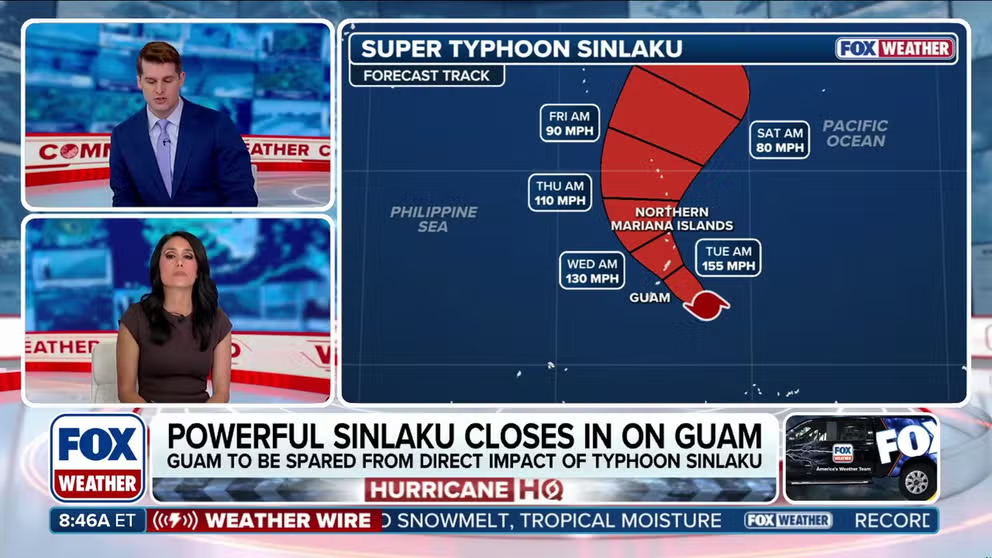
- Super Typhoon Sinlaku threatens 220K residents across Guam and Northern Mariana Islands with 173-180 mph winds; disrupts air/sea freight routes affecting cross-border sellers with Pacific operations











Overview
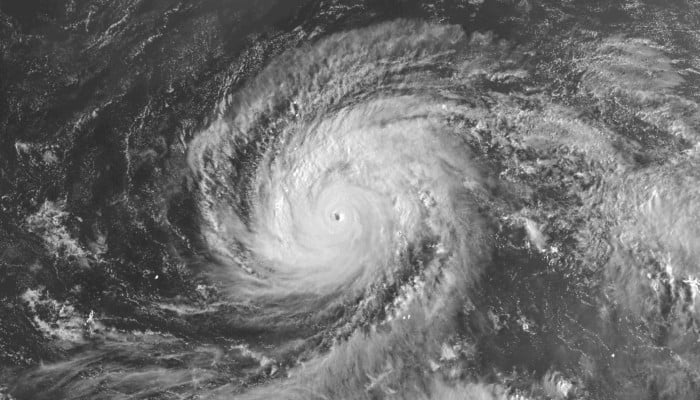
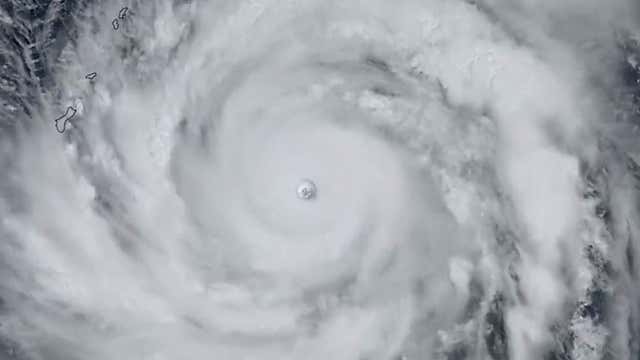
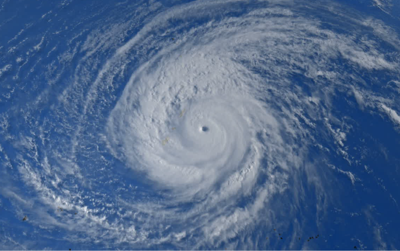
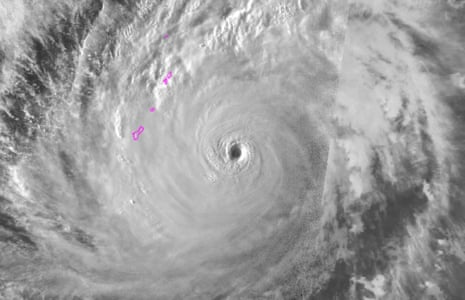
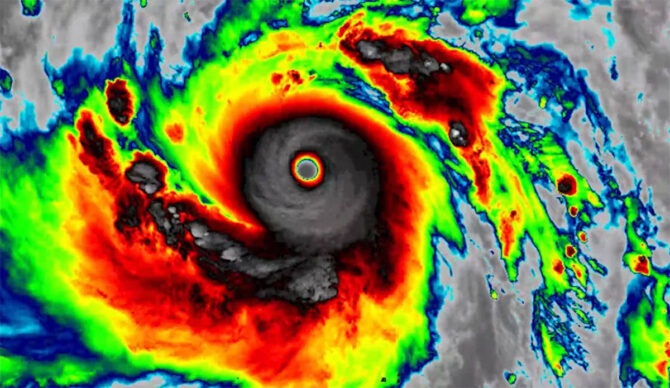
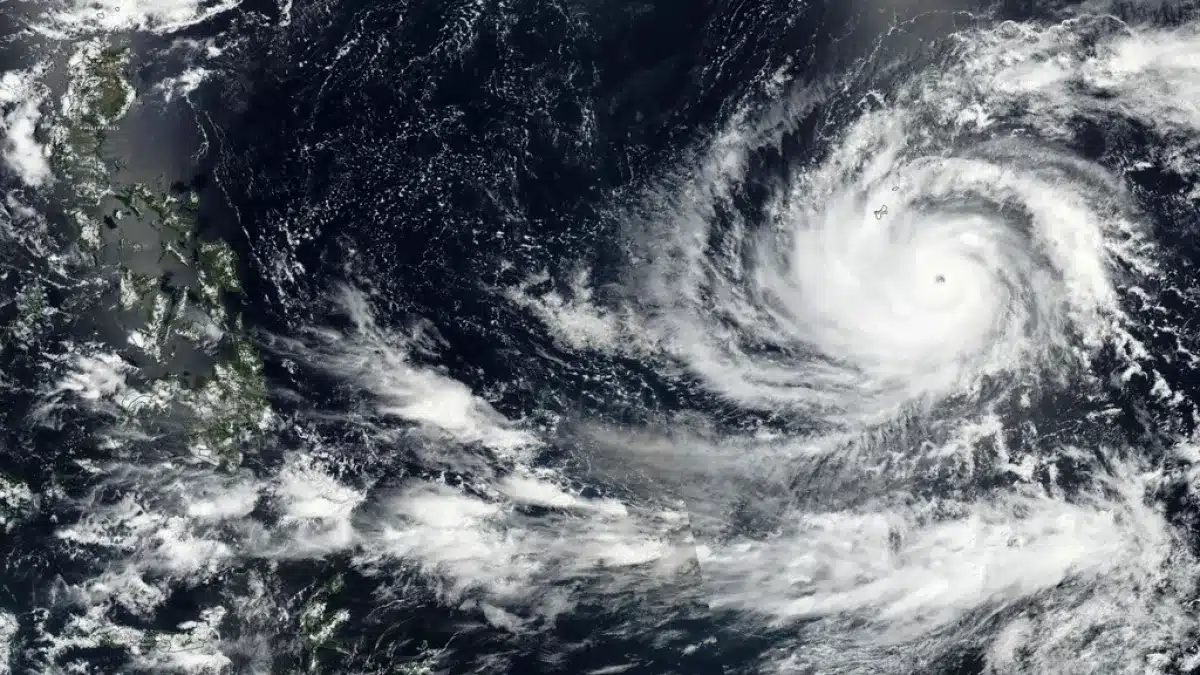
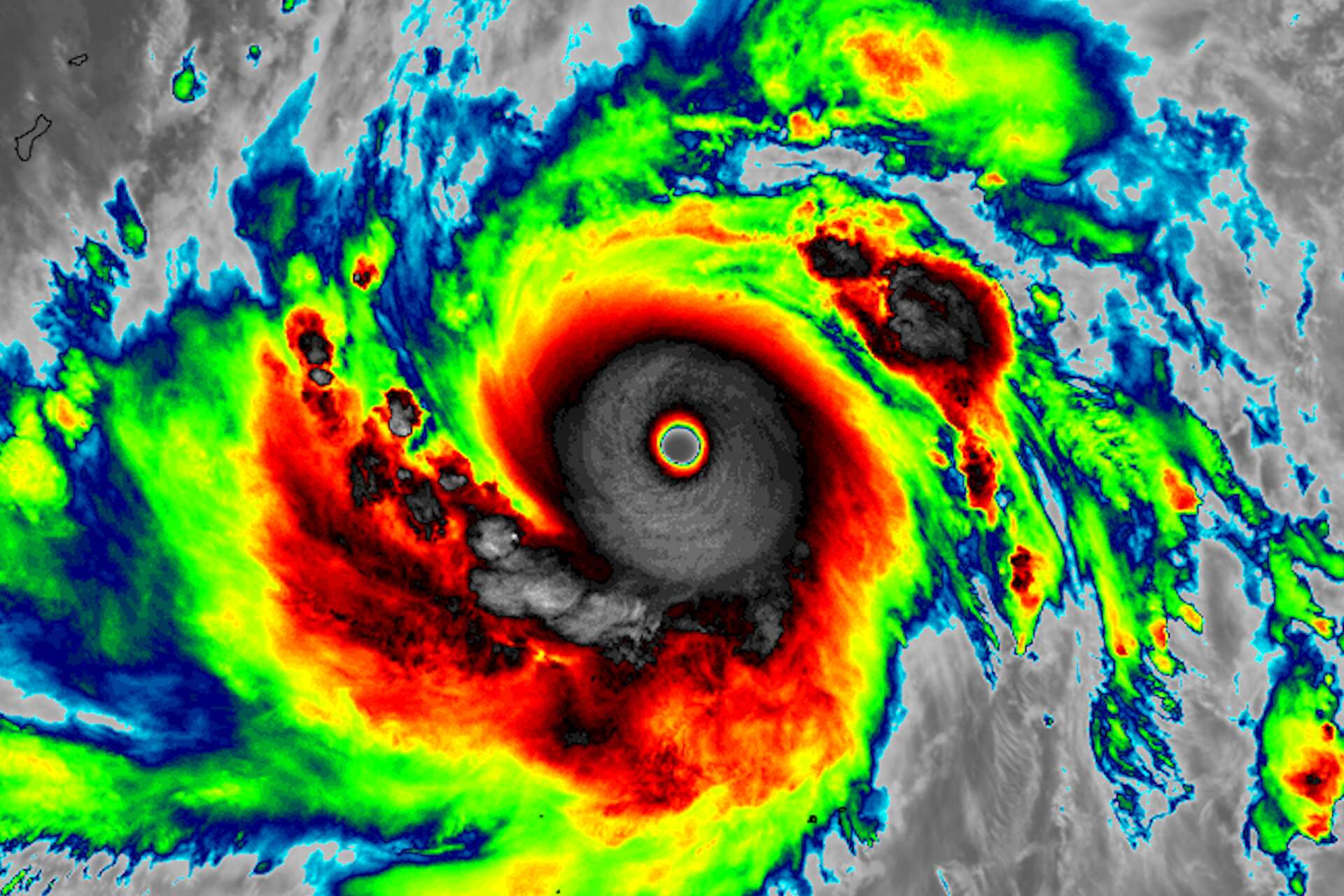
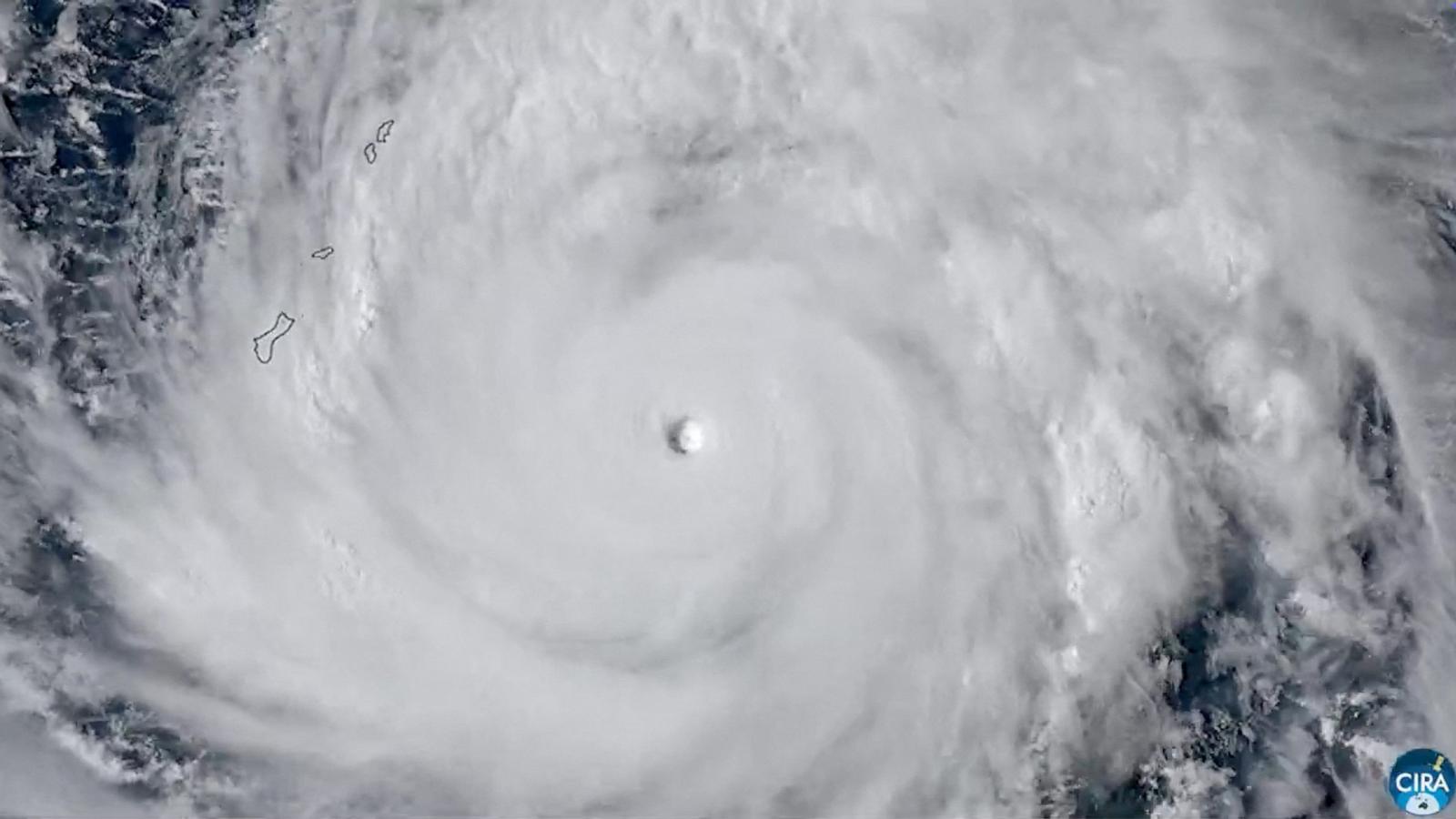
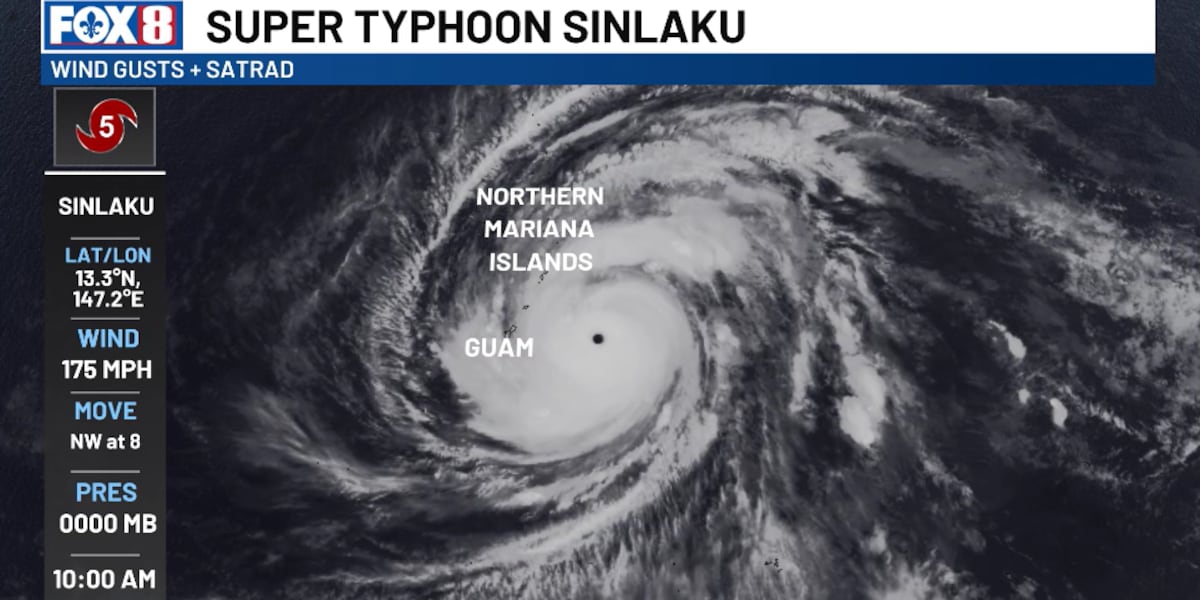
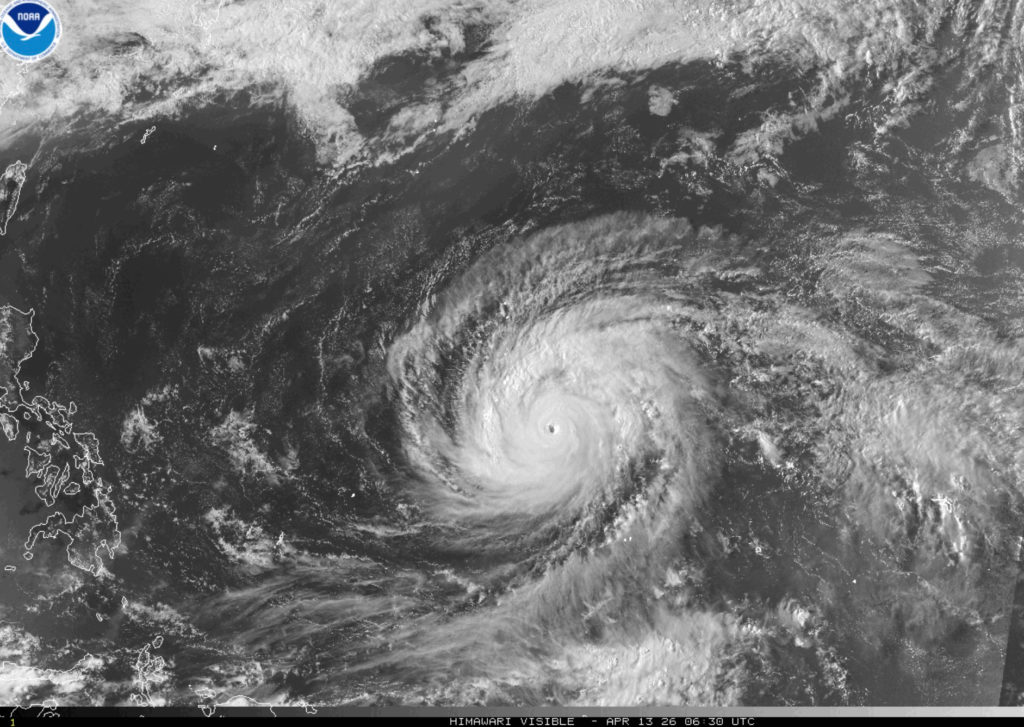
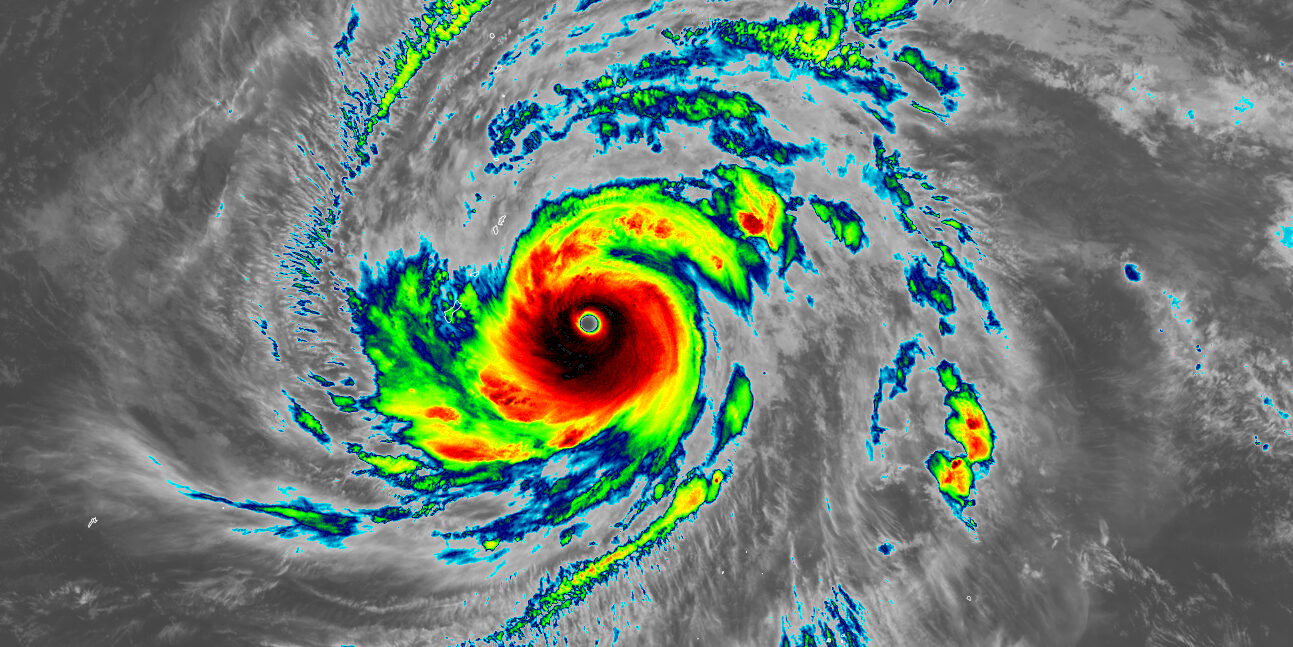
Super Typhoon Sinlaku represents a critical logistics event for cross-border e-commerce sellers operating in or shipping through the Pacific region. The strongest tropical cyclone on Earth in 2024-2025, with sustained winds of 173-180 mph and gusts reaching 220 mph, is making landfall on the Northern Mariana Islands (Rota, Tinian, Saipan) and threatening Guam, a major US military hub with 170,000 residents. The storm impacts approximately 220,000 people across affected territories and creates immediate supply chain disruptions affecting sellers with fulfillment operations, inventory storage, or logistics partnerships in these regions.
Direct operational impacts for affected sellers include shipping delays, power outages disrupting warehouse operations, and temporary market access limitations. United Airlines and Micronesian Air Connection have canceled flights through midweek, while the National Weather Service forecasts 15-20 inches of rainfall for Guam and Rota with 8-15 inches for Tinian and Saipan, creating flash flooding and landslide risks. Sellers operating Amazon FBA fulfillment centers, 3PL warehouses, or maintaining inventory in Guam face immediate challenges: power interruptions affecting inventory management systems, shipping delays of 3-7 days minimum, and potential damage to stored goods. The storm spans 400 miles wide, meaning heavy rain impacts areas far from the center, compounding logistics complexity.
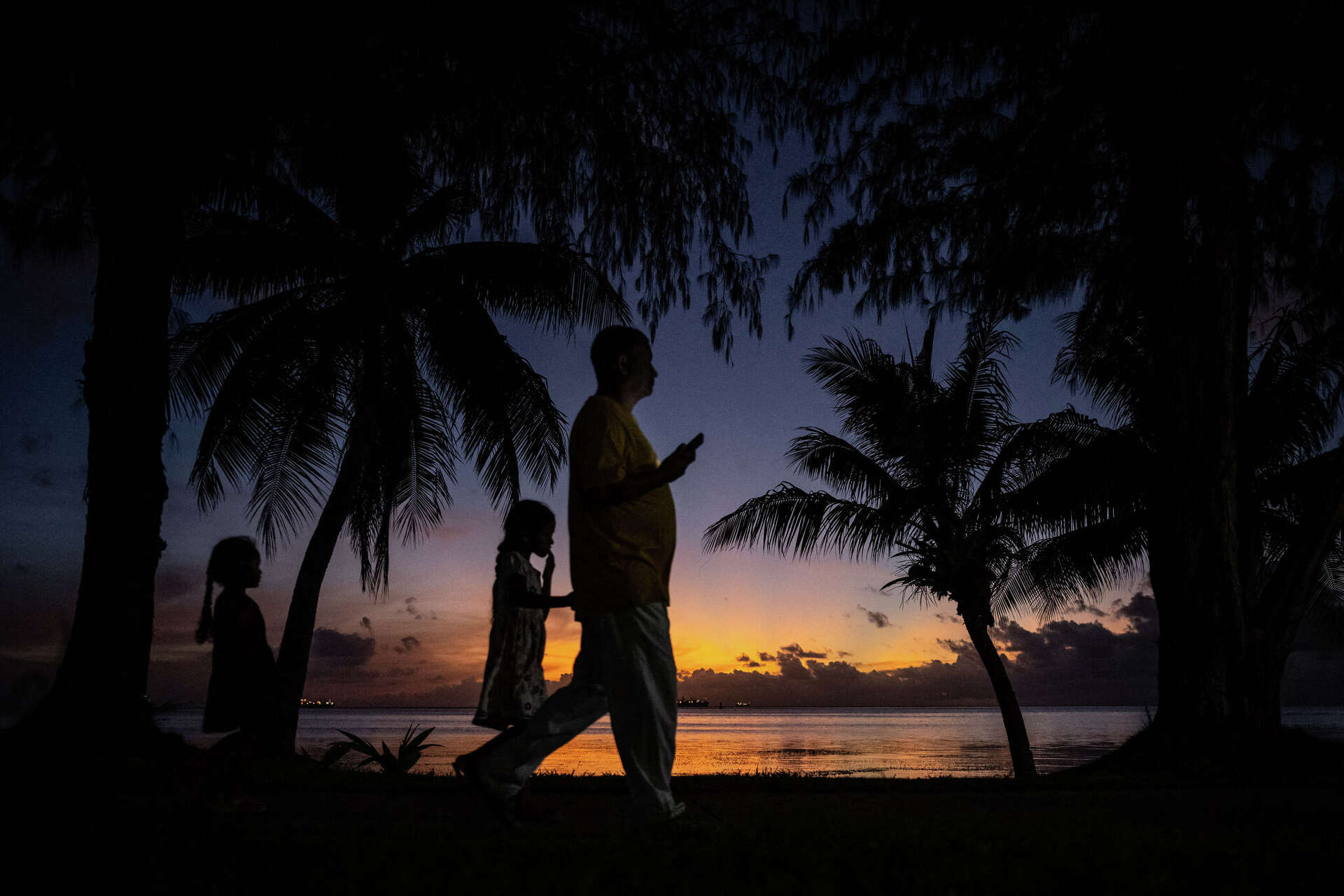
Strategic implications extend beyond immediate disruption to reveal broader supply chain vulnerabilities in Pacific operations. Saipan, a tourism-dependent hub known for resorts and snorkeling, is still recovering economically from Super Typhoon Yutu in 2018 followed by the 2020 pandemic—indicating fragile infrastructure and limited redundancy. Geographic remoteness compounds recovery challenges, with damaged ports limiting supply chain access for weeks post-storm. President Donald Trump approved emergency disaster declarations enabling FEMA coordination with nearly 100 staff plus Department of Transportation and Army Corps of Engineers personnel, with a $3.6 billion disaster relief fund available. This federal response may facilitate emergency relief logistics but does not establish new e-commerce regulations or platform requirements.
For most cross-border sellers without Pacific operations, the impact is negligible. However, sellers with fulfillment centers, 3PL partnerships, or significant inventory in Guam or the Northern Mariana Islands should immediately: (1) contact logistics providers regarding shipment rerouting and timeline adjustments, (2) monitor local government updates and port status, (3) prepare contingency inventory at alternative fulfillment locations, and (4) communicate proactively with customers about potential delivery delays. The disaster declarations may facilitate emergency relief logistics and accelerate port reopening, but sellers should expect 2-4 week recovery periods for normal operations. This event underscores the importance of geographic diversification in fulfillment strategies and maintaining backup logistics partnerships outside typhoon-prone regions.
Questions 8
What product categories see increased demand during typhoon recovery periods?
Historical typhoon recovery patterns show increased demand for: (1) emergency supplies (flashlights, batteries, water, first aid kits), (2) home repair and construction materials (tarps, plywood, nails, generators), (3) power backup solutions (portable chargers, solar panels, battery banks), and (4) communication devices (satellite phones, two-way radios). Saipan's tourism-dependent economy may see increased demand for hospitality supplies and resort recovery materials. Sellers with inventory in these categories should consider temporary price increases (10-20% premium typical during recovery) and accelerated shipping to affected regions. However, geographic remoteness and port disruptions limit rapid inventory replenishment, so sellers should avoid aggressive pricing that triggers customer backlash. The $3.6 billion FEMA disaster relief fund may support government procurement of recovery materials, creating B2B opportunities for wholesale suppliers.
How should sellers communicate shipping delays to customers on Amazon, eBay, and Shopify?
Amazon Seller Central: Update shipping settings immediately to reflect extended handling times (add 3-7 days minimum); use the 'Shipping Settings' dashboard to adjust estimated delivery dates; send proactive customer notifications through Amazon Messaging Service explaining typhoon impacts. eBay: Modify shipping profiles to increase handling time; update item listings with shipping delay notices; communicate via eBay Messages to affected buyers. Shopify: Update shipping rates and timelines in Shipping Settings; add banner notifications to storefront explaining Pacific region delays; send email notifications to customers with orders shipping to affected areas. Best practice: Frame delays as temporary (2-4 week recovery window), provide specific revised delivery estimates, and offer partial refunds or discounts for inconvenience. Transparency reduces negative feedback and maintains customer trust during force majeure events.