



Fed's $40 Billion Treasury Pivot: Liquidity Management Enters a New Strategic Era
- Proactive monetary intervention signals complex financial system recalibration for global markets





















Overview
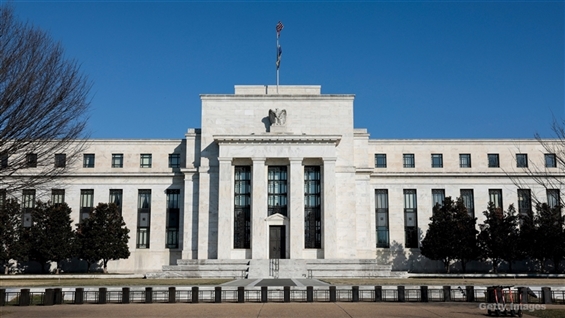
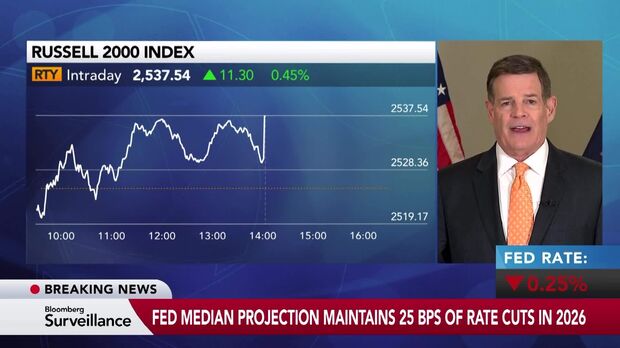
The Federal Reserve is executing a nuanced monetary strategy that goes far beyond traditional interest rate management, signaling a sophisticated approach to financial system stability. By announcing $40 billion in monthly Treasury bill purchases, the central bank is demonstrating a proactive, technically precise intervention into market liquidity mechanisms.
Liquidity Engineering represents the core of this strategic move. The Fed isn't just responding to market conditions—it's actively reshaping financial infrastructure. The initial $40 billion monthly purchase, expected to taper to $20-25 billion after tax season, reflects a carefully calibrated response to emerging repo market tensions and declining reserve levels. This isn't a broad monetary policy shift, but a targeted technical intervention.
The context is critical: the Fed has learned from previous liquidity management challenges, particularly the 2019 short-term rate volatility and 2023 Silicon Valley Bank failure. By utilizing tools like the Standing Repo Facility and precisely managing asset purchases, they aim to maintain market stability without dramatic policy swings. The quantitative tightening process that reduced the balance sheet from $9 trillion to $6.6 trillion has now transitioned into a more dynamic, responsive strategy.
For cross-border financial professionals, this signals a potentially more stable economic environment. The Fed's approach suggests lower borrowing costs, reduced market volatility, and more predictable international transaction conditions. Sellers and investors should closely monitor how these asset purchases might influence exchange rates, international transaction costs, and overall market sentiment.
The broader implication is profound: monetary policy is evolving from blunt instruments to precision tools. The Fed is demonstrating an ability to make surgical interventions, balancing economic growth with financial system resilience through data-driven, measured approaches.
Questions 3
Why is the Fed purchasing $40 billion in Treasury bills monthly?
The Fed is addressing tightening liquidity conditions and maintaining financial system stability. By purchasing Treasury bills, they're preventing potential disruptions in overnight lending markets and ensuring adequate reserve levels, particularly around challenging periods like the April 15th tax date.
How might these asset purchases impact cross-border e-commerce sellers?
These purchases could stabilize financial markets, potentially lowering borrowing costs and reducing currency exchange volatility. Sellers should monitor how these actions might influence international transaction expenses, exchange rates, and overall market liquidity.