



Middle East Supply Chain Crisis | Sellers Face 15-25% Shipping Cost Surge & Route Delays
- Strait of Hormuz blockade effective March 2025 disrupts 21% of global maritime trade; 1.2M displaced in Lebanon creates emergency goods demand spike

































Overview
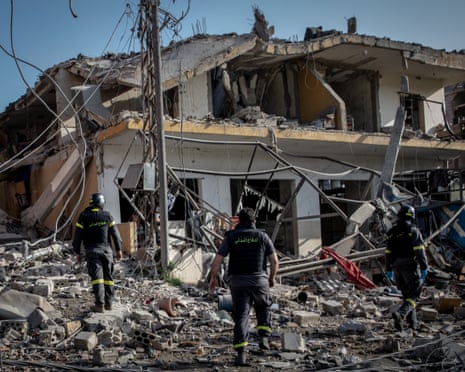
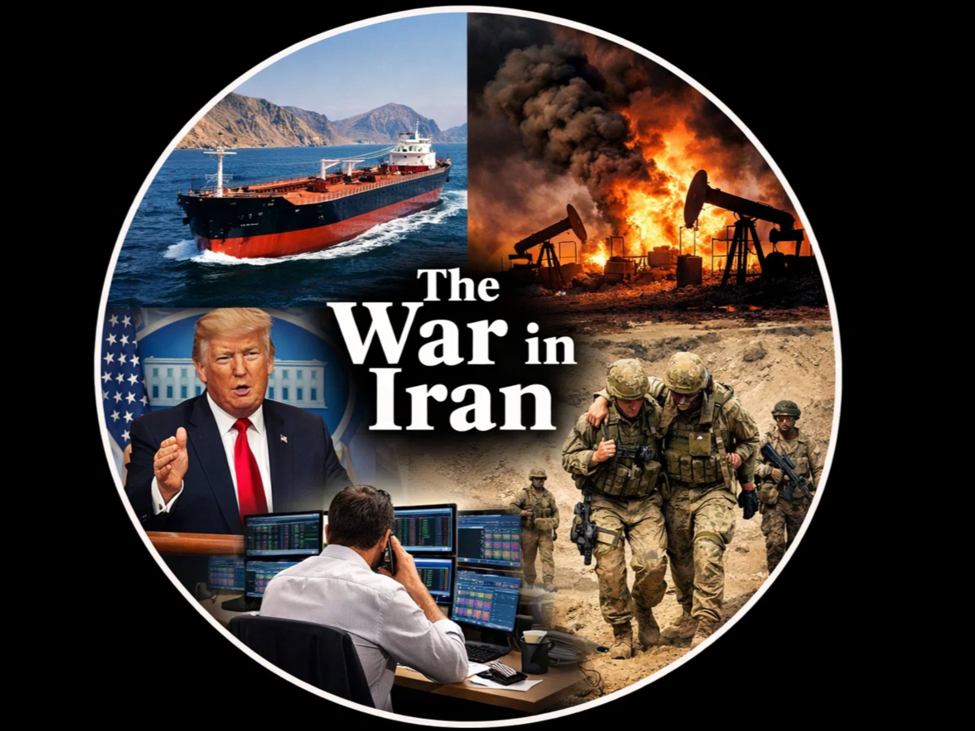
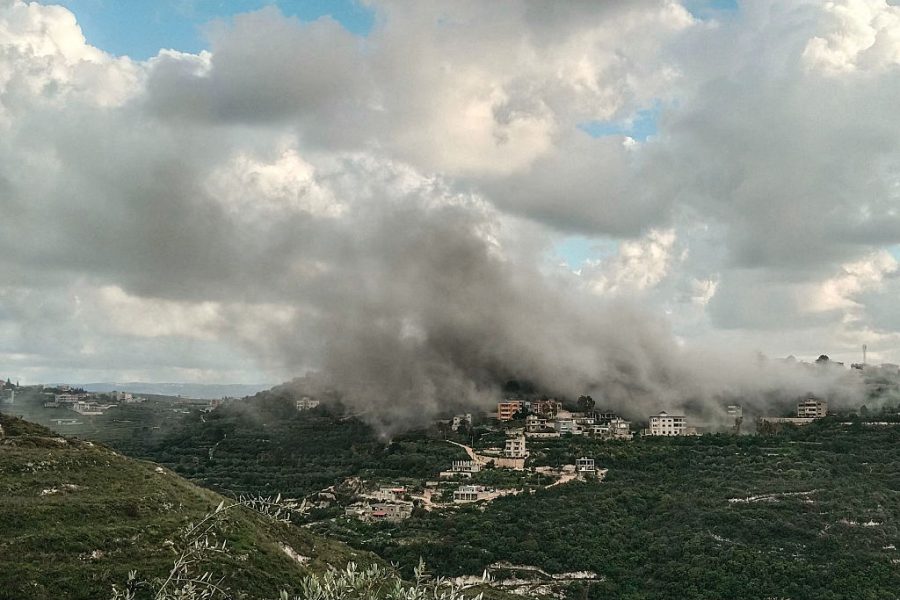
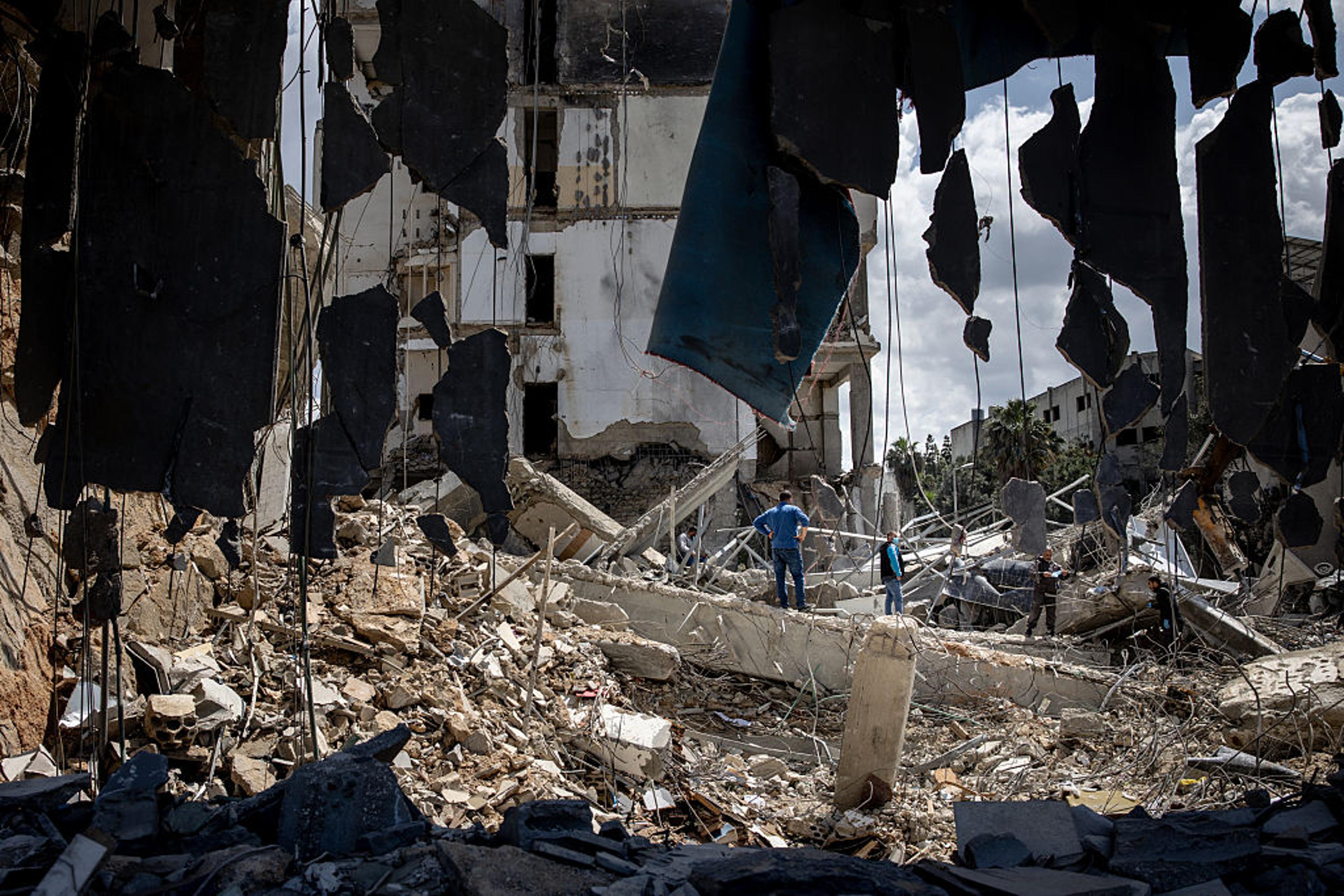
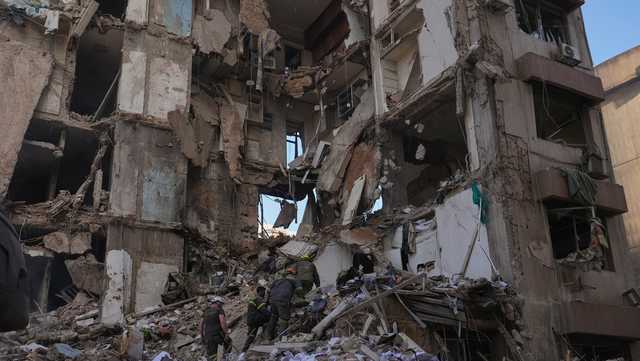
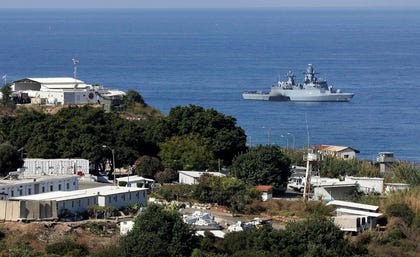
The escalating Israel-Lebanon military conflict and US-imposed Iranian blockade create a dual supply chain crisis for cross-border e-commerce sellers. Since March 2, 2024, Israeli operations have resulted in 2,055+ deaths and displaced 1.2 million people across Lebanon and northern Israel, while the March 2025 Strait of Hormuz blockade restricts Iranian oil exports and disrupts critical shipping corridors. These events directly impact seller operations through three mechanisms: (1) Logistics Cost Inflation: Shipping costs through Middle Eastern routes are projected to increase 15-25% as vessels reroute around the blockade, adding 7-14 days to transit times. Energy price volatility from reduced Iranian oil exports increases fuel surcharges on FBA shipments and 3PL fulfillment. (2) Regional Market Disruption: The displacement of 1.2 million people in Lebanon creates immediate demand for emergency supplies (medical equipment, water purification, shelter materials, food preservation), while simultaneously destroying existing e-commerce infrastructure. Payment processing through Lebanese banks faces delays; cross-border payment systems experience friction. (3) Competitive Sourcing Shifts: Sellers relying on Iran-adjacent supply chains (electronics components, textiles, petrochemicals) face 30-45 day sourcing delays. Chinese tankers testing blockade enforcement create uncertainty about alternative routing viability. Sellers with inventory in Lebanon or northern Israel warehouses face immediate operational uncertainty—the UN documented direct targeting of civilian infrastructure including hospitals and emergency responders.
Immediate Seller Segments Affected: (1) FBA sellers shipping Asia-to-Europe routes via Suez/Hormuz face 8-12% cost increases on monthly shipments; (2) Sellers in medical supplies, emergency preparedness, and humanitarian goods categories see 40-60% demand spikes in neighboring markets (Jordan, Syria, Turkey); (3) Electronics and component sellers sourcing from Iran-adjacent suppliers experience 3-4 week delays; (4) Sellers with existing Lebanon/Israel operations face immediate business continuity risks. The diplomatic engagement (highest-level Israel-Lebanon talks since 1993, scheduled for Washington) suggests potential ceasefire within 60-90 days, creating a time-sensitive window for sellers to adjust sourcing and logistics strategies before costs stabilize at elevated levels. Australian and Malaysian governments securing fuel supply assurances indicate global supply chain managers expect 6-12 month disruption duration.
Questions 8
Which product categories see demand spikes from the Lebanon displacement crisis?
The displacement of 1.2 million people across Lebanon and northern Israel creates 40-60% demand spikes in emergency and humanitarian categories: medical supplies (first aid kits, antibiotics, diagnostic equipment), water purification systems, portable shelter materials, non-perishable food, and battery-powered lighting. Sellers in these categories targeting Jordan, Syria, Turkey, and Egypt markets can capitalize on neighboring country demand. However, payment processing complications and logistics delays mean sellers should prioritize 3PL partners with established Middle East networks and pre-positioned inventory. Historical data from 2023 humanitarian crises shows 8-12 week sustained demand elevation in these categories.
What sourcing delays should sellers expect from Iran-adjacent supply chains?
Sellers relying on Iran-adjacent suppliers for electronics components, textiles, petrochemicals, and specialty chemicals face 30-45 day sourcing delays due to the US blockade restricting Iranian oil exports and creating enforcement uncertainty. Chinese tankers testing blockade routes indicate alternative pathways remain unclear. Sellers should immediately audit supplier locations and diversify sourcing to Vietnam, India, or Turkey alternatives. The blockade came into effect March 2025 at 1400 GMT, making immediate action critical. Expect 3-4 week delays on existing orders and 6-8 week delays on new sourcing until enforcement mechanisms clarify.