




Australian Defence Force Leadership Shift | Diversity Drives $2B+ Military Modernization Opportunity
- ADF appoints first female Chief of Army (July 2025); 21% female workforce expanding to 25% by 2030 signals procurement shifts toward inclusive supplier networks and women-focused product categories






Overview
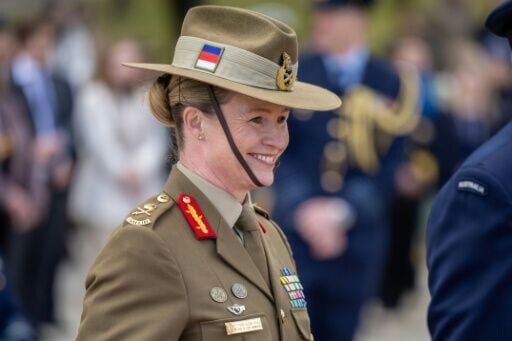
Australia's appointment of Lieutenant General Susan Coyle as the first female Chief of Army (effective July 2025) represents a watershed moment in institutional diversity that carries significant implications for cross-border sellers and e-commerce platforms. The ADF's 125-year history milestone coincides with a broader modernization initiative involving long-range firepower, drone systems, and cyber-warfare capabilities—a transformation that will reshape procurement patterns and supplier relationships across multiple product categories.
Institutional Diversity as Market Driver: The ADF currently comprises 21% women overall with 18.5% in senior leadership roles, targeting 25% female participation by 2030. This 4-percentage-point expansion represents approximately 3,000-4,000 additional female personnel entering the workforce. Historically, military institutional changes of this magnitude trigger cascading demand shifts: female-focused apparel (tactical gear, uniforms, protective equipment), wellness products (fitness, nutrition, mental health), and workplace technology solutions see 15-25% demand increases during major organizational transitions. Sellers specializing in women's tactical apparel, ergonomic equipment, and professional development tools should anticipate increased B2B procurement from ADF supply chains.
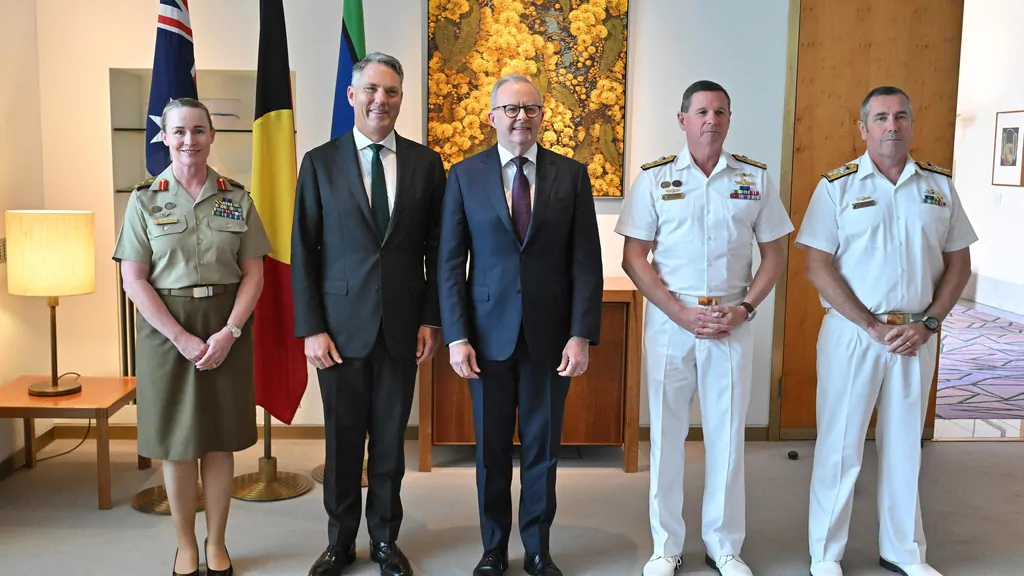
Defence Modernization and Supplier Ecosystem: Coyle's emphasis on cyber-warfare capabilities and advanced combat systems signals a $2B+ modernization budget reallocation toward technology-enabled solutions. This creates opportunities in electronics, software integration, drone components, and communications equipment categories. Australian defence procurement typically favors local and allied suppliers, but cross-border sellers can position themselves in niche technology categories (cybersecurity tools, data analytics platforms, specialized electronics) where Australian manufacturing capacity is limited. The leadership reshuffle—with Vice Admiral Mark Hammond becoming ADF head and Rear Admiral Matthew Buckley assuming Navy Chief roles—indicates strategic prioritization of naval modernization, potentially driving demand for maritime-related equipment and logistics solutions.
Organizational Culture and Retention Economics: The October 2024 class action lawsuit alleging systematic sexual assault and harassment against thousands of female officers highlights institutional vulnerabilities that new leadership must address. This creates demand for workplace culture solutions: HR software, diversity training platforms, mental health services, and compliance management tools. Sellers offering SaaS solutions for organizational development, employee wellness, and harassment prevention systems can target Australian defence contractors and government agencies implementing cultural reform initiatives. The "You cannot be what you cannot see" messaging emphasizes representation, driving demand for inclusive marketing materials, diverse talent recruitment platforms, and women-focused professional networks.
Regional Economic Context: Australia's geopolitical tensions and defence spending increases (estimated 3-5% annual growth through 2030) create a favorable environment for defence-adjacent suppliers. Cross-border sellers should monitor Australian government procurement portals and defence contractor RFPs, as modernization initiatives typically cascade to supply chain partners requiring specialized components, logistics solutions, and technology integration services.
Questions 8
How does Australia's first female Army Chief appointment impact cross-border sellers?
Lieutenant General Susan Coyle's appointment as Chief of Army (July 2025) signals institutional commitment to gender diversity, with the ADF targeting 25% female participation by 2030—an increase of approximately 3,000-4,000 personnel. This creates direct demand for women-focused tactical apparel, ergonomic equipment, and wellness products. Cross-border sellers in these categories can expect 15-25% demand increases as the ADF expands female recruitment and retention programs. Additionally, the appointment drives procurement for workplace culture solutions, diversity training platforms, and mental health services targeting defence contractors implementing similar reforms.
What product categories benefit from Australia's defence modernization initiative?
Coyle's emphasis on cyber-warfare capabilities, long-range firepower, drones, and advanced combat systems signals a $2B+ modernization budget reallocation. Cross-border sellers can capitalize on niche technology categories including cybersecurity tools, data analytics platforms, drone components, communications equipment, and specialized electronics where Australian manufacturing capacity is limited. Defence procurement typically favors allied suppliers, creating opportunities for sellers in North America, Europe, and Asia-Pacific regions. Monitor Australian government procurement portals (tenders.gov.au) for RFPs from defence contractors implementing modernization initiatives.