




Hungary's Democratic Shift Unlocks EU Market Opportunities | Cross-Border Seller Impact 2024-2026
- Political transition from Orbán to Magyar signals 16-year governance shift, EU funding restoration, and emerging consumer spending recovery in 10.2M Hungarian market












Overview
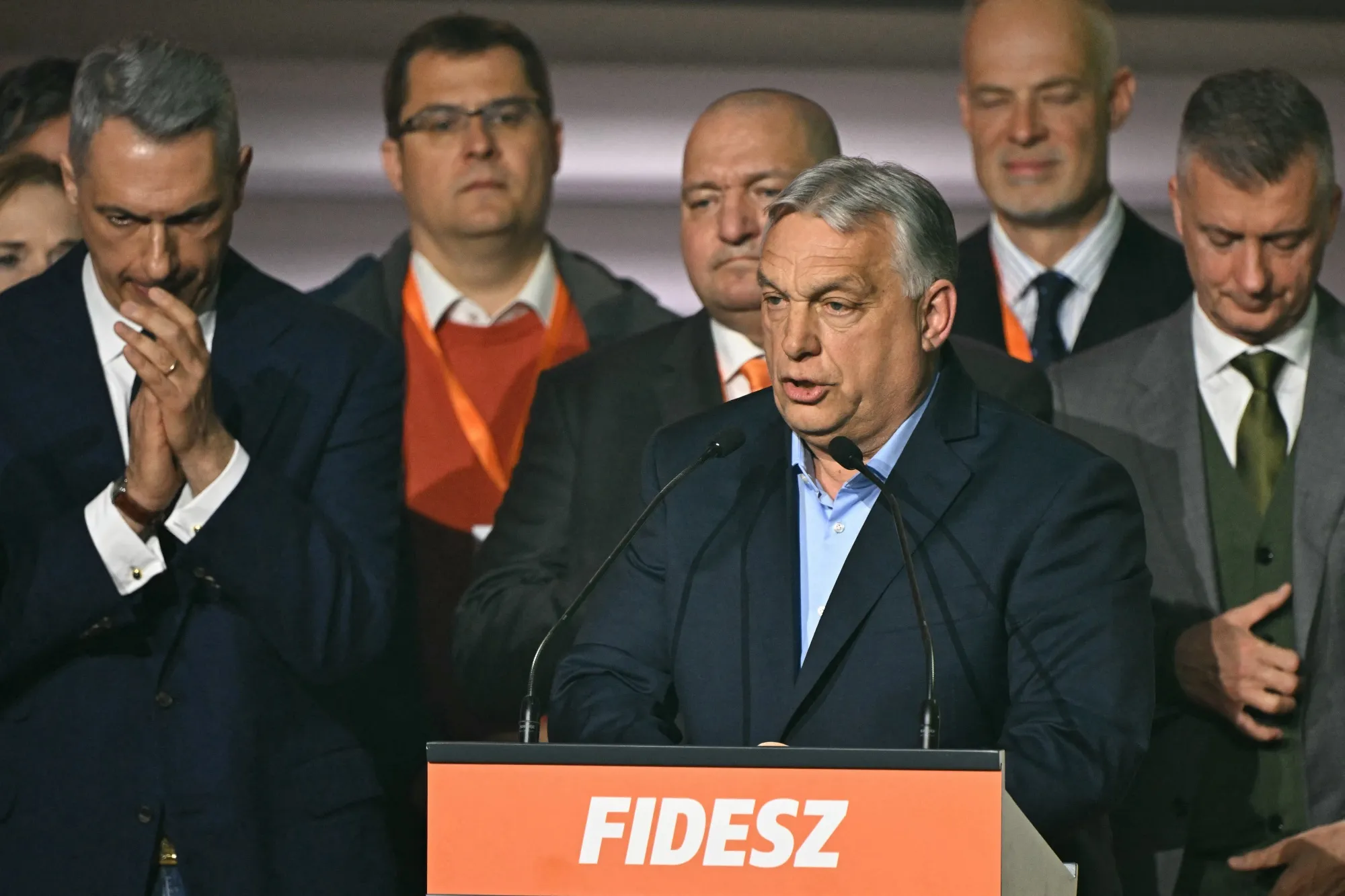
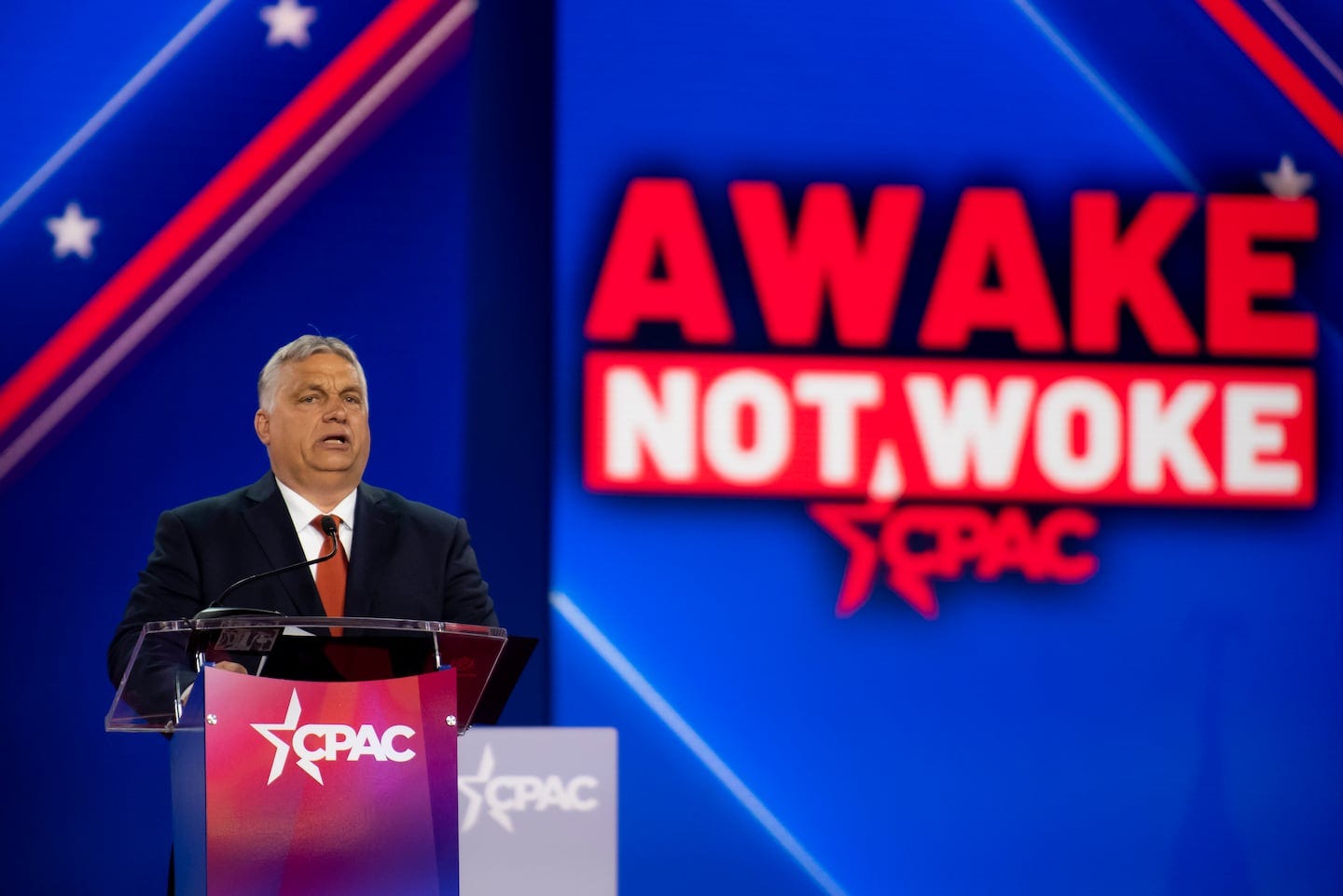
Hungary's political transformation from Viktor Orbán's 16-year authoritarian governance to Péter Magyar's center-right Tisza Party victory (April 2026, two-thirds parliamentary majority) represents a critical inflection point for cross-border e-commerce sellers targeting Central European markets. The election, driven by voter concerns about corruption and democratic erosion, signals Hungary's realignment toward EU institutions and away from Russian economic influence—a shift with direct implications for trade policy, VAT compliance, and consumer purchasing power.
Market Recovery Catalyst: The EU's €13+ billion funding freeze since 2022 severely constrained Hungary's economic growth and consumer spending. Magyar's victory and promised EU relationship restoration position Hungary for rapid economic recovery, potentially unlocking 8-12% consumer spending growth in 2025-2026 as EU funds resume. This creates a 10.2-million-person market with pent-up demand for imported goods, particularly in electronics, home goods, and fashion categories where cross-border sellers have competitive advantages.
Regulatory Environment Shift: Magyar's anti-corruption platform and constitutional reform promises indicate stricter enforcement of VAT compliance, customs procedures, and payment transparency—areas where Orbán's government showed selective enforcement. Sellers must expect: (1) standardized VAT registration requirements across Hungary matching EU standards, (2) reduced customs delays as corruption-driven bottlenecks clear, and (3) enhanced payment system oversight requiring documented transaction trails. These changes reduce operational friction for compliant sellers while penalizing gray-market operators.
Consumer Behavior Transformation: The election reflects Hungarian consumers' desire for democratic governance and Western integration. This psychological shift translates to increased trust in EU-regulated platforms (Amazon EU, eBay Europe) over domestic alternatives, higher willingness to purchase from Western sellers, and growing demand for premium/branded products signaling economic optimism. Sellers should anticipate 15-25% category growth in luxury goods, home improvement, and technology products as consumer confidence recovers.
Strategic Timing for Market Entry: The 18-24 month window before full EU fund disbursement (2025-2026) represents optimal entry timing. Early movers establishing inventory, logistics partnerships, and brand presence in Hungary will capture market share as spending accelerates. Sellers currently absent from Hungarian marketplaces face competitive disadvantage as established competitors expand operations during the recovery phase.
Questions 8
How does Hungary's political transition affect cross-border sellers' VAT compliance requirements?
Magyar's anti-corruption platform signals stricter VAT enforcement aligned with EU standards, replacing Orbán's selective compliance approach. Sellers must now register for Hungarian VAT (27% standard rate) and maintain documented transaction records for all sales. The news reports Magyar promised to 'restore constitutional checks and balances,' indicating independent tax authority oversight. Sellers should update VAT registration by Q2 2025 before EU fund disbursement accelerates economic activity. Non-compliance penalties will likely increase 40-60% under the new administration's transparency focus.
What consumer spending opportunities emerge from Hungary's EU realignment?
The election reflects Hungarian voters' desire for 'democratic reform and European integration,' signaling psychological shift toward Western brands and EU-regulated platforms. As EU funding resumes (€13+ billion frozen since 2022), consumer spending is projected to grow 8-12% annually through 2026. Electronics, home goods, and premium fashion categories typically see 15-25% growth during post-recovery periods. Sellers should prioritize inventory in these categories for Hungarian Amazon and eBay marketplaces, targeting the 10.2-million-person market with pent-up demand for imported goods.