


Middle East Conflict Disrupts Supply Chains | Cross-Border Sellers Face Shipping Delays & Market Access Risks
- Over 1 million displaced in Lebanon; Strait of Hormuz shipping impacts affect 15-20% of global trade routes; sellers must reassess logistics networks and regional inventory strategies






Overview
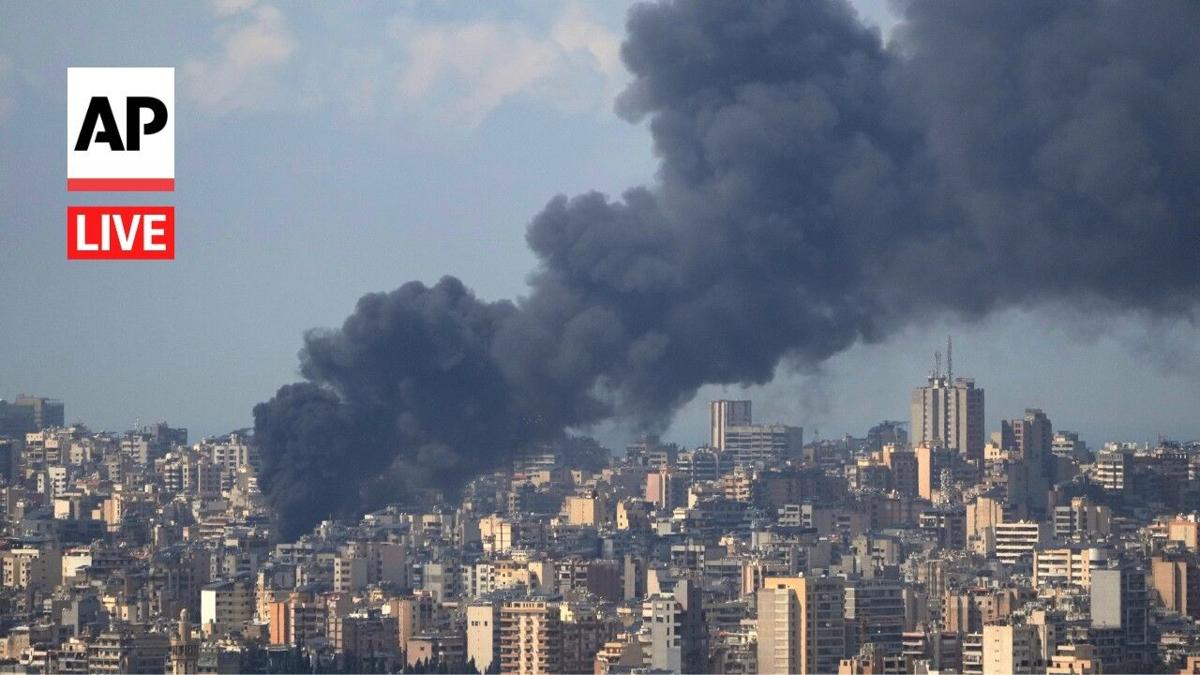
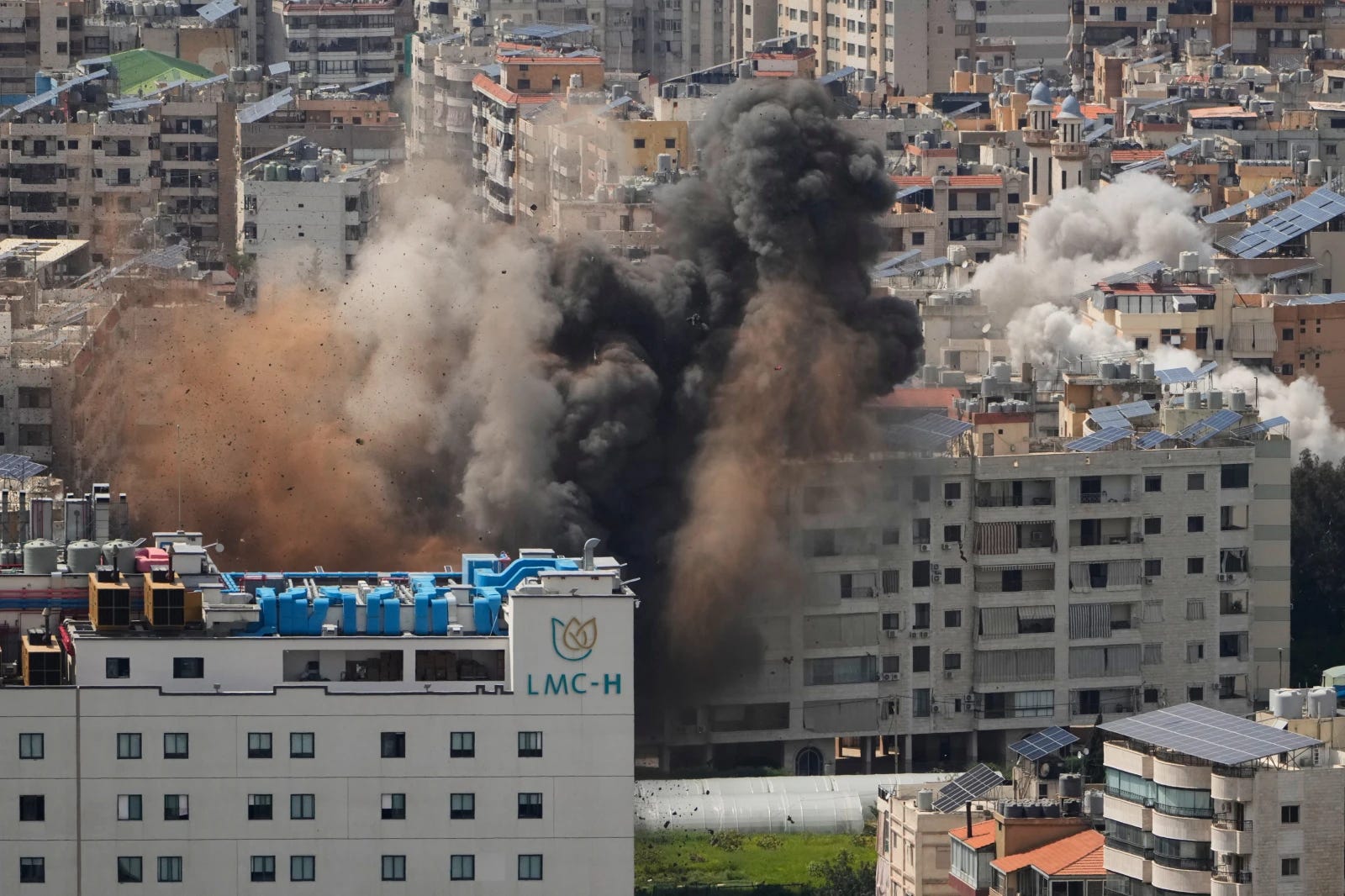
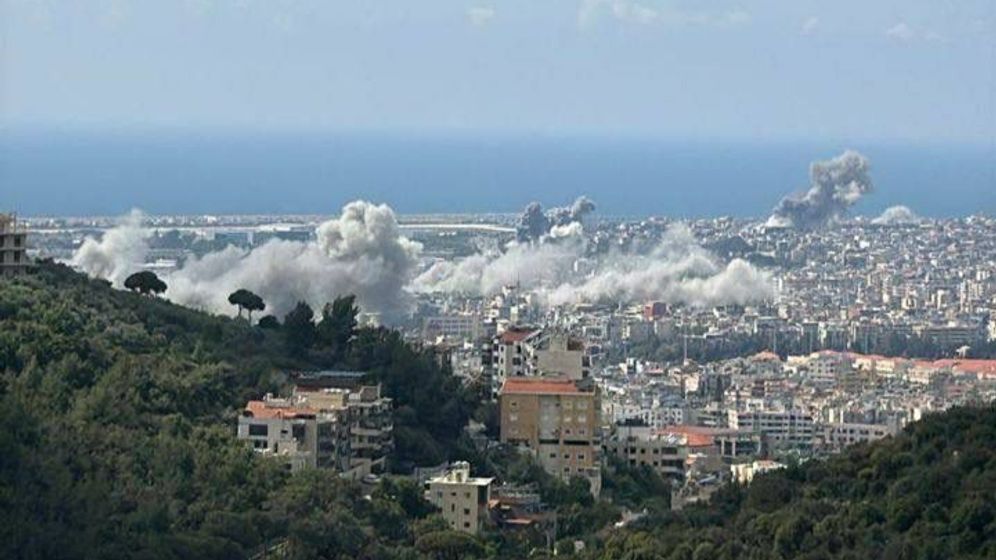
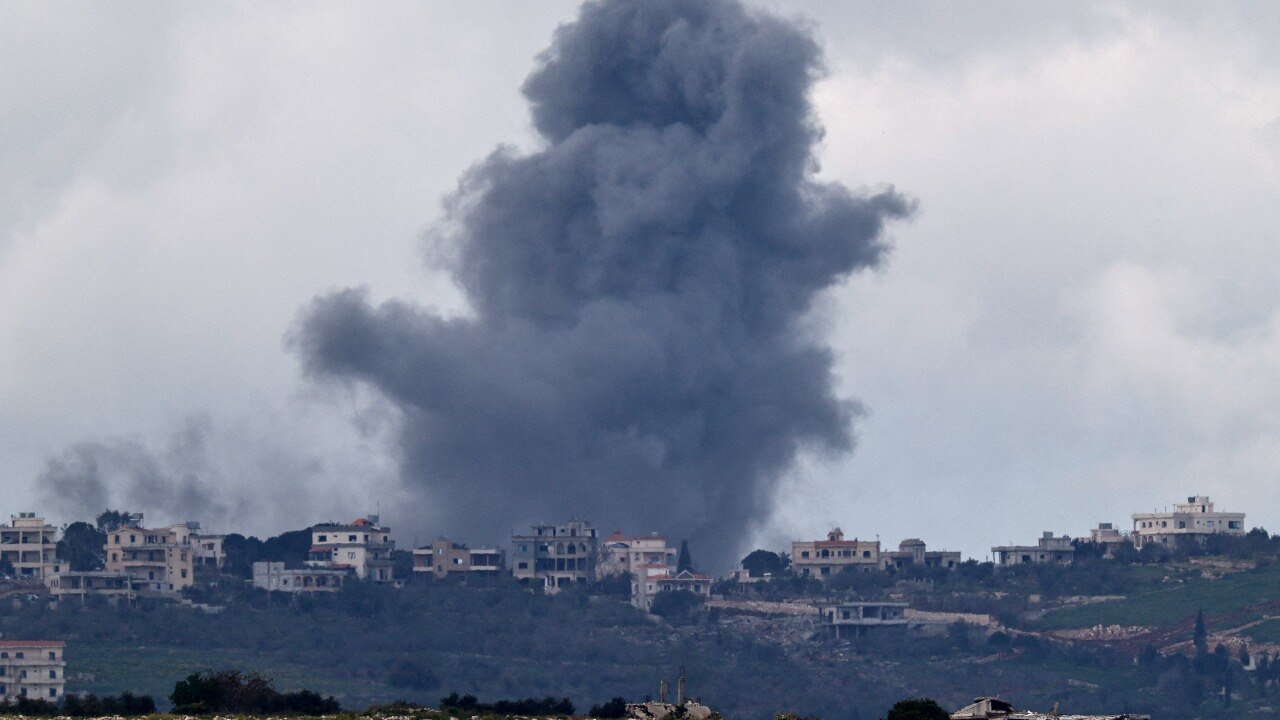
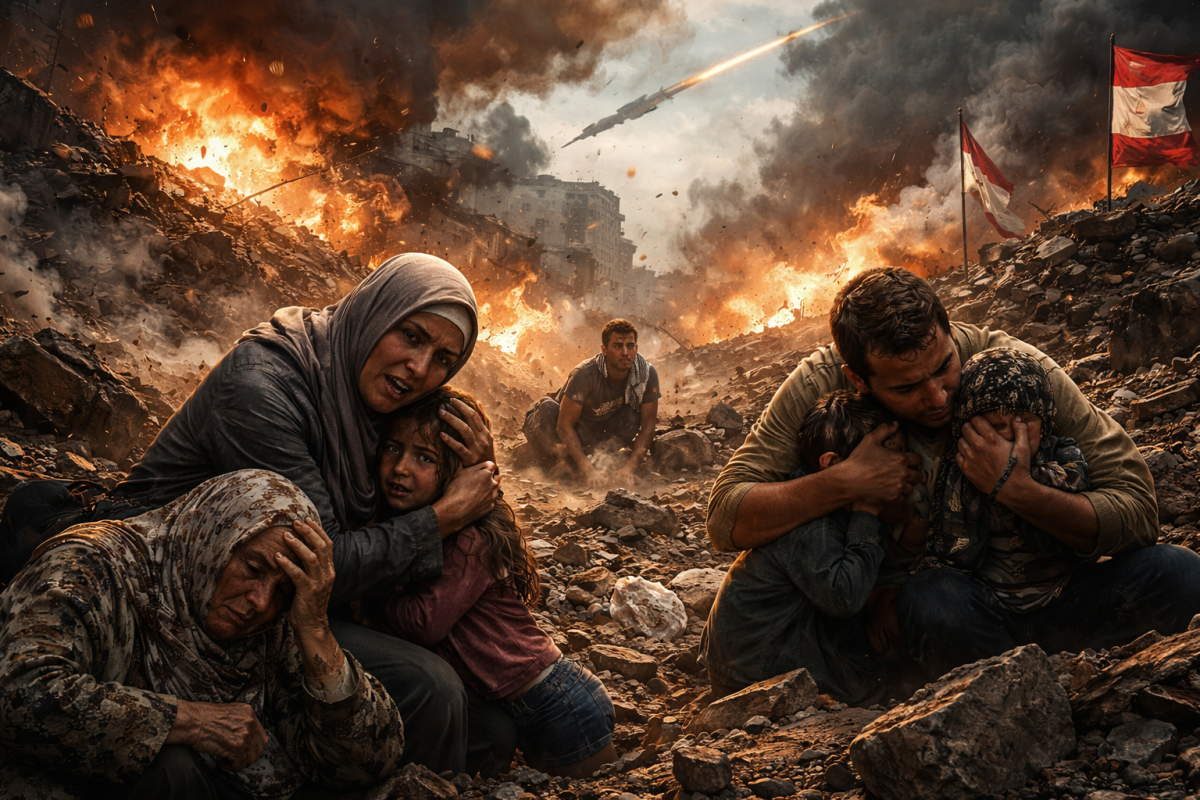
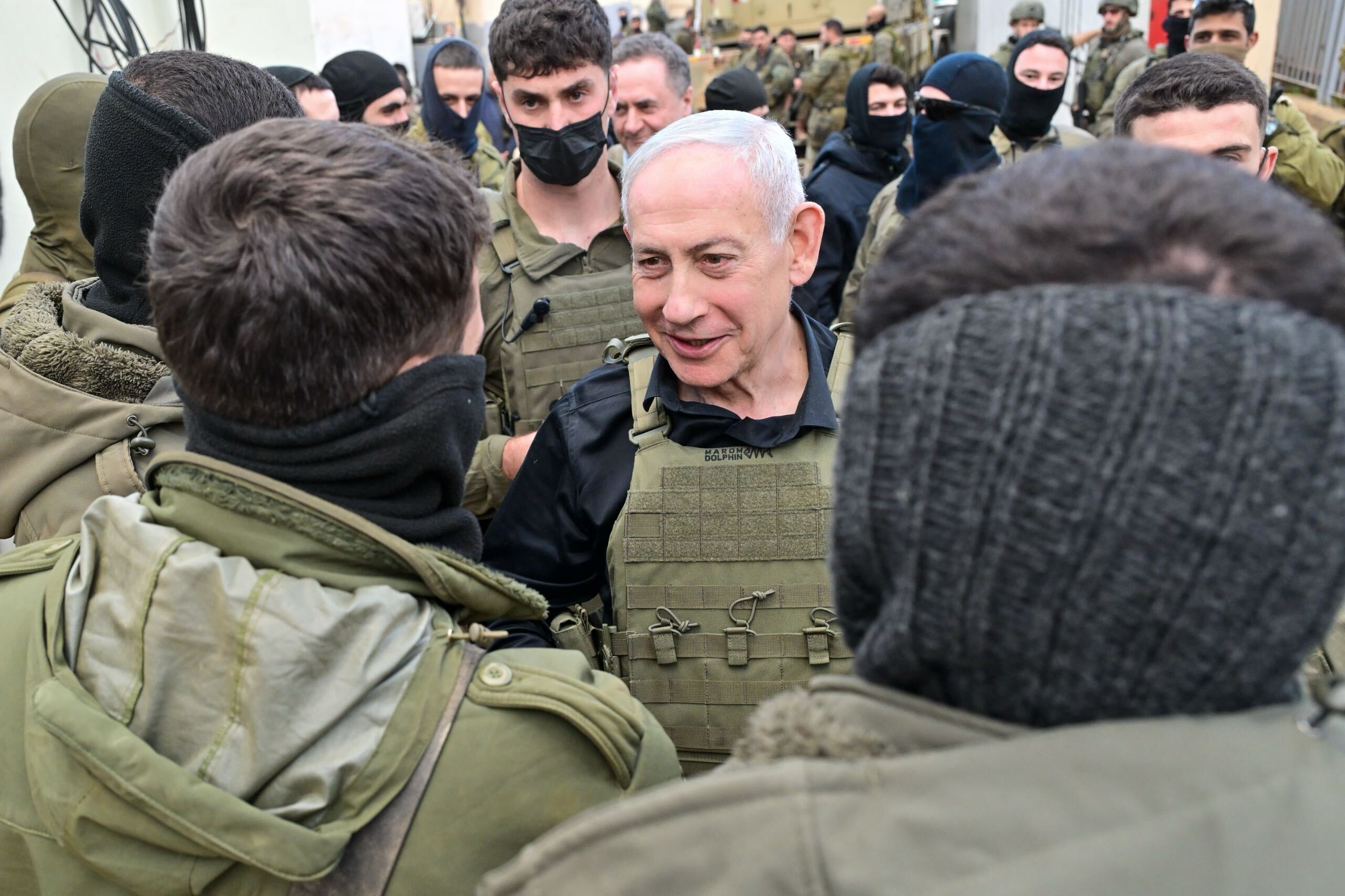
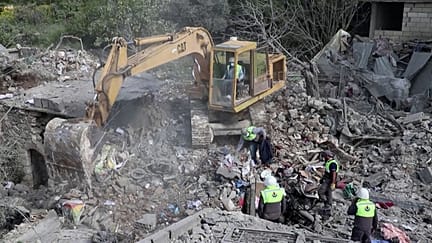
The escalating Israel-Lebanon conflict represents a critical supply chain and market access risk for cross-border e-commerce sellers, particularly those operating in Middle Eastern markets or relying on regional logistics hubs. News reports document over 1 million people displaced across Lebanon, with military operations continuing at reduced intensity in southern regions despite U.S. diplomatic pressure. The humanitarian crisis—including damage to medical infrastructure and civilian displacement—signals broader infrastructure degradation that directly impacts e-commerce logistics networks.
Supply Chain and Logistics Impact: The conflict threatens critical shipping routes through the Strait of Hormuz, which handles approximately 20-25% of global maritime trade. Sellers sourcing products from Asia-Pacific regions or shipping to Middle Eastern markets face potential route diversions, increased shipping costs (typically 8-15% premium for alternative routes), and 2-4 week delivery delays. The BBC reporting on damaged medical facilities and infrastructure collapse indicates broader port and transportation network vulnerabilities. Sellers with inventory in Lebanon, Israel, or regional distribution centers should immediately assess alternative fulfillment options through 3PL providers in Turkey, UAE, or Egypt.
Market Access and Consumer Behavior Shifts: The displacement of 20% of Lebanon's population (approximately 800,000+ people) represents a significant contraction in purchasing power and market size. E-commerce sellers targeting Lebanese consumers face reduced demand for discretionary products, while humanitarian categories (medical supplies, emergency kits, basic necessities) may see increased demand from displaced populations and international relief organizations. Regional sellers in Israel face potential market access restrictions and payment processing complications. The diplomatic uncertainty—with no formal ceasefire despite reduced military operations—creates unpredictable market conditions for 6-12 months.
Operational Considerations: Sellers should monitor shipping insurance costs, which typically increase 5-10% during regional conflicts. Payment processing through regional gateways may face delays or restrictions. Inventory planning should shift toward shorter lead times and reduced stock levels in affected regions. The ongoing nature of reduced-intensity operations suggests this is not a short-term disruption but a medium-term structural challenge requiring strategic portfolio rebalancing.
Questions 8
How does the Lebanon conflict affect cross-border sellers shipping to Middle East markets?
The conflict creates multiple operational challenges: shipping routes through the Strait of Hormuz face potential disruptions (handling 20-25% of global maritime trade), forcing sellers to use alternative routes that add 2-4 weeks to delivery times and increase costs by 8-15%. The BBC reports over 1 million displaced people, indicating infrastructure damage affecting ports and transportation networks. Sellers should immediately contact 3PL providers to assess route alternatives through Turkey or UAE, and expect shipping insurance premiums to increase 5-10% during the conflict period. Monitor diplomatic developments weekly for route status updates.
What product categories see increased demand during humanitarian crises like Lebanon's displacement?
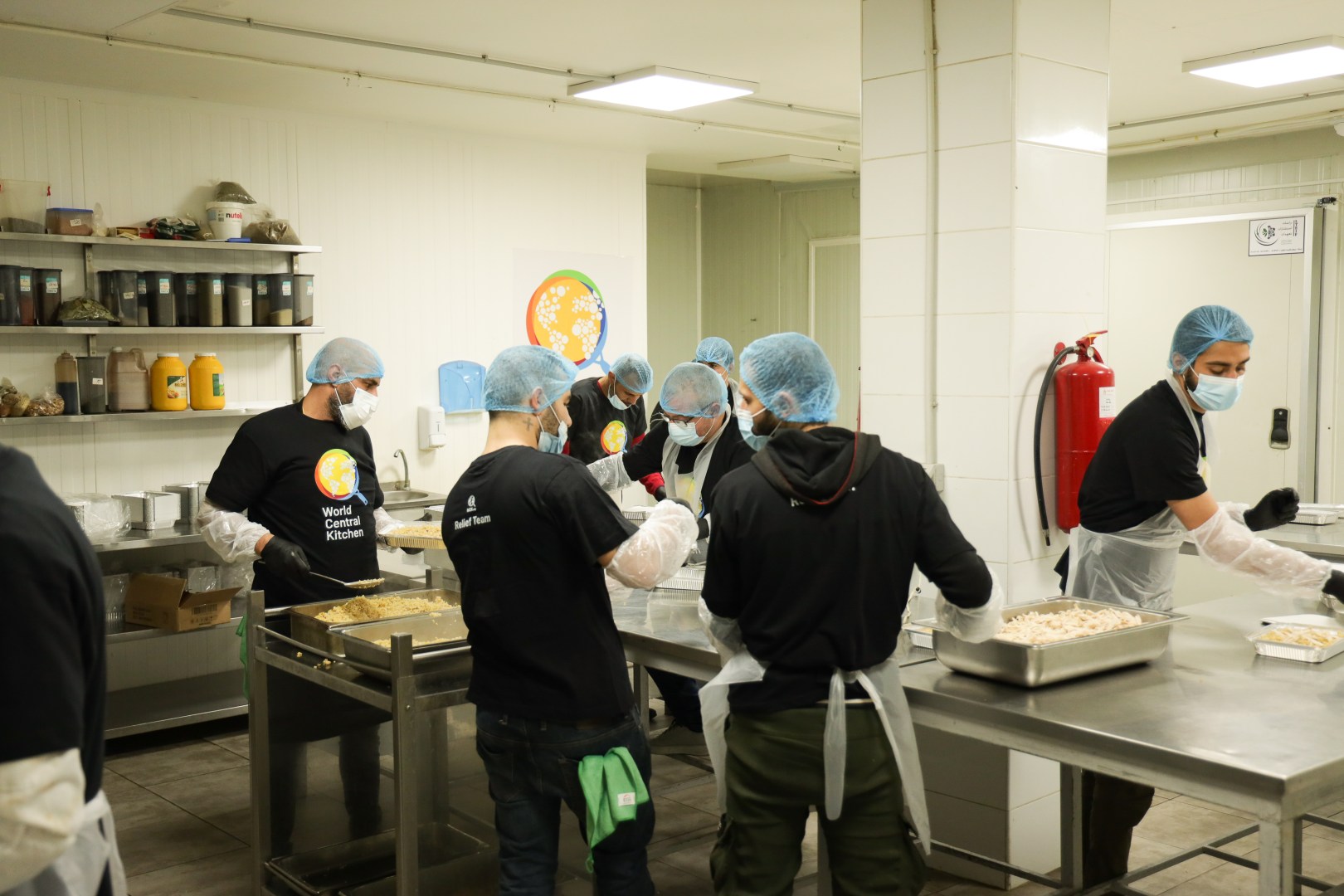
Humanitarian crises typically drive demand for medical supplies, emergency kits, water purification systems, non-perishable food, hygiene products, and temporary shelter materials. The BBC documentation of damaged medical infrastructure and 1 million displaced people signals strong demand from relief organizations and displaced populations. Sellers can capitalize on this through B2B sales to NGOs and humanitarian organizations, or consumer sales of emergency preparedness products. Historical data shows humanitarian categories can see 40-60% demand increases during active crises. Consider creating bundles targeting emergency preparedness and positioning products for rapid shipping to affected regions.