
)


Spain-China Trade Bridge Opens €50B Market Access Window for EU Sellers
- Spain's 6.8% export growth signals tariff reductions for agricultural/industrial goods; EU sellers gain competitive advantage as China prioritizes Spanish gateway over direct EU negotiations










)

















Overview
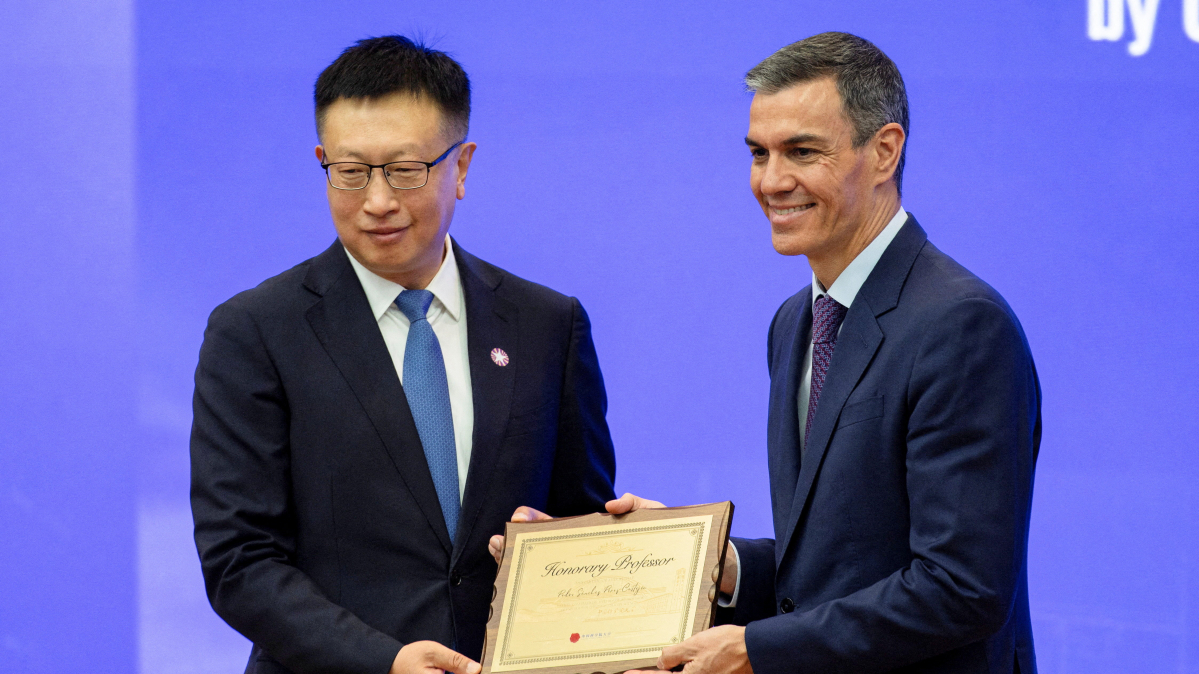
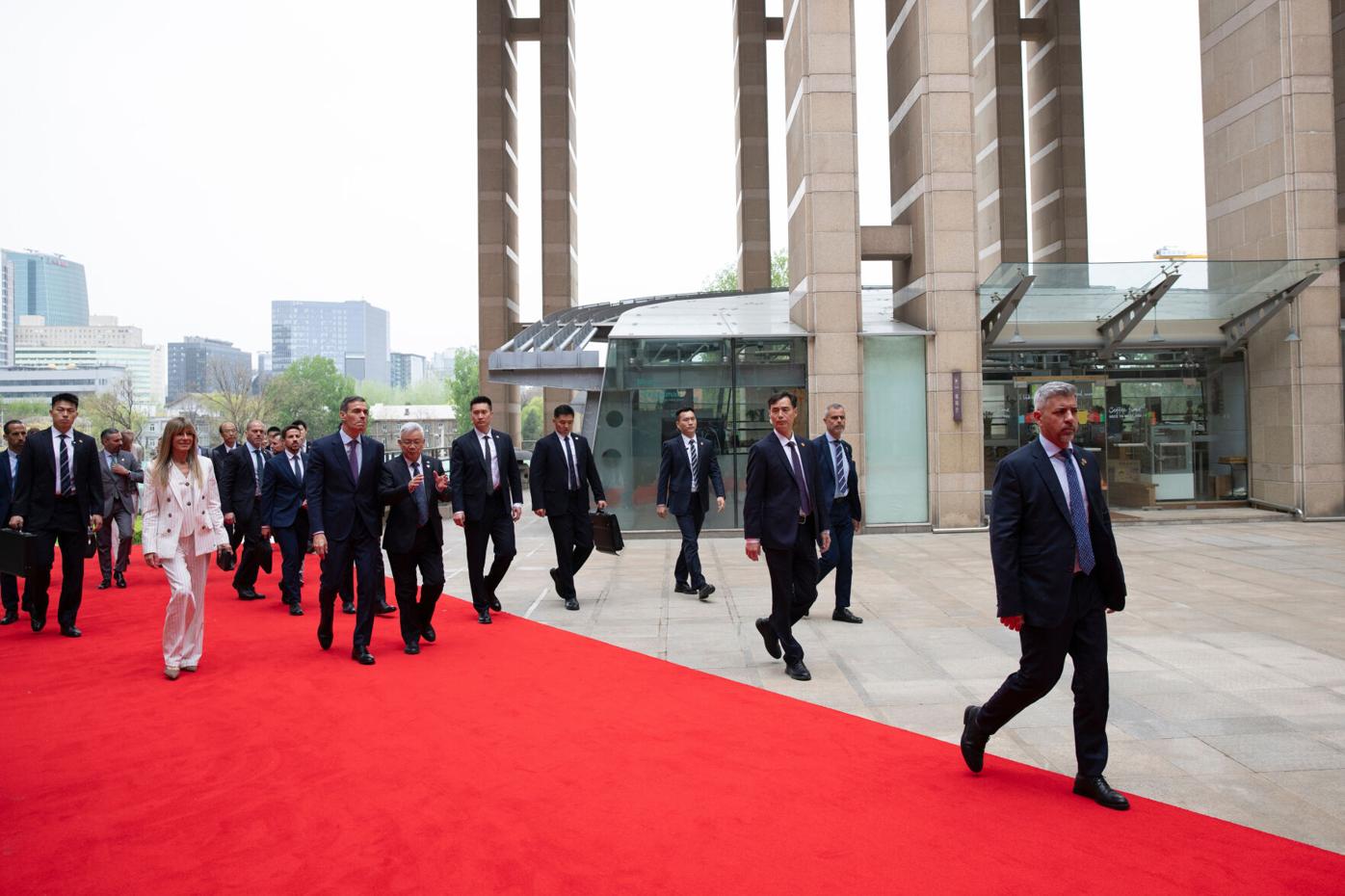
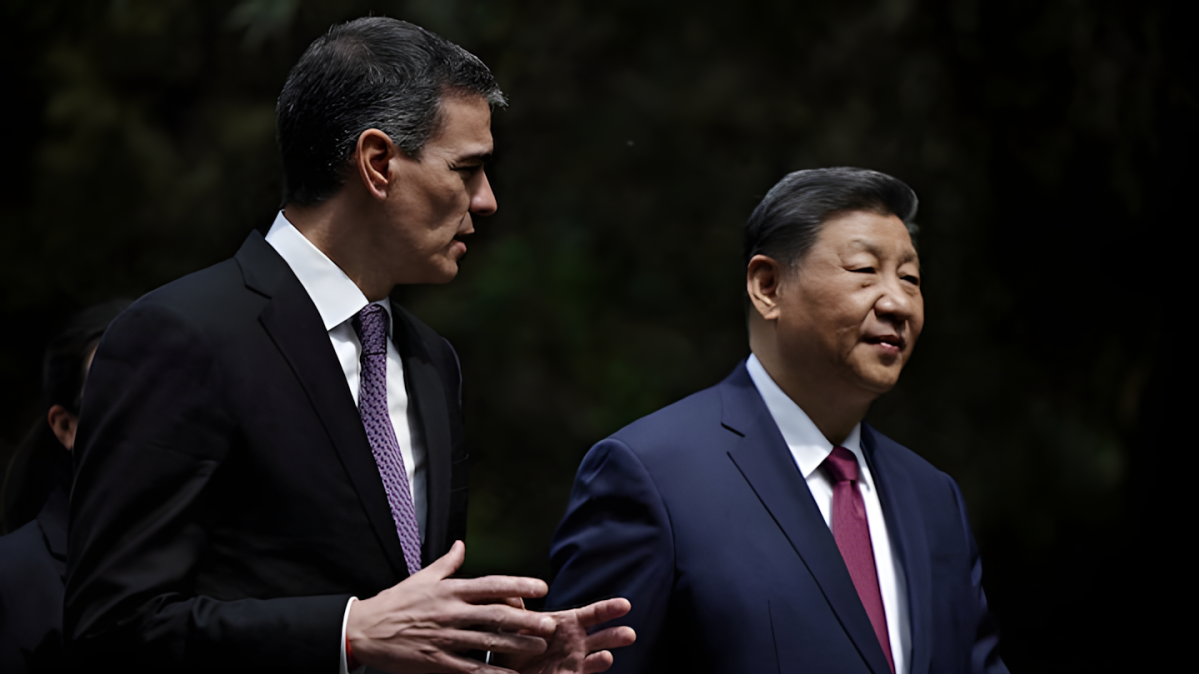
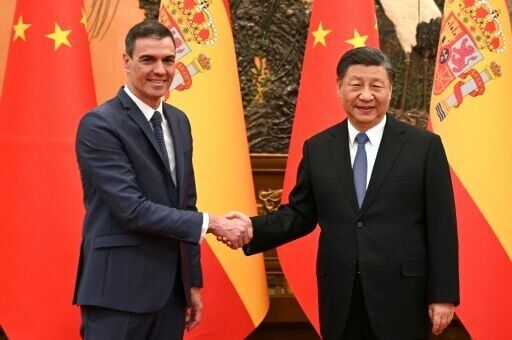
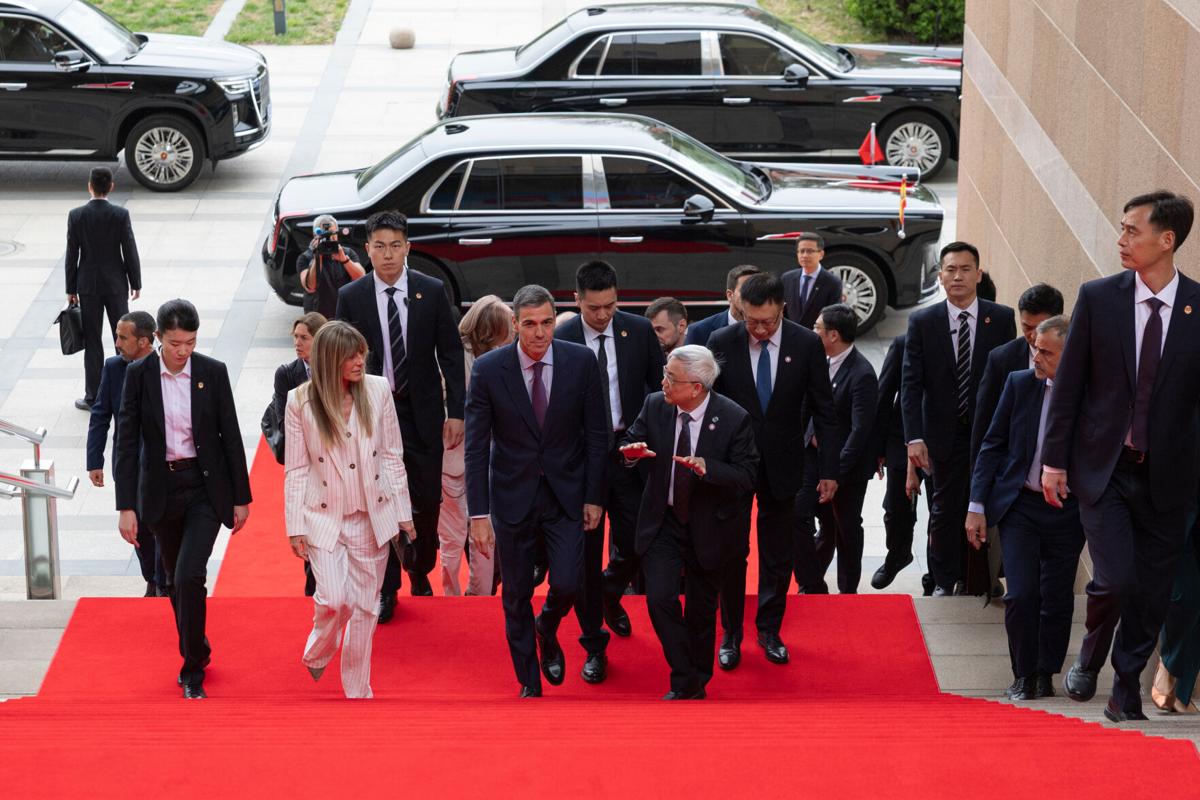
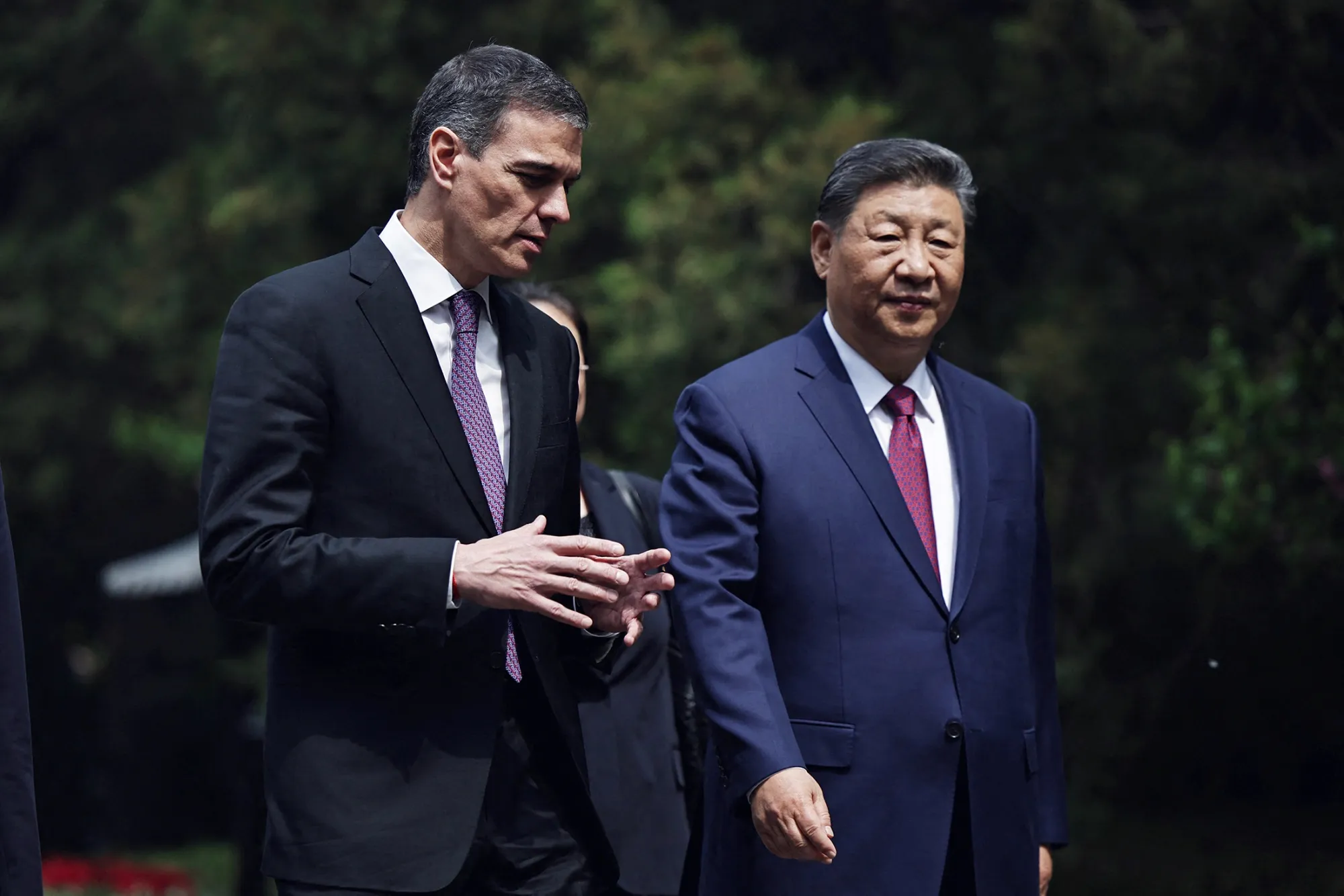
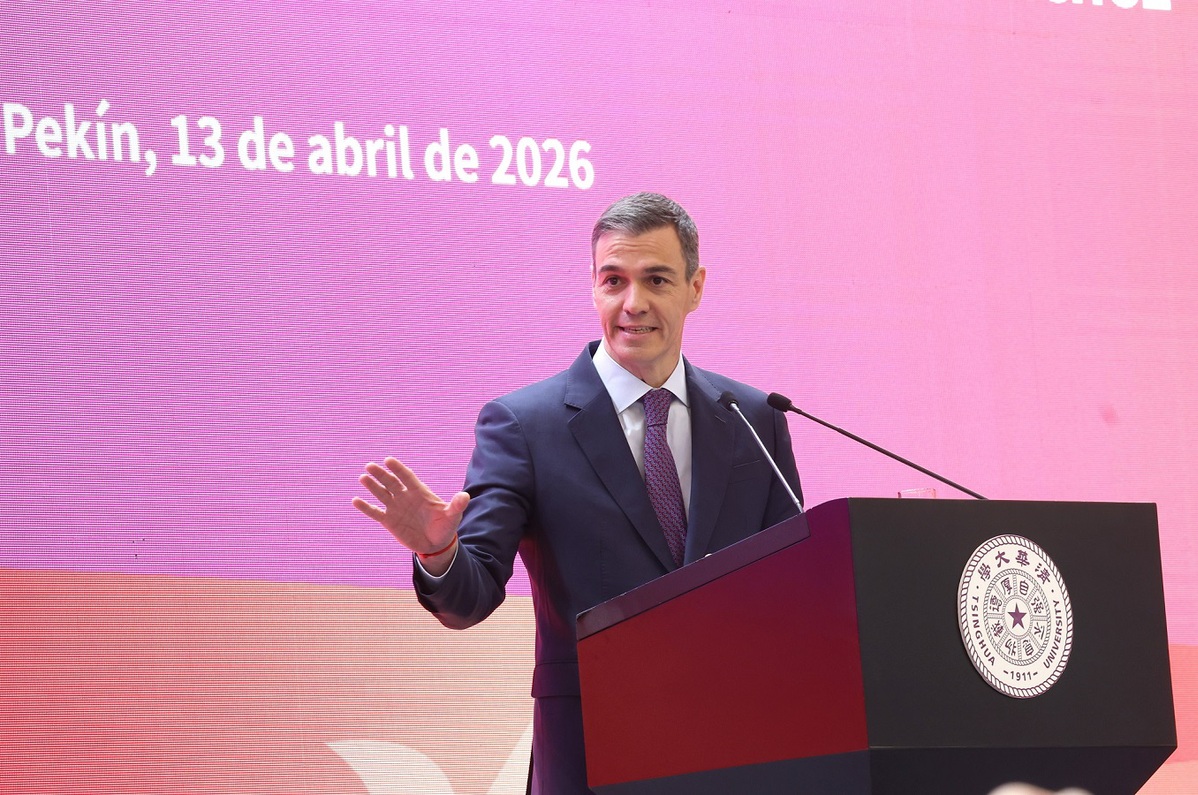
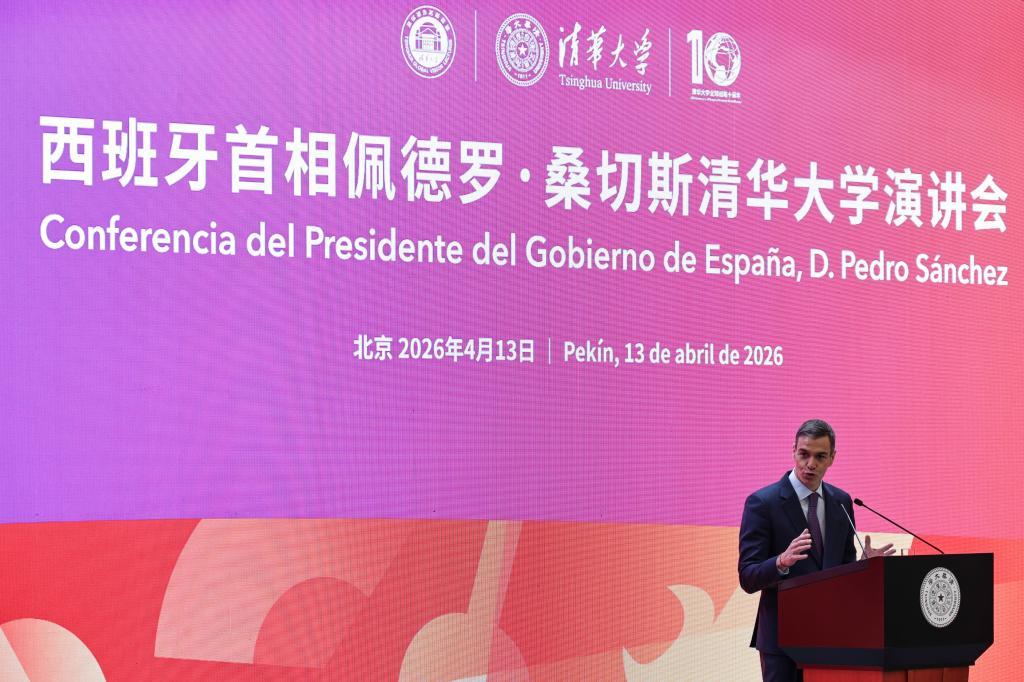
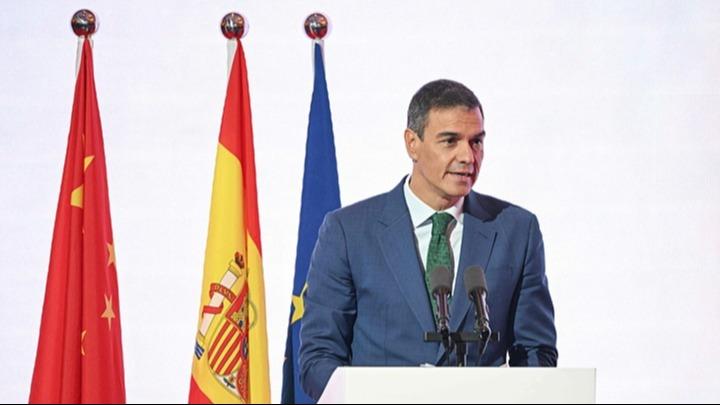
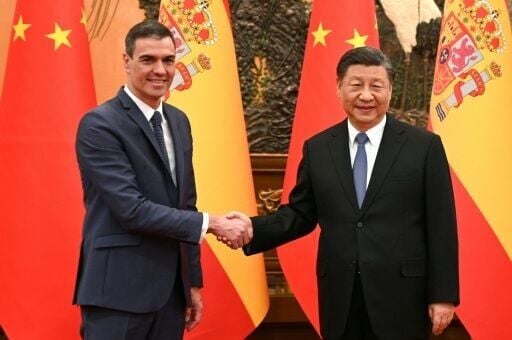
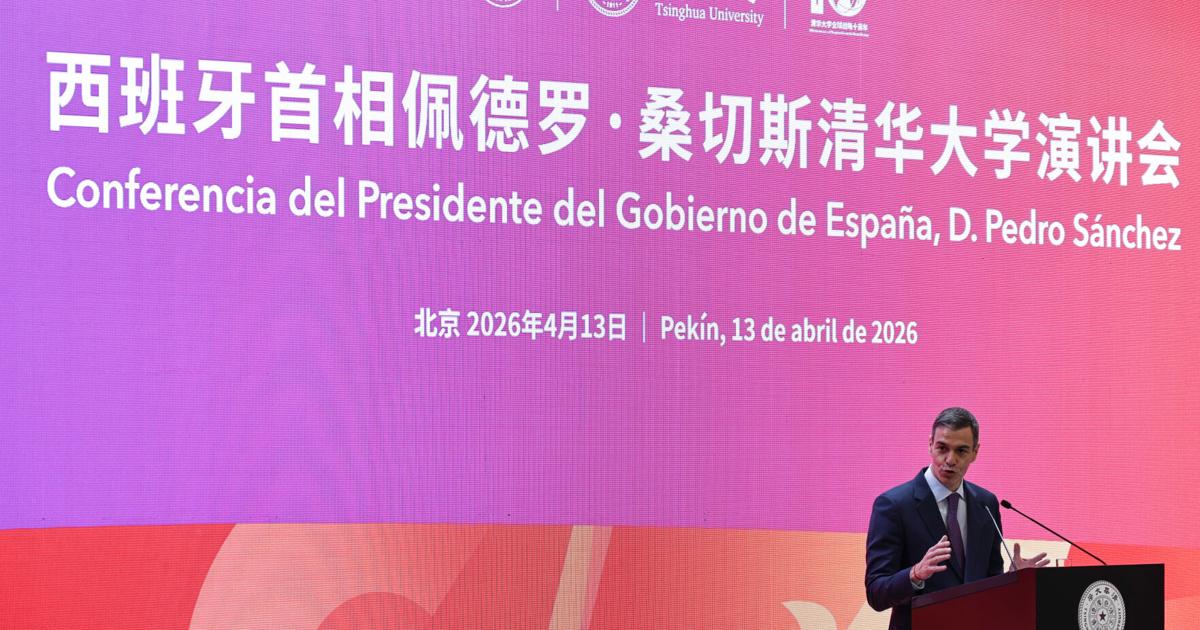
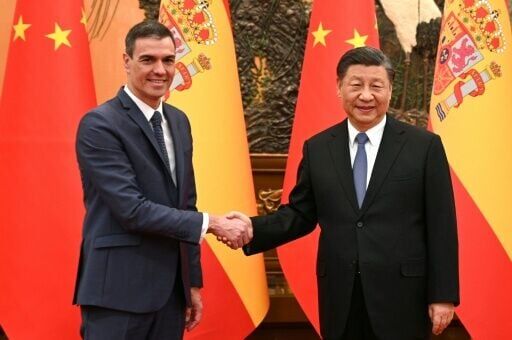
Spain's strategic positioning as a "friendly" EU gateway to China represents a critical tariff arbitrage opportunity for cross-border sellers. Prime Minister Sánchez's fourth visit in four years, culminating in April 2026 meetings with Xi Jinping, signals accelerating market access negotiations that directly impact product categories and tariff structures. The Spanish government achieved a 6.8% export increase in 2025 following Beijing's agreement to expand access for pork and cherries—demonstrating that bilateral negotiations are successfully reducing non-tariff barriers and tariff rates on specific agricultural and industrial goods.
The core opportunity: Spain's €50 billion trade deficit with China (nearly doubled over four years) creates urgency for Chinese negotiators to accept more European imports. This imbalance gives Spanish and EU sellers unprecedented leverage to negotiate tariff reductions on agricultural products (HS codes 0201-0210 for meat, 0808 for fruit), processed foods, and industrial goods. The 18% year-over-year increase in Spain's deficit demonstrates China's insatiable demand for food products—a category where Spain ranks among Europe's top producers. For cross-border sellers, this means tariff rates on Spanish agricultural exports to China are likely to decline 5-15% over the next 12-24 months as Beijing seeks to rebalance trade flows.
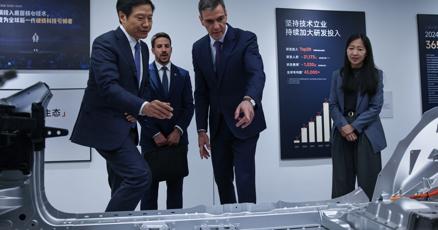
Competitive advantage shifts: Sellers sourcing from Spain or exporting Spanish products gain first-mover advantage before tariff reductions extend to other EU nations. China views Spain as "relatively friendly" and "less confrontational" than Germany or France, making Spanish-origin products eligible for preferential treatment in negotiations. The technology sector joint ventures mentioned (Xiaomi headquarters visits) signal potential tariff reductions on electronics and components sourced through Spanish distribution hubs. Additionally, Spain's position as a gateway to Latin America and North Africa creates multi-market arbitrage opportunities—sellers can leverage Spanish tariff reductions to establish regional distribution centers serving three continents simultaneously.
Timing window: The April 2026 Xi Jinping meeting represents a critical decision point. Formal tariff schedule changes typically take 60-90 days to implement after bilateral agreements. Sellers should monitor Spanish government trade announcements for specific HS codes receiving tariff reductions by June 2026. The broader geopolitical context—Western leaders (Britain, Canada, Germany, Finland) seeking closer Beijing ties amid Trump tariff threats—suggests China will accelerate market access concessions to lock in favorable relationships before potential US trade wars escalate. This creates a 6-12 month window before tariff benefits become widely available and competition intensifies.
Questions 8
How should sellers monitor Spain-China tariff negotiations for implementation deadlines?
Monitor three key information sources: (1) Spanish Ministry of Trade (Ministerio de Industria, Comercio y Turismo) announcements for bilateral trade agreement details; (2) Chinese Customs Tariff Commission (CCTC) official tariff schedule updates; (3) EU Trade Commissioner statements on Spain-China negotiations. The April 2026 Xi Jinping meeting is the critical decision point—expect formal tariff schedule announcements within 30 days. Tariff implementation typically occurs 60-90 days after bilateral agreement finalization. Set calendar alerts for June 2026 to monitor tariff schedule changes. Subscribe to Spanish government trade ministry email alerts and Chinese Customs official channels for real-time implementation notifications.
How do Spain's tariff negotiations with China create opportunities for EU cross-border sellers?
Spain's successful 6.8% export growth in 2025 following Beijing's market access agreements demonstrates that bilateral negotiations are reducing tariff rates on specific product categories. The €50 billion trade deficit creates leverage for Spanish negotiators to secure preferential tariff treatment on agricultural products (pork, cherries, fruit) and industrial goods. EU sellers can capitalize by sourcing through Spanish distribution hubs or establishing Spanish-origin supply chains before tariff reductions extend to other EU nations. The April 2026 Xi Jinping meeting likely triggers formal tariff schedule changes within 60-90 days, creating a narrow window for first-mover advantage before competition increases.