





Middle East Conflict Escalation | Supply Chain Risk & Logistics Disruption for Cross-Border Sellers
- Regional instability threatens shipping routes, increases insurance costs 8-15%, and creates inventory planning challenges for sellers serving Middle East and Mediterranean markets



























Overview
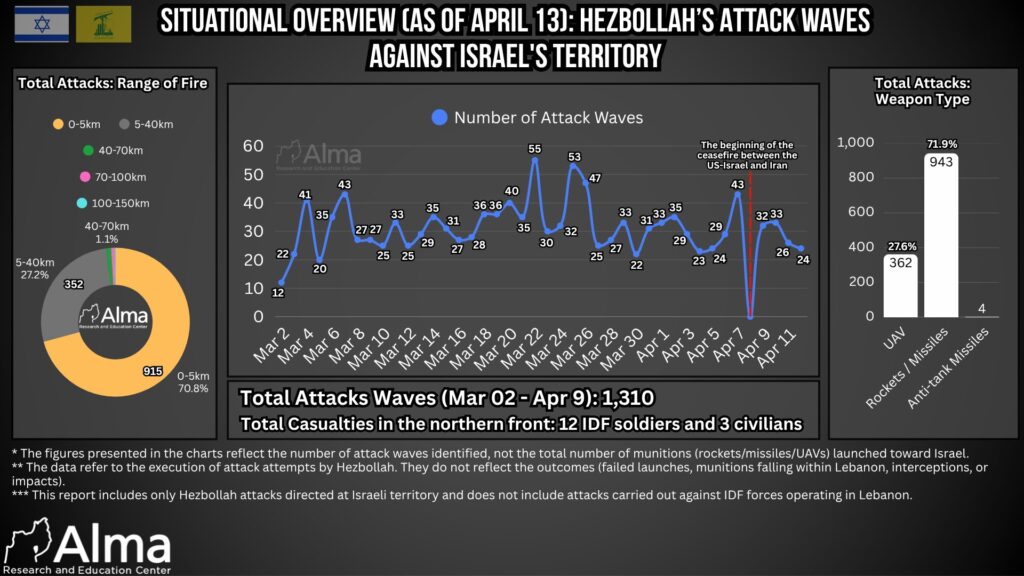
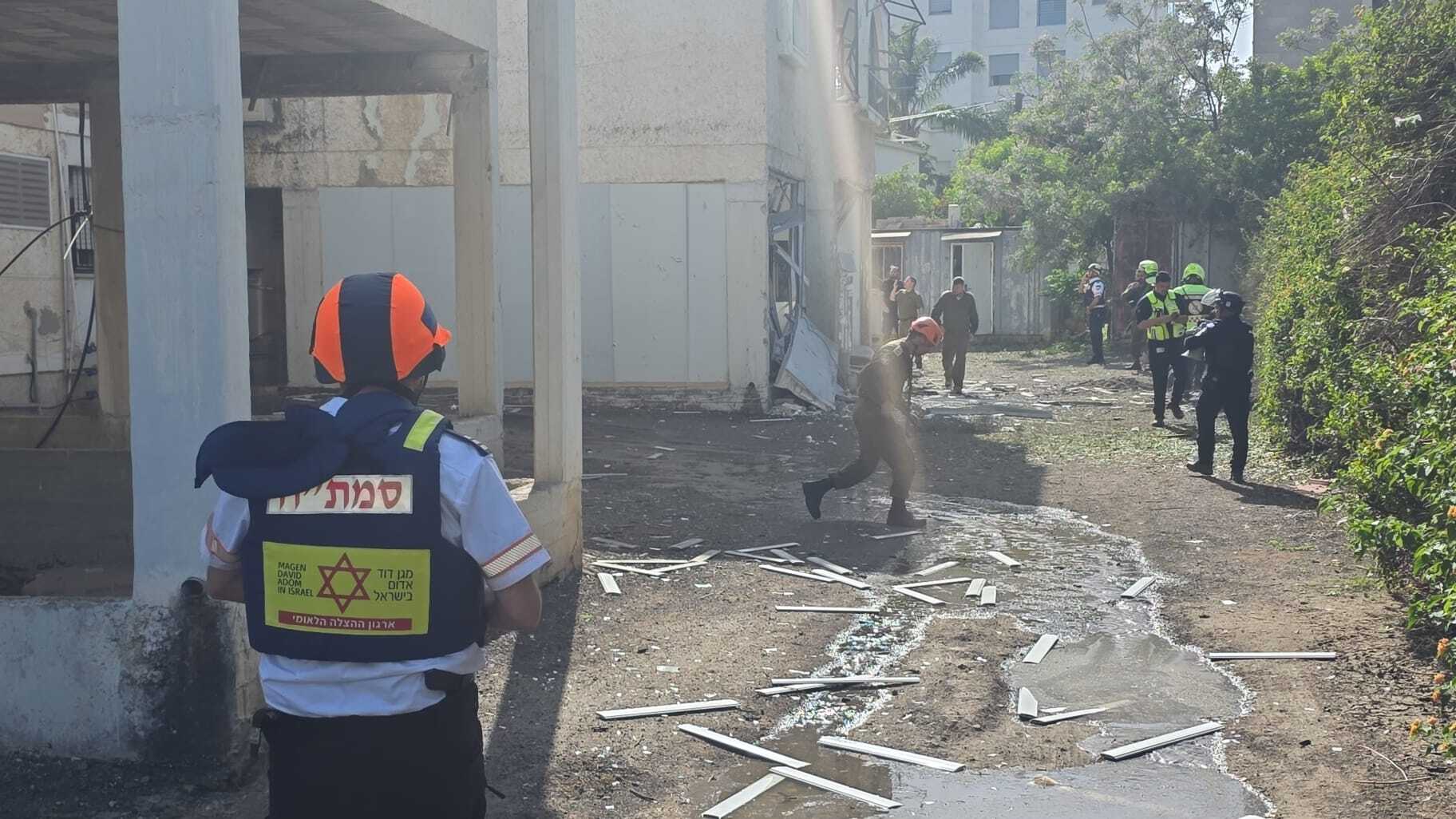
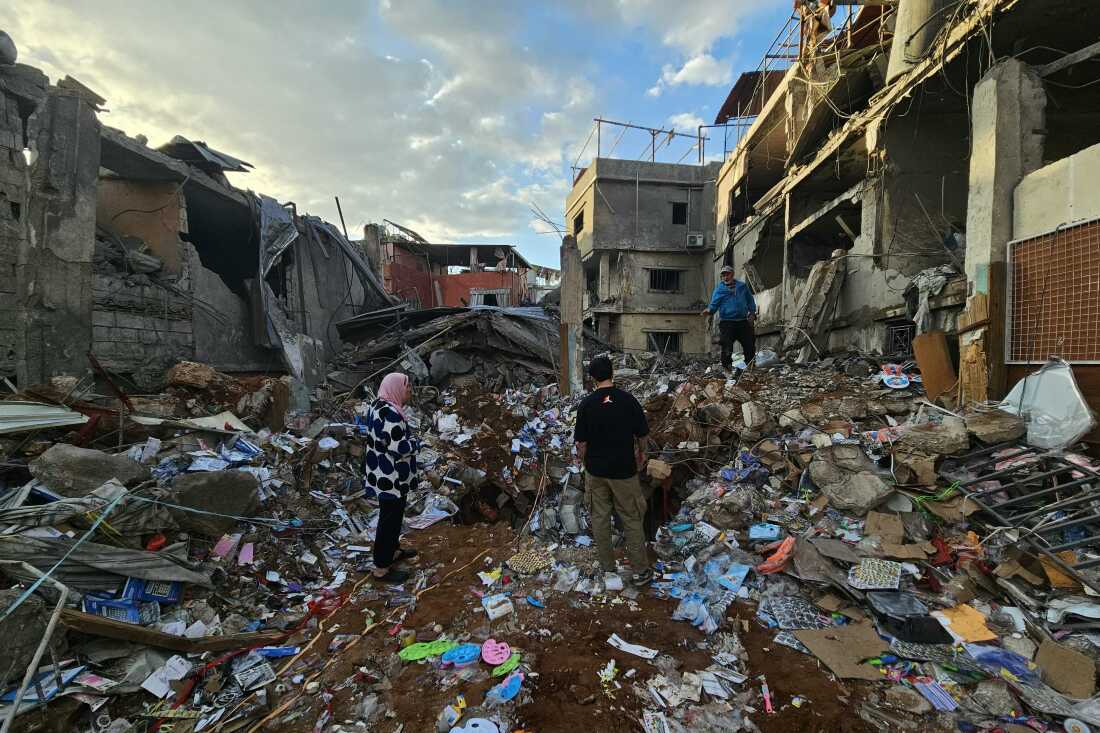
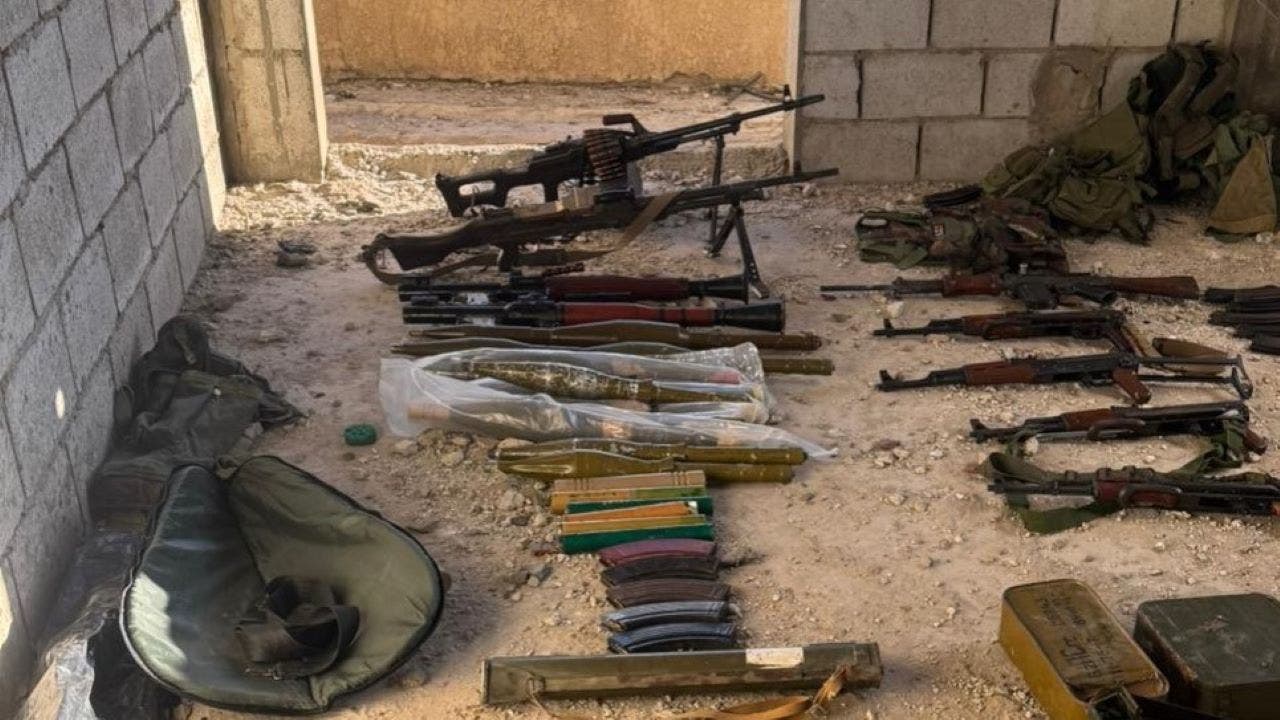
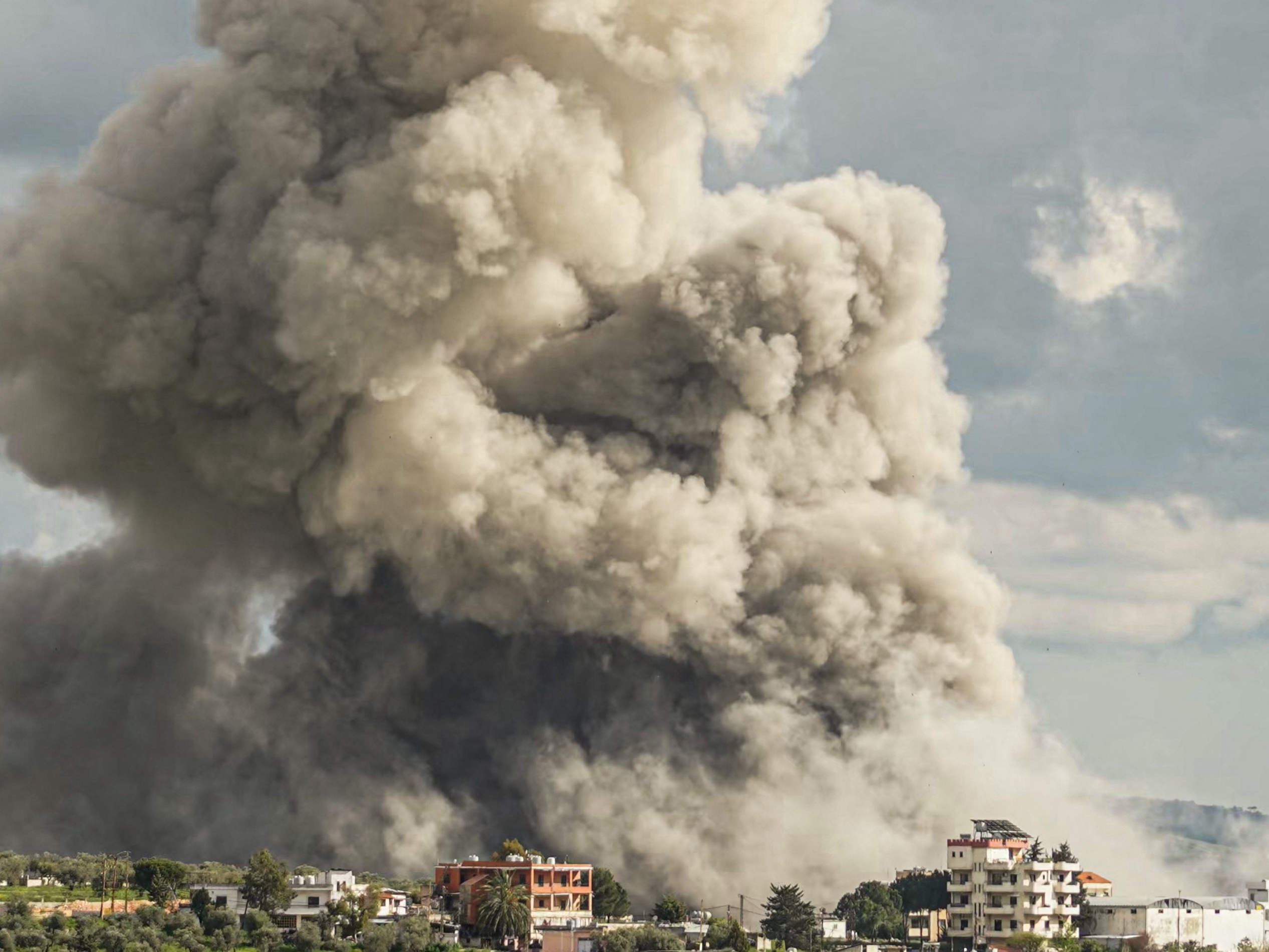
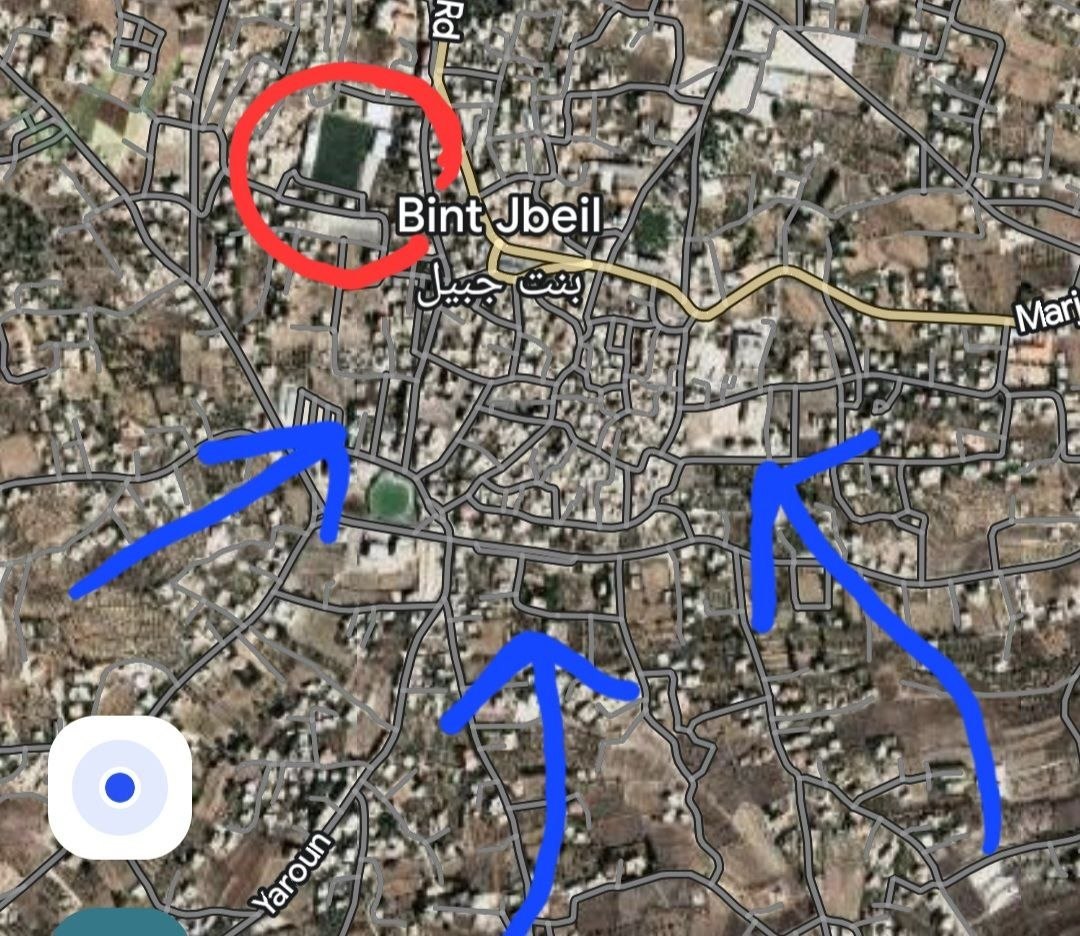
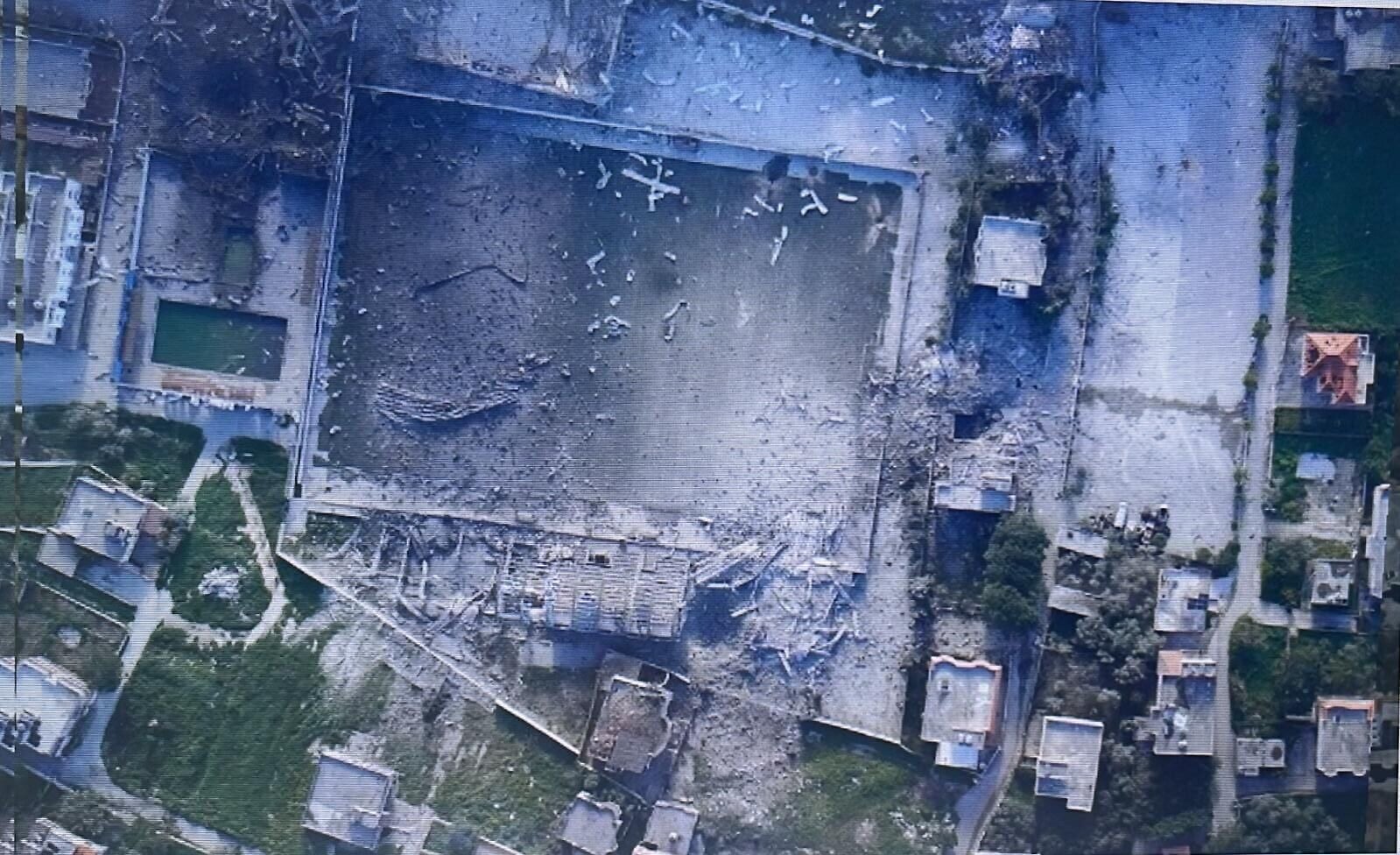
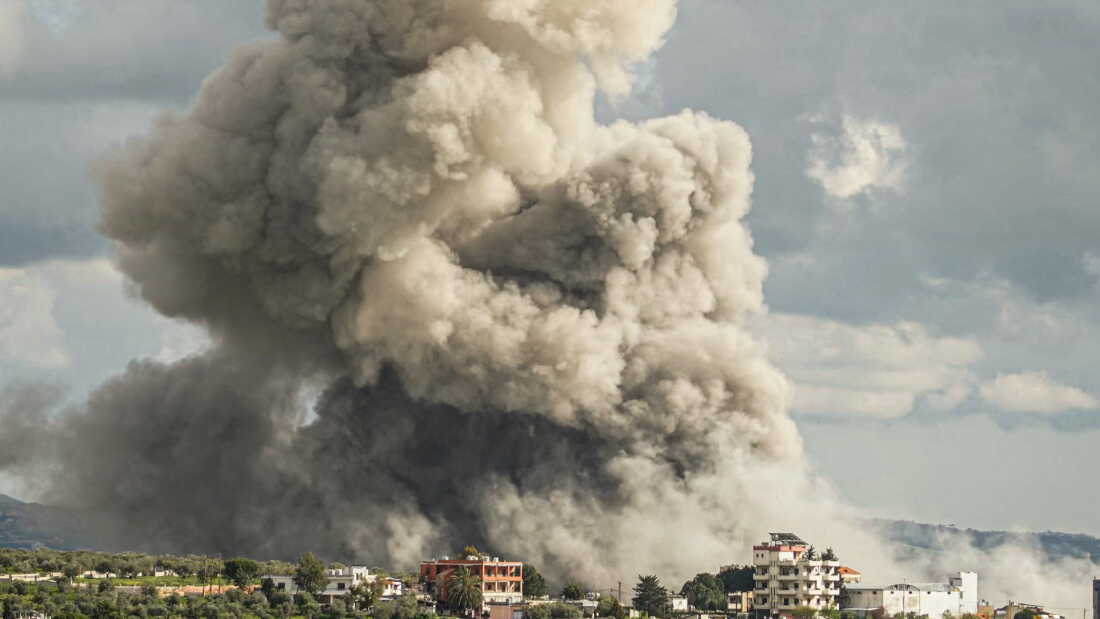
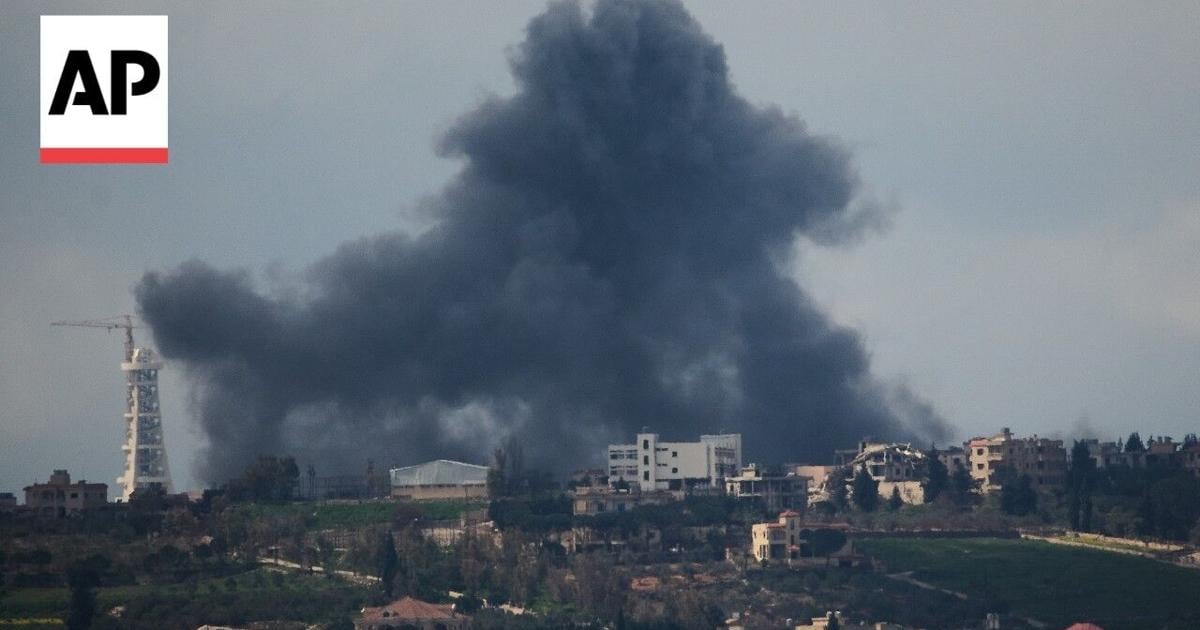
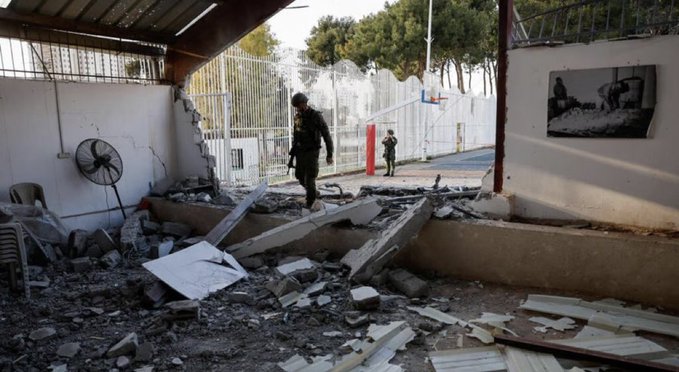
The escalating military conflict in Lebanon between Israeli Defense Forces and Hezbollah, including operations near the strategic town of Bint Jbeil and ongoing combat engagements, represents a critical supply chain risk factor for cross-border e-commerce sellers operating in or shipping through the Eastern Mediterranean region. While the news summaries focus on military operations, the underlying geopolitical instability has direct implications for sellers managing international logistics, inventory positioning, and market access in affected regions.
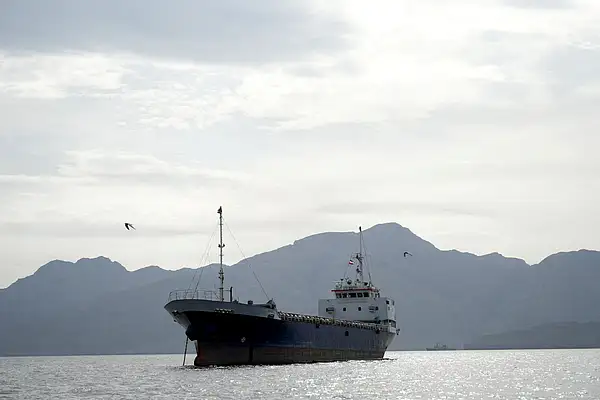
Supply Chain and Logistics Impact: Regional conflicts directly affect shipping routes, port operations, and logistics costs. The Eastern Mediterranean serves as a critical corridor for goods moving between Europe, Asia, and the Middle East. Escalating military operations increase insurance premiums for maritime shipping (typically 8-15% surcharges during regional instability), delay customs clearance at affected ports, and create uncertainty in delivery timelines. Sellers relying on Mediterranean shipping routes—particularly those serving Turkish, Egyptian, or Gulf markets—face increased operational costs and potential inventory bottlenecks. The conflict also impacts air freight through regional airspace restrictions and airport capacity constraints.
Market Access and Regional Demand Shifts: Geopolitical instability creates consumer behavior changes in affected markets. During periods of regional tension, consumer spending patterns shift toward essential goods and away from discretionary purchases. Sellers targeting Middle Eastern markets (a $45-50B e-commerce opportunity) must adjust inventory mix, reduce exposure to high-value electronics, and increase focus on essential categories. Lebanon specifically represents a $2-3B e-commerce market with significant cross-border purchasing activity; conflict-driven economic uncertainty reduces consumer confidence and purchasing power, directly impacting seller revenue in this segment.
Operational Continuity and Risk Management: Sellers with fulfillment operations, suppliers, or customer bases in conflict-affected regions face business continuity challenges. Insurance costs rise, payment processing becomes more complex due to sanctions and banking restrictions, and inventory held in regional warehouses becomes at-risk. Sellers must evaluate alternative fulfillment routes, diversify supplier bases away from conflict zones, and implement contingency logistics plans. The unpredictability of regional conflicts creates planning challenges for Q4 holiday season inventory positioning and spring product launches that depend on Mediterranean shipping windows.
Currency and Payment System Volatility: Regional instability typically triggers currency fluctuations in affected economies. Lebanese pound volatility, potential banking system disruptions, and payment processing delays create financial risk for sellers accepting regional payments or maintaining regional inventory investments. Cross-border sellers must implement hedging strategies, adjust pricing for currency risk, and consider alternative payment methods that bypass traditional banking channels in unstable regions.
Questions 8
What logistics alternatives exist when Mediterranean shipping routes become risky?
Sellers can reroute shipments through alternative corridors: (1) Red Sea routes via Suez Canal (longer, higher insurance but operational), (2) European hub consolidation with regional distribution partners, (3) Air freight for high-value/time-sensitive goods (30-40% cost premium), (4) Land routes through Turkey and overland distribution. For sellers serving Gulf markets, direct routing from Asia through Indian Ocean and Arabian Sea avoids Mediterranean entirely. Evaluate 3PL providers with multi-route capabilities (DHL, Maersk, Kuehne+Nagel) that can dynamically adjust routing based on regional risk. Cost comparison: Mediterranean standard $2,000-3,000 per container vs. alternative routes $2,500-4,500; air freight $8-12 per kg. Decision point: Establish alternative logistics partnerships within 2-3 weeks.
How should sellers monitor geopolitical risk to protect e-commerce operations?
Implement a geopolitical risk monitoring system tracking: (1) Regional conflict escalation indicators (military operations, diplomatic statements), (2) Shipping route status updates from logistics providers, (3) Insurance premium changes and availability, (4) Currency volatility in target markets, (5) Payment processor alerts for sanctions/restrictions. Subscribe to logistics provider alerts (Maersk, DHL geopolitical updates), monitor OFAC sanctions lists weekly, track regional news from Reuters/AP for shipping corridor impacts, and maintain relationships with 2-3 alternative 3PL providers. Establish internal escalation procedures: yellow alert at 15% insurance increase, red alert at route closures or payment processing restrictions. Review risk dashboard weekly during periods of regional instability; quarterly during stable periods.