


Strait of Hormuz Blockade Enforcement Gaps | Critical Supply Chain Disruption for Cross-Border Sellers
- U.S. naval blockade creates 15-25% shipping cost increases and extended transit times for Persian Gulf sourcing; enforcement vulnerabilities signal ongoing supply chain unpredictability through 2026












Overview
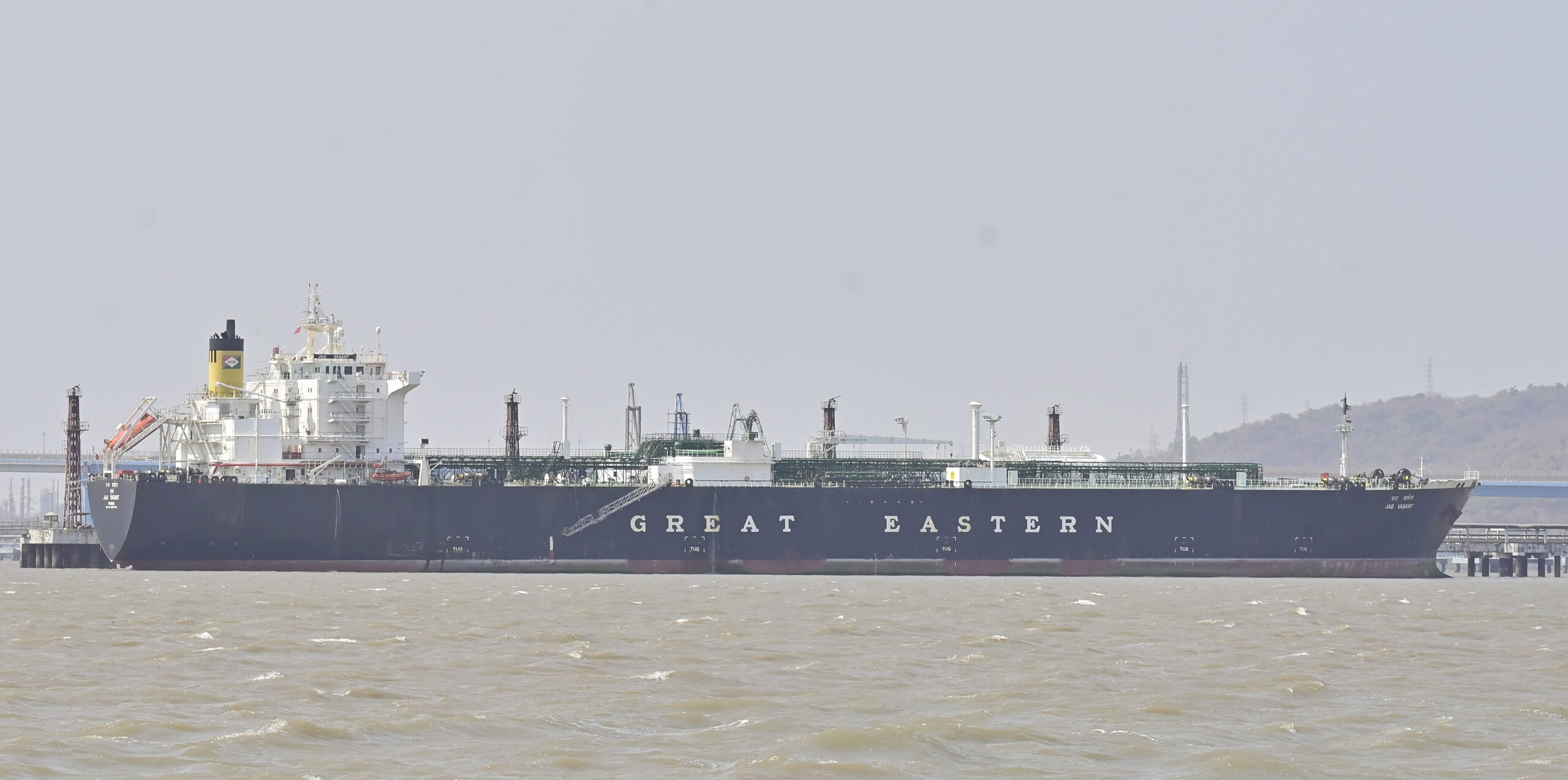
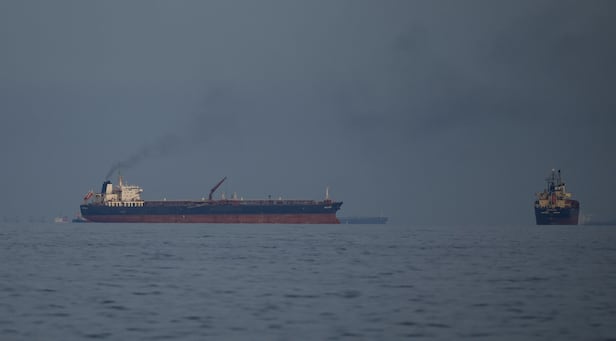
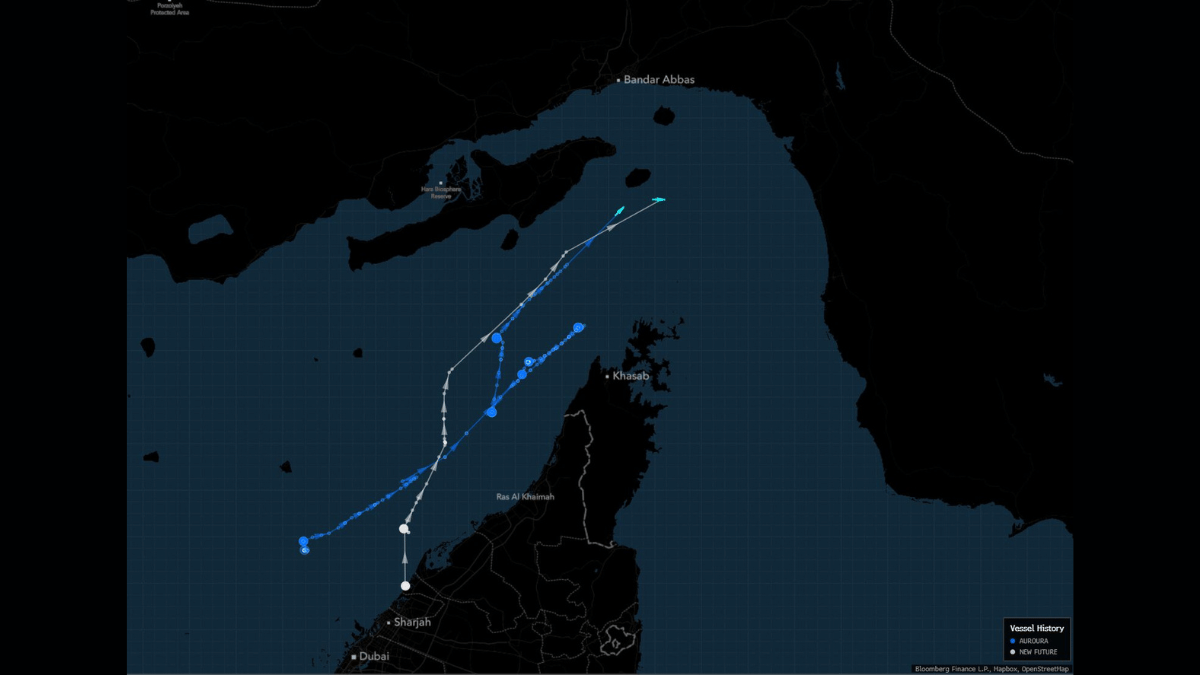
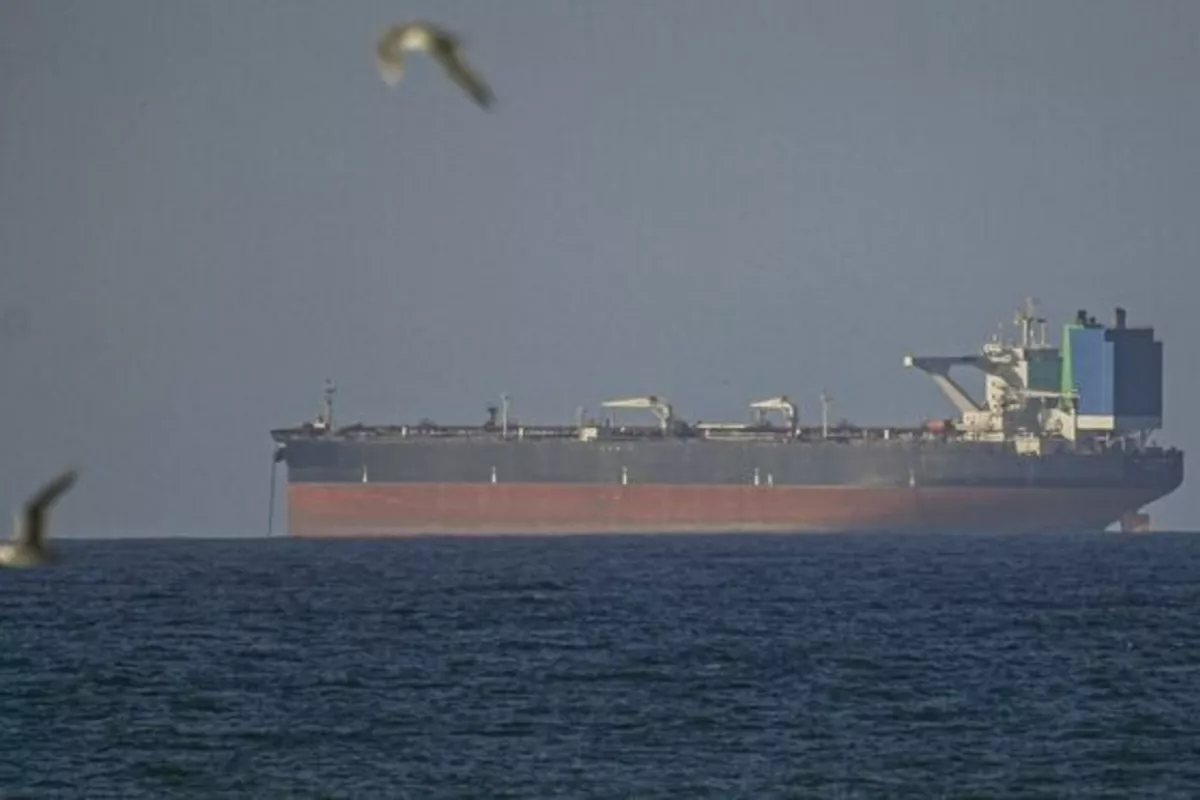
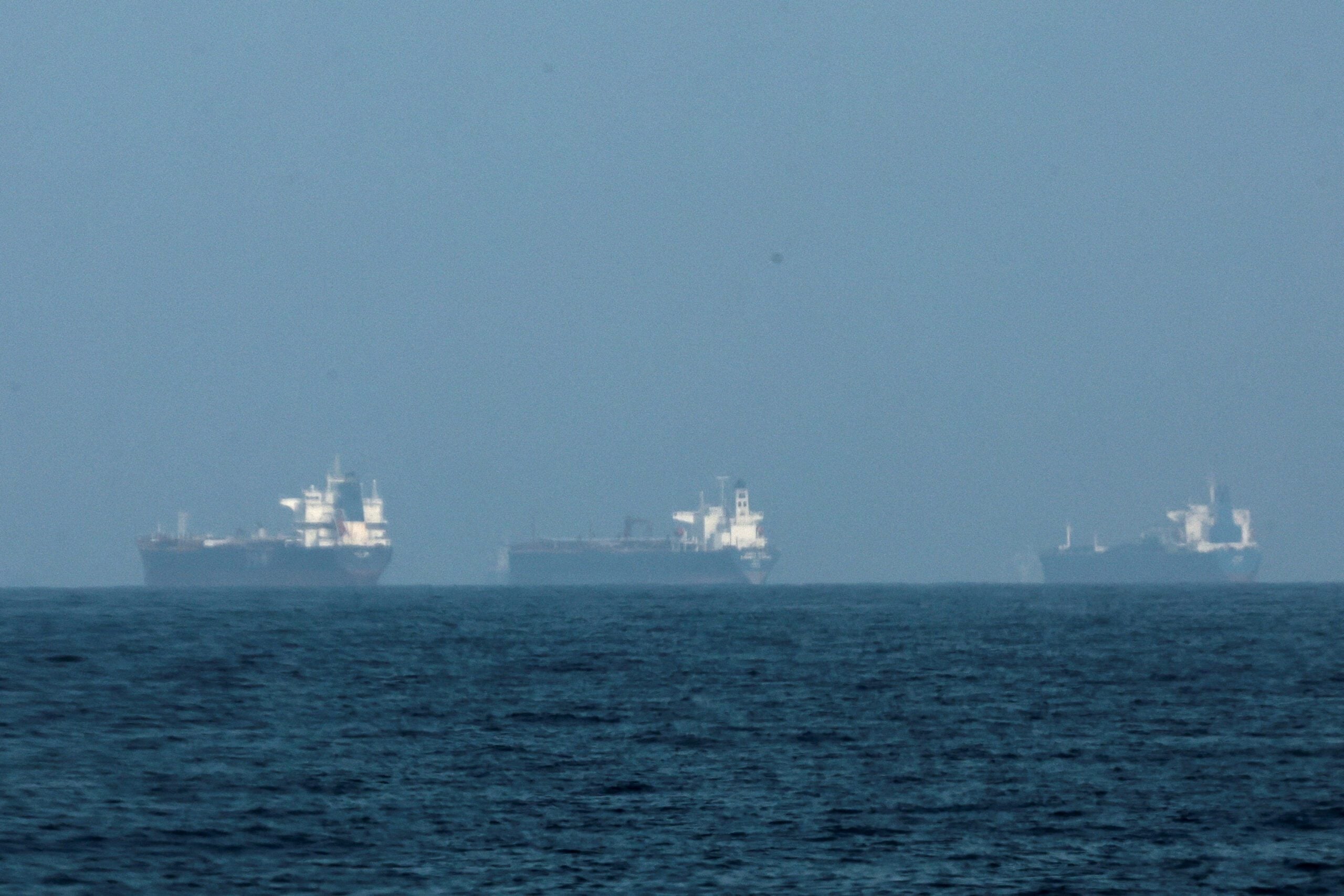
The U.S. naval blockade of Iranian port shipments, enforced from April 13, 2026, creates immediate supply chain disruptions for cross-border e-commerce sellers sourcing petrochemical products, chemicals, and specialty goods from the Persian Gulf region. According to Kpler shipping data, despite sharp declines in overall Strait of Hormuz traffic following February 2026 military strikes, Iran-linked vessels maintained near-pre-conflict transit rates at 2.2 million barrels per day through mid-April—compared to 2.0 million barrels daily before the conflict. This paradox reveals critical enforcement vulnerabilities: the Panama-flagged tanker Auroura and Marshall Islands-flagged New Future successfully exited the Persian Gulf hours before blockade enforcement, while the US-sanctioned Chinese tanker Rich Starry (Shanghai Xuanrun Shipping Co Ltd) later became the first sanctioned vessel to successfully transit despite American naval presence, carrying 250,000 barrels of methanol from UAE's Hamriyah port.
For sellers dependent on Persian Gulf sourcing corridors, this blockade creates three immediate operational challenges. First, shipping costs are rising 15-25% as logistics providers navigate enforcement uncertainty, insurance premiums spike for high-risk routes, and transit times extend from standard 25-30 days to 35-45 days through alternative routing. Sellers sourcing Iranian naphtha, gas oil, methanol, or petrochemical derivatives face acute supply constraints and price volatility—the blockade directly impacts HS codes 2710 (petroleum oils), 2711 (natural gas), and 2901-2915 (organic chemicals). Second, sanctions compliance risk has intensified: sellers using transshipment strategies through UAE intermediaries (Hamriyah port is a known transshipment hub) face heightened OFAC violation exposure, with penalties reaching $250,000+ per violation. Third, the demonstrated enforcement gaps—sanctioned vessels successfully transiting despite U.S. naval presence—signal that blockade effectiveness remains uncertain, creating unpredictable supply chain conditions through mid-2026.
The strategic opportunity window exists for sellers to pivot sourcing before enforcement tightens. Sellers currently dependent on Iran-linked suppliers should immediately diversify to non-sanctioned Persian Gulf sources (Saudi Arabia, UAE direct operations, Oman) or alternative regions (India, Southeast Asia for chemical derivatives). The successful transits by Iran-linked operators using flag changes and Chinese crew operations demonstrate that circumvention strategies exist but carry escalating legal risk. Sellers should monitor Kpler and MarineTraffic data for real-time shipping corridor changes, establish compliance review protocols with freight forwarders by May 2026, and consider 20-30% inventory buffer increases for critical petrochemical inputs. The blockade's apparent enforcement gaps may prompt enhanced U.S. policy measures within 60-90 days, creating a narrow window for supply chain repositioning before stricter enforcement mechanisms activate.
Questions 7
Which product categories are most vulnerable to Persian Gulf supply chain disruptions from the blockade?
Petrochemical derivatives and chemical products are most vulnerable, particularly HS codes 2710 (petroleum oils), 2711 (natural gas), 2901-2915 (organic chemicals), and 2917-2920 (specialty chemicals). The blockade directly impacts sellers sourcing Iranian naphtha, gas oil, methanol, and chemical feedstocks. Sellers in these categories should immediately diversify sourcing to India, Southeast Asia, or non-sanctioned Persian Gulf suppliers. Alternative sourcing from India's chemical sector can reduce sanctions exposure while maintaining cost competitiveness. Establish backup suppliers by June 2026 to avoid inventory stockouts during the 35-45 day extended transit window.
What does the successful transit of the sanctioned Chinese tanker Rich Starry reveal about blockade enforcement effectiveness?
The Rich Starry's successful transit (carrying 250,000 barrels of methanol from Hamriyah) demonstrates critical enforcement gaps in the U.S. naval blockade. Despite being sanctioned for Iran business, the vessel operated with a Chinese crew and successfully navigated the Strait of Hormuz, becoming the first sanctioned vessel to exit since blockade commencement. This signals that circumvention strategies using flag changes and non-U.S. crew operations remain viable but carry escalating legal risk. Sellers should NOT attempt similar circumvention tactics; instead, pivot to compliant sourcing immediately. The enforcement gap may close within 60-90 days as the U.S. implements enhanced measures, creating urgency for supply chain repositioning before stricter enforcement activates.