


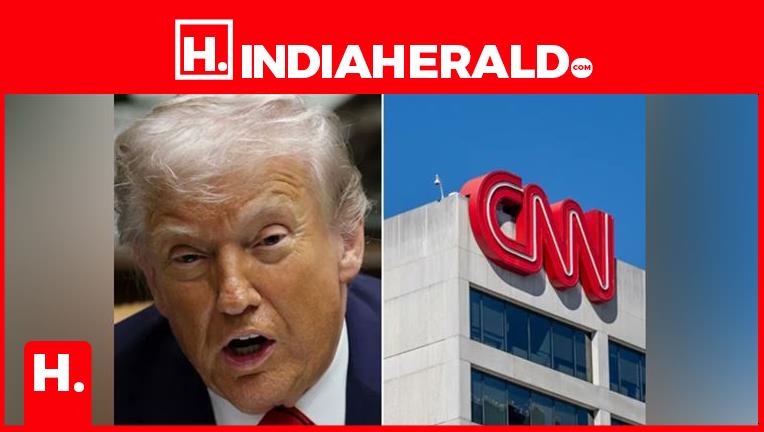

Media Merger Mayhem: Trump's CNN Crusade Reshapes Broadcast Battleground
- Political Interference Meets Corporate Strategy in High-Stakes Media Acquisition Showdown
















Overview
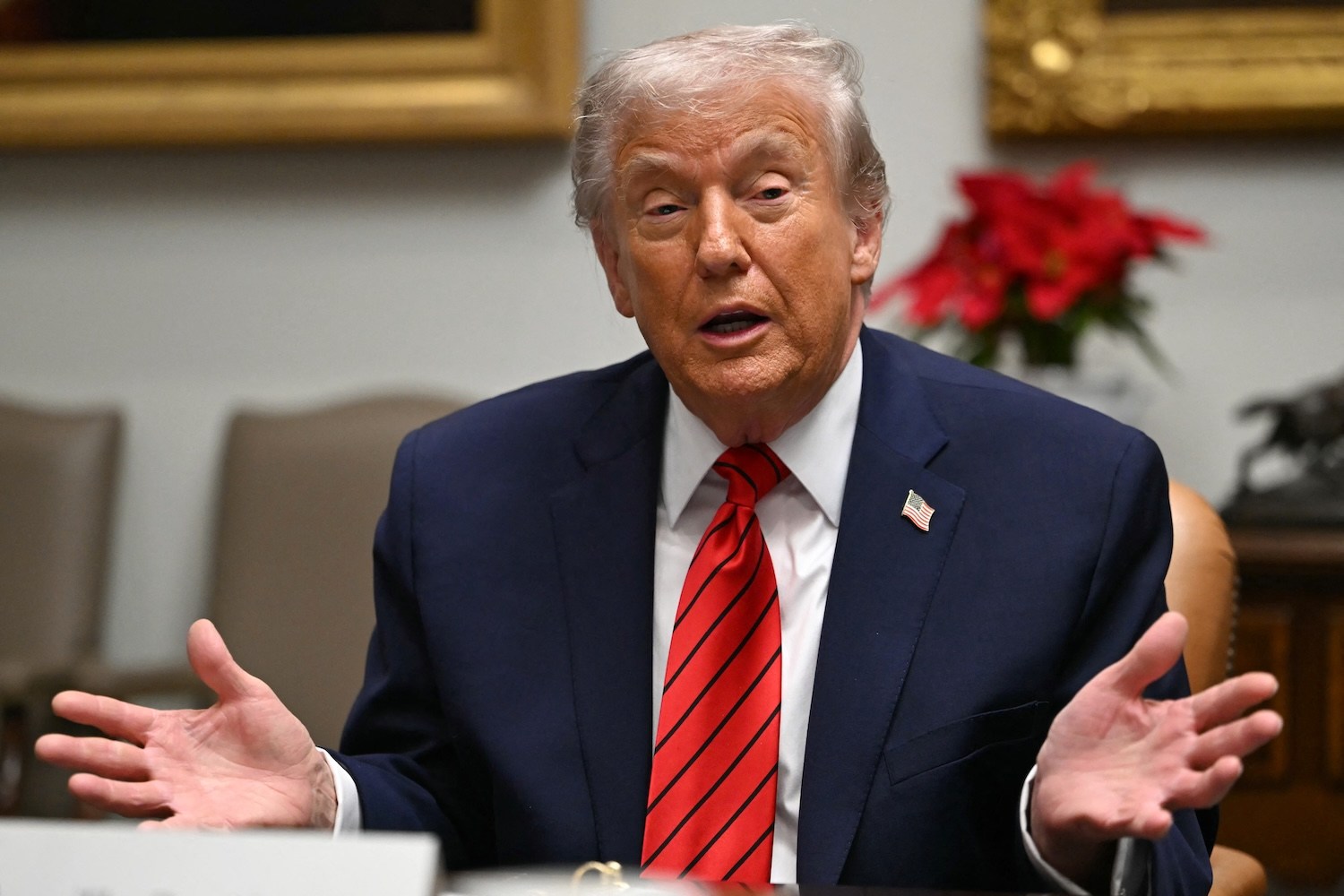
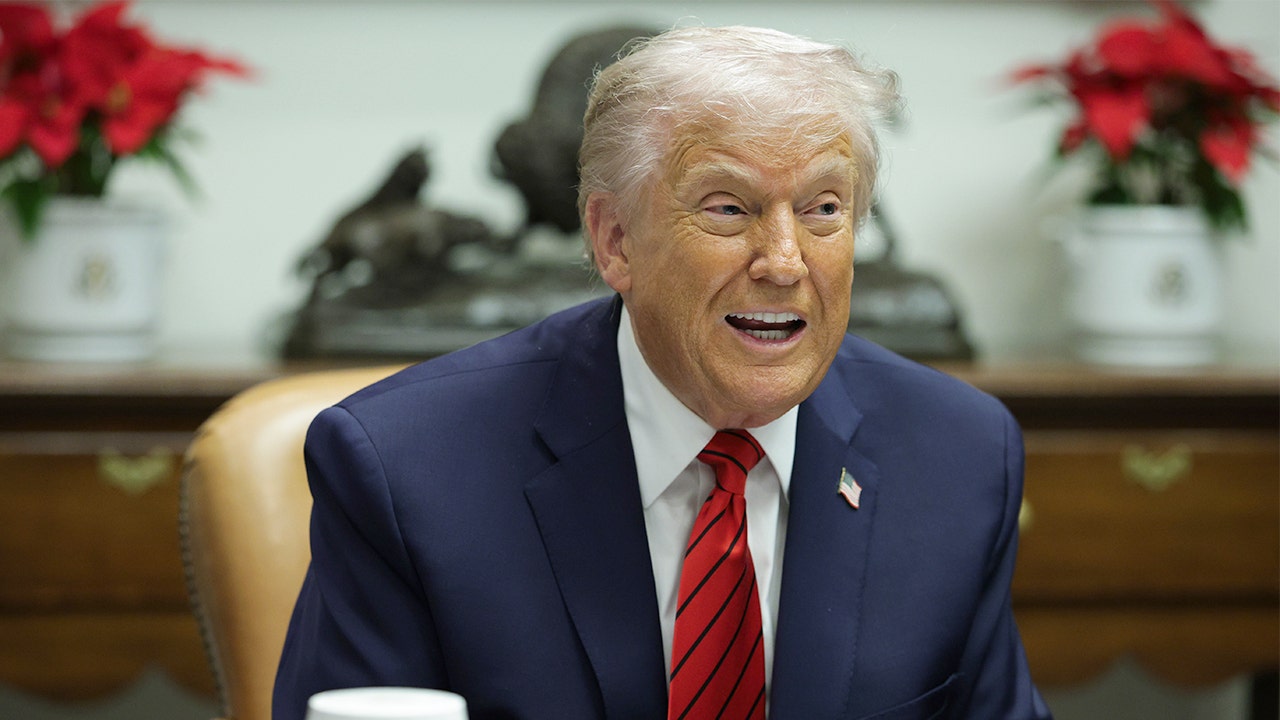
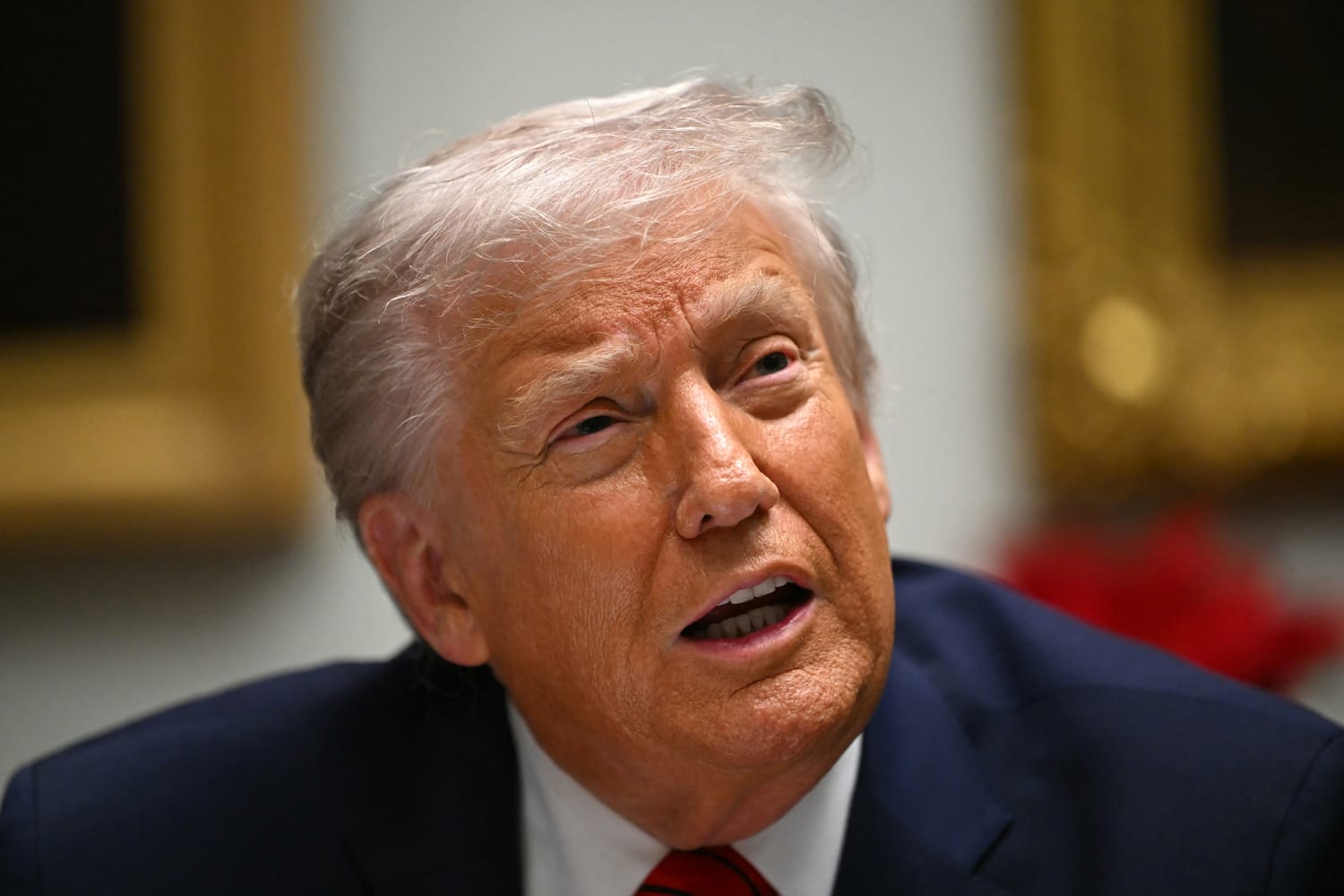
The ongoing media acquisition landscape is experiencing a seismic shift, with former President Donald Trump directly influencing potential corporate transactions involving CNN. At the heart of this complex narrative lies a strategic chess match between multiple media powerhouses—Netflix, Paramount, and Warner Bros. Discovery—each maneuvering to control critical media assets.
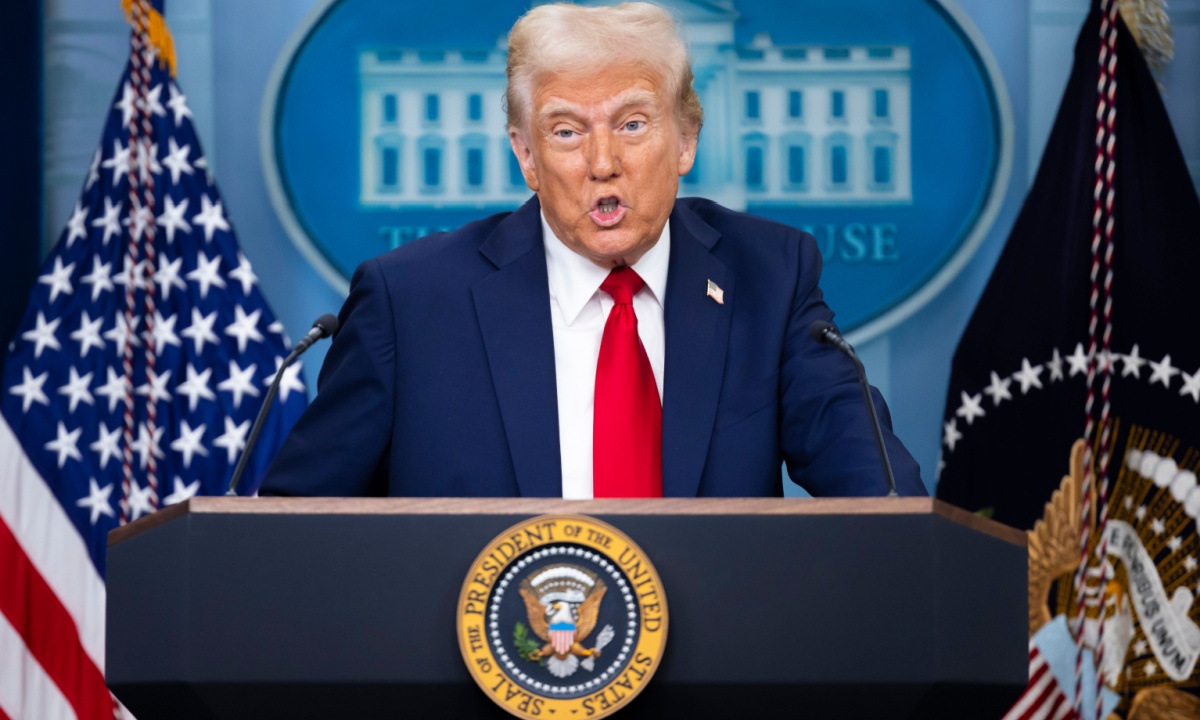
Trump's intervention represents more than political commentary; it's a calculated attempt to reshape media ownership dynamics. By publicly advocating for CNN's sale, he's inserting political pressure into what would traditionally be a purely corporate negotiation. The strategic positioning is nuanced: David Ellison of Paramount has craftily positioned himself by simultaneously donating to Biden's campaign while building connections with Trump's inner circle, demonstrating the intricate political-corporate crossroads.
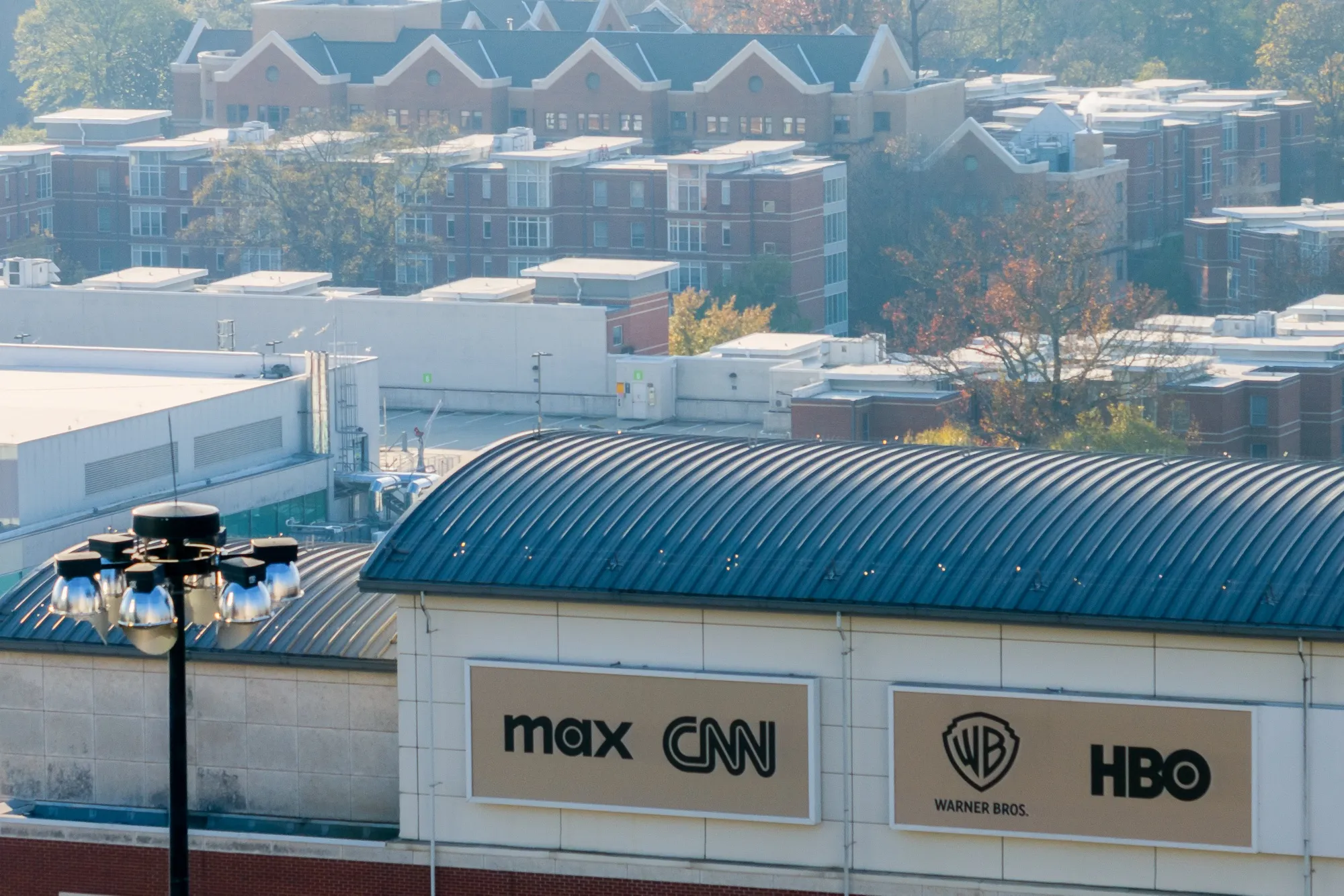
The potential media merger involves multiple complex layers. Netflix has already signed a deal to acquire Warner Bros. and HBO, strategically excluding the news network. Paramount, led by Ellison, is the sole bidder attempting to purchase the entire Warner Bros. Discovery, including CNN. This maneuver is generating significant antitrust concerns among both Democrats and Republicans, highlighting the potential market concentration risks.
Key strategic indicators suggest this is more than a simple corporate transaction. Jared Kushner's investment firm is involved in Paramount's acquisition financing, while Ellison—son of Trump ally Larry Ellison—has reportedly assured Trump administration officials about making substantial changes to CNN. These connections reveal a deeply interconnected media-political ecosystem where ownership changes can dramatically alter editorial landscapes.
The broader implications are profound. This potential acquisition signals a transformative moment in media ownership, where political perspectives directly influence corporate strategies. For media professionals and investors, the key takeaway is clear: the boundaries between political influence and corporate decision-making are increasingly blurred, creating unprecedented opportunities and risks in the broadcast ecosystem.
Questions 3
What are the potential regulatory challenges?
The proposed merger is generating significant antitrust concerns from both Democrats and Republicans. The potential market concentration and the involvement of politically connected figures like Jared Kushner could trigger intense regulatory scrutiny of the transaction.
Why is Donald Trump advocating for CNN's sale?
Trump believes CNN's current leadership is 'corrupt or incompetent', arguing they spread 'poison' and 'lies'. His intervention appears to be part of a long-standing critique of the network's editorial stance, seeking to influence its potential ownership and future direction.