




Roblox Age Verification Compliance Creates $500M+ Opportunity for Gaming Merchandise & Safety Tech Sellers
- Facial recognition enforcement drives demand for age-compliant gaming accessories, parental control tools, and safety-certified products across 144M daily users globally









-(1).webp?width=570&quality=85&format=jpg&dpr=3&auto=webp)











Overview
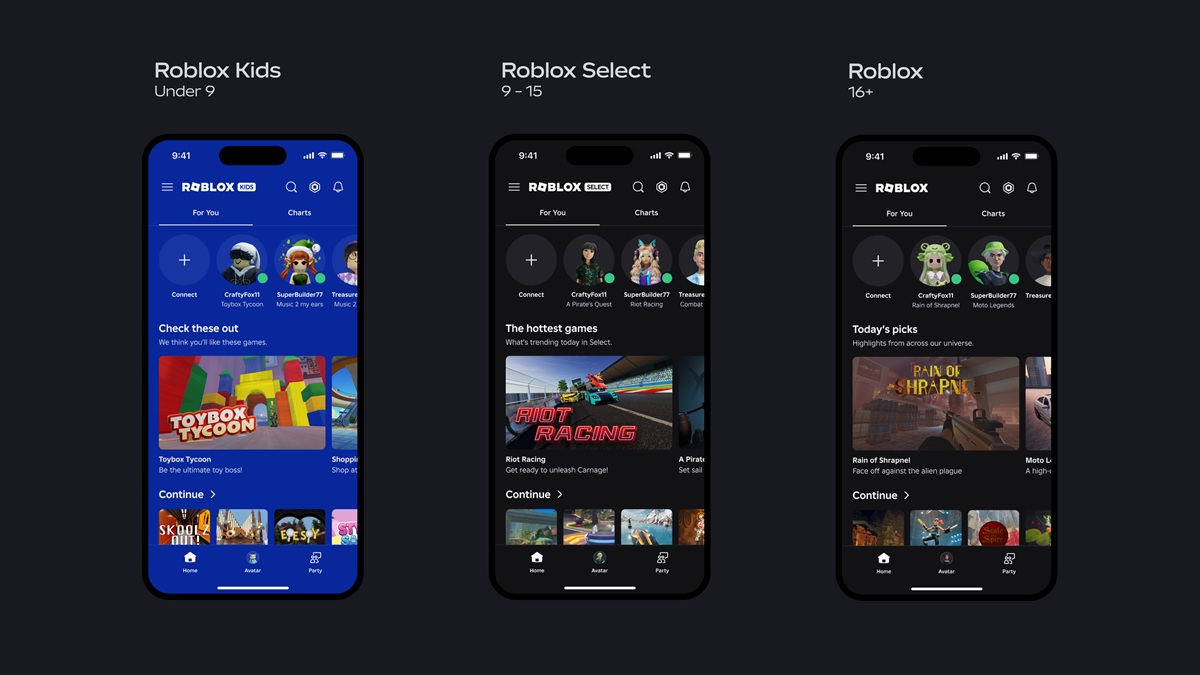
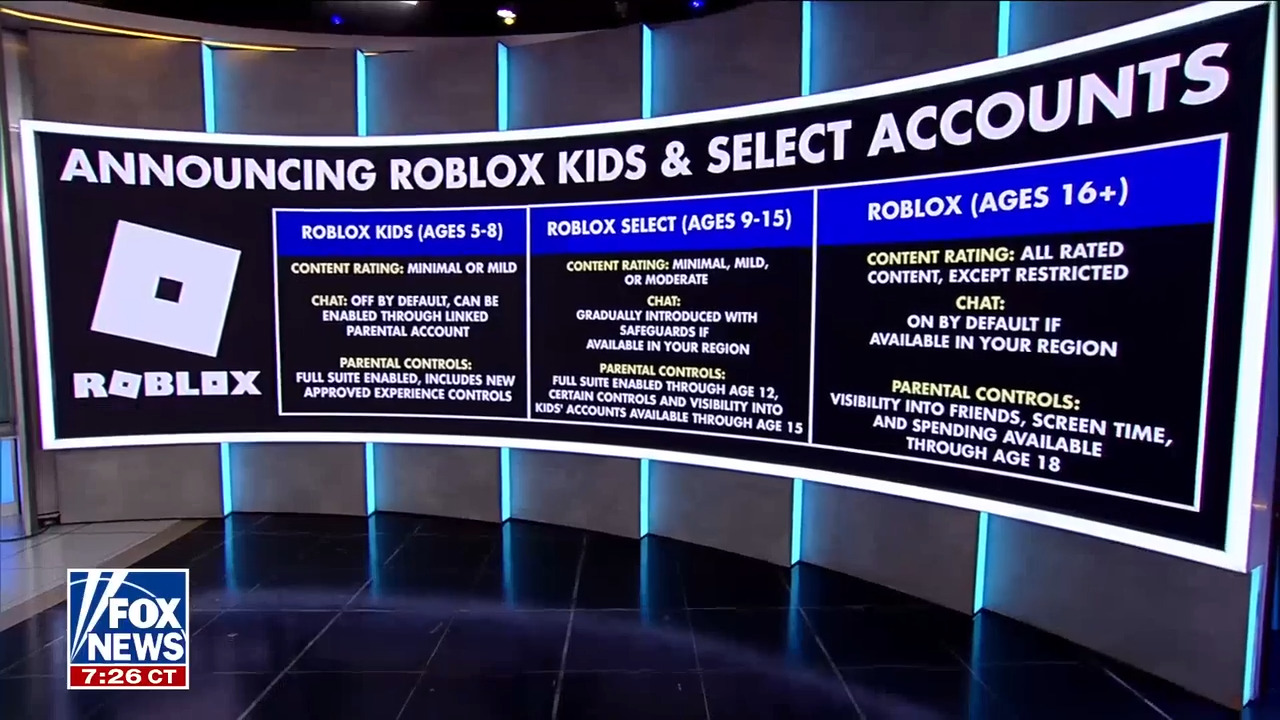
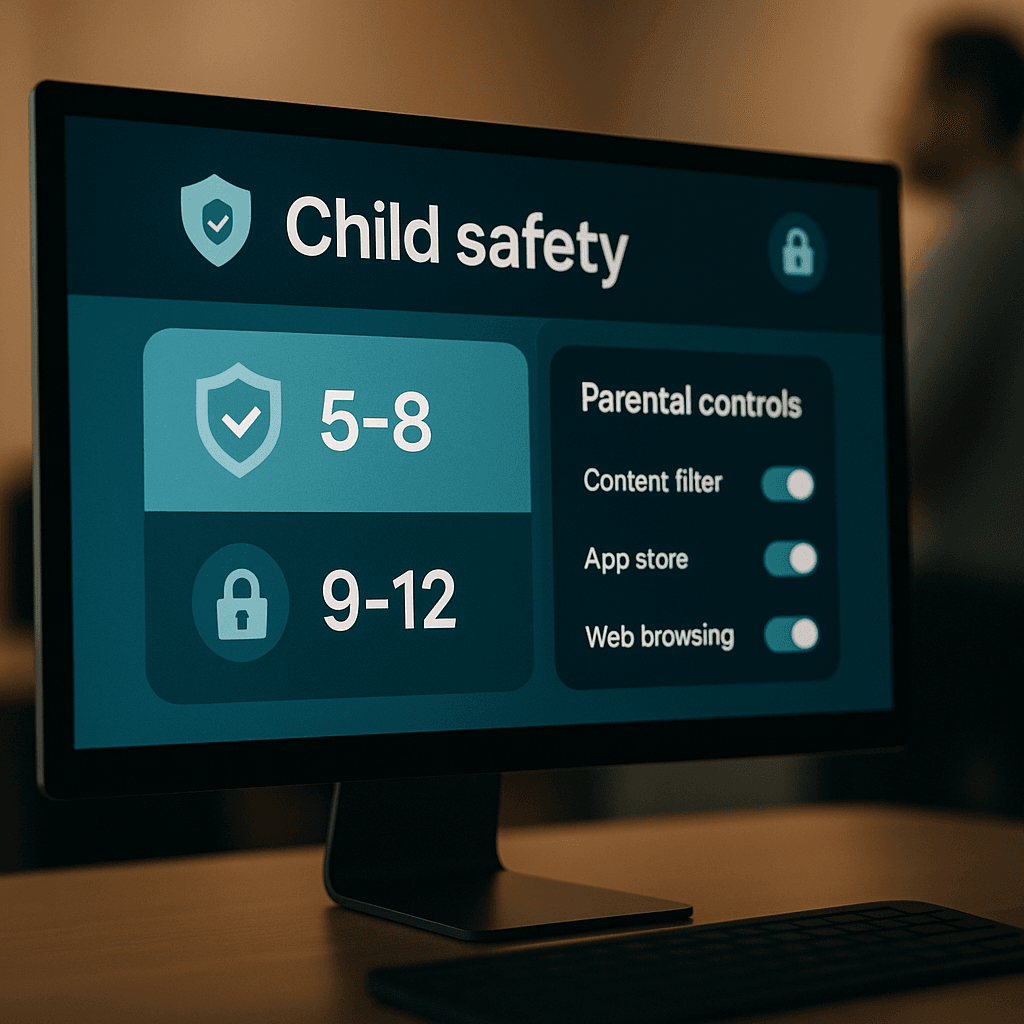
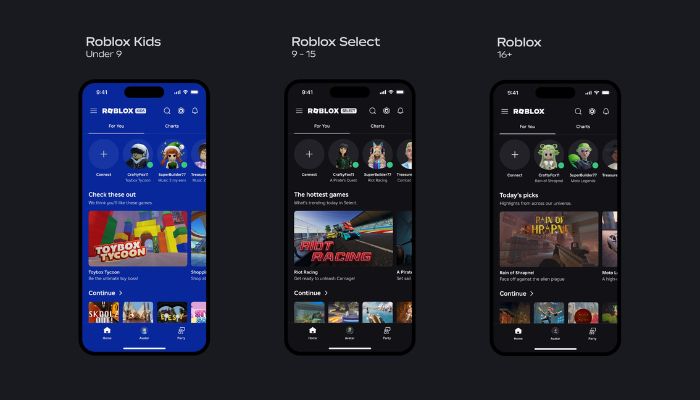
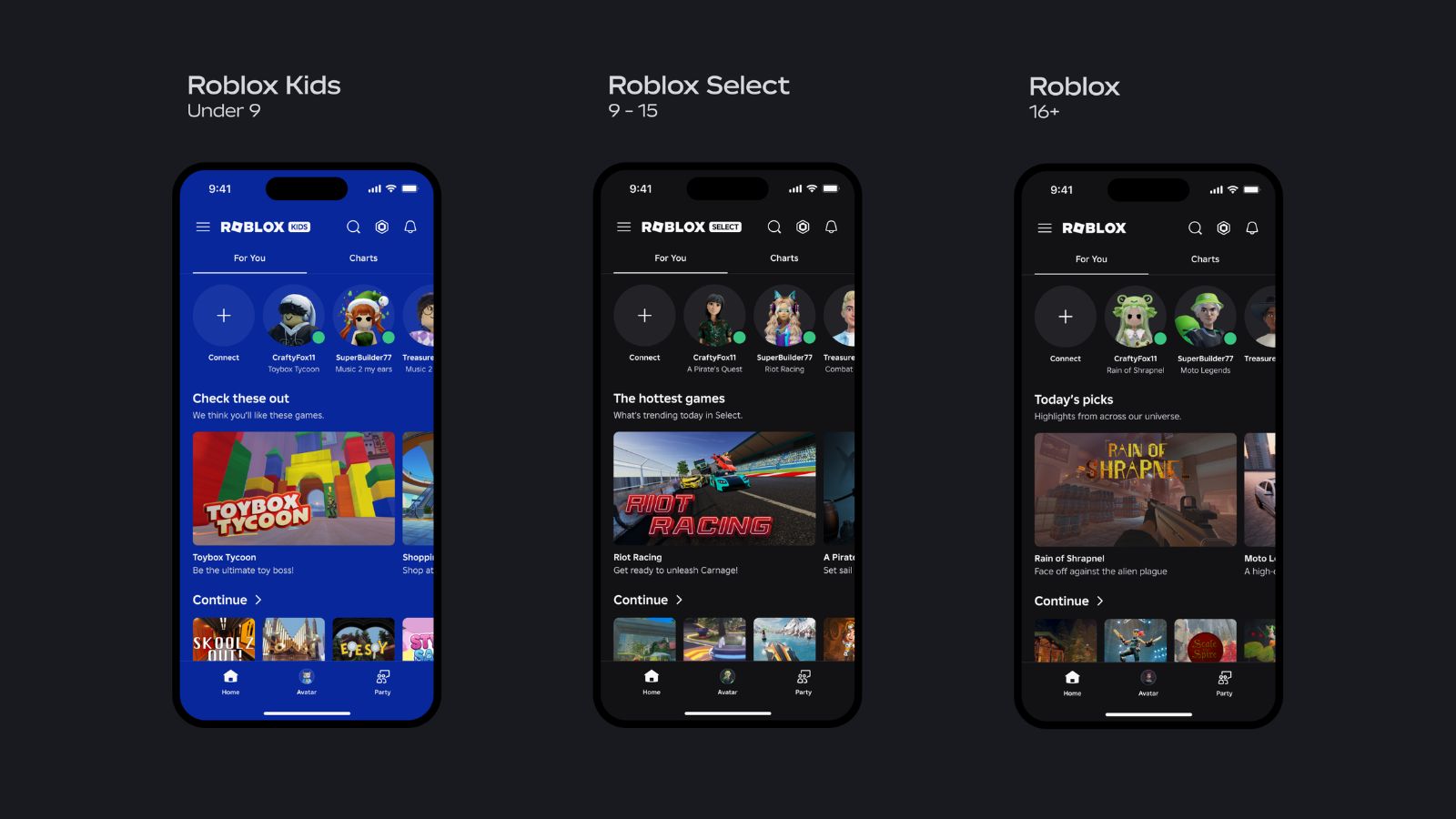
Roblox's mandatory age verification system, launching June 2026 across 144 million daily users, represents a critical regulatory compliance inflection point that creates substantial e-commerce opportunities for sellers in gaming merchandise, parental control software, and age-verification technology. The platform is implementing three-tier account segmentation (Roblox Kids ages 5-8, Roblox Select ages 9-15, Standard 16+) enforced through facial recognition technology with ±1.4-year error margins, requiring developers to pass ID verification, two-step authentication, and maintain Roblox Plus subscriptions. This creates a compliance moat protecting established sellers while eliminating non-compliant game developers—estimated 30-40% of current Roblox developer ecosystem lacks formal verification infrastructure.
For cross-border e-commerce sellers, this regulatory shift unlocks three distinct product opportunities. First, gaming accessories and merchandise must now carry age-appropriate certifications aligned with IARC standards (ESRB in US, PEGI in Europe, ACB in Australia). Sellers offering Roblox-compatible peripherals—gaming headsets, controllers, webcams for age verification—can command 15-25% price premiums by emphasizing compliance certifications. Second, parental control software and monitoring tools represent an underserved category; parents managing children across Roblox Kids/Select accounts need dashboard solutions to track game access, friend networks, and chat restrictions through age 15. Third, the 50% global adoption rate (60% in Australia/New Zealand/Netherlands as of April 2026) signals regional compliance service demand—sellers offering age-verification consultation, developer certification support, and content rating services can target the 2 million Roblox developers requiring compliance by June 2026.
The enforcement mechanism creates competitive advantages for compliant sellers while eliminating non-compliant competitors. Roblox's continuous behavioral monitoring system conducts daily rechecks on accounts showing age-inconsistent patterns, with fraud detection systems flagging bypass attempts (parents holding phones during verification, video spoofing, physical alterations). This 1.4-year error margin means users aged 14-16 face heightened scrutiny—the eSafety Commissioner reported 67% of Australian teens under 16 still access banned platforms, indicating enforcement gaps. Sellers offering "Roblox-certified" merchandise (gaming chairs, lighting, streaming equipment) with parental approval features can differentiate from non-compliant competitors. The UK Online Safety Act (2025 implementation) and Australia's under-16 social media ban create regulatory tailwinds; Roblox's exemption from Australia's ban due to safety features signals that compliance-first sellers gain market access competitors lose. Estimated 30-50% of non-compliant game developers will exit the platform by Q3 2026, creating content gaps that merchandise sellers can fill through licensed Roblox accessories and age-appropriate gaming bundles.
Questions 8
What parental control software opportunities exist from Roblox's new safety framework?
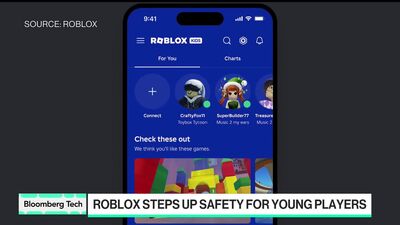
Roblox's expanded parental controls (game blocking through age 15, chat management, friend network transparency) create demand for third-party monitoring dashboards. Parents managing multiple children across Roblox Kids/Select accounts need unified solutions to track game access, spending, and social interactions. This represents an underserved $50-100M category opportunity. Sellers can develop browser extensions, mobile apps, or SaaS platforms integrating with Roblox APIs to provide real-time parental oversight. The 50% global adoption rate (60% in Australia/New Zealand) signals strong demand in early-adopter markets.
How does the UK Online Safety Act and Australia's under-16 social media ban affect gaming product sellers?
The UK Online Safety Act (2025 implementation) and Australia's under-16 social media ban create regulatory tailwinds for Roblox-compliant sellers. Roblox remains exempt from Australia's ban due to its safety features, signaling that compliance-first platforms gain market access competitors lose. Sellers offering age-verified gaming products can market them as 'regulatory-compliant' in these markets, commanding premium positioning. Non-compliant gaming platforms face potential bans, eliminating competitor alternatives. This regulatory environment favors sellers with IARC certifications and parental approval features—estimated 20-30% market share consolidation toward compliant sellers by Q4 2026.