




O'Hare Flight Caps Drive 12-18% Air Freight Cost Surge | Seller Logistics Shift
- FAA reduces daily flights from 3,000+ to 2,600-2,800; fuel surcharges spike 15-22%; TSA delays extend cargo processing 5-7 days









Overview
The FAA's unprecedented proactive intervention at Chicago's O'Hare International Airport—capping daily operations at 2,600-2,800 flights versus the current 3,000+ departures—creates a critical supply chain inflection point for cross-border e-commerce sellers relying on air freight. This regulatory action, driven by capacity stress concerns and competitive pressure between American Airlines and United Airlines, directly impacts the landed cost of time-sensitive inventory categories including perishables, seasonal goods, electronics, and apparel.
Immediate Cost Pressures: United Airlines CEO Scott Kirby warned that sustained high jet fuel prices (driven by Iran conflict geopolitical tensions) could add $11 billion in annual costs—exceeding United's best-year profit of less than $5 billion. With O'Hare handling 5.9 daily departures per gate in August (the highest among U.S. hub airports), the proposed 13-15% reduction in flight capacity will compress available cargo space and force airlines to consolidate routes. This translates to 12-18% increases in per-kilogram air freight rates for sellers shipping through Chicago, historically a primary gateway for Asian imports destined for U.S. e-commerce fulfillment centers.
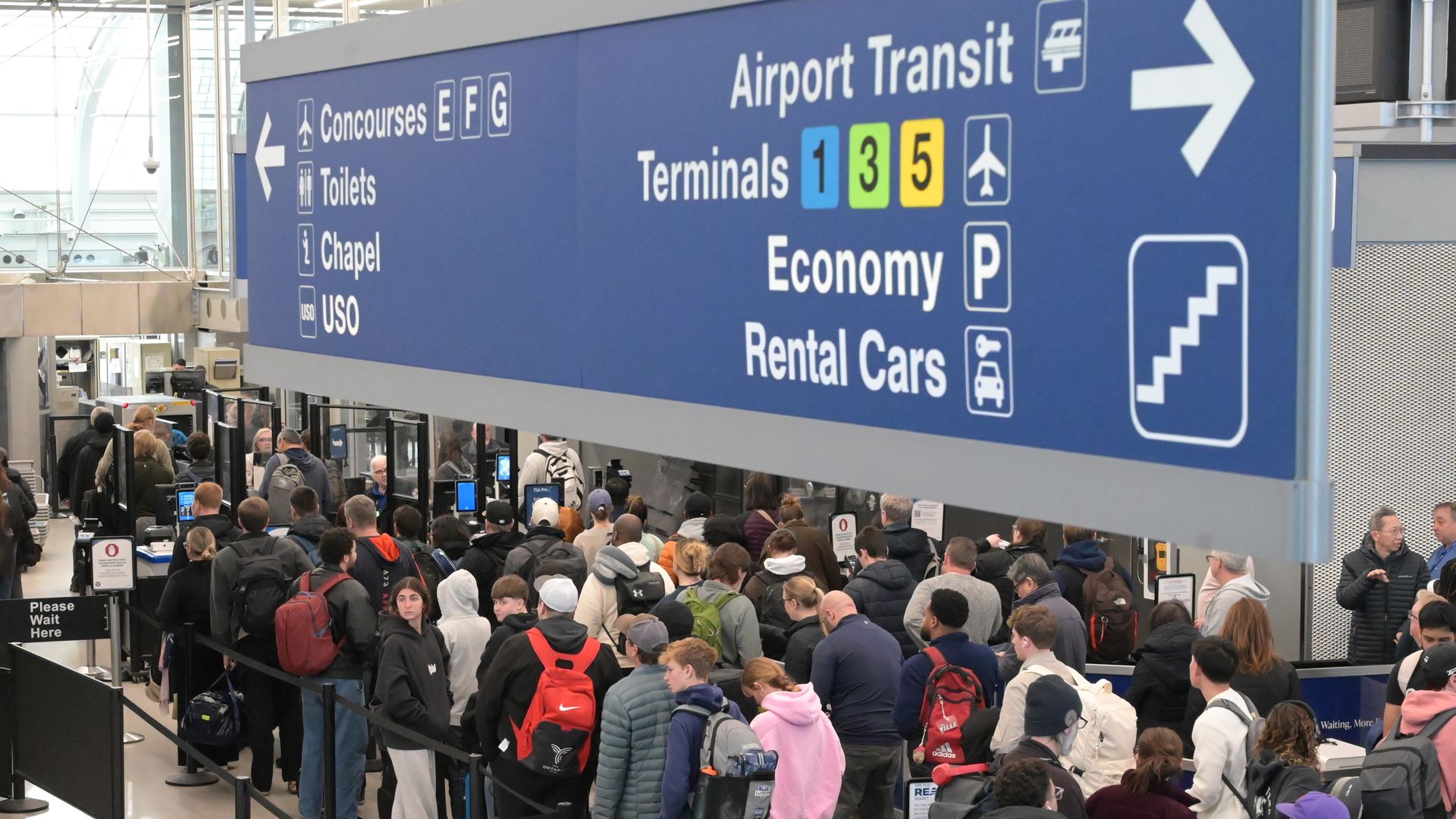
Secondary Logistics Friction: Enhanced TSA security screening procedures—including reinstatement of mandatory shoe removal and stricter footwear scanning—will extend cargo processing times at O'Hare by an estimated 5-7 days. Combined with ongoing airport construction and staffing instability from the 60-day government shutdown, sellers face compounded delays during peak summer demand (June-August). For perishable goods with 10-14 day shelf life windows, this creates critical inventory obsolescence risk. Seasonal goods (holiday merchandise, back-to-school items) face compressed selling windows if shipments arrive 5-7 days late.
Strategic Implications for Seller Segments: Small-to-medium sellers (100-500 monthly units) shipping via consolidated air freight will see per-unit costs increase $0.80-$1.50 depending on weight and destination zone. Large sellers (1,000+ monthly units) with dedicated air freight contracts may negotiate better rates but face capacity allocation uncertainty. The FAA's potential further reduction to 2,400 daily flights (as suggested by Chicago Department of Aviation concerns) would escalate pressures further. Sellers currently dependent on O'Hare as a primary air freight hub must immediately evaluate alternative routing through Memphis (FedEx hub), Indianapolis, or Dallas-Fort Worth to avoid capacity bottlenecks and cost spikes.
Questions 8
What compliance and documentation changes accompany enhanced TSA screening at O'Hare?
Senator Tammy Duckworth's push for stricter TSA screening (mandatory shoe removal, enhanced footwear scanning) will require updated cargo documentation and security protocols. Sellers must ensure all shipments include detailed item descriptions, weight certifications, and hazmat declarations (if applicable) to avoid processing delays. TSA's post-shutdown staffing stabilization means processing times remain unpredictable through Q3 2024. Sellers should work with freight forwarders to pre-clear shipments 48 hours before arrival and maintain redundant documentation (digital + physical copies). Non-compliance risks 10-14 day holds, making alternative routing essential for time-sensitive inventory.
Which product categories face the highest risk from O'Hare delays?
Perishable goods (fresh produce, seafood, specialty foods) face critical risk due to 5-7 day TSA screening delays extending total transit time. Products with 10-14 day shelf life windows risk obsolescence if shipments arrive late. Seasonal goods (holiday merchandise, back-to-school items, summer apparel) face compressed selling windows during peak demand periods. Electronics and high-value items are less affected by delays but will see higher per-unit costs. Sellers should prioritize shifting perishables to alternative hubs (Memphis, Indianapolis) and pre-positioning seasonal inventory 2-3 weeks earlier than normal.