


EU Tariffs Drive 240% EV Price Markup | Cross-Border Sellers Face New Duty Structures
- BYD's €134,500 European pricing reveals 27% tariff burden plus strategic margin expansion; sellers importing Chinese automotive components face 17% countervailing duties plus 10% standard tariffs effective immediately












Overview
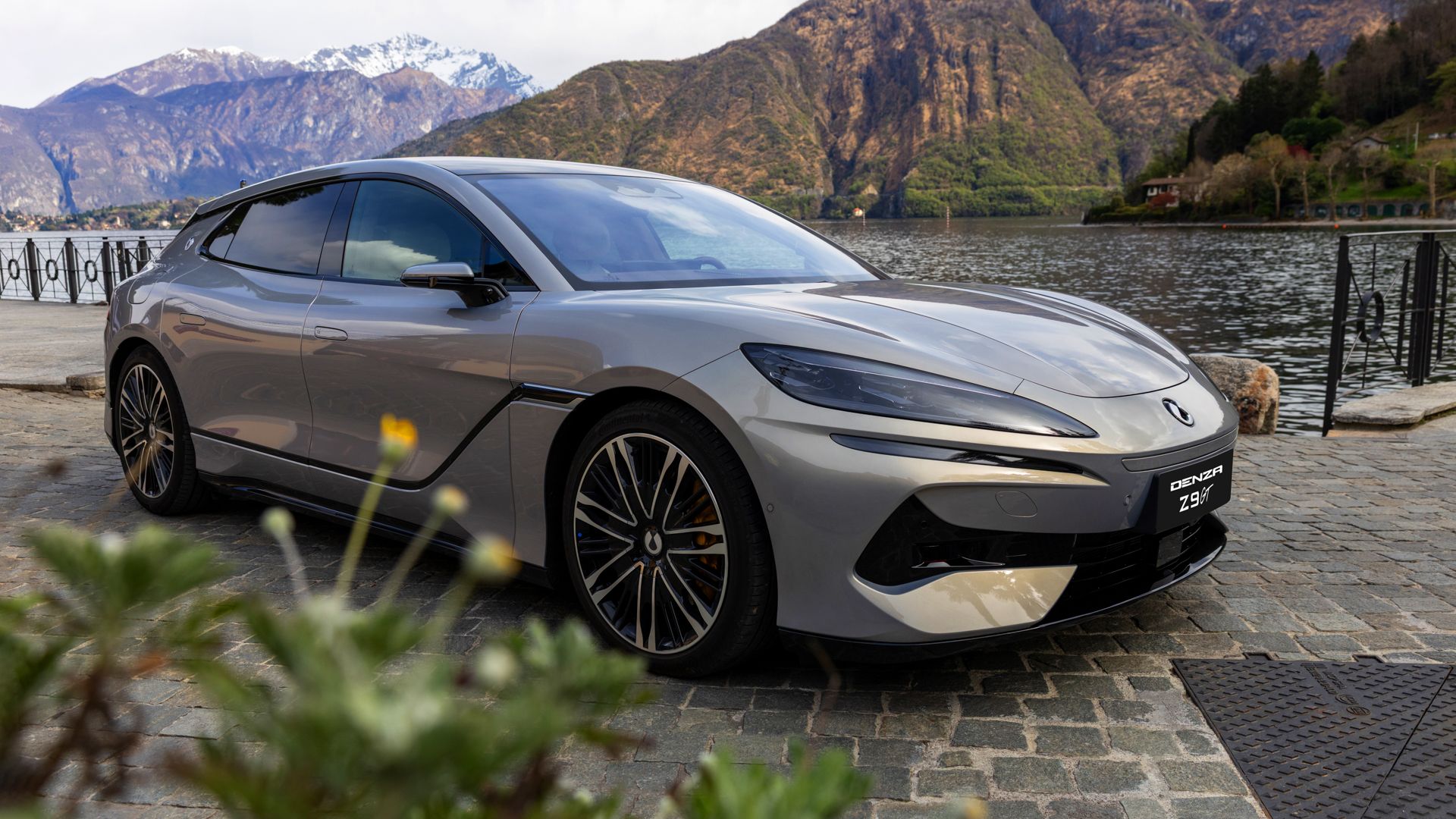
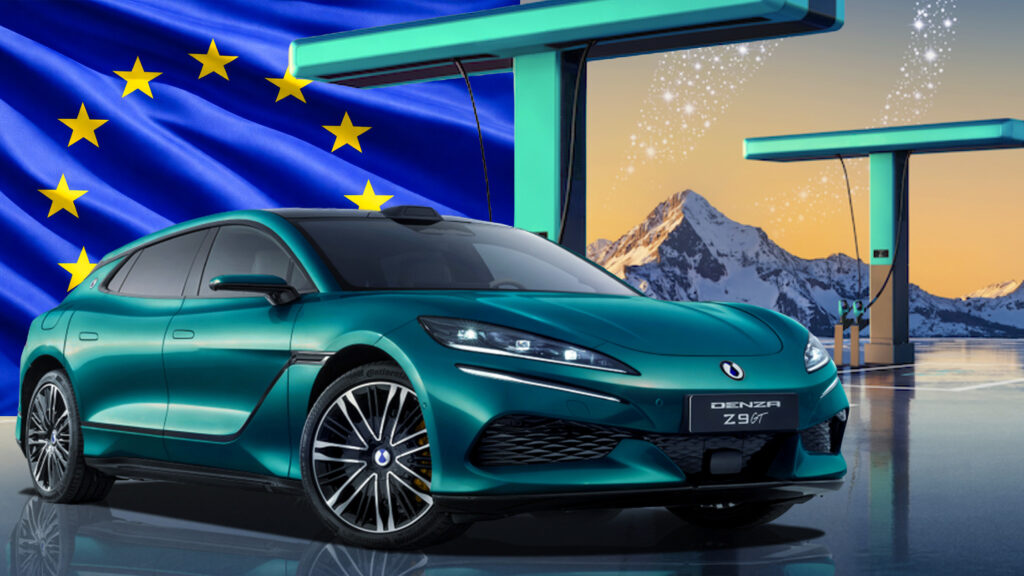
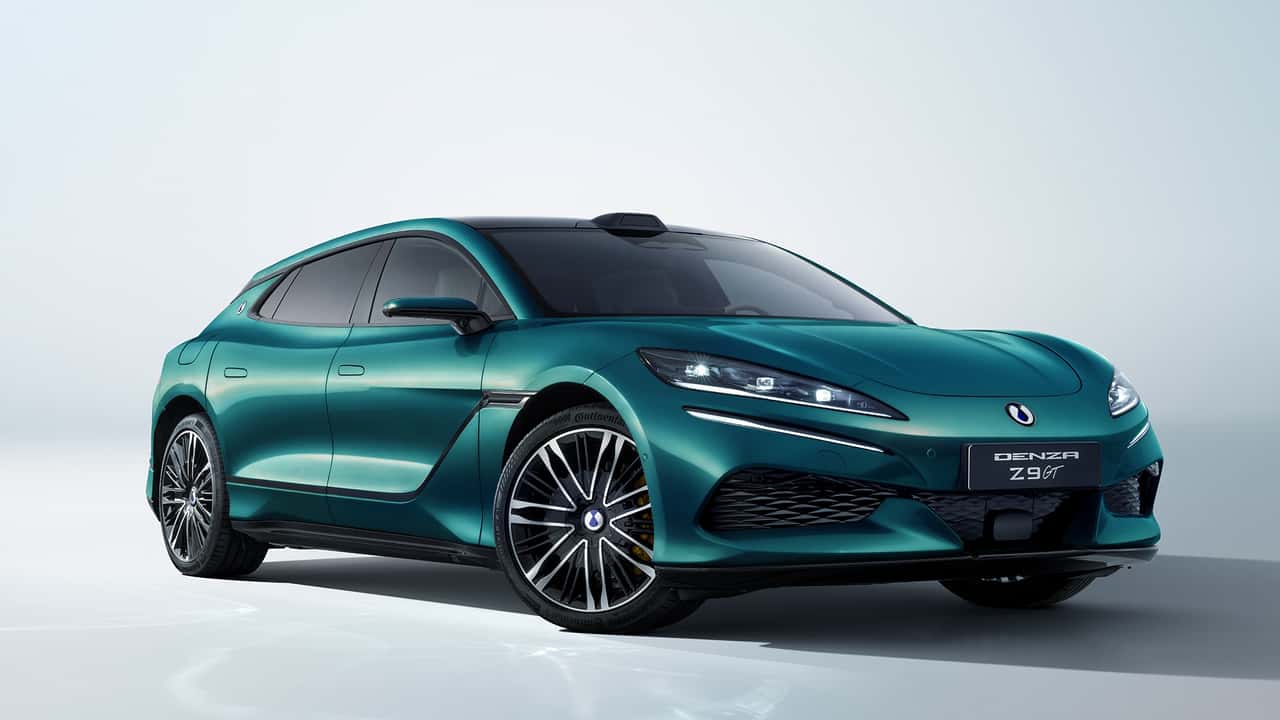
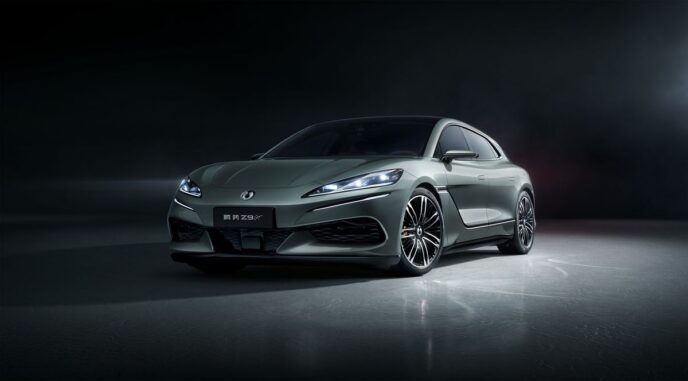
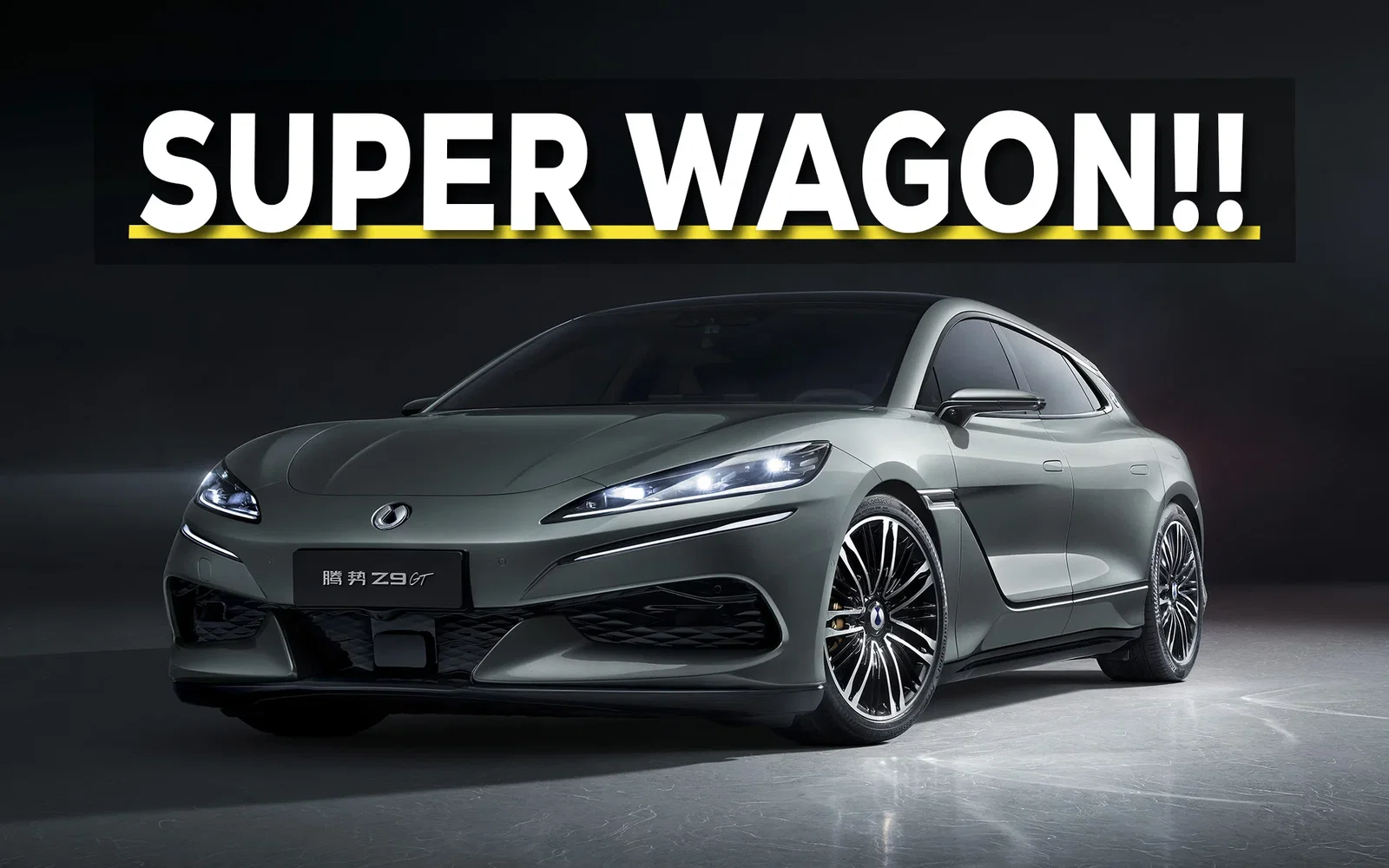
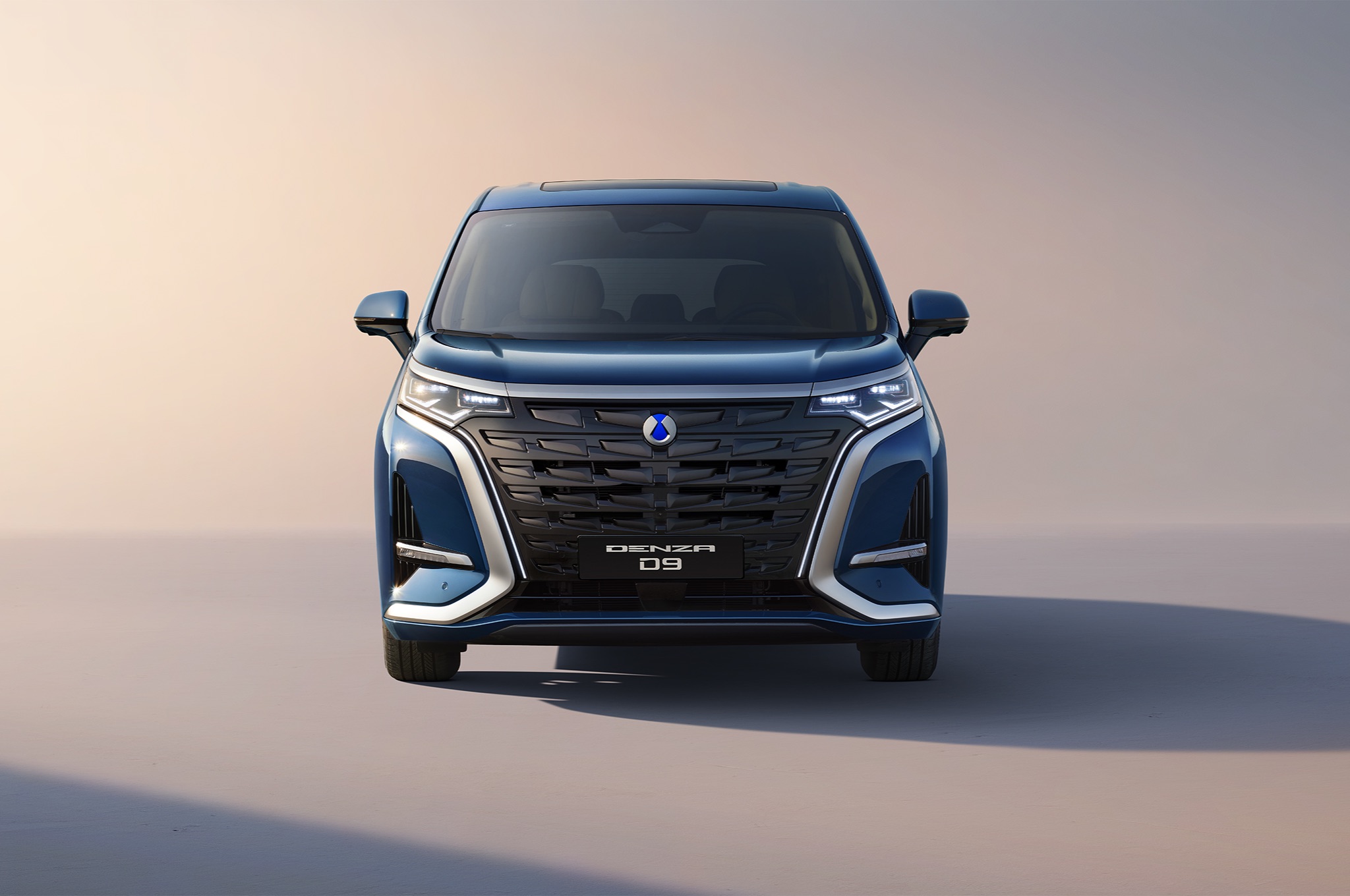
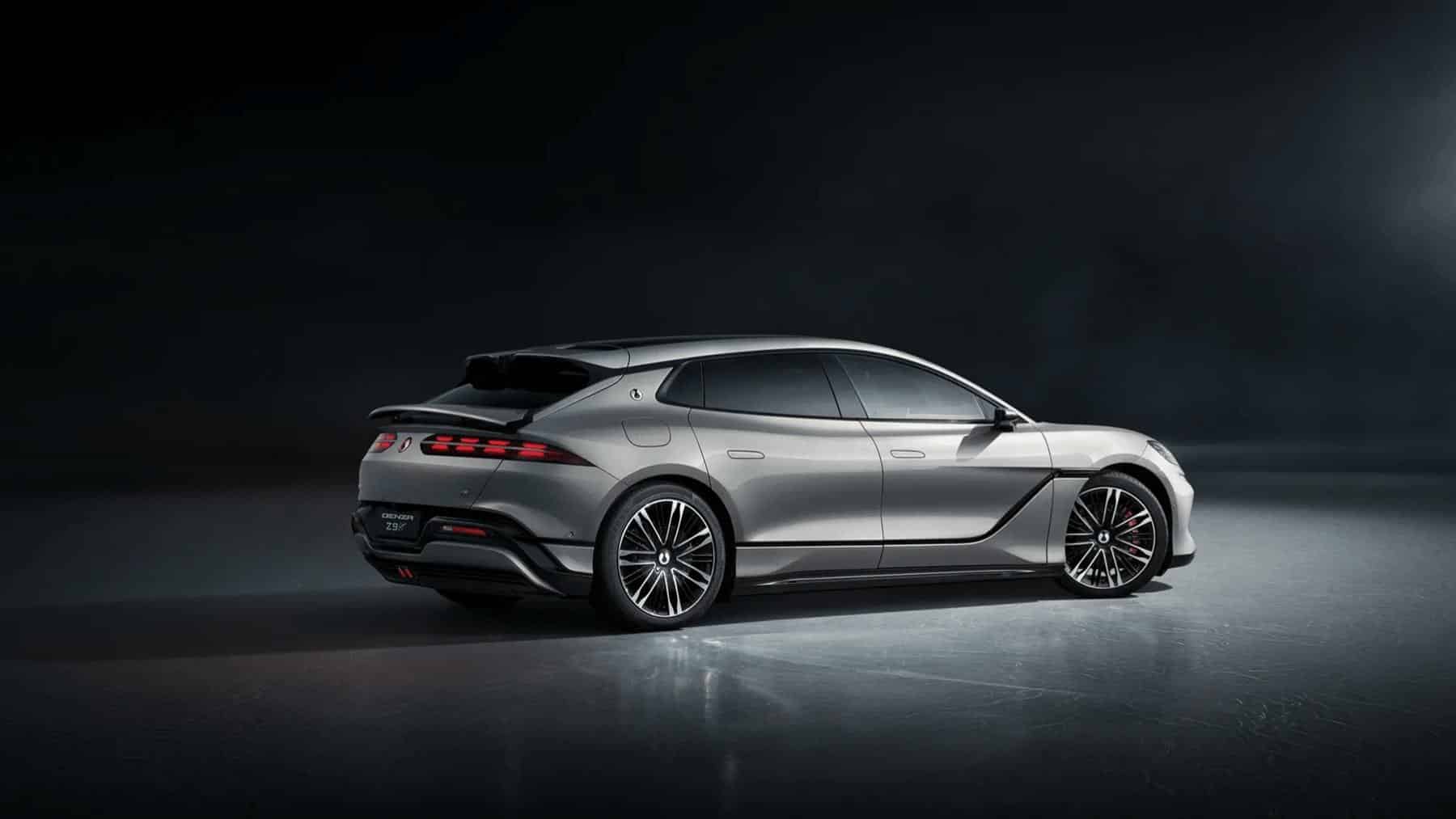
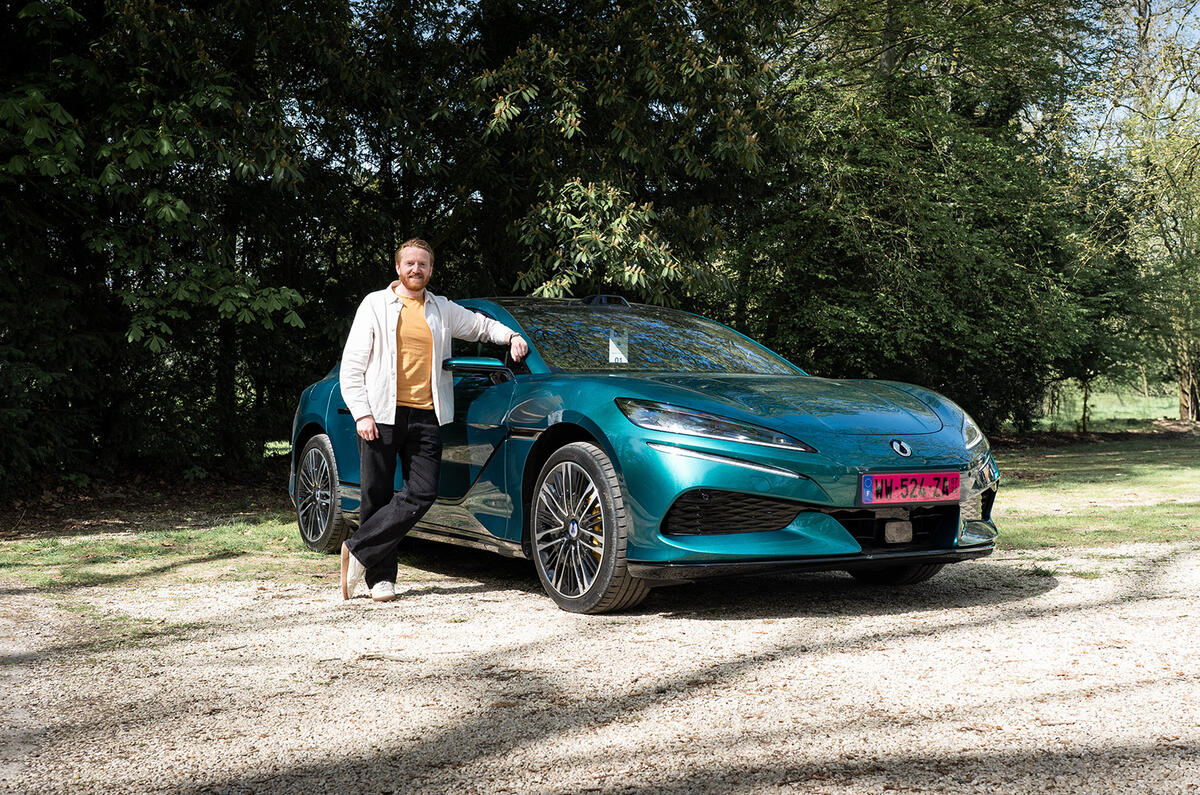
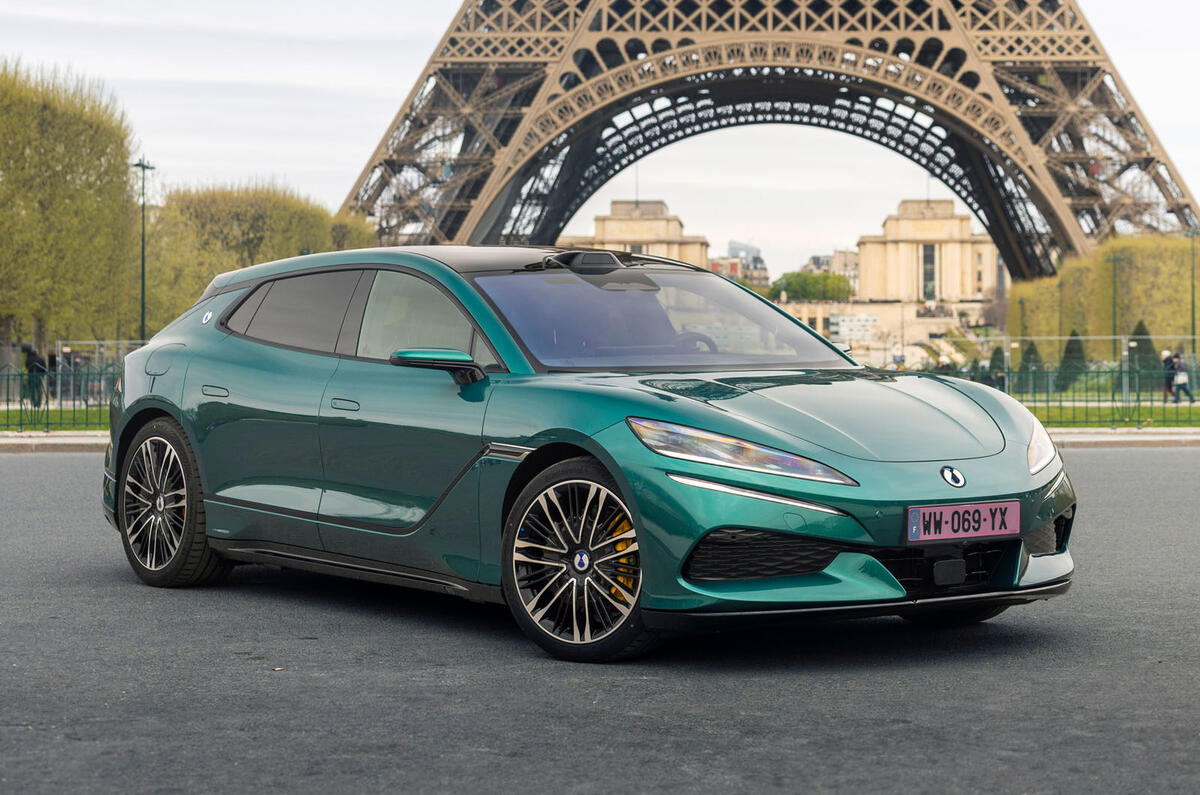
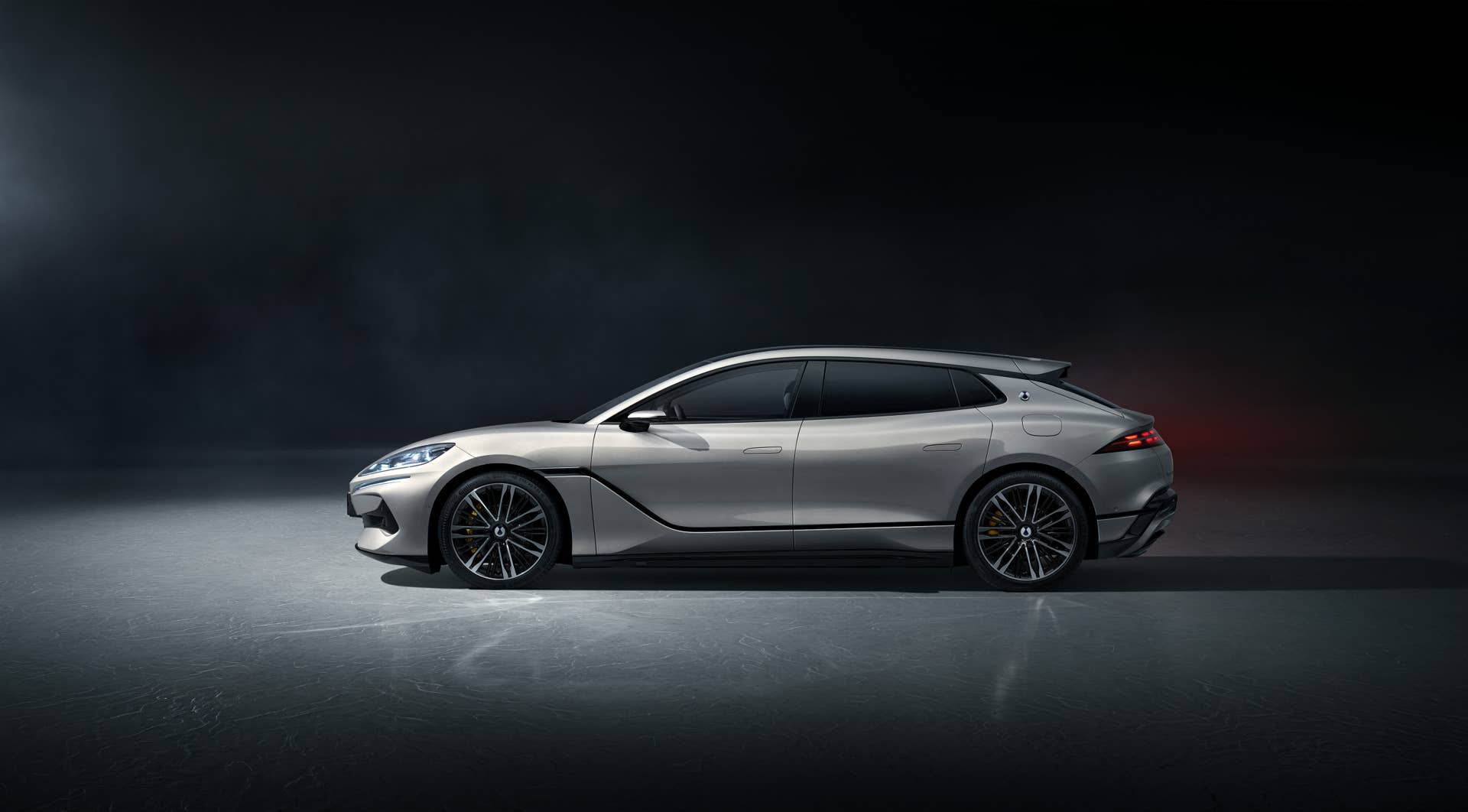
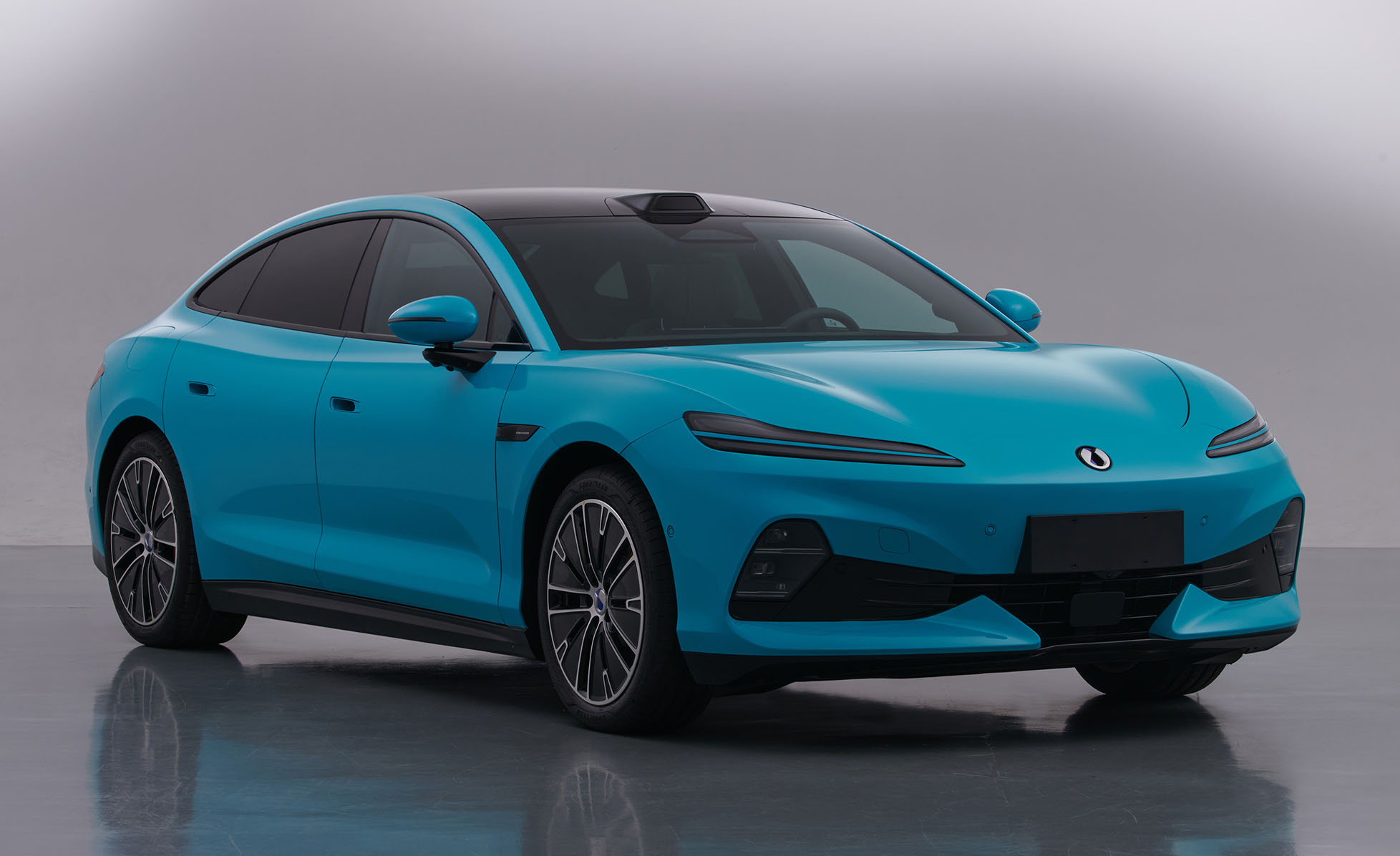
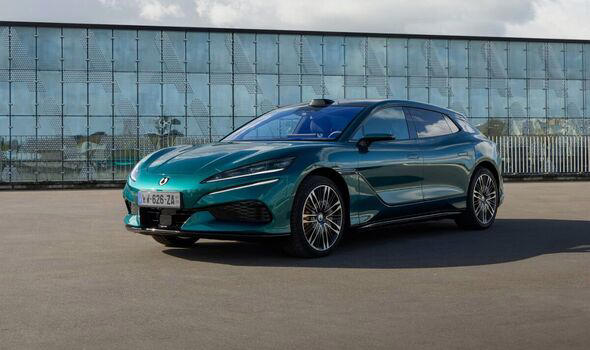
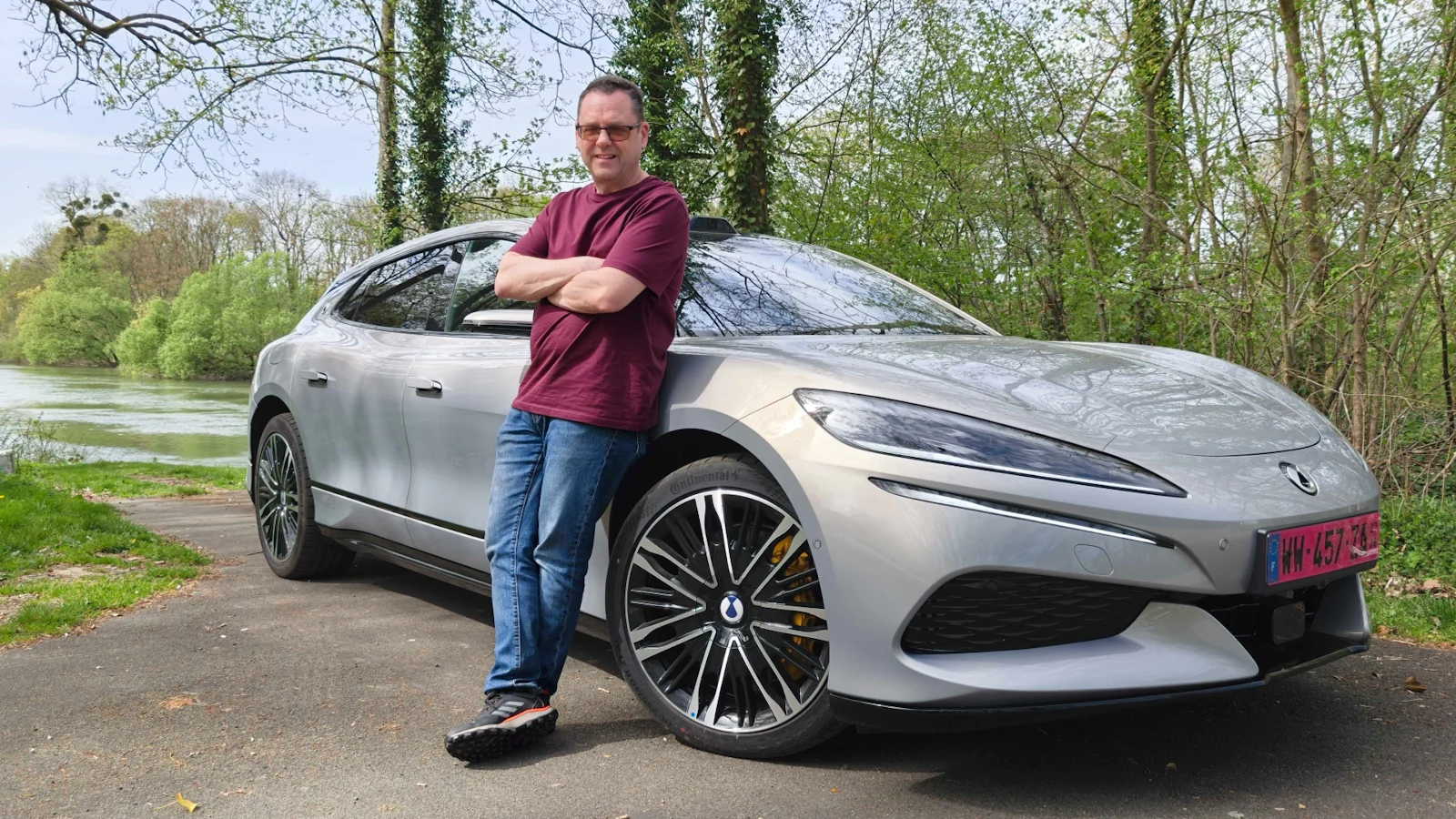
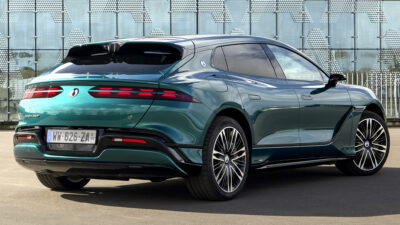
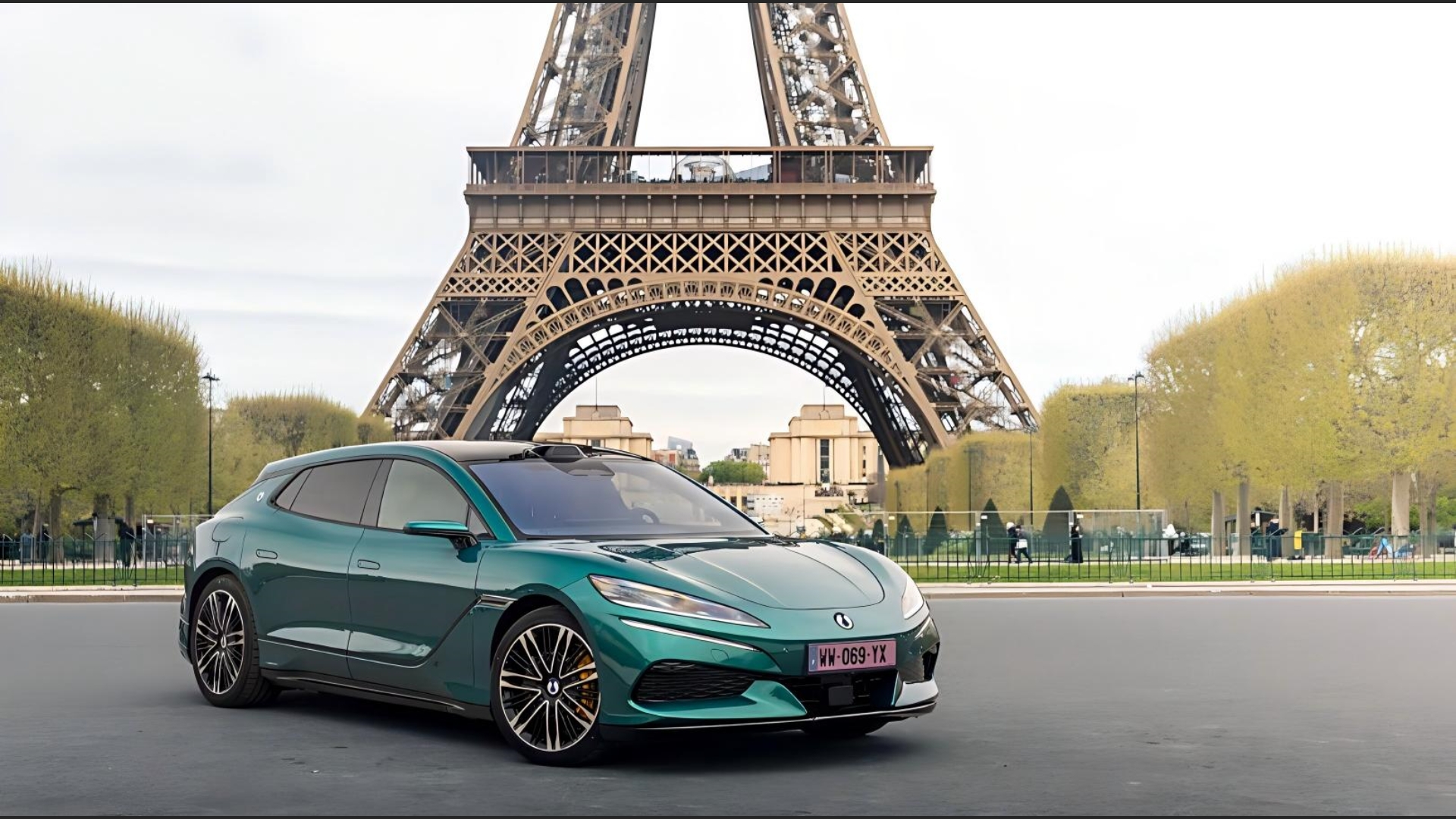
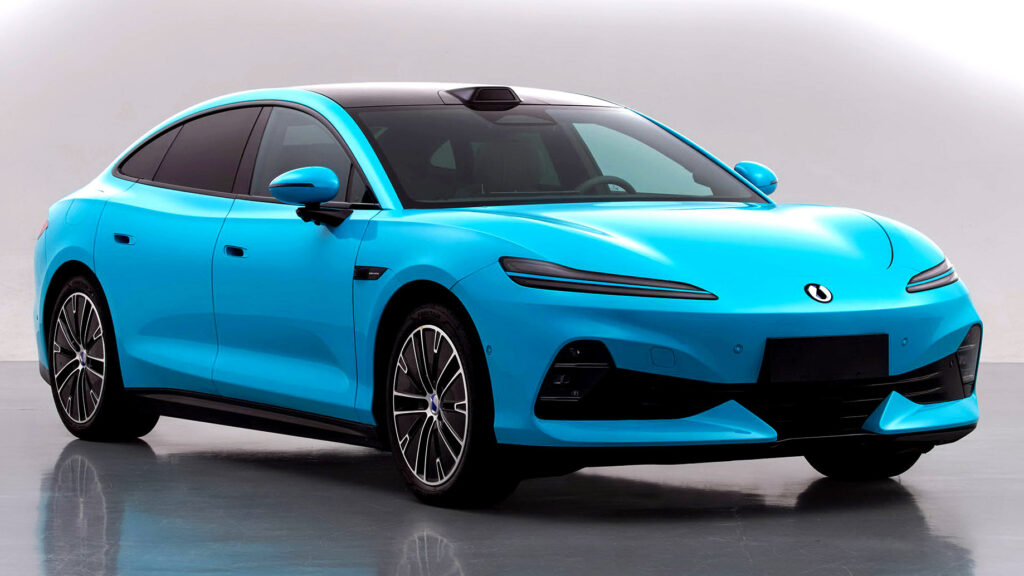
BYD's Denza Z9 GT European launch at €134,500—more than triple its €39,300 Chinese price—exposes critical tariff arbitrage dynamics reshaping cross-border automotive and component trade. The 27% combined EU tariff burden (17% countervailing duties on Chinese EVs plus 10% standard import tariffs) adds approximately €10,500 to the base cost, yet the €95,000 price differential reveals intentional premium positioning strategy rather than cost-driven pricing alone. This case study demonstrates how tariff structures create pricing floors while allowing OEMs to capture substantial margin expansion in protected markets.
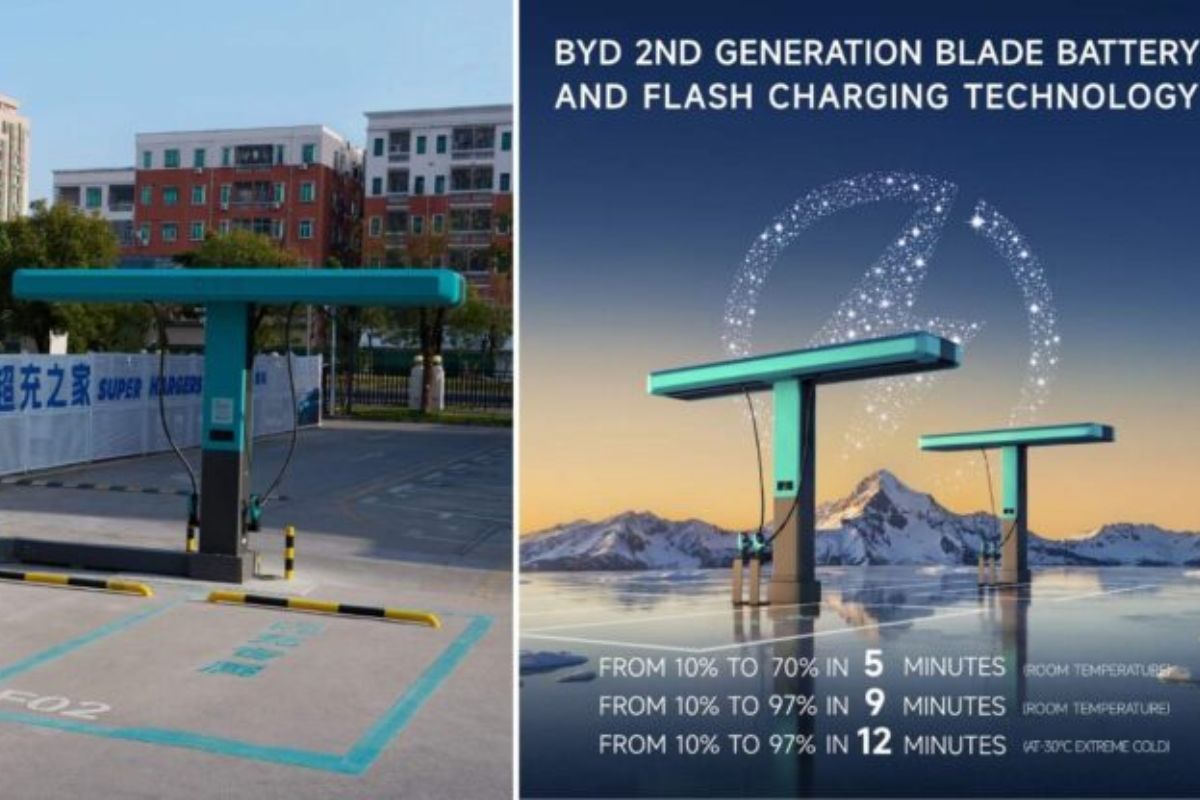
For cross-border sellers, this signals three immediate opportunities and risks. First, automotive aftermarket components (HS codes 8708.30-8708.99 covering electrical systems, batteries, charging components) now face the same 27% tariff burden, creating arbitrage opportunities for sellers sourcing from Vietnam, India, or Mexico—countries with lower tariff exposure. BYD's strategy of establishing 76,000 new charging locations globally (600 in UK by July 2026) creates downstream demand for compatible accessories, connectors, and diagnostic tools. Second, the premium positioning strategy—targeting €134,500 price point beneath Porsche Panamera—signals European luxury buyers will absorb tariff costs, enabling sellers of premium EV accessories (heated seats, advanced suspension components, Lidar-compatible systems) to maintain 40-60% gross margins despite tariff headwinds. Third, the 150-200% regional price variance (€134,500 Europe vs $55,000 Australia vs ¥45,000 China) creates gray-market arbitrage risks; sellers must monitor parallel import channels and implement geographic pricing controls.
The strategic insight extends beyond vehicles to supply chain repositioning. BYD's documented 25% manufacturing cost advantage over European rivals at mass-market segments becomes irrelevant at premium price points where brand equity and infrastructure investment dominate. For sellers, this means tariff-protected markets reward premium positioning over cost leadership—a reversal of typical Chinese EV market dynamics. The €10,500 tariff cost becomes a competitive moat, not a burden, when sellers can position products as premium alternatives. Additionally, the homologation, suspension retuning, and dealer network costs mentioned in the analysis suggest sellers should expect 8-15% additional compliance costs beyond tariffs when entering EU markets. The July 2026 UK showroom opening timeline indicates a 12-18 month market development window before competitive intensity increases; sellers should accelerate UK market entry before tariff structures potentially shift or competitors establish distribution networks.
Questions 7
How should sellers price premium EV accessories to capture tariff-protected market margins?
BYD's strategy demonstrates that tariff-protected markets reward premium positioning over cost competition. Sellers should price premium EV accessories 30-50% above cost-plus-tariff calculations to capture brand equity and market protection value. For example, a €100 cost component with 27% tariffs (€27) and 10% compliance costs (€10) totals €137 landed cost. Traditional pricing (40% margin) yields €192 retail price. Premium positioning pricing (50% margin) yields €206 retail price—a €14 premium justified by brand equity and tariff protection. Sellers should: (1) position products as premium alternatives to mass-market competitors, (2) emphasize compatibility with BYD's advanced technologies (Flash charging, Lidar, crab-walking), (3) target luxury buyer demographics with conservative brand preferences, and (4) invest 15-20% of gross margin in brand-building and marketing to justify premium positioning. This strategy contradicts typical Chinese EV market dynamics focused on affordability and volume.
How do EU tariffs on Chinese EVs affect cross-border sellers importing automotive components?
EU countervailing duties of 17% on Chinese EVs combined with standard 10% import tariffs create a 27% total tariff burden on automotive components sourced from China (HS codes 8708.30-8708.99). This €10,500 cost on BYD's €39,300 base price demonstrates the tariff floor. Sellers importing Chinese-origin batteries, electrical systems, or charging components face identical duty structures. However, components sourced from Vietnam, India, or Mexico typically face lower tariff exposure (0-5%), creating arbitrage opportunities. Sellers should conduct tariff classification analysis by HS code to identify lower-duty sourcing alternatives and calculate true landed costs including homologation and compliance expenses.