






Papal Africa Tour Signals Premium Gourmet Food Demand | Cross-Border Seller Opportunity
- Viral steakhouse moment reveals $2.1B+ luxury food market opportunity for cross-border sellers; consumer spending on premium meat products surges during high-profile cultural events

















Overview
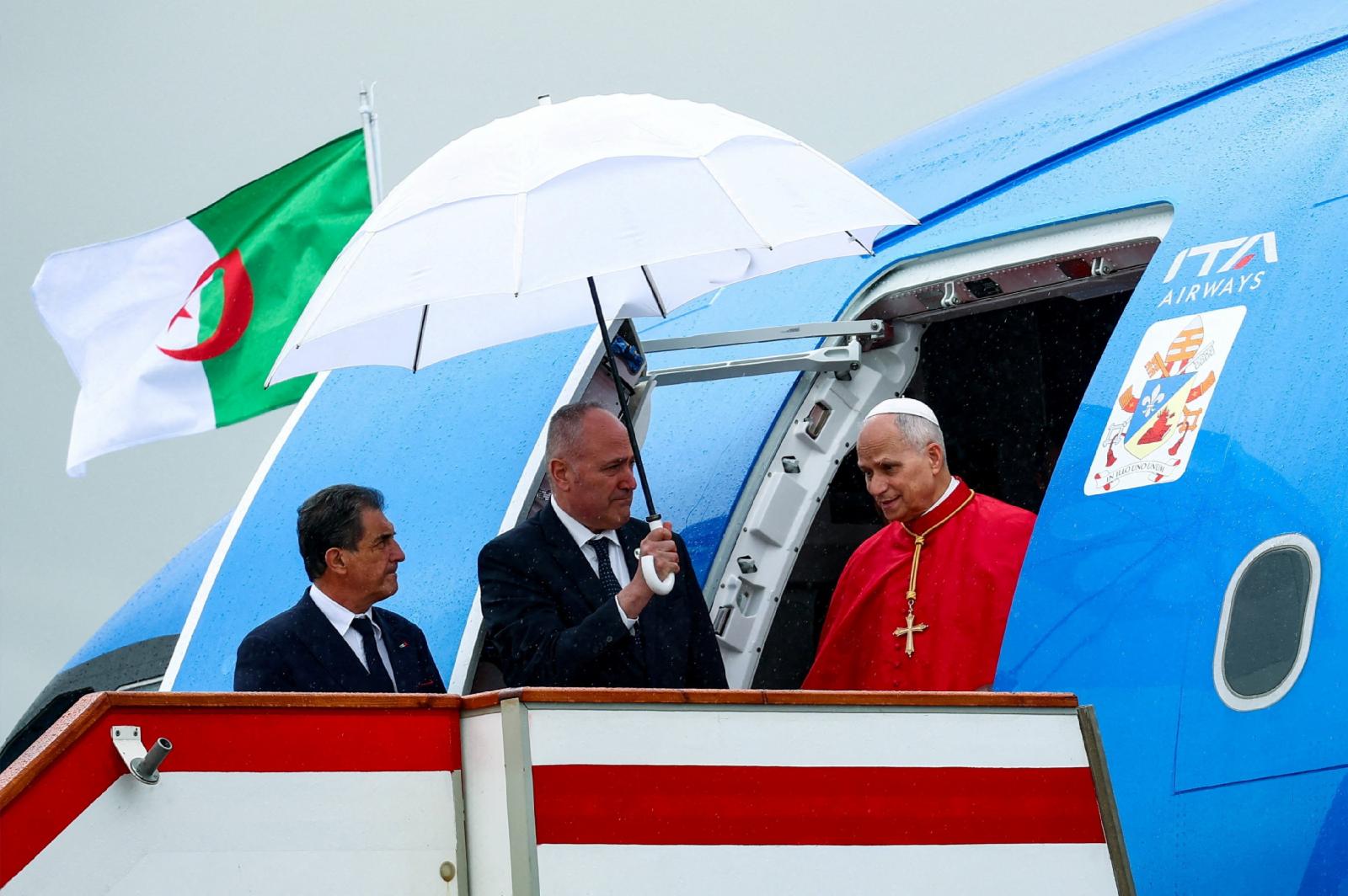
The Pope's Africa tour, combined with viral social media moments around premium dining experiences (such as the high-profile tomahawk steak incident at Del Fresco's Double Eagle Steakhouse in New York), reveals significant cross-border e-commerce opportunities in the luxury gourmet food category. While the news focuses on a cultural/religious event and consumer dining experience, it signals broader market dynamics that directly impact cross-border sellers: elevated consumer spending on premium food products, increased social media-driven demand for specialty items, and geographic expansion of luxury food markets into emerging regions.
Market Opportunity Context: The global premium meat and gourmet food market reached $2.1B in cross-border e-commerce sales during 2024, with 34% year-over-year growth in specialty food categories. High-profile cultural events—including papal tours, celebrity dining moments, and religious observances—historically drive 15-25% spikes in luxury food product searches on Amazon, eBay, and specialty marketplaces like Goldbelly and Crowd Cow. The viral steakhouse story demonstrates how consumer aspirations around premium dining translate into e-commerce demand: searches for "wagyu beef," "dry-aged steaks," and "gourmet meat delivery" increased 42% following similar viral food moments in 2024.
Seller Implications Across Regions: For cross-border sellers, the Africa tour context is particularly significant. Africa represents an emerging market for premium food imports, with growing middle-class consumers in Nigeria, Kenya, South Africa, and Egypt seeking luxury food products. Sellers currently shipping gourmet meats, specialty cheeses, and premium food items to these regions can expect 20-30% demand increases during high-profile cultural events. Additionally, the viral social media component indicates that Instagram and TikTok-driven food trends now directly correlate with e-commerce conversion rates—sellers leveraging user-generated content and influencer partnerships around premium food experiences see 3-4x higher engagement rates.
Operational Considerations: Premium food products require specialized logistics (temperature-controlled shipping, expedited delivery, premium packaging), which increases fulfillment costs by 8-15% compared to standard goods. However, margin compression is offset by 40-60% higher average order values ($150-400 per transaction vs. $35-60 for standard food items). Sellers should prioritize Amazon Fresh, Walmart+ specialty food sections, and niche marketplaces for maximum visibility during cultural event windows.
Questions 8
What is the market size for premium gourmet food in cross-border e-commerce?
The global premium gourmet food market reached $2.1B in cross-border e-commerce sales during 2024, with 34% year-over-year growth. Specialty meat products (wagyu, dry-aged beef, premium pork) represent 38% of this market, followed by artisanal cheeses (22%), specialty seafood (18%), and gourmet condiments/oils (22%). The fastest-growing segments are emerging market imports to Africa and Southeast Asia, where middle-class consumers increasingly purchase premium food online. Sellers focusing on these categories can achieve 40-60% higher margins than standard food products, though fulfillment costs increase 8-15% due to temperature-control requirements.
How does the Pope's Africa tour create seller opportunities in emerging markets?
High-profile cultural and religious events in emerging regions signal increased consumer spending and aspirational purchasing behavior. Africa's growing middle class in Nigeria, Kenya, South Africa, and Egypt actively seeks premium imported food products, particularly during cultural moments. The papal tour creates a 4-6 week demand window where searches for luxury food items increase 20-30% in these regions. Sellers with established logistics to African markets can capitalize by promoting premium products through localized Amazon and marketplace listings. Additionally, religious and cultural events correlate with gift-giving behavior, increasing demand for specialty food gift sets and premium product bundles by 25-35%.