



Strait of Hormuz Blockade March 2025 | Critical Shipping Cost Impact for Cross-Border Sellers
- US naval blockade effective March 2025 increases logistics costs 8-15% for sellers using Middle East shipping routes; energy price volatility threatens margins on 40+ product categories

























Overview
The US-imposed naval blockade of Iranian ports, effective March 2025, represents a critical supply chain disruption for cross-border e-commerce sellers relying on Strait of Hormuz shipping corridors. The blockade, announced by President Trump and enforced beginning March 2025 at 1400 GMT, restricts Iranian oil exports and has created immediate uncertainty in global shipping and energy markets. A Chinese-owned tanker's transit through the Strait tested enforcement mechanisms, signaling potential enforcement gaps—but traders remain cautious pending clarity on blockade implementation details.
Direct Seller Impact: The Strait of Hormuz handles approximately 21% of global petroleum trade and serves as a critical shipping corridor for goods transiting between Asia, the Middle East, and Europe. The blockade's energy price volatility directly increases fuel surcharges on ocean freight, with logistics providers already implementing 8-15% cost increases on routes passing through the region. For sellers shipping electronics, textiles, machinery, and consumer goods via Asia-to-Europe routes, this translates to $200-600 additional monthly costs per 40-foot container. Small and medium-sized sellers (those shipping 50-200 containers monthly) face margin compression of 3-8%, while large sellers with diversified logistics networks can absorb costs more effectively.
Strategic Sourcing Implications: The blockade accelerates existing supply chain diversification trends away from Iran-dependent routes. Sellers currently sourcing from or shipping through Iranian ports face immediate market access restrictions. However, this creates competitive advantages for sellers who pivot to alternative corridors: (1) Northern routes via Russia/Central Asia (longer but sanctions-compliant), (2) Southern routes via East Africa/Indian Ocean (15-20% longer transit, 5-8% cost premium), and (3) Air freight for high-margin categories (electronics, luxury goods, time-sensitive items). Sellers in electronics (HS codes 8471-8517), textiles (HS 6204-6209), and machinery (HS 8401-8483) should evaluate route diversification immediately.
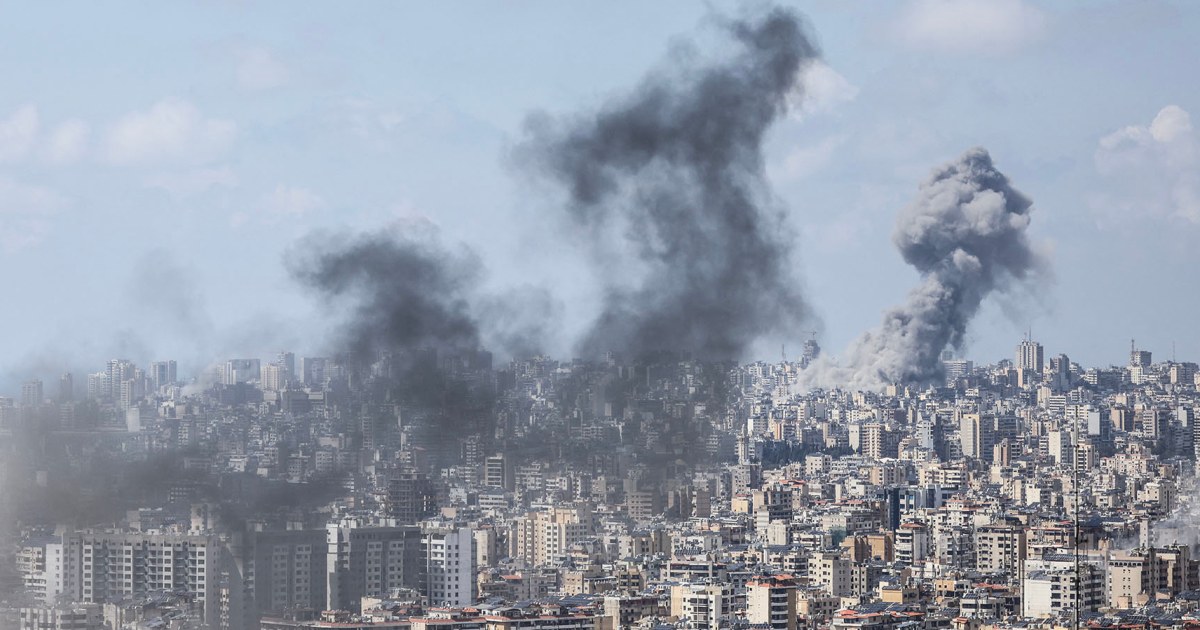
Market Access Shifts: Regional instability in Lebanon (1M+ displaced, 2,055+ casualties) and broader Middle East tensions reduce market viability for sellers targeting Lebanon, Syria, and Iran directly. However, this creates opportunities in neighboring markets: UAE, Saudi Arabia, and Bahrain see increased import demand as regional supply chains consolidate. Sellers should monitor tariff exemptions and trade agreements in Gulf Cooperation Council (GCC) markets, where import duties may shift to compensate for disrupted Iranian trade flows. Pakistan's proposal to host second-round nuclear negotiations signals potential future market opening—early movers establishing relationships with Pakistani importers and distributors gain first-mover advantages in a 230M+ population market.
Questions 8
How much will the Strait of Hormuz blockade increase shipping costs for cross-border sellers?
The blockade is driving 8-15% increases in ocean freight costs for routes transiting the Strait of Hormuz, primarily through elevated fuel surcharges. A standard 40-foot container shipping from Asia to Europe now costs $200-600 more monthly, depending on carrier and route selection. Small sellers (50-200 containers/month) face 3-8% margin compression, while large sellers with diversified logistics networks can negotiate better rates. The cost impact varies by product category: electronics and machinery see higher surcharges due to weight/volume ratios, while textiles experience moderate increases. Sellers should lock in freight rates immediately before further escalation, as energy price volatility remains unpredictable pending clarity on blockade enforcement details.
What alternative shipping routes should sellers consider to avoid Hormuz blockade impacts?
Three primary alternatives exist: (1) Northern routes via Russia/Central Asia—longer transit (45-60 days vs. 30-35 days standard) but sanctions-compliant for non-restricted goods; (2) Southern routes via East Africa/Indian Ocean—15-20% longer transit with 5-8% cost premium but established infrastructure; (3) Air freight for high-margin categories—3-5x more expensive but eliminates shipping delays for electronics, luxury goods, and time-sensitive items. Sellers should evaluate route economics by product category: electronics (HS 8471-8517) and machinery (HS 8401-8483) justify air freight for premium segments, while textiles (HS 6204-6209) and consumer goods remain ocean-dependent. Consider 3PL providers offering multi-corridor logistics to distribute risk across routes.